|
|
Dear ,
This is your weekly summary of our news, research, books, videos, and other resources related to senior living, retirement, and care in Mexico, along with independent and assisted living and information about age-related challenges (e.g., limited mobility, dementia, Alzheimer's, Parkinson's, ALS, stroke, multiple sclerosis, healthspan, and so on).
I hope you are finding this weekly newsletter helpful, and if you know of someone who may also find this information helpful, please forward it to them. They can subscribe using our Web Newsletter page (click here). If, for any reason, you do not wish to receive this weekly newsletter any longer, there is a simple 'Unsubscribe' or 'Opt Out' link at the bottom right corner of this newsletter and also right here: Unsubscribe
This weekly newsletter typically includes information in each of the following categories: San Miguel insights, senior care, and health information, as well as Cielito Lindo basic information.
Here’s what we typically cover each week:
- San Miguel de Allende highlights – why this is such a special place to live
- Health & wellness insights – articles, videos, and expert reviews
- Care options & community life at Cielito Lindo – flexible, affordable living with a warm, human touch
This Week’s Theme:
This week’s newsletter explores the need for better support for both the loved one and the caregiver throughout the journey.
|
|
|
|
|
|
|
| Weekly insights into San Miguel:
|
|
|
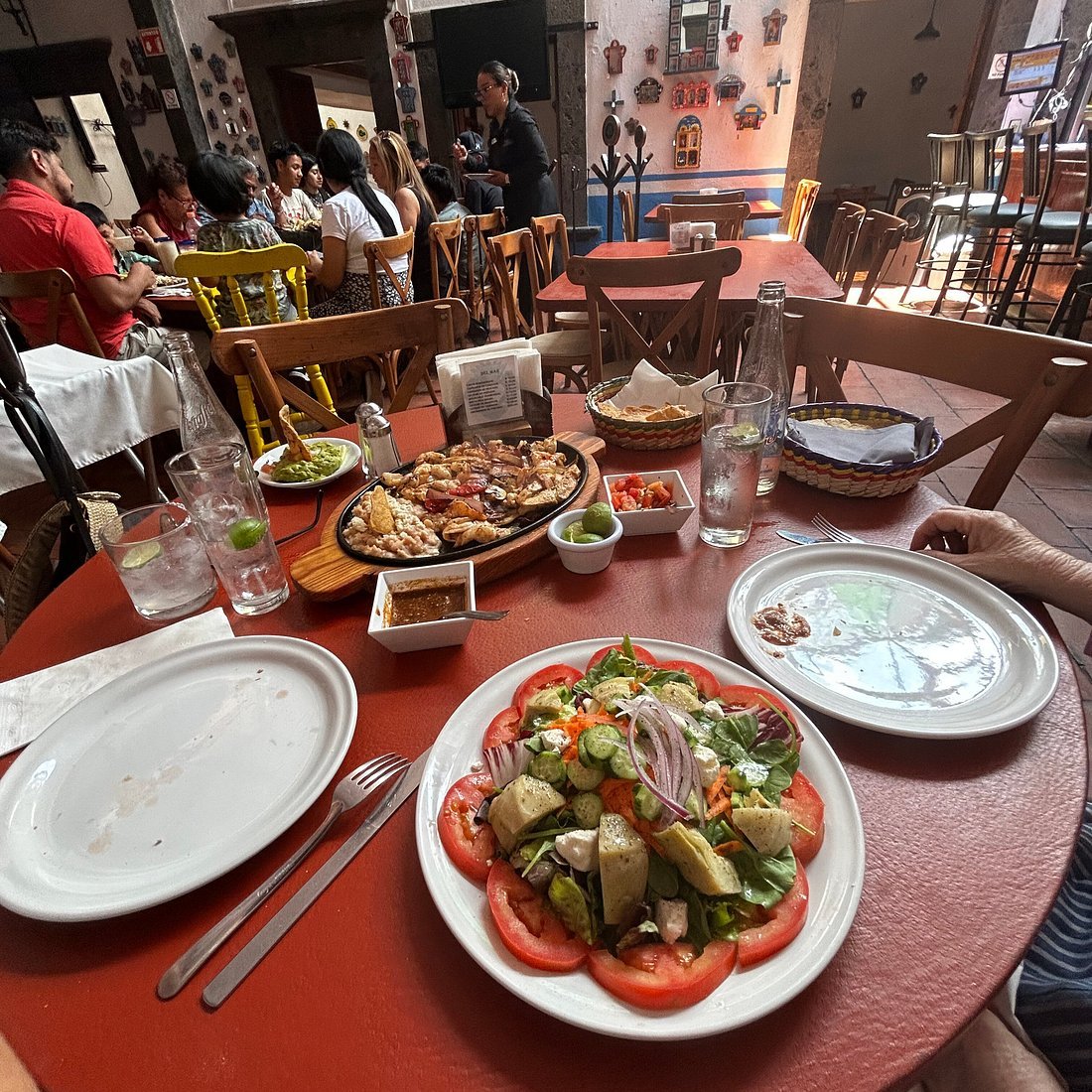
- Colorful and Epicurean San Miguel - This is such an amazing place,
particularly the food and the colors. Although we are addressing a topic that is stressful, challenging, and emotional, we should also acknowledge what an incredible place San Miguel is.
|
|
|
|
|
| Vintage San Miguel de Allende
San Miguel de Allende seems to exist outside the ordinary movement of time, a city where romance lingers in the shade of jacaranda and bougainvillea, where church bells drift above cobblestone streets, and where the afternoon light turns colonial walls into shades of rose, ochre, and gold. In El Centro, beneath the watchful presence of La Parroquia, life unfolds with an old-world grace: couples strolling through the jardín, musicians gathering near the square, friends lingering over coffee, and travelers discovering that beauty here is not staged, but lived. San Miguel is not simply a place to visit; it is a city to feel, slowly and fully, as if each doorway, lantern, rooftop, and quiet bench were part of a love letter written over centuries.
|
|
|
|
|
The Hotels of San Miguel: Hotel Hacienda Monteverde San Miguel de Allende
Hotel Hacienda Monteverde has the feeling of a classic San Miguel stay: colonial arches, a central patio, leafy corners, and that particular hush that happens when you step off the cobblestones and into an interior garden. It is not the flashiest hotel in town, and that may be part of its charm. It feels approachable, traditional, and quietly rooted in the old rhythm of the city.
The location is one of its strongest points. The hotel sits on Calle Volanteros No. 2, Zona Centro, close enough to walk toward the Jardín Principal, the Parroquia, markets, cafés, and galleries, while still feeling slightly tucked away from the busiest plaza energy. The hotel describes itself as being in the historic center, about six blocks from the main square, with colonial-style rooms arranged around a patio and garden.
There is something gentle about arriving here after a day in San Miguel. Outside, the city is full of uneven stone, church bells, roasted corn, passing motorbikes, and the warm mineral color of old walls. Inside, Hacienda Monteverde slows the pulse. The patio gives the place its emotional center: a little green breathing space where mornings begin with coffee, footsteps, and the soft scrape of chairs across tile.
Rooms are simple, comfortable, and colonial in spirit rather than ultra-luxury. The hotel’s own room descriptions emphasize spacious layouts, colonial style, and rooms positioned around the patio and garden.
Booking listings note private bathrooms, free Wi-Fi, cable TV, laundry service, and tourist information services. It is the
kind of hotel best suited to travelers who want warmth, convenience, and character more than sleek contemporary design.
A practical bonus is the availability of parking, which matters in San Miguel more than many first-time visitors realize. The official site mentions private parking, and Expedia currently lists parking as available for a nightly fee, with limited availability. The property is also described on Tripadvisor as pet-friendly and suitable for private events or destination weddings, with its Tres Jacarandas breakfast restaurant noted in the listing.
What I would love most about Hacienda Monteverde is its sense of honest usefulness wrapped in old-world atmosphere. You can wake here, step into the courtyard light, hear the city beginning beyond the walls, and set out on foot without needing to
overplan. In the evening, returning from the centro — perhaps with dust on your shoes and the smell of pan dulce still clinging to the streets — the hotel feels like a calm pause before another San Miguel night.
It may not be the right choice for travelers seeking a high-design boutique experience, a dramatic rooftop scene, or resort-style indulgence. But for those who appreciate colonial charm, central location, a gardened patio, and a more grounded kind of hospitality, Hotel Hacienda Monteverde offers a lovely and practical base.
Best for: walkers, couples, families, pet travelers, wedding groups, and visitors who want to stay near the historic center without paying luxury-hotel prices.
Overall impression: Hotel Hacienda Monteverde is a warm, traditional, well-located San Miguel stay — comfortable, atmospheric, and quietly memorable in the way old courtyards often are: not by dazzling you, but by giving the day a softer place to begin and end.
|
|
|
|
|
Restaurant Review: Restaurant: Los Milagros
Relox #17, Centro, San Miguel de Allende, Gto., México
Phone: +52 415 152 0097
Website: restaurantlosmilagros.com
There is also Los Milagros Terraza at Salida Real a Querétaro #91, esquina Piedras Chinas.
Days and Hours:
Main location: Monday–Saturday, 12:00 PM–10:00 PM; Sunday, 12:00 PM–9:00 PM.
Terraza: Tuesday–Saturday, 1:00 PM–10:00 PM; Sunday, 1:00 PM–9:00 PM.
Atmosphere:
Los Milagros is classic San Miguel comfort: lively, colorful, unfussy, and made for generous meals with friends. The Centro location has the energy of a reliable Mexican cantina-restaurant, while the Terraza offers a more scenic, open-air experience with views and a slightly more occasion-worthy feel.
Service:
Friendly,
brisk, and accustomed to a mix of locals, tourists, families, and groups. This is not hushed fine dining; it is cheerful, busy, and built for abundance.
Cuisine:
Traditional Mexican cooking is the heart of the menu, with the restaurant emphasizing “authentic Mexican cuisine” and a large selection of more than 130 dishes prepared to order. Expect familiar flavors, hearty portions, and broad appeal rather than minimalist chef-driven experimentation.
Signature Dish:
The molcajete is the essential order. Los Milagros
promotes itself around “Los mejores molcajetes,” and reviews frequently point to the molcajetes as the dish to share, especially with meat, seafood, salsa, beans, guacamole, and tortillas.
Starters: Start with tortilla soup, guacamole, queso fundido, or something simple and shareable. The portions tend to be generous, so pacing matters.
Main Courses:
This is the place for molcajetes, fajitas, enchiladas, arrachera, tacos, and other Mexican standards. The best strategy is to order for the table and let everyone build bites from hot stone bowls, tortillas, salsas, and sides.
Desserts: Dessert is not
the headline here. After a large molcajete or fajita platter, something light and traditional would be the right finish, though the main pleasure of Los Milagros is savory.
Wine and Cocktails:
The bar is a real part of the experience. Los Milagros highlights cocktails made to order, plus a broad list of mezcals, tequilas, and beers. Margaritas, tequila, mezcal, and live music are very much in the restaurant’s personality.
Final Thoughts: Los Milagros is a dependable San Miguel crowd-pleaser: abundant, festive, central, and proudly Mexican. It may not be the most refined table in town, but it delivers the kind of satisfying, convivial meal many visitors are hoping for
when they arrive in San Miguel—big flavors, live music, strong drinks, and plenty to share.
Cost: $$
Rating: ★★★★☆
|
|
|
|
|
| Information related to Mexico, senior care and health:
|
|
|
- Lead article - These are articles specifically written for you each week. They address a wide range of
relevant topics, such as factors that can increase your health and lifespan, diagnostics, understanding causal factors for Alzheimer's and other dementias, and so on. The lead article typically sets the tone for the core content of the newsletter (videos and book reviews). On occasion, the focus may be centered on Mexico, Pueblos Magicos, and San Miguel de Allende.
- Caregiver's Sentiment
- This quote typically honors what we, as caregivers, are going through and feeling.
- Caregiver's Affirmation - This affirmation bolsters our self care, our image or ourselves on this journey and our ability to endure.
- Videos - Typically, three videos are related to the lead article, and they include a summary and timestamped highlights.
- Book Review - Typically related to the lead article.
|
|
|
|
|
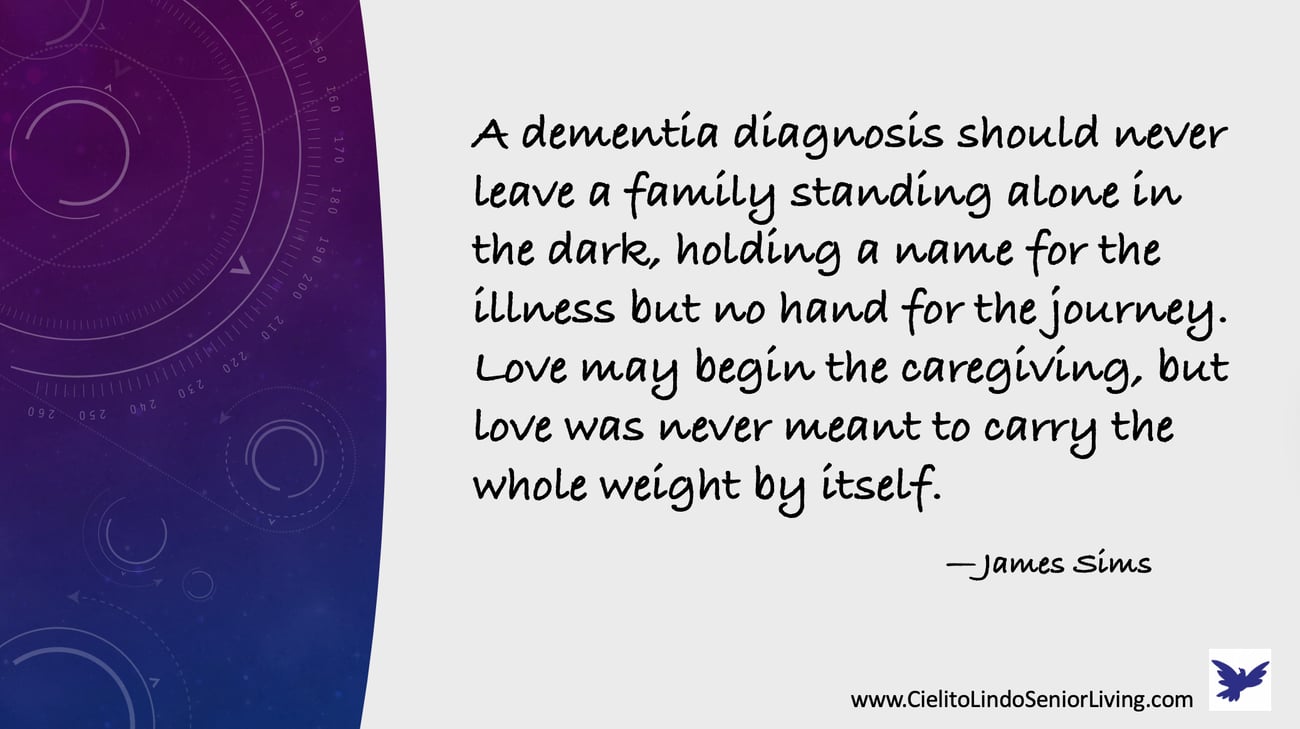
The quote speaks to the painful gap many families experience after a dementia diagnosis. They may finally have a name for what is happening, but that name alone does not tell them what to do next, how to respond to changes in behavior, how to plan for safety, or how to carry the emotional weight of watching someone they love change. “Standing alone in the dark” captures that sense of fear, uncertainty, and isolation.
The second half of the quote honors the power of love while also acknowledging its limits. Families often step into caregiving because of devotion, loyalty, and deep affection. But love by itself cannot replace education, respite, professional guidance, financial planning, emotional support, or a coordinated care system. The quote reminds readers that needing help is not a failure of love. It is
proof that dementia is too heavy for any one family to carry alone.
At its heart, the quote is a call for compassion that becomes practical. Families need more than sympathy after a diagnosis; they need people and systems that walk with them. A hand for the journey means guidance, reassurance, resources, and community, so caregivers and loved ones are not left to navigate dementia in isolation.
|
|
|
|
|
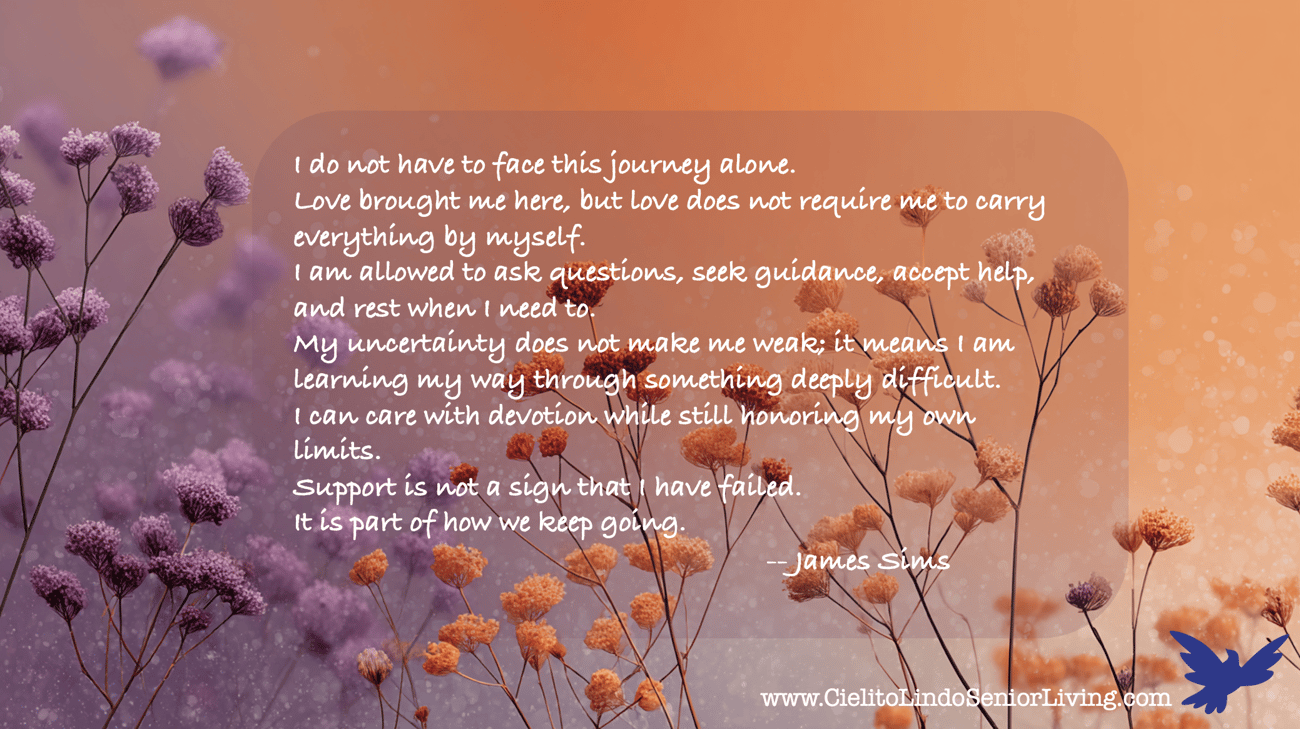
This affirmation reminds caregivers that devotion does not mean doing everything alone. Many caregivers feel pressure to be endlessly strong, as though asking for help means they are failing the person they love. But caregiving is not a test of how much one person can endure. It is a journey that requires support, guidance, rest, and community.
“Love brought me here, but support helps me keep going” honors both the caregiver’s commitment and their limits. Love may be the reason they show up each day, but it still needs practical help to sustain it. Accepting support does not make the care less meaningful. It helps the caregiver remain steady, present, and human.
The final line, “I can ask for help and still be a devoted caregiver,” is especially important. It gives caregivers permission to let go of guilt. Asking for
help is not stepping away from love; it is making room for love to continue without completely consuming the caregiver.
|
|
|
|
|
We Know More About Dementia Than Ever. So Why Are Families Still Facing It Alone?
We know more about dementia than ever before. We know it is not one disease, not simply “memory loss,” and not an inevitable part of aging. We know Alzheimer’s disease differs from vascular dementia, Lewy body dementia, frontotemporal dementia, and other conditions that can alter judgment, movement, language, mood, and personality. We can name the symptoms with greater precision than past generations could.
And yet, after the diagnosis is delivered, too many families hear the same unspoken message: Good luck.
That gap — between what medicine knows and what families are expected to endure — is where America’s dementia crisis now lives.
The public often talks about
dementia as though it begins and ends with forgetfulness. A misplaced wallet. A repeated story. A name that slips away. But dementia is far more complicated than that. It can arrive as confusion, paranoia, hallucinations, impulsive behavior, poor judgment, personality changes, or difficulty speaking. For some families, the first sign is not that Mom forgot a birthday. It is that she became suspicious of the people closest to her. Or that Dad, once careful with money, suddenly fell for scams. Or that a spouse who had always been gentle became angry, restless, or afraid.
This matters because misunderstanding dementia can deepen the suffering around it. Families may mistake symptoms for stubbornness, cruelty, depression, or ordinary aging. They may spend months or years trying to reason with a disease that does not respond to reason. Better public understanding can reduce blame and shame. But understanding alone is not enough.
A diagnosis should be the beginning of support. Too often, it is the beginning of isolation.
Families may leave a doctor’s office with a medical term but without a practical roadmap. Who explains how to handle wandering, agitation, medication, finances, driving, bathing, legal documents, or the question no one wants to ask: when is home no longer safe? Who tells the adult child how to talk to a parent who insists nothing is wrong? Who tells the spouse what to do when sleep disappears for months at a time? Who helps the family distinguish between a bad day, a medical emergency, and a new stage of decline?
In the absence of a real system, families become the system. They become nurses, case managers, advocates, accountants, transportation coordinators, safety inspectors, and grief counselors. They learn by crisis. They Google at midnight. They make decisions with incomplete information and then live with the
guilt.
The scale of this burden is enormous. The Alzheimer’s Association estimates that in 2025, 12.7 million family members and other unpaid caregivers provided 19.6 billion hours of unpaid care to people living with Alzheimer’s or other dementias. That averages nearly 30 hours of care per caregiver per week. Globally, dementia cost economies an estimated $1.3 trillion in 2019, and about half of those costs were tied to informal care by family members and friends. Women also provide about 70% of care hours for people living with dementia.
These numbers tell us something we should not ignore: unpaid caregiving is often described as love, but it is also labor.
Of course, families want to care for the people they love. There is dignity in helping a parent dress, sitting with a frightened spouse, or making a home safer for someone whose world is shrinking. But love does not make caregiving
cost-free. It costs sleep, income, health, careers, marriages, and peace of mind. It can turn adult children into parents before they are ready and spouses into full-time caregivers while they are grieving the gradual loss of the person beside them.
The problem is not that families do not care enough. It is that we have built a system that assumes they can absorb almost anything. A daughter can reduce her work hours. A spouse can sleep lightly for years. A son can navigate Medicaid forms after midnight. A neighbor can check the stove. A granddaughter can translate medical instructions. Each act may be loving. Taken together, they reveal a care system held together by private sacrifice.
Some will say this is simply what families do. And they are partly right. Families have always cared for one another through illness, aging, and decline. That bond is not a weakness; it is one of the most humane things about us.
But family caregiving should be supported, not exploited. Dignity should not require abandonment by the health care system. No one should have to choose between keeping a loved one safe and keeping themselves afloat.
We need to treat dementia care as more than a private family matter. That does not mean turning every challenge into a government program or stripping families of responsibility. It means recognizing that dementia is a long, complex, expensive condition that demands coordinated support.
Every dementia diagnosis should come with care navigation: someone who can help families understand symptoms, plan for legal and financial decisions, identify local resources, and prepare for what may come next. Respite care should be easier to access, not treated as a luxury for those who know how to find it. Primary care doctors, emergency rooms, and first responders need better training to
recognize dementia-related behaviors and respond with skill rather than confusion. Employers should also acknowledge that caregiving is part of modern work life, not an inconvenience workers should hide.
Communities have a role, too. Adult day programs, memory cafés, caregiver support groups, dementia-friendly faith communities, and senior centers are not sentimental extras. They are part of the social infrastructure that helps families remain intact. A society that can build hospitals and research laboratories should also be able to build places where caregivers can breathe.
We should measure progress not only by how precisely we can diagnose dementia, but by what happens next. A diagnosis should open a door to support, not leave a family standing alone in a hallway with a pamphlet and a crisis they are expected to manage in private.
We know more about dementia than ever. Now we need to
prove that knowledge can translate into better care throughout the journey for both the loved one and the caregiver.
You can access the complete article here. Additionally, we have 100's of other senior care and health-related articles here.
|
|
|
|
|
Video: ReThinking Support After a Dementia Diagnosis
This webinar challenges the way dementia care is often framed after diagnosis. Dr. Lynne Philipson introduces the session as part of the Forward with Dementia program, which aims to improve diagnosis and immediate post-diagnostic support for people with dementia and their carers. Professor Lee-Fay Low argues that dementia should not be understood only as cognitive decline but also as a condition that affects everyday functioning, social participation, communication, relationships, and well-being. The
presentation highlights a major gap between what people need after a diagnosis and what they often receive. Survey and interview findings from the Forward with Dementia/Cognisance work suggest that many people feel dissatisfied with post-diagnostic information, receive no clear care plan, and struggle to navigate disconnected services. Low reframes post-diagnostic support as “post-diagnostic rehabilitation and support,” pointing to evidence for interventions such as cognitive stimulation therapy, cognitive rehabilitation, occupational therapy, exercise, and some psychological supports. The broader significance of the webinar is its call to make rehabilitation and practical support routine after dementia diagnosis. Rather than leaving people and carers in a “void,” the speakers argue for written plans, accessible information, service navigation, allied health access, emotional support, and realistic hope focused on maintaining
function and quality of life. View the video here:
Highlights: - (00:00) — Dr. Lynne Philipson introduces the Forward with Dementia webinar series as a program focused on improving diagnosis and immediate post-diagnostic support.
- (00:28) — The webinar asks why people diagnosed with dementia
receive so few health treatments and psychosocial supports despite dementia being a major cause of disability in Australia.
- (07:49) — Low explains that dementia is often framed mainly as cognitive decline, while its impact on everyday independence and function is frequently underemphasized.
- (11:23) — The Cognizance study is introduced as a five-country project examining experiences of diagnosis and support in the first 12 months after dementia diagnosis.
-
(12:14) — Survey findings show that more than three-quarters of respondents were dissatisfied with information after diagnosis, and only about 30 percent received a care plan.
- (16:49) — Low proposes reframing post-diagnostic care as “post-diagnostic rehabilitation and support.”
- (22:13) — Cognitive stimulation therapy is described as a structured group activity for people with mild to moderate dementia, with evidence of benefits for cognition and other outcomes.
- (23:56) — Cognitive rehabilitation is presented as an individualized, goal-based approach focused on meaningful functional goals such as using email, cooking, dressing, or managing daily tasks.
- (26:26) — Occupational therapy interventions are described as improving daily functioning, quality of life, and carer outcomes in some studies.
- (36:20) — Low describes a major gap between evidence that rehabilitation can help and the limited services people with dementia can actually access after diagnosis.
- (41:47) — The panel emphasizes that clinicians should offer realistic hope by focusing on quality of life, function, and practical plans rather than promising to stop dementia progression.
- (56:27) — Low concludes that people should leave diagnosis with written information, a plan where possible, Dementia Australia contact details, Forward with Dementia resources, and a clear next step.
|
|
|
|
|
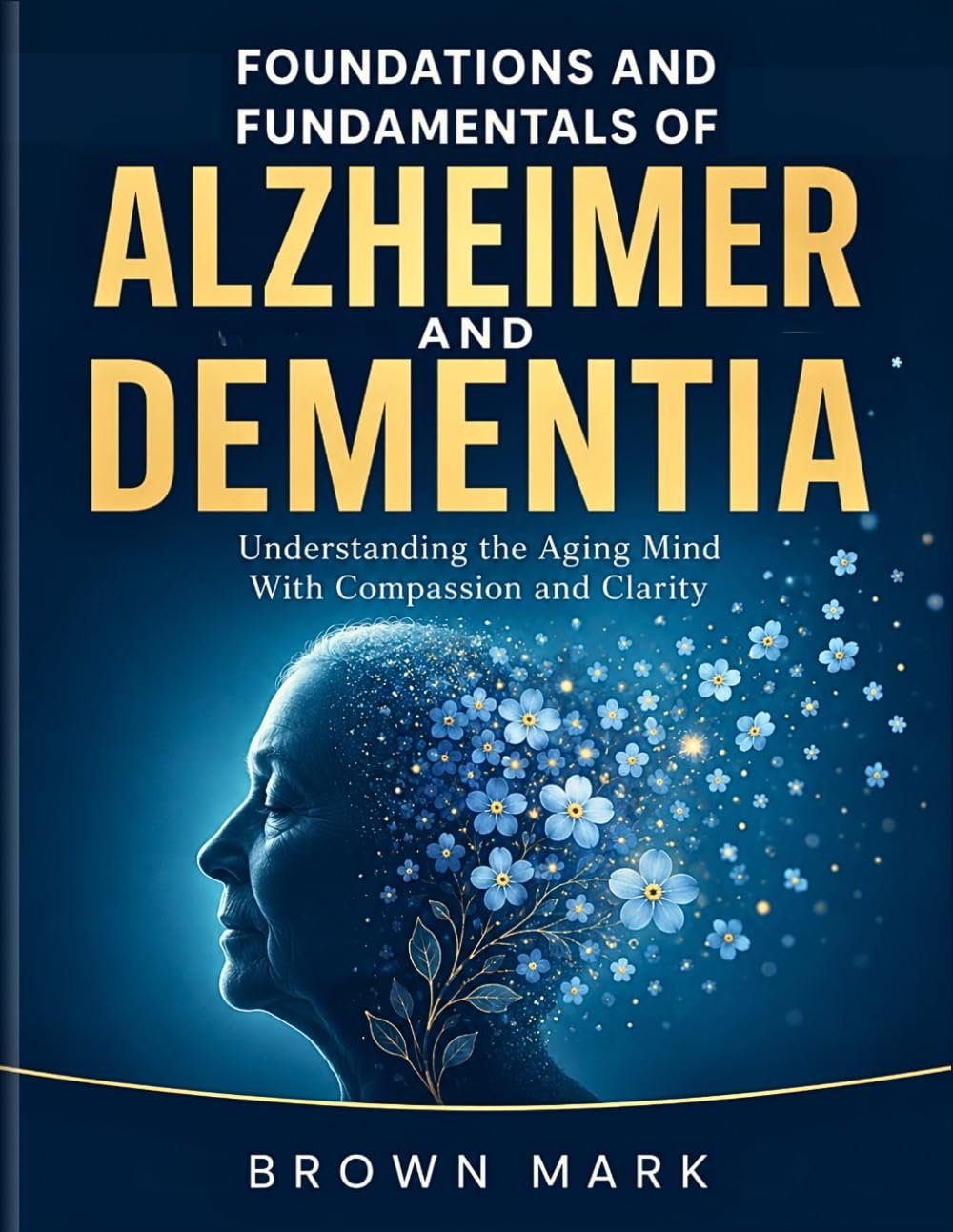
Book Review: FOUNDATIONS AND FUNDAMENTALS OF ALZHEIMER AND DEMENTIA by Brown Mark
Overview
FOUNDATIONS AND FUNDAMENTALS OF ALZHEIMER AND DEMENTIA is a practical introductory guide for adults, family caregivers, healthcare workers, and anyone concerned about memory loss, cognitive decline, and the long-term realities of dementia care. The book positions itself as both an educational resource and an emotional lifeline, aiming to help readers recognize warning signs, understand the disease process, and prepare for the difficult decisions that often accompany Alzheimer’s and dementia.
Its greatest value is accessibility. Rather than presenting dementia as a distant medical topic, Brown Mark frames it as an urgent family and public-health issue that requires awareness, planning, and compassion.
Synopsis
The book explains Alzheimer’s disease and dementia in clear,
nontechnical language, beginning with early symptoms that many people overlook. It discusses how memory loss and cognitive decline develop, what risk factors may contribute to brain-health changes, and why early recognition can make an important difference for families.
A significant portion of the book appears to focus on prevention, preparedness, and caregiving. Readers are guided through lifestyle habits that may support brain health, the emotional toll dementia places on families, and practical strategies for reducing caregiver stress. The book also addresses diagnosis, treatment options, daily care, and long-term planning, making it useful not only at the point of diagnosis but throughout the caregiving journey.
Key Themes
The central theme is that knowledge reduces fear. Dementia often
arrives with confusion, denial, and emotional distress, and this book encourages readers to become informed before crisis forces decisions.
Another major theme is early awareness. Brown Mark emphasizes the importance of recognizing subtle changes before they become severe, helping families distinguish ordinary forgetfulness from symptoms that may require medical evaluation.
Caregiving is also a key focus. The book acknowledges that dementia affects entire families, not just the person diagnosed. It highlights patience, planning, emotional resilience, and dignity as essential parts of effective care.
Finally, the book stresses hope without minimizing reality. It does not promise easy answers, but it presents education, lifestyle choices, support, and preparation as meaningful tools in facing Alzheimer’s and dementia.
Writing Style
The writing style is direct, compassionate, and motivational. The promotional description suggests a book written for everyday readers rather than specialists, with complex medical ideas simplified into practical guidance.
The tone is urgent but supportive. Brown Mark uses emotionally charged language to capture the seriousness of dementia, while also offering reassurance that families can take constructive steps through education and preparation.
Conclusion
FOUNDATIONS AND FUNDAMENTALS OF ALZHEIMER AND DEMENTIA is best suited for readers who are new to the subject and need a clear, compassionate starting point. It would be
especially useful for adult children of aging parents, spouses of someone showing memory changes, caregivers, and community health educators.
Its strength lies in combining medical basics with practical caregiving guidance and emotional support. Readers looking for a deeply technical clinical reference may need a more advanced medical text, but for families seeking understanding, direction, and preparedness, this book appears to be a valuable and timely resource.
Rating: 4.3 out of 5 stars
|
|
|
|
|
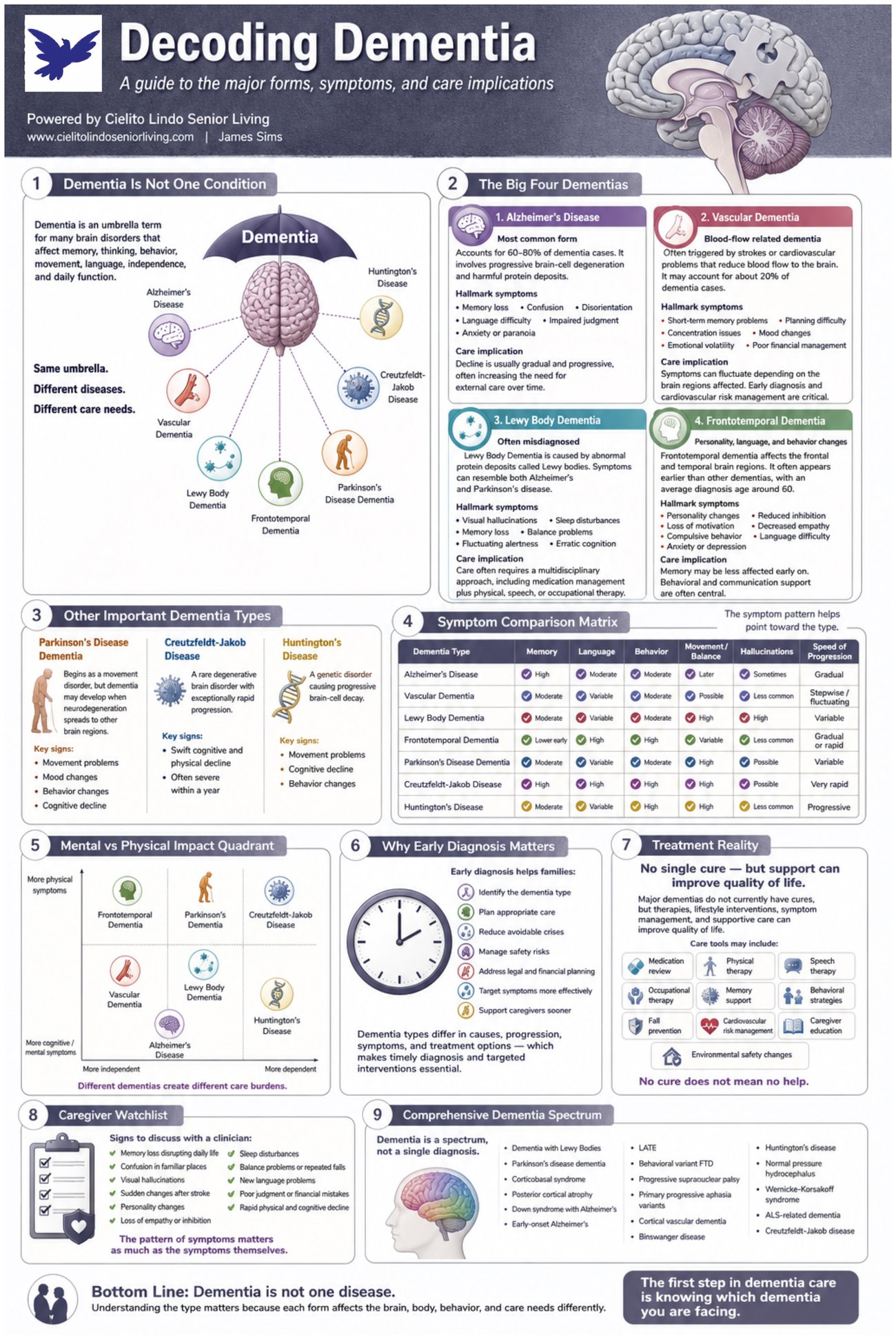
| Infographic: Decoding Dementia
Dementia can look different from one person to the next because it is not one disease, but a broad category of brain disorders with many forms and symptoms. Some types
primarily affect memory, while others may first appear through changes in movement, behavior, language, mood, or judgment. This infographic offers a high-level guide to the major forms of dementia, helping families recognize key differences and understand why the type of dementia matters when planning care and support.
|
|
|
|
|
| Cielito Lindo's basic information is included for your convenience:
|
|
|
- Cielito Lindo Info: After the signature, the newsletter
always includes information about Cielito Lindo, so it is at your fingertips when you want it: Our costs, various related websites, social media channels like YouTube, our various addresses, and so on.
- Travel Info: Recommended airports and shuttles.
- Downloadable Brochure: Click here.
|
|
|
Web Sites - Cielito LIndo and Rancho Los Labradores
Here are our Web sites, including Cielito Lindo and Labradores Suites (hotel) all of which are part of the larger Rancho Los Labradores gated community just north of San Miguel de Allende.
Web Sites - Cielito LIndo and Rancho Los Labradores
Here are our Web sites, including Cielito Lindo and Labradores Suites (hotel) all of which are part of the larger Rancho Los Labradores gated community just north of San Miguel de Allende.
- Cielito Lindo provides independent living, light assisted living, assisted living, memory care and hospice with 24*7 staffing along with a la carte assisted living services to those living in the villas and suites at Rancho Los Labradores.
- Rancho Los Labradores Suites offer short and long term residence.
- Rancho Los Labradores is a country club resort feeling CCRC that provides a gated community with countless amenities and opportunities for different levels of independent living along with assisted living and memory care within Cielito Lindo.
Cielito Lindo Living Options & Costs Guide
We offer several living options depending on the level
of care you or your loved one needs. Here’s a breakdown to help you plan:
1) Villas (Rent or Own)
- Cost: $1,700 – $2,000 per month
- Additional Costs: Utilities, renter’s insurance, etc.
- What’s Included: This is mostly independent living.
- Extras: You can add independent or assisted living services (charged separately, à la carte).
- Support: We can connect you with a realtor if you'd like to purchase.
2) Cielito Lindo Condos & Suites
Best for: Independent living with optional assistance.
Option 1: Independent Living + Meals
- Cost: $2,250 per month
Includes:- 2 meals a day
- Hotel like room cleaning, towel and linen service
- Monthly medical check-up
Optional Add-ons:- Meals for an additional person: $450/month
- Extra care services available à la carte
Option 2: Light-Assisted Living in Condos & Suites
- Cost: $3,900 per month
Includes:- Full assisted living services
- Designed for residents who still want independence but need some support
- Smooth transition to full Assisted Living or Memory Care as needs change
- One-Time Inscription Fee: $4,000
For Couples:- $4,900/month for two people
- Same one-time fee ($4,000 per couple)
- Note: Suitability is based on cognitive ability, mobility, and safety.
3) Cielito Lindo Assisted Living, Memory Care, & Hospice
Best for: Seniors needing full-time care and supervision.
- Cost: $3,900 per month
Includes:- 24/7 care and monitoring
- All meals
- Physical therapy
- Full-time doctor on site
- Spacious private room with
bath
- One-Time Inscription Fee: $4,000
- For Couples:
- $5,400/month for two people (only one needs care)
- $6,900/month for two people (both need care)
- Same one-time fee ($4,000 per couple)
- Note: Suitability is based on cognitive ability, mobility, and safety.
4) Specialized Hospice Suite
Best for: Intensive care needs or end-of-life comfort and also recuperative at a far lower cost than a hospital- Cost: $4,900 per month
Includes:- Full 24/7 monitoring
- Recuperative, Palliative and hospice care
- On-site doctor
- All meals
- Special space for visiting family
|
|
|
YouTube videos and Curated Playlists
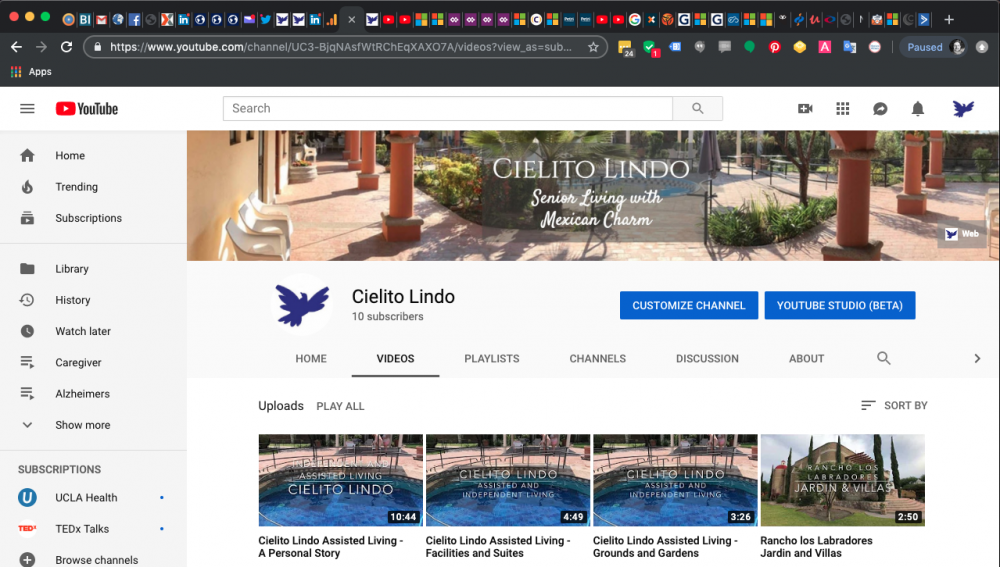
Here is our YouTube Channel. This is where we have lots of videos about Cielito Lindo and Rancho Los Labradores. We also have 1,600+ other senior care and expat in Mexico videos: YouTube |
|
|
|
|
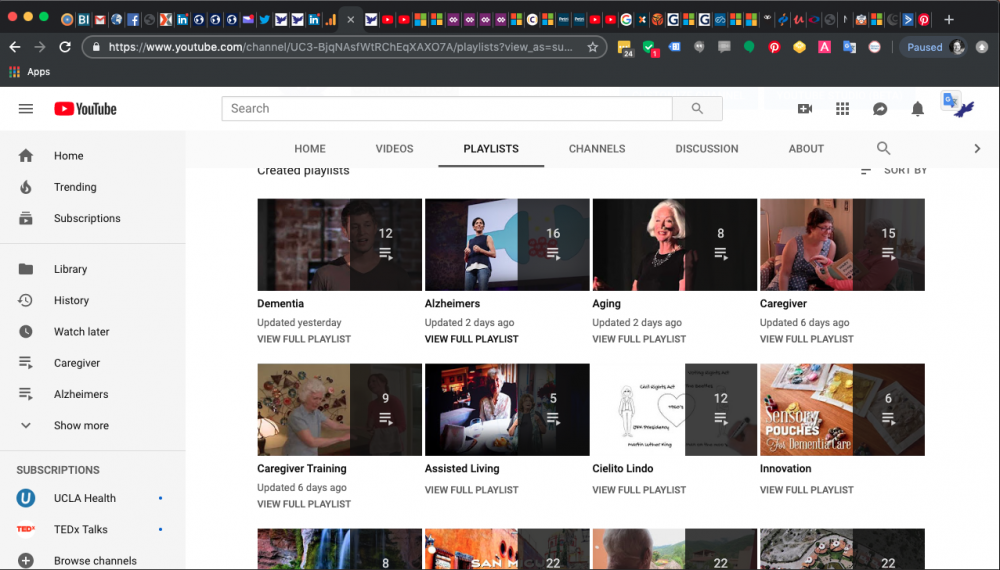
Additionally, our playlists cover a wide area and include 1,200+ videos. These playlists include videos about San Miguel and Mexico in general, caregiving and health, and a broad spectrum of senior living topics. Playlists
|
|
|
|
|
Additional Resources We Offer
We have curated collections of resources that may be useful:
Articles - We write fresh articles about senior living, health, care, and finances every week
Caregiver
Books - We review books related to caregiving methods, logistics, challenges, and coping
Senior Health - We review books related to healthspan, lifespan, and disease
And here are our various social media forums, where we talk a lot about assisted living and memory care along with the various sort of challenges that sometimes come in our senior years (Alzheimer’s, Parkinson other dementias, and so on), but also about senior living in Mexico.
Facebook
|
|
|
|
|
|
|
|
|
|
|
Please don’t hesitate to contact me for anything related to senior living, especially in Mexico. I will gladly give you any assistance I can.
Thanks again!
James
James Sims
Marketing and Sales
Cielito Lindo Senior Living
1. 888.406.7990 (Voice and text)
1.209.312.0555 (WhatsApp)
Phones:
English speaking:
1.888.406.7990 (in US & CDN)
00.1.881.406.7990 (in MX)
Spanish speaking:
011.52.415.101.0201 (in US & CDN)
1.415.101.0201 (in MX)
SMA Colonias (subdivisions/neighborhoods):
Map and descriptions
Addresses and Travel:
Physical address:
Cielito Lindo Independent and Assisted Living, Camino Real Los Labradores S/N, Rancho Viejo 1, San Miguel de Allende, GTO, Mexico, 37885
Packages from online providers like Amazon:
Camino Real Los Labradores, Rancho Los Labradores / Cielito Lindo, San Miguel de Allende, GTO, 37880 México
PO Box for letters and small envelopes:
Rancho Los Labradores / Cielito Lindo, c/o Alejandra Serrano , PMB N° 515-C,
220 N Zapata HWY N°11, Laredo TX, 78043-4464
Air:
Best airports to fly into: Leon (BJX) or Queretaro (QRO)
Shuttle:
Best
airport shuttle: BajioGo
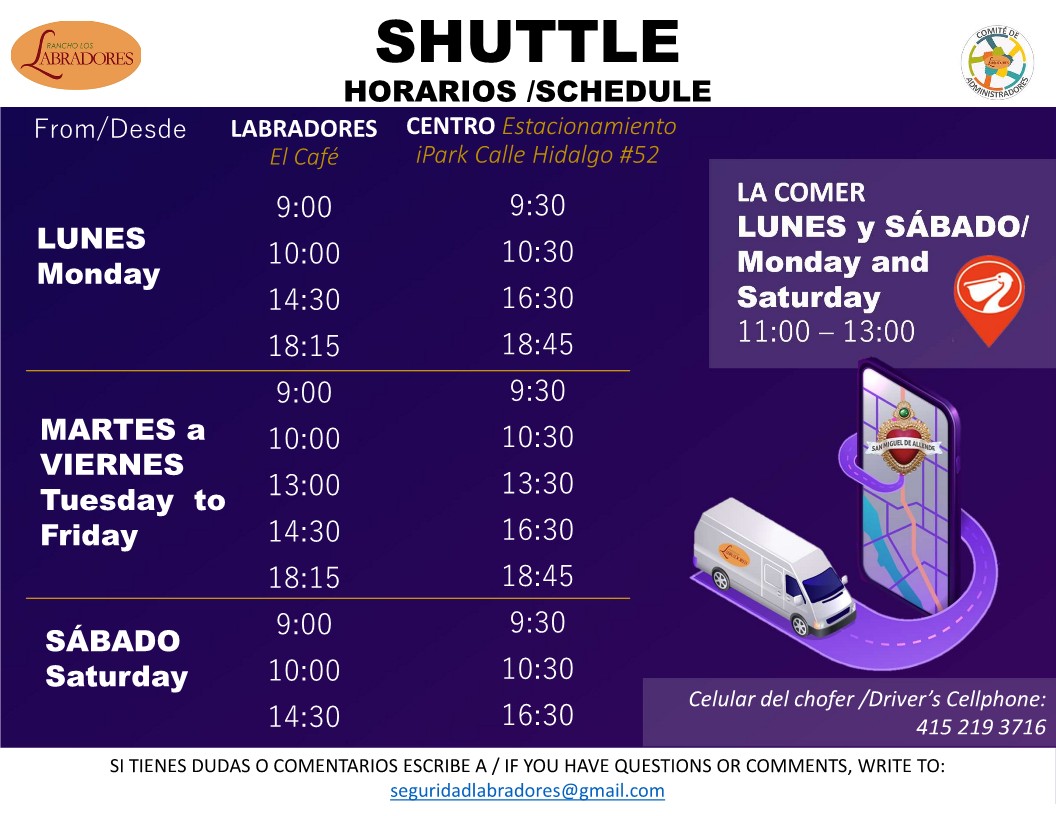
Shuttle between San Miguel and Rancho Los Labradores / Cielito Lindo
|
|
|
|
|
|
|
|
|
|
|