|
|
Dear ,
This is your weekly summary of our news, research, books, videos, and other resources related to senior living, retirement, and care in Mexico, along with independent and assisted living and information about age-related challenges (e.g., limited mobility, dementia, Alzheimer's, Parkinson's, ALS, stroke, multiple sclerosis, healthspan, and so on).
I hope you are finding this weekly newsletter helpful, and if you know of someone who may also find this information helpful, please forward it to them. They can subscribe using our Web Newsletter page (click here). If, for any reason, you do not wish to receive this weekly newsletter any longer, there is a simple 'Unsubscribe' or 'Opt Out' link at the bottom right corner of this newsletter and also right here: Unsubscribe
This weekly newsletter typically includes information in each of the following categories: San Miguel insights, senior care, and health information, as well as Cielito Lindo basic information.
Here’s what we typically cover each week:
- San Miguel de Allende highlights – why this is such a special place to live
- Health & wellness insights – articles, videos, and expert reviews
- Care options & community life at Cielito Lindo – flexible, affordable living with a warm, human touch
This Week’s Theme:
This week’s newsletter explores the underlying factors behind why nearly two-thirds of people living with Alzheimer’s are women.
|
|
|
|
|
| Weekly insights into San Miguel:
|
|
|
- Colorful and Epicurean San Miguel - This is such an amazing place,
particularly the food and the colors. Although we are addressing a topic that is stressful, challenging, and emotional, we should also acknowledge what an incredible place San Miguel is.
|
|
|
|
|
The Colors of San Miguel: Jaguar Woman
Feathers arrive before you even notice the dancer.
They sweep through the air in wide amber arcs — black, gold, and ivory catching the sunlight like small flames. At their center moves a Jaguar Woman, her shoulders draped in spotted pelt, the great headdress rising and spilling outward with every step.
The street seems to shift around her.
Shells tied at her ankles rattle in a steady rhythm — chhk, chhk, chhk — a dry percussion against the cobblestones. The feathers bend and sway, whispering as they slice through the warm air.
She doesn’t look at the crowd.
Her gaze stays somewhere deeper, somewhere older — as if the dance belongs to another time and this narrow street is only borrowing it for a moment.
Color flashes. Feathers flare. The jaguar moves forward.
And for a few breaths, the city remembers something ancient.
(Photo courtesy of San Miguel photographer - Sam Perez)
|
|
|
|
|
Restaurant Review: La Única San Miguel de Allende Diez de Sollano y Dávalos 14, Centro, San Miguel de Allende, Guanajuato, C.P. 37700. Tel. +52 415 688 1390. Website: launica.mx/sma/
Days and Hours: Generally open daily from about 1:00 p.m. until late evening (often midnight or slightly later on weekends). Hours can vary seasonally.
Atmosphere: La Única delivers a stylish, high-energy environment that feels modern and polished while still embracing the lively spirit of a Mexican cantina. The space blends contemporary design with warm textures and open-air elements typical of San Miguel’s Centro dining scene. Expect a vibrant crowd, music, and a social buzz—this is a place where dinner often feels like the start of the evening rather than the quiet end of the day.
Service: Service tends to be attentive and well-coordinated, reflecting a restaurant that understands hospitality at a professional level. Staff are generally knowledgeable about the menu and cocktails, and the pacing works well for the shared-plate style the kitchen encourages.
Cuisine: Contemporary Mexican cantina cuisine with a strong focus on “mar y tierra”—seafood and grilled meats. The menu blends coastal Mexican influences with northern-style grilling, resulting in dishes that are bold, indulgent, and designed for sharing.
Signature Dish: Bone marrow with machaca or the rib eye aguachile—both exemplify La Única’s style: dramatic presentation, rich flavors, and a touch of culinary swagger.
Starters: Fresh guacamole prepared tableside, shrimp sopes al pastor, short rib croquettes, grilled artichokes, and mushroom barbacoa are strong opening options. The bone marrow dishes are particularly memorable and popular.
Main Courses: Expect hearty grilled selections and seafood-forward plates. The kitchen excels when leaning into robust, fire-driven flavors—think grilled meats, rich sauces, and satisfying portions designed to anchor a lively meal.
Desserts: Desserts serve as a refined but secondary act. While pleasant and well executed, they function more as a sweet finish than the central attraction of the menu.
Wine and Cocktails: Cocktails are a highlight. The bar program leans into tequila and mezcal-based drinks alongside classic cocktails and a respectable wine list. The lively bar and terrace make it an appealing destination for drinks even if you’re not settling in for a full dinner.
Final Thoughts: La Única brings a fashionable, celebratory energy to San Miguel’s dining scene. It’s a place for cocktails, conversation, and bold Mexican flavors rather than quiet culinary introspection. The restaurant feels designed for groups, celebrations, and visitors who want both a great meal and a bit of atmosphere with it. This review reflects a relatively new entrant to the San Miguel dining landscape, and the restaurant is still establishing its long-term reputation in the city’s highly competitive culinary
scene.
Cost: $$$$
Rating: ★★★★☆
|
|
|
|
|
| Information related to Mexico, senior care and health:
|
|
|
- Lead article - These are articles specifically written for you each week. They address a wide range of
relevant topics, such as factors that can increase your health and lifespan, diagnostics, understanding causal factors for Alzheimer's and other dementias, and so on. The lead article typically sets the tone for the core content of the newsletter (videos and book reviews). On occasion, the focus may be centered on Mexico, Pueblos Magicos, and San Miguel de Allende.
- Caregiver's Sentiment
- This quote typically honors what we, as caregivers, are going through and feeling.
- Caregiver's Affirmation - This affirmation bolsters our self care, our image or ourselves on this journey and our ability to endure.
- Videos - Typically, three videos are related to the lead article, and they include a summary and timestamped highlights.
- Book Review - Typically related to the lead article.
|
|
|
|
|
Alzheimer’s Disease, Women, and the Midlife Inflection Point
Alzheimer’s disease is often framed as the unavoidable consequence of growing old — a condition that simply arrives with time. But that explanation, while convenient, tells only part of the story. Women account for nearly two-thirds of Alzheimer’s cases, a disparity commonly attributed to longer life expectancy. Longevity certainly plays a role, yet it does not fully explain why the burden of the disease falls so heavily on women.
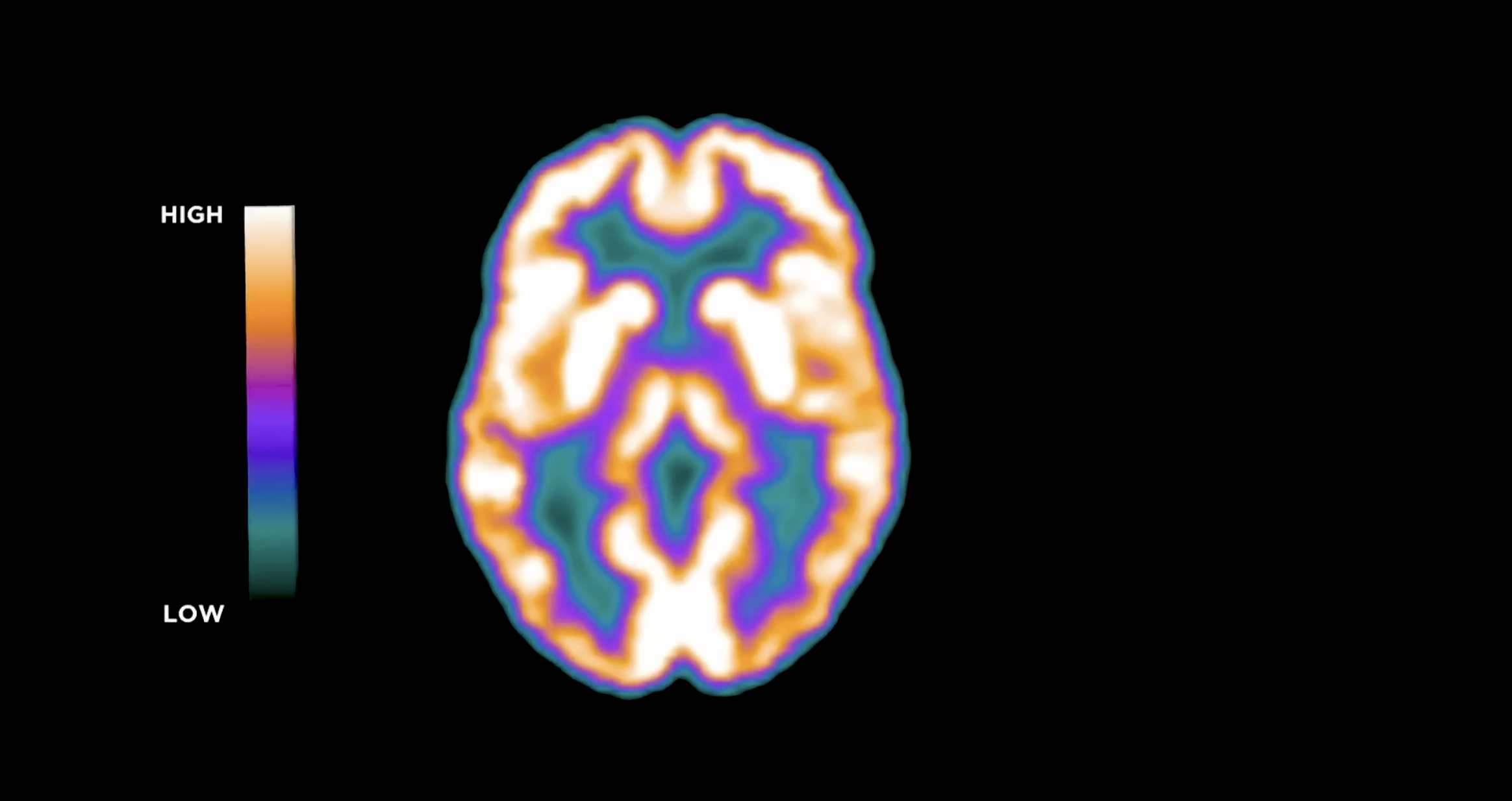
Increasingly, researchers are looking earlier in life for answers. Alzheimer’s is now understood as a disease that develops slowly over decades, long before memory problems appear. In fact, the biological groundwork for cognitive decline may begin in midlife — or even earlier — as subtle changes accumulate in brain metabolism, vascular health, and cellular resilience. As one neuroscientist put it, the disease that ultimately emerges in our seventies may have begun quietly in our thirties.
For women, one of the most significant biological transitions occurs during perimenopause and menopause. As estrogen levels fluctuate and eventually decline, the brain undergoes measurable changes in energy use, temperature
regulation, sleep patterns, and cellular signaling. These shifts do not cause Alzheimer’s on their own. But they may influence whether the brain becomes more resilient — or more vulnerable — to the processes that drive neurodegeneration.
If Alzheimer’s unfolds over decades rather than years, then midlife may be where the story meaningfully begins. Understanding what happens in the brain during this period — particularly for women — may be one of the most important frontiers in preventing the disease long before its symptoms appear.
You can access the full article here. Additionally, we have 100s of senior health and care-related articles (over 650,000 words) available here.
|
|
|
|
|
Caregivers' Sentiment: We Must Not Marginalize Women Specific Health Needs
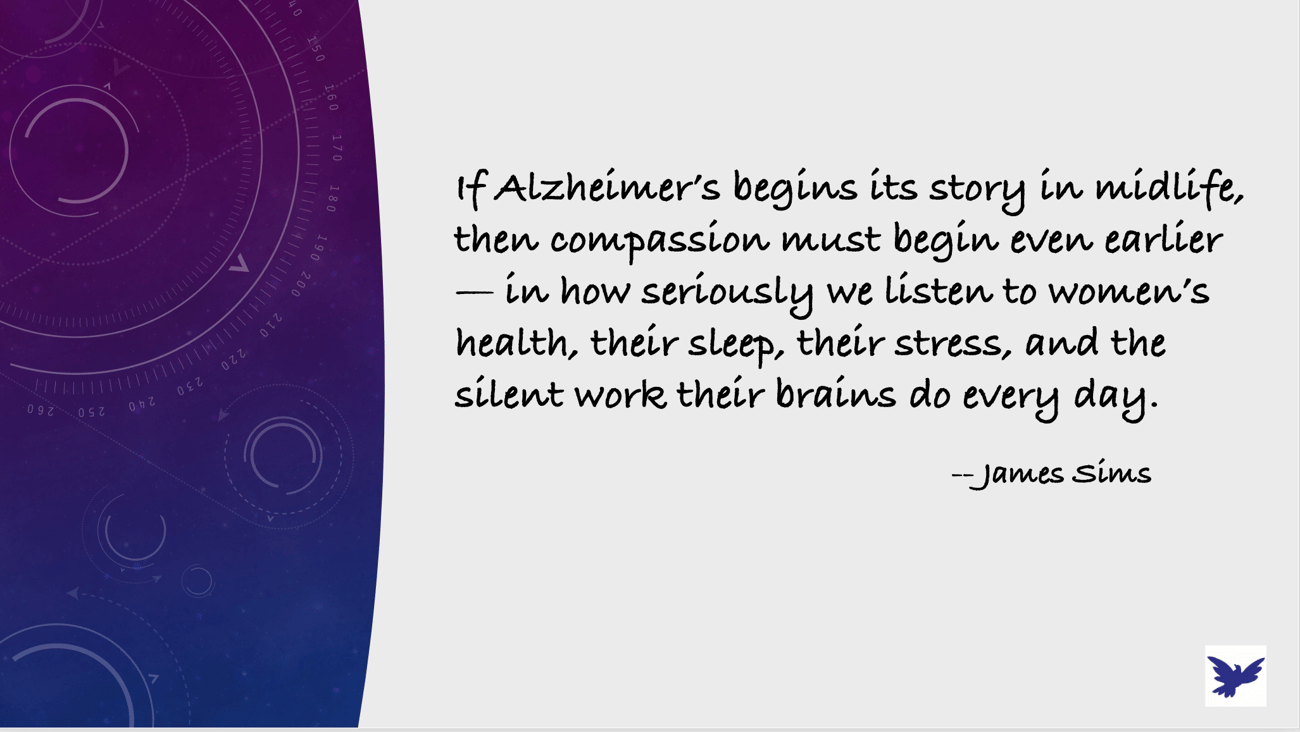
This quote speaks to more than Alzheimer’s alone; it points to a larger failure in how medicine has often treated women’s health. If the roots of Alzheimer’s may extend back into midlife, then the symptoms and changes women experience during those years should not be brushed aside as incidental, exaggerated, or merely hormonal. Too often, women’s sleep disruption, stress, cognitive changes, and other health concerns are marginalized rather than investigated with the seriousness they deserve. The quote argues that compassion means listening earlier, looking deeper, and refusing to dismiss what women are experiencing in their own bodies and minds.
In that way, the quote is also a quiet indictment of a medical culture that has not always centered women’s specific health needs. “Compassion must begin even earlier” means more than personal kindness; it suggests a change in attention, research, and care. It calls for a response that recognizes women’s midlife health as significant in its own right, not as secondary or peripheral. By invoking “the silent work their brains do every day,” the quote honors what has too often gone unseen—not just the burden women carry, but the cost of not taking that burden seriously soon enough.
|
|
|
|
|
Caregiver's Affirmation
This affirmation speaks with quiet strength against a long history of women being dismissed when they describe what is happening in their own bodies and minds. In the context of Alzheimer’s, it becomes especially meaningful because women make up a disproportionate share of those living with the disease, yet women’s health concerns have too often been minimized, delayed, or treated as secondary. To say, “I deserve to be heard when I speak about my health, my sleep, my stress, and my needs,” is to insist that these experiences are not peripheral details. They matter. They may be part of a much larger story about brain health, risk, and the ways women carry
invisible burdens for years before anyone names them.
The affirmation is powerful because it turns what is often framed as a medical issue into a matter of dignity and voice. It rejects the idea that women should quietly endure exhaustion, disrupted sleep, chronic stress, cognitive changes, or emotional strain without being taken seriously. In this context, being heard is not just about comfort; it is about prevention, recognition, and justice. The affirmation becomes a declaration that women deserve careful attention not only after a diagnosis, but much earlier, when their concerns first arise and when listening may matter most.
|
|
|
|
|
Video:What Every Woman MUST KNOW to PREVENT Alzheimer’s | Neuroscientist Lisa Mosconi X Rich Roll Podcast
In this podcast, neuroscientist Lisa Mosconi discusses the unique risks women face regarding Alzheimer's disease, particularly during
and after menopause. She emphasizes that hormonal changes significantly affect brain health, leading to cognitive decline. Mosconi highlights the importance of understanding genetic predispositions while also stressing that lifestyle choices, such as diet and exercise, can mitigate risks. The conversation explores how menopause is not merely a biological transition but also a period that can enhance emotional intelligence and empathy in women. Ultimately, Mosconi encourages women to take proactive steps in maintaining brain health, underscoring the power of lifestyle in influencing cognitive outcomes.
Mosconi emphasizes the significance of a balanced diet rich in antioxidants and the role of exercise in maintaining cognitive health, particularly during menopause. She discusses the complexities of hormone replacement therapy and its potential benefits for brain function. The conversation also highlights the impact of sleep disruption on cognitive performance and the necessity of scientific understanding in navigating menopause. Overall, proactive lifestyle choices are crucial for women to mitigate risks associated with cognitive
decline.
View the video here. https://www.youtube.com/watch?v=n_4xNTKqRFI&list=PLmB2dHqb_WqAgWiTgLgR4TUnirH0I2jvE&index=174
Highlights:0:41 - Menopause is a riddle that can impact cognitive health.5:06 - Discussing the risk of cognitive impairment and dementia in women.7:38 - Alzheimer's disease affects women more than men, highlighting the need for research.19:57 - Hormonal changes during menopause can influence brain health.22:29 - Stress and lifestyle factors play a significant role in cognitive decline.30:06 - Genetic predisposition to Alzheimer's varies, but lifestyle can delay onset.39:06 - Neuroendocrine transitions during menopause affect cognitive functions.44:10 - Postmenopausal women may experience greater empathy and emotional regulation.49:58 - ATP is crucial for brain metabolism and energy
levels.1:06:29 - Lifestyle choices significantly impact brain health and cognitive decline.1:14:24 - The brain needs a balanced diet, emphasizing greens and lean proteins.1:17:35 - Importance of antioxidants in fruits like apples and blackberries for brain health.1:21:02 - Nutrient deficiencies can affect cognitive function; moderation in supplementation is key.1:29:48 - Exercise, particularly strength training, has a significant impact on cognition.1:34:39 - Hormone replacement therapy can benefit women, especially regarding brain health.1:39:20 - Estrogen replacement has shown a huge impact on brain function and dementia relief.1:45:01 - Studies show mixed results on hormone therapy's effect on Alzheimer's risk.1:55:54 - A healthy diet and exercise can reduce the
risk of early menopause.2:01:08 - Sleep disruption is common during menopause, affecting overall health.2:19:48 - The importance of scientific publications in understanding menopause and brain health.
|
|
|
|
|
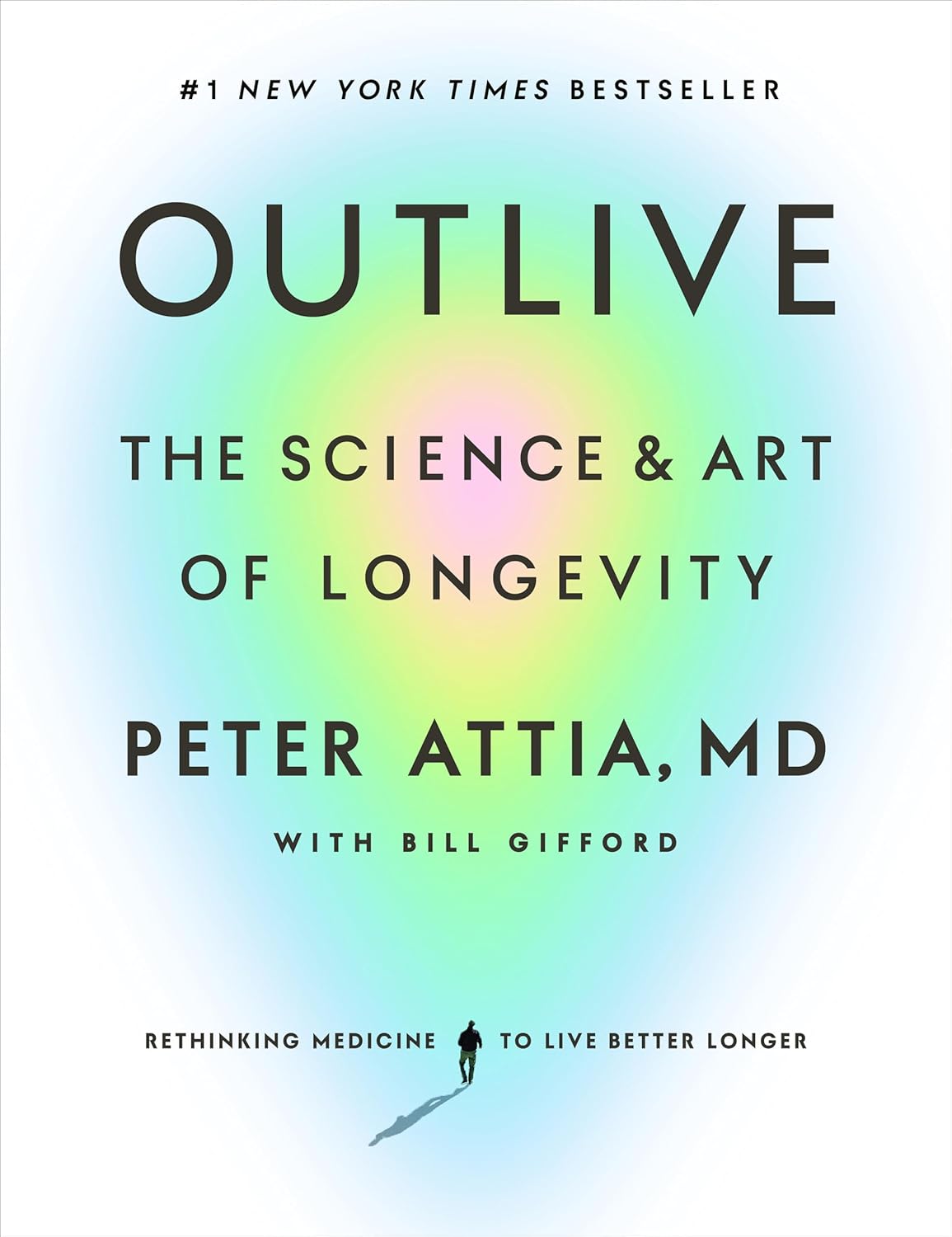
Book Review: The XX Brain: The Groundbreaking Science Empowering Women to Maximize
Cognitive Health and Prevent Alzheimer’s Disease by Dr. Lisa MosconiNarrated by Brittany Pressley (Audiobook)
Foreword by Maria Shriver
Overview
Dr. Lisa Mosconi’s The XX Brain explores the science of women’s brain health and why women face a significantly higher risk of Alzheimer’s disease and other neurological conditions. As director of the Women’s Brain Initiative at Weill Cornell Medical College, Mosconi brings together neuroscience, endocrinology, nutrition, and preventive medicine to explain how women’s brains differ biologically from men’s.
The book argues that medical research has historically overlooked these differences, leading to gaps in treatment and prevention strategies. Mosconi aims to correct this imbalance by providing science-based guidance tailored specifically for women. For older readers, caregivers, and those concerned about cognitive aging, the book offers both explanation and practical lifestyle advice. 🧠📚
Synopsis
Mosconi begins by explaining why women are disproportionately affected by Alzheimer’s disease and other neurological disorders. She links this risk to biological factors such as genetics, hormones (especially estrogen), and metabolic differences in the female brain.
The book then explores key life stages that affect brain health—puberty, pregnancy, and particularly menopause. According to Mosconi, hormonal changes during menopause can significantly influence cognitive function and long-term brain health.
From there, she presents preventive strategies, including:
- Nutrition plans designed to support the female brain
- Stress-management techniques
- Sleep optimization
- Physical activity recommendations
- Environmental toxin awareness
- Guidance on hormone replacement therapy (HRT) and soy consumption
- The importance of the gut microbiome for neurological health
Mosconi emphasizes that brain health is deeply connected to overall health and that lifestyle changes—even later in life—can improve cognitive
resilience.
Key Themes
- Women’s Brain BiologyThe book highlights the unique structure and function of the female brain, including how two X chromosomes and estrogen influence neurological health.
- Alzheimer’s Risk in WomenWomen account for nearly two-thirds of Alzheimer’s cases. Mosconi explains why this occurs and how risk factors can be reduced.
- Hormones and MenopauseEstrogen plays a critical role in brain metabolism, mood regulation, and memory. The book examines the neurological effects of hormonal shifts.
- Prevention Through LifestyleDiet, exercise, sleep, and stress management are presented as powerful tools for maintaining cognitive health.
- Environmental and Metabolic FactorsMosconi also discusses toxins, inflammation, and gut health as emerging areas influencing brain
aging.
Writing Style
Mosconi writes in an accessible yet research-driven style. She translates complex neuroscience into language understandable for general readers while still citing scientific studies. The tone is empowering rather than alarmist, encouraging women to take proactive steps toward brain health.
In the audiobook version, narrator Brittany Pressley delivers the material clearly and engagingly, helping listeners absorb the scientific concepts without feeling overwhelmed.
Conclusion
The XX Brain is an important contribution to women’s health literature and a valuable resource for anyone interested in preventing cognitive decline. It is especially relevant for women approaching midlife or retirement who want to understand how hormonal changes influence brain aging.
While some recommendations may require further research as the field evolves, Mosconi successfully shines a spotlight on a long-neglected topic: the female brain. The book empowers readers with knowledge and practical strategies to maintain cognitive vitality throughout life.
Rating: ⭐⭐⭐⭐½ (4.5/5)
Note: It is worthwhile to note that there are almost no books on this subject, which illustrates how women's health continues to be marginalized.
Additional
Resources We Offer
We have curated collections of resources that may be useful:
Articles - We write fresh articles about senior
living, health, care, and finances every week
Caregiver Books - We review books related to caregiving
methods, logistics, challenges, and coping
Senior Health - We review books related to healthspan, lifespan, and disease
|
|
|
|
|
| Cielito Lindo's basic information is included for your convenience:
|
|
|
- Cielito Lindo Info: After the signature, the newsletter always includes information about Cielito Lindo, so it is at your fingertips when you want it: Our costs, various related websites, social media channels like YouTube, our various addresses, and so on.
- Travel Info: Recommended airports and shuttles.
|
|
|
Web Sites - Cielito LIndo and Rancho Los Labradores
Here are our Web sites, including Cielito Lindo and Labradores Suites (hotel) all of which are part of the larger Rancho Los Labradores gated community just north of San Miguel de Allende.
Web Sites - Cielito LIndo and Rancho Los Labradores
Here are our Web sites, including Cielito Lindo and Labradores Suites (hotel) all of which are part of the larger Rancho Los Labradores gated community just north of San Miguel de Allende.
- Cielito Lindo provides independent living, light assisted living, assisted living, memory care and hospice with 24*7 staffing along with a la carte assisted living services to those living in the villas and suites at Rancho Los Labradores.
- Rancho Los Labradores Suites offer short and long term residence.
- Rancho Los Labradores is a country club resort feeling CCRC that provides a gated community with countless amenities and opportunities for different levels of independent living along with assisted living and memory care within Cielito Lindo.
Cielito Lindo Living Options & Costs Guide
We offer several living options depending on the level
of care you or your loved one needs. Here’s a breakdown to help you plan:
1) Villas (Rent or Own)
- Cost: $1,300 – $1,700 per month
- Additional Costs: Utilities, renter’s insurance, etc.
- What’s Included: This is mostly independent living.
- Extras: You can add independent or assisted living services (charged separately, à la carte).
- Support: We can connect you with a realtor if you'd like to purchase.
2) Cielito Lindo Condos & Suites
Best for: Independent living with optional assistance.
Option 1: Independent Living + Meals
- Cost: $2,250 per month
Includes:- 2 meals a day
- Hotel like room cleaning, towel and linen service
- Monthly medical check-up
Optional Add-ons:- Meals for an additional person: $450/month
- Extra care services available à la carte
Option 2: Light-Assisted Living in Condos & Suites
- Cost: $3,900 per month
Includes:- Full assisted living services
- Designed for residents who still want independence but need some support
- Smooth transition to full Assisted Living or Memory Care as needs change
- One-Time Inscription Fee: $4,000
For Couples:- $4,900/month for two people
- Same one-time fee ($4,000 per couple)
- Note: Suitability is based on cognitive ability, mobility, and safety.
3) Cielito Lindo Assisted Living, Memory Care, & Hospice
Best for: Seniors needing full-time care and supervision.
- Cost: $3,900 per month
Includes:- 24/7 care and monitoring
- All meals
- Physical therapy
- Full-time doctor on site
- Spacious private room with
bath
- One-Time Inscription Fee: $4,000
- For
Couples: $4,900/month
4) Specialized Hospice Suite
Best for: Intensive care needs or end-of-life comfort and also recuperative at a far lower cost than a hospital- Cost: $4,900 per month
Includes:- Full 24/7 monitoring
- Recuperative, Palliative and hospice care
- On-site doctor
- All meals
- Special space for visiting family
|
|
|
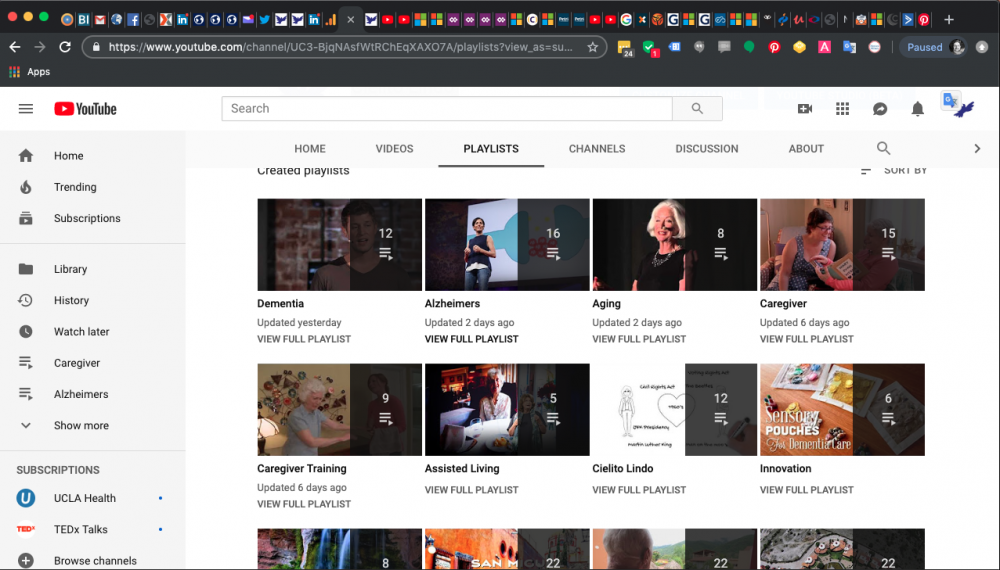
YouTube videos and Curated Playlists
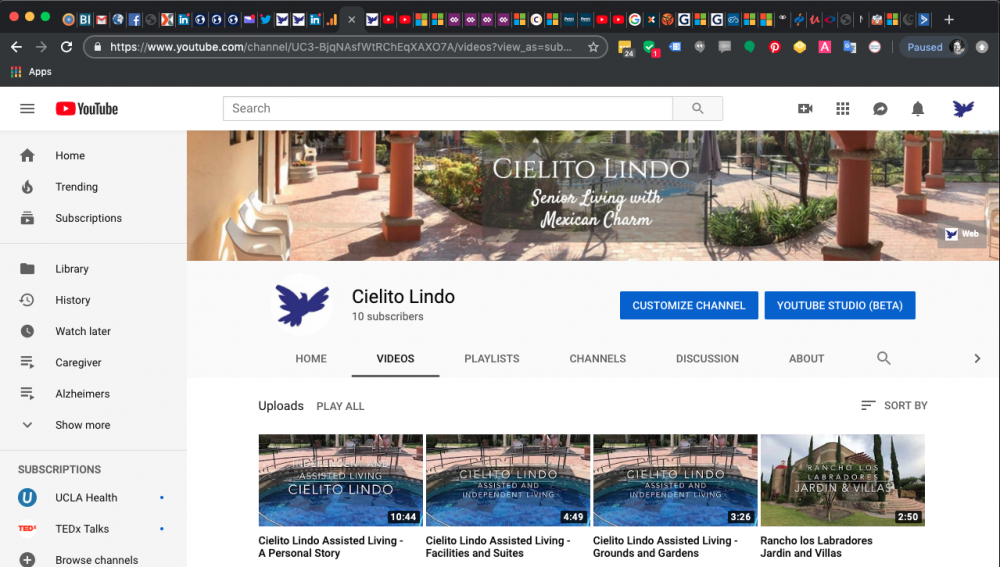
Here is our YouTube Channel. This is where we have lots of videos about Cielito Lindo and Rancho Los Labradores. We also have 1,600+ other senior care and expat in Mexico videos: YouTube |
|
|
|
|
Additionally, our playlists cover a wide area and include 1,200+ videos. These playlists include videos about San Miguel and Mexico in general, caregiving and health, and a broad spectrum of senior living topics. Playlists
|
|
|
|
|
Additional Resources We Offer
We have curated collections of resources that may be useful:
Articles - We write fresh articles about senior living, health, care, and finances every week
Caregiver
Books - We review books related to caregiving methods, logistics, challenges, and coping
Senior Health - We review books related to healthspan, lifespan, and disease
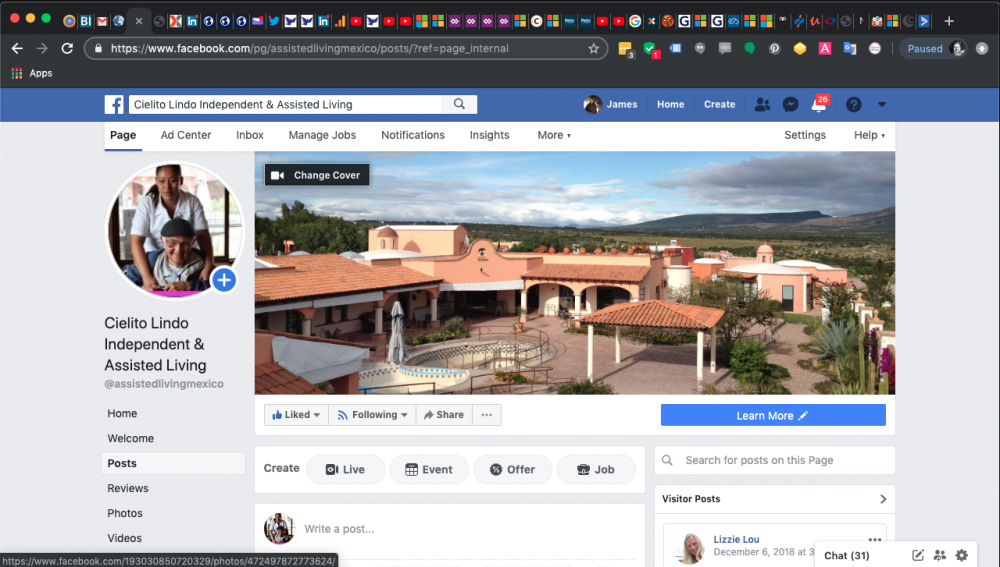
And here are our various social media forums, where we talk a lot about assisted living and memory care along with the various sort of challenges that sometimes come in our senior years (Alzheimer’s, Parkinson other dementias, and so on), but also about senior living in Mexico.
Facebook
|
|
|
|
|
|
|
|
|
|
|
Please don’t hesitate to contact me for anything related to senior living, especially in Mexico. I will gladly give you any assistance I can.
Thanks again!
James
James Sims
Marketing and Sales
Cielito Lindo Senior Living
1. 888.406.7990 (Voice and text)
1.209.312.0555 (WhatsApp)
Phones:
English speaking:
1.888.406.7990 (in US & CDN)
00.1.881.406.7990 (in MX)
Spanish speaking:
011.52.415.101.0201 (in US & CDN)
1.415.101.0201 (in MX)
SMA Colonias (subdivisions/neighborhoods):
Map and descriptions
Addresses and Travel:
Physical address:
Cielito Lindo Independent and Assisted Living, Camino Real Los Labradores S/N, Rancho Viejo 1, San Miguel de Allende, GTO, Mexico, 37885
Packages from online providers like Amazon:
Camino Real Los Labradores, Rancho Los Labradores / Cielito Lindo, San Miguel de Allende, GTO, 37880 México
PO Box for letters and small envelopes:
Rancho Los Labradores / Cielito Lindo, c/o Alejandra Serrano , PMB N° 515-C,
220 N Zapata HWY N°11, Laredo TX, 78043-4464
Air:
Best airports to fly into: Leon (BJX) or Queretaro (QRO)
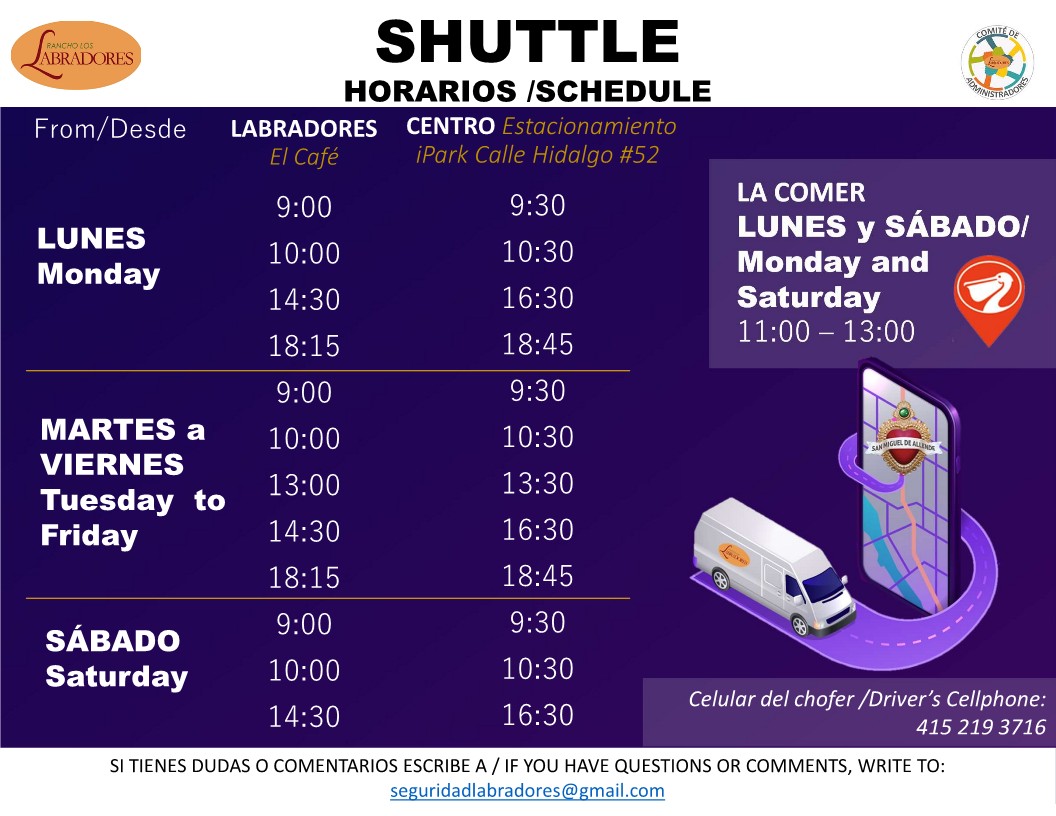
Shuttle:
Best
airport shuttle: BajioGo
Shuttle between San Miguel and Rancho Los Labradores / Cielito Lindo
|
|
|
|
|
|
|
Regards,
James
James Sims
Marketing and Sales
Cielto LIndo Senior Living
jsims.cielitolindo@gmail.com
|
|
|
|
|
|
|
|