|
|
Dear ,
Welcome to our weekly collection of news, research, articles, books, videos, and creative resources about senior living, retirement, and care in Mexico. We explore independent and assisted living, ways to extend our healthy years, and the challenges of living with conditions such as dementia, Alzheimer’s, Parkinson’s, limited mobility, and other complex care needs.
Each week, I write articles, research hotels and restaurants, share quotes and affirmations, annotate YouTube videos, and create songs and travel posters. These are my ways of staying connected with you: those planning for later life, those already navigating its challenges, and the families, spouses, partners, and friends who care for them. My hope is to offer useful information, a little encouragement, and opportunities to appreciate the beauty and possibilities that remain at every stage of life.
This week, we consider a deeply personal subject: what happens to our remains after we die. We explore the choices available and the practical, emotional, cultural, and environmental considerations that can help us make decisions consistent with our wishes and values.
Alongside this week’s featured topic, you’ll find our usual mix of:
- San Miguel de Allende highlights: The places, people, food, and culture that make this a special place to live.
- Health and wellness insights: Research, articles, videos, and perspectives on aging well and navigating care.
- Care options and community life at Cielito Lindo: Flexible, affordable living and care with warmth and personal attention.
I hope this newsletter brings something useful and meaningful to your week. If someone you know might appreciate it, please forward it to them. They can subscribe through our newsletter page.
If you prefer to stop receiving these emails, you can unsubscribe at any time using the “Unsubscribe" or “Opt Out” link at the bottom of this newsletter.
Warmly,
James
This Week’s Theme:
This week's newsletter explores the options and considerations for how we handle our or a loved one's remains, after they pass.
|
|
|
|
|
|
Weekly insights into San Miguel:
|
|
|
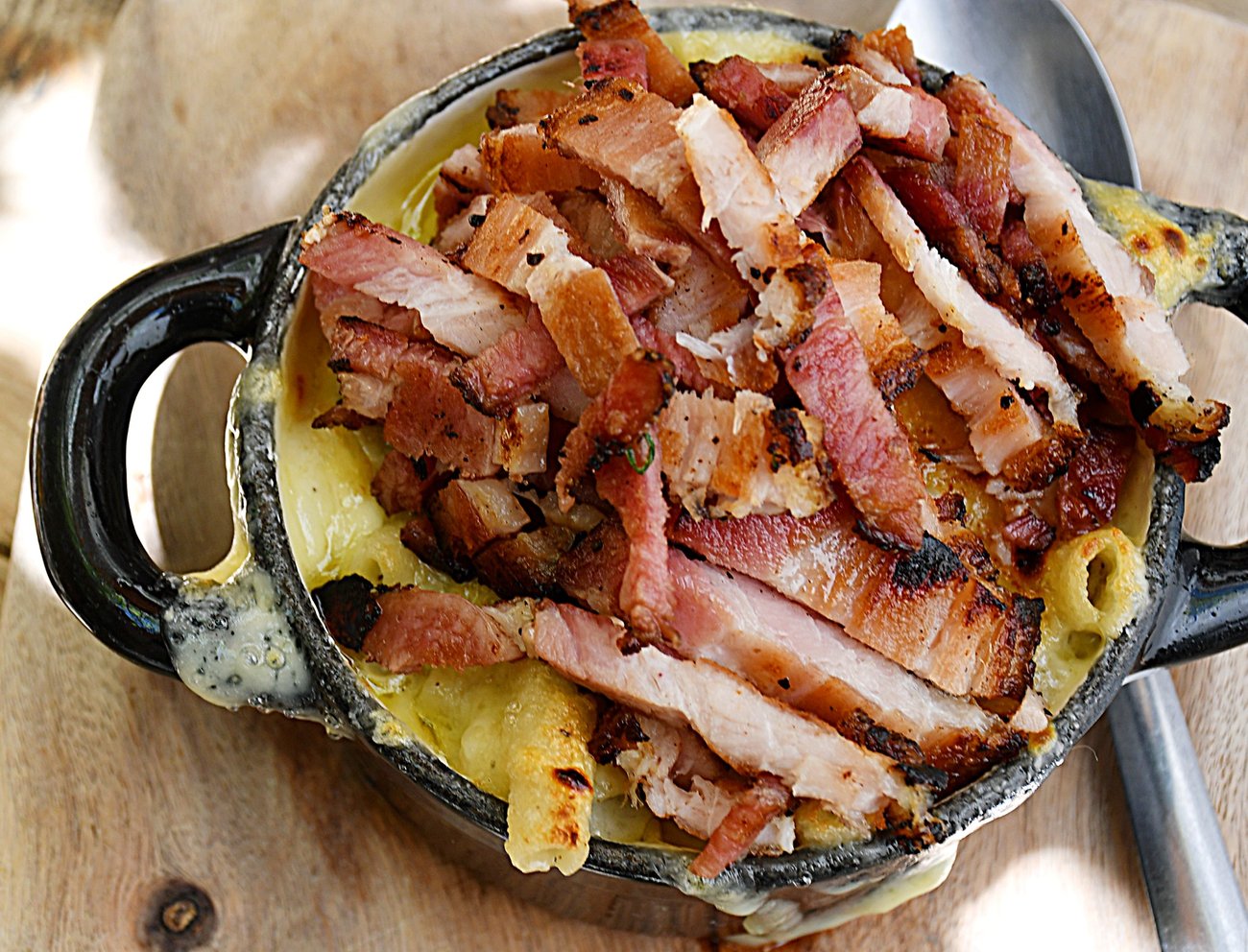
- Colorful and Epicurean San Miguel - This is such an amazing place, particularly the food and the colors. Although we are addressing a topic that is stressful, challenging, and emotional, we should also acknowledge what an incredible place San Miguel is.
|
|
|
|
|
|
Travel Poster - Take the Long Way Home
San Miguel de Allende rewards the traveler who takes the long way home. Along its steep cobblestone streets, bougainvillea spills over sun-warmed walls of ochre and terracotta, wrought-iron lanterns cast intricate shadows, and weathered wooden doors invite curiosity about the courtyards beyond. A turn downhill reveals a golden dome, a hillside scattered with colorful houses, and the blue contours of the surrounding highlands. As this vintage-inspired scene so beautifully suggests, the city’s charm lies as much in these everyday details as in its grand landmarks: flower petals caught between stones, a clay pot beside a doorway, the afternoon light transforming an ordinary street into somewhere you want to linger. Come with comfortable shoes and leave room in the day for wandering.
|
|
|
|
|
The Hotels of San Miguel: Boutique Hotel Review: Numu Boutique Hotel
Nemesio Diez 20, Zona Centro, San Miguel de Allende, Guanajuato, Mexico
Phone: +52 415 148 1234
Atmosphere & Character
San Miguel de Allende has no shortage of beautiful historic hotels, but Numu Boutique Hotel takes a somewhat different approach.
Rather than attempting to recreate an old colonial hacienda, Numu interprets San Miguel through a decidedly contemporary lens. Clean architectural lines, natural materials, warm earth tones, Mexican artwork and carefully landscaped interior spaces create an atmosphere that feels sophisticated and modern while remaining connected to its surroundings.
The hotel is part of Hyatt's Unbound Collection, a portfolio intended to give distinctive properties greater individuality than a conventional international hotel brand. At Numu, that translates into many of the comforts and service standards of a major luxury hotel combined with the personality and scale of a boutique property.
With only 44 rooms and suites, it remains intimate enough that it doesn't feel like a conventional resort.
Location
Location is one of Numu's greatest strengths.
The hotel sits on Nemesio Diez, immediately adjacent to Parque Benito Juárez, one of San Miguel's loveliest green spaces, and close to Calle Aldama, arguably one of the city's most beautiful streets.
From here, guests can walk through the park, wander the surrounding residential streets, and continue into the historic center and Jardín Principal.
The location offers an appealing compromise: close enough to experience San Miguel primarily on foot, but slightly removed from the busiest blocks immediately surrounding the Parroquia.
That distinction matters in a city where bells, celebrations, rooftop bars and weekend crowds can make staying directly beside the Jardín considerably livelier than some visitors anticipate.
Recent Booking.com guests give Numu's location 9.6 out of 10, while Tripadvisor reviewers give it 5.0/5 for location.
Rooms & Suites
Numu's 44 rooms and suites are contemporary, spacious and deliberately understated.
Rather than competing with San Miguel's colorful streets outside, interiors use a calmer palette of natural materials, neutral colors and terracotta accents. Mexican artwork and design references provide a sense of place without overwhelming the rooms.
Every accommodation includes either a private terrace or balcony, an unusual and welcome feature in Centro.
Even standard rooms are generous by boutique-hotel standards, beginning around 38 square meters, or approximately 409 square feet. Deluxe king rooms reach roughly 40 square meters and add sitting areas and spacious bathrooms with rainfall showers.
At the other end of the spectrum is the Presidential Suite, approximately 1,464 square feet, with its own rooftop terrace, hot tub and views toward San Miguel's skyline.
Rooms include Nespresso machines, minibars, large televisions, individual climate control, blackout curtains and safes.
The overall effect is less romantic-old-Mexico and more quiet contemporary luxury.
The Rooftop Pool
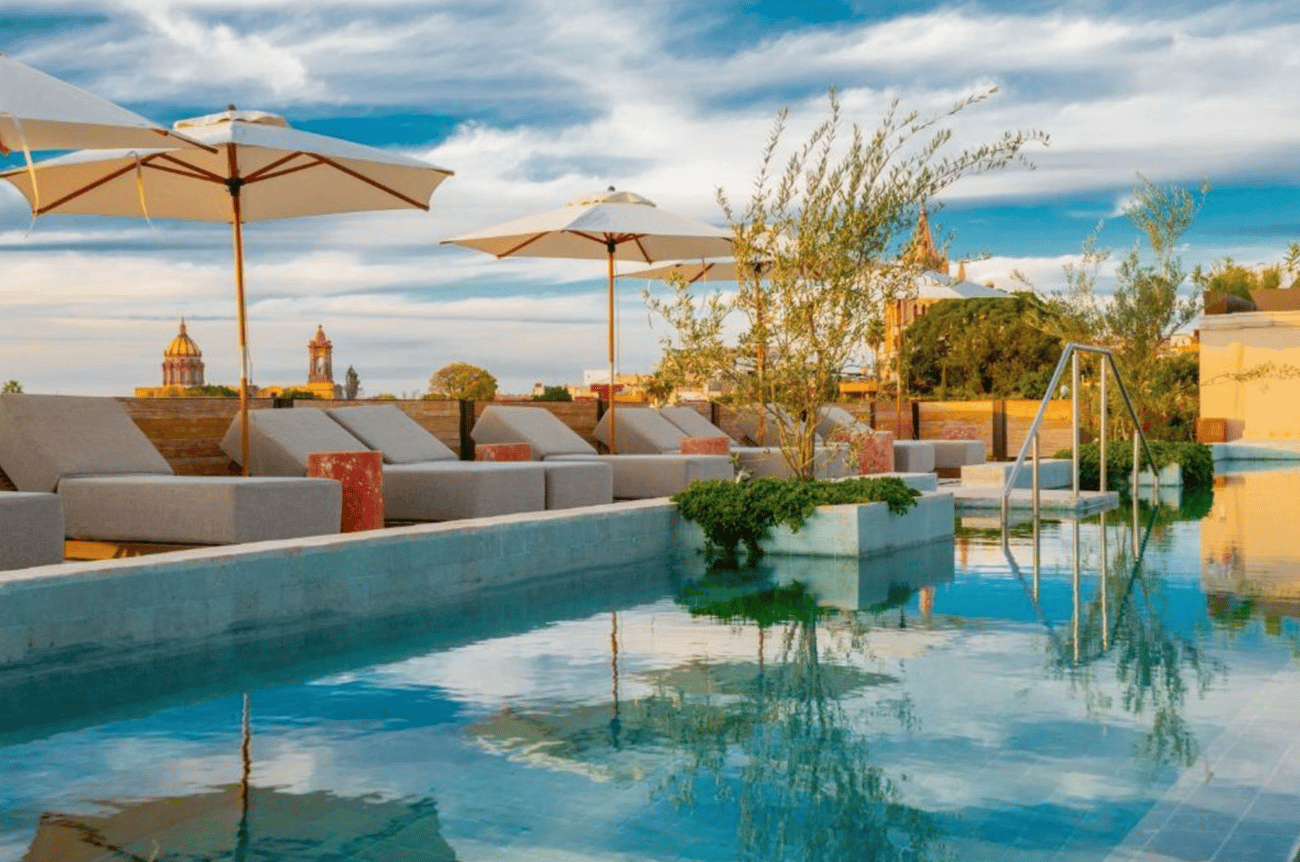
If there is one feature that defines Numu, it is the rooftop.
The landscaped rooftop swimming pool looks across the surrounding rooftops, church towers and historic architecture of San Miguel. Lounge chairs, umbrellas and greenery soften the space, creating something that feels more like an elevated garden than a conventional hotel pool deck.
It is especially appealing after several hours exploring San Miguel's hills and cobblestone streets.
The rooftop also changes character through the day: a quiet place for sunshine and swimming in the afternoon, then an increasingly atmospheric setting as the sun drops behind the city.
Recent guests repeatedly identify the rooftop and its views as among the hotel's strongest features.
Dining
Numu has invested more heavily in food and beverage than many hotels of its size.
NOIA Rooftop takes advantage of the panoramic setting, combining Mexican cuisine with Mediterranean influences. It is particularly well suited to a long lunch, sunset cocktails or dinner overlooking San Miguel.
The rooftop pool has its own menu of lighter dishes including ceviche, guacamole, fruit and tacos.
At ground level, Enrique provides a more relaxed setting for breakfast and daytime dining, later transitioning toward tapas and wine.
Breakfast deserves particular mention. Recent guest reviews repeatedly praise it, and the hotel has wisely resisted the increasingly common tendency to end breakfast too early. Enrique serves breakfast well into the day, making Numu especially friendly to travelers who prefer San Miguel evenings followed by leisurely mornings.
Twenty-four-hour room service rounds out a surprisingly comprehensive dining program for a 44-room hotel.
Numu Spa
Numu also offers something that distinguishes it from many smaller boutique properties: a genuine hotel spa.
Treatments draw inspiration from local traditions and natural ingredients, with massages, warm herbal compresses, sauna and other wellness experiences.
Combined with the rooftop pool and fitness center, the spa allows Numu to function as more than simply a sophisticated base for exploring the city.
A guest could quite reasonably spend an afternoon here doing very little at all.
Experiences
One of the more thoughtful aspects of Numu is its effort to connect guests with San Miguel rather than simply provide accommodations within it.
The hotel can arrange experiences including cooking classes, food tours and mojiganga workshops, introducing visitors to some of the traditions behind the city they are seeing.
That is a particularly appropriate approach for an international hotel brand operating in a place as culturally distinctive as San Miguel. The best luxury hotels here shouldn't insulate visitors from the city; they should provide another doorway into it.
Pancho
And then there is Pancho.
The hotel's resident dog has officially been given the title of "Guest Experience Manager" and has become something of a Numu institution.
He regularly appears in guest reviews and is frequently mentioned almost as enthusiastically as the rooftop pool.
It is a small detail, but an important one. Luxury hotels can sometimes become so polished that they lose warmth. A friendly dog wandering through the lobby has a remarkable ability to correct that problem.
Guests with allergies or those uncomfortable around dogs can notify the hotel, which says it will make arrangements to minimize contact.
Service
Service may ultimately be Numu's strongest attribute.
Recent guest reviews consistently mention staff members by name, which is often a useful indicator that interactions have gone beyond competent hotel service and become genuinely personal.
Tripadvisor currently gives Numu 4.8/5 from more than 220 reviews, including 4.9 for service and 5.0 for cleanliness. Booking.com gives the hotel 9.1/10 overall, with 9.6 for staff, 9.6 for cleanliness and 9.6 for location.
Those are impressive scores, particularly because Numu is large enough that maintaining genuinely personalized service requires more organizational discipline than it does in a six- or ten-room inn.
A Consideration:
There is one area where the ratings become noticeably less enthusiastic: value.
Booking.com guests currently rate value for money at 8.4, considerably below the hotel's scores for location, cleanliness, comfort and facilities.
That doesn't necessarily suggest that Numu is overpriced. It reflects the reality that this is firmly positioned within San Miguel's luxury hotel market.
Travelers are paying not simply for a room, but for the rooftop pool, spa, restaurants, concierge-level service, prime location and the infrastructure associated with a sophisticated full-service hotel.
Whether that represents good value depends largely upon how much of that infrastructure you intend to use.
Final Thoughts
Numu Boutique Hotel occupies an interesting middle ground in San Miguel de Allende.
It provides considerably more amenities than most small boutique hotels while avoiding the scale and anonymity of a conventional luxury resort.
Its 44 rooms are large and contemporary. Every room has outdoor space. There is a genuine spa, fitness center, multiple dining options, an exceptional rooftop pool and enough service infrastructure to make the hotel itself part of the vacation.
Yet the location may be its greatest luxury.
Walk outside and Parque Benito Juárez is virtually at your doorstep. Continue through the park and along Calle Aldama, and within minutes you're immersed in the architecture, restaurants, galleries and street life that make San Miguel extraordinary.
For travelers seeking antique furniture, centuries-old stone walls and the romance of an intimate colonial casona, there are more historically immersive choices in San Miguel.
But for travelers who prefer contemporary design, spacious rooms, polished service, excellent amenities and a rooftop pool while still being able to walk into the historic center, Numu is one of the city's most compelling luxury boutique options.
It doesn't attempt to reproduce old San Miguel inside its walls.
Instead, it provides a sophisticated contemporary retreat from which to experience the real thing just outside the door.
Style: Contemporary Mexican Luxury
Best For: Couples, design-conscious travelers, luxury travelers, food lovers and guests wanting resort-level amenities without leaving Centro
Location: ★★★★★
Rooms: ★★★★★
Design & Atmosphere: ★★★★★
Amenities: ★★★★★
Service: ★★★★★
Value: ★★★★½
Overall Rating: ★★★★★ (5/5)
|
|
|
|
|
Restaurant Reviews: Café Aldama 57
Aldama 57, Zona Centro, San Miguel de Allende, Guanajuato, México
Phone: +52 415 688 2284
Hours:
Monday: 8:30 AM – 4:30 PM
Tuesday: Closed; Wednesday–Sunday: 8:30 AM – 4:30 PM
Atmosphere
Just off Parque Benito Juárez on beautiful Calle Aldama, Café Aldama 57 is the kind of small neighborhood café that can easily become part of a San Miguel routine.
The setting is intimate, relaxed, and contemporary without losing the character of the old building that surrounds it. Artwork, high ceilings, old walls and a wooden ceiling give the interior personality, while seating opening toward the street connects the café to one of San Miguel's loveliest residential areas.
It feels more like a neighborhood gathering place than a tourist restaurant, equally appropriate for a leisurely breakfast, lunch with a friend, or an afternoon coffee while exploring this quieter side of Centro.
Service
Hospitality appears to be one of Aldama 57's strengths. Guest reviews repeatedly mention friendly, attentive service, sometimes by name, and describe an unhurried atmosphere.
That relaxed pace suits the restaurant. This isn't a place designed around turning tables quickly. It is somewhere to sit, talk, have another cup of coffee and enjoy the surroundings.
Cuisine
Although its name suggests a coffee shop, Aldama 57 is really as much a breakfast-and-lunch restaurant as it is a café.
The kitchen describes its approach as comfort food built around fresh, seasonal ingredients. The menu is intentionally compact rather than sprawling, with familiar dishes given enough personality to stand out.
The result is an eclectic collection of Mexican favorites, brunch classics, sandwiches, salads and indulgent breakfast dishes.
Quesabirria
One of the dishes diners most consistently singled out is the quesabirria.
The combination is straightforward and difficult to argue with: beef birria, Oaxaca cheese, onion, cilantro and salsa. It is considerably more substantial than what one might expect from a little café and illustrates Aldama 57's food philosophy particularly well.
This isn't delicate café food. It is satisfying, flavorful comfort food.
Breakfast & Brunch
The breakfast side of the menu offers several appealing choices.
Eggs Benedict are served with hollandaise, ham, green salad, and cherry tomatoes, while chilaquiles come in red or green salsa with cheese, crema, cilantro, pickled onion, and avocado.
The fluffy pancakes are one of the more visually impressive choices, accompanied by mascarpone, citrus zest, mixed berries and maple syrup.
Another house specialty is the tornado omelette, finished with truffle oil, Parmesan and guanciale and served with sourdough bread.
Together, these dishes reveal the kitchen's personality: recognizable brunch food, but with enough creativity to distinguish it from a conventional breakfast café.
Lunch
Lunch becomes somewhat more substantial.
A particularly interesting option is the lentil salad, combining lentils with cucumber, mango, red onion, parsley, cherry tomatoes and citrus vinaigrette. Several diners have specifically praised it, and the combination of earthy lentils, fruit and acidity makes it considerably more interesting than its name might suggest.
The arrachera baguette has also developed a following. The restaurant's own site highlights a version with grilled arrachera, mustard, caramelized onions and fried leeks on a crunchy baguette.
Other menu offerings have included salmon bagels and fried-chicken sandwiches, reinforcing the sense that Aldama 57 is fundamentally a casual restaurant with a café attached rather than the other way around.
Something Sweet
If breakfast is going to become dessert, the French toast provides an excellent excuse.
The current menu describes caramelized brioche with flambéed banana and vanilla ice cream, an unapologetically rich interpretation that would work equally well as a shared dessert.
The fluffy pancakes with mascarpone and berries offer another option for anyone inclined toward a sweeter breakfast.
Coffee & Drinks
Coffee is part of the experience, but there is an important distinction to make.
Reviews of the food, atmosphere, and service are generally quite positive, while opinions of the espresso program are somewhat more divided. Some guests praise the lattes, while more serious coffee enthusiasts have criticized the espresso and cappuccino preparation.
So if your primary objective is meticulously executed third-wave espresso, San Miguel has stronger coffee-first destinations. But if what you want is a good cup of coffee alongside an excellent breakfast or lunch in a charming setting, Aldama 57 makes considerably more sense.
The noncoffee beverages deserve attention as well. A basil lemonade provides a refreshing counterpoint to some of the richer dishes, along with orange juice, hot chocolate, and other café drinks.
Price
Aldama 57 is not inexpensive by Mexican café standards.
Current menu listings show chilaquiles around MX$160–208, the lentil salad around MX$156, quesabirria around MX$208, Eggs Benedict around MX$242 and some larger sandwiches above MX$300.
That places it firmly within San Miguel's increasingly sophisticated Centro dining economy rather than the category of an inexpensive neighborhood fonda.
Final Thoughts
Café Aldama 57 is one of those small San Miguel restaurants whose appeal comes from the combination of food, place and personality rather than any single spectacular element.
Its location adds to the pleasure. Calle Aldama is among the city's most beautiful streets, and Parque Benito Juárez is only a short walk away. The café itself is intimate and attractive; the service has developed a reputation for warmth, and the kitchen is ambitious enough to make familiar breakfast and lunch dishes interesting without trying to transform them into fine dining.
Come primarily for the food and atmosphere rather than for a purist specialty-coffee experience.
The quesabirria, lentil salad, arrachera sandwich, chilaquiles, pancakes and French toast all provide compelling reasons to visit. More importantly, Café Aldama 57 captures something San Miguel does particularly well: transforming an ordinary breakfast or lunch into a leisurely part of the day.
Walk through Parque Benito Juárez, wander up Calle Aldama, stop here for breakfast or lunch, and don't be in too much of a hurry to leave.
Cost: $$
Rating: ★★★★½ (4.5/5)
|
|
|
|
|
|
Information related to Mexico, senior care and health:
|
|
|
- Lead article - These are articles specifically written for you each week. They address a wide range of relevant topics, such as factors that can increase your health and lifespan, diagnostics, understanding causal factors for Alzheimer's and other dementias, and so on. The lead article typically sets the tone for the core content of the newsletter (videos and book reviews). On occasion, the focus may be centered on Mexico, Pueblos Magicos, and San Miguel de Allende.
- Caregiver's Sentiment - This quote typically honors what we, as caregivers, are going through and feeling.
- Caregiver's Affirmation - This affirmation bolsters our self care, our image or ourselves on this journey and our ability to endure.
- Videos - Typically, three videos are related to the lead article, and they include a summary and timestamped highlights.
- Book Review - Typically related to the lead article.
|
|
|
|
|
Caregivers' Sentiment
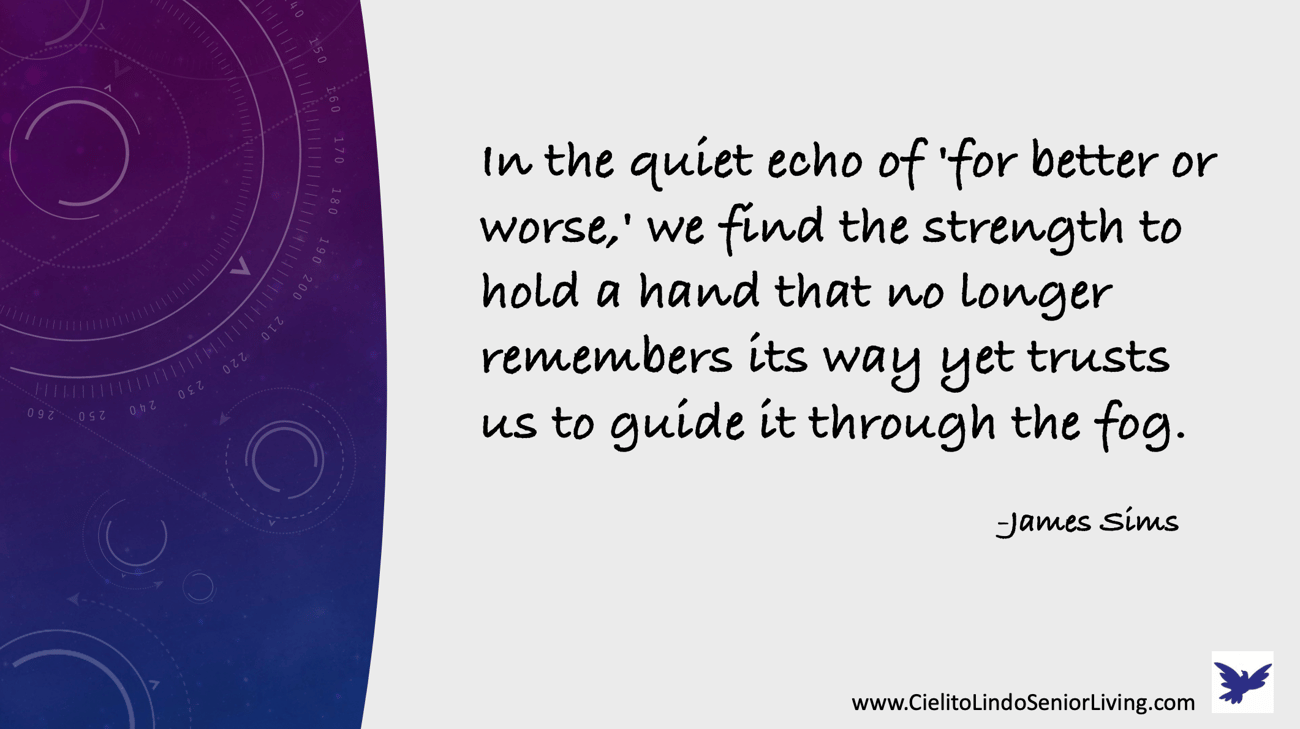
When we received my wife’s early-onset Alzheimer’s diagnosis, it felt as if the world had shifted beneath us. The future we had envisioned together suddenly became uncertain. The vows we had exchanged, “for better or worse, in sickness and in health,” took on a weight we could never have understood when we first spoke them. We had made those promises with love and sincerity, but without knowing what keeping them might one day ask of us.
That is what I am expressing in this quote. The “quiet echo” is the way a promise made years earlier can return to us in an ordinary, difficult moment. There is no ceremony now, no gathering of family and friends to witness it. There is simply someone we love who needs us, and the question of how we will respond today.
The hand represents the person with whom we have shared a life. As Alzheimer’s changes what someone can remember or manage, familiar things may become confusing, and a relationship that once rested on mutual understanding may require new ways of connecting. Holding that hand becomes a way of saying, “You matter. I am here. We will take the next step together.” A moment of comfort can still have meaning, even when the person cannot later recall it.
The fog belongs to both people. The person living with dementia may struggle to understand what is happening around them, while the caregiver faces decisions they never expected to make. We may be grieving the future we imagined while trying to meet the needs of the present. Guiding someone through that uncertainty does not require us to know the whole way forward. Sometimes it means slowing down, offering reassurance, and finding enough steadiness for the next few minutes.
The trust described in the quote is precious, but it may not always be visible. There may be moments when reassurance does not reach the person we love, when touch is unwelcome, or when our intentions are misunderstood. Those moments can hurt deeply. They do not erase the relationship or mean that our love has failed. Sometimes care asks us to give space, try again later, or accept help from someone whose presence feels easier in that moment.
|
|
|
|
|
Caregiver Affirmation
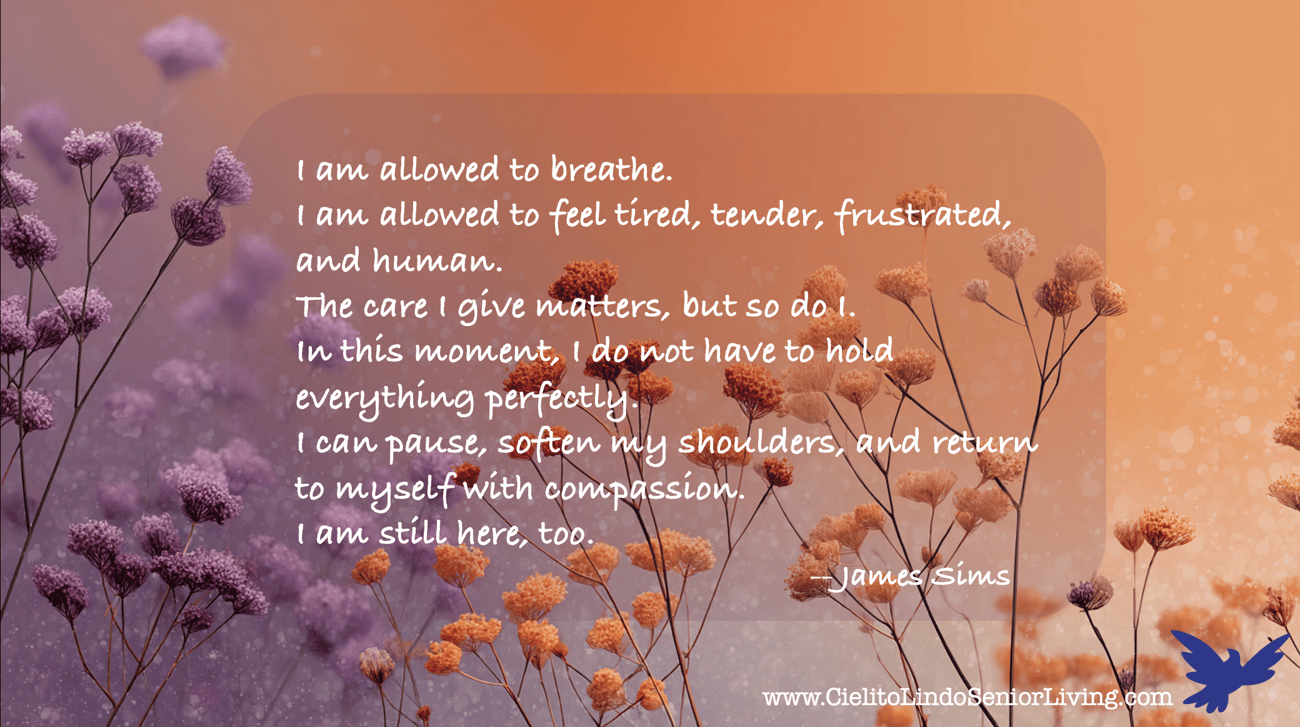
Caregiving can gradually narrow our attention until nearly everything revolves around another person’s needs. We learn to notice changes in their mood, anticipate discomfort, manage appointments, and prepare for what might happen next. Meanwhile, our own needs become easier to postpone. We tell ourselves we will rest when things settle down, acknowledge our sadness when there is time, or ask for help when we absolutely must. This affirmation offers a gentle interruption to that pattern: we are still people who need care, even while we are giving it.
“I am allowed to breathe” begins with permission because many caregivers struggle to grant themselves even a moment of relief. A persistent feeling can creep in that stepping back means letting someone down. Breathing becomes a small way of making room for ourselves within the demands of the day. We can pause without having resolved every problem. We can take a moment to gather ourselves while something remains unfinished.
“I am allowed to feel tired, tender, frustrated, and human” makes room for emotions we may be ashamed to acknowledge. We can love someone deeply and feel overwhelmed by the responsibility of caring for them. We can be grateful for time together and wish, desperately, for an afternoon without demands. These feelings can exist alongside devotion. Acknowledging them helps us recognize our limits and choose how to respond, rather than adding self-criticism to an already difficult moment.
At the center of this affirmation is the sentence, “The care I give matters, but so do I.” Our worth does not depend on how much we can endure or how little we ask for. Our sleep, health, friendships, and private hopes deserve consideration in their own right. We deserve support because we are human beings with our own needs. That remains true even when someone we love needs a great deal from us.
“In this moment, I do not have to hold everything perfectly” loosens the expectation that a good caregiver should always be patient, organized, and certain of the right decision. Much of caregiving happens under imperfect circumstances, with incomplete information and limited energy. We may become impatient or realize a decision needs revisiting. We can take responsibility, repair what we can, and begin again without treating every difficult moment as a verdict on our character.
The invitation to pause and soften our shoulders gives this compassion a simple, physical expression. It asks us to notice how tightly we may be holding ourselves and to release a little of that tension. Sometimes the next kind act toward ourselves is a quiet breath; sometimes it is eating a meal, calling a friend, or saying plainly, “I need someone to take over for a while.” A brief pause has value, and ongoing exhaustion deserves practical support beyond that pause.
“I am still here, too” quietly recognizes the person within the caregiving role. We still have interests, longings, limits, and a life that deserves attention. Caring for someone we love can occupy an enormous part of that life, but our presence still matters. This affirmation invites us to offer ourselves some of the tenderness we so readily extend to another person, and to let our needs count today.
|
|
|
|
|
I know this article explores a difficult and deeply personal subject: what we want to happen to our bodies after death. It is understandable to feel reluctant to think about it, especially when it involves someone we love. Yet it is worth considering our own wishes and gently inviting our loved ones to share theirs, at a pace that feels comfortable. These conversations give us an opportunity to understand what matters to one another and can spare those left behind the uncertainty of making decisions while grieving. We do not need to settle every detail at once; simply opening the conversation can be a meaningful act of care.
Returning to the Earth, Fire, Water, or Sky
Understanding the Many Choices for Our Remains After Death
Death leaves the living with many decisions. Some are administrative, some are ceremonial, and some reach into our deepest beliefs about identity, dignity, nature, memory, and what, if anything, comes next.
What should happen to our body after we die is among the most personal of those decisions. Religion or spirituality, family tradition, cultural identity, cost, environmental concerns, or a strong emotional reaction to a particular practice may shape our preferences. Some people want a permanent resting place where family members can visit. Others would rather return to the earth as simply as possible. Some find comfort in fire, water, or open sky; others are drawn to the possibility that their body might contribute to medicine, education, or scientific discovery.
Yet many of us give remarkably little thought to the question. We may mention that we want to be buried or cremated, but never discuss the details. We may avoid the subject because it feels uncomfortable, premature, or morbid. Then, when death occurs, families must make consequential decisions while grieving, often under considerable time pressure.
For caregivers, especially those who are themselves growing older, this conversation is especially relevant. We spend years contemplating how someone will live through illness, decline, and the final stages of life. It is also worth considering, with equal tenderness, what should happen afterward.
This is not intended to be a morbid inventory of ways to dispose of a body. It is a thoughtful exploration of the choices available to us, what they mean, and how they may affect the people we leave behind.
You can read the complete article here.
You'll also find hundreds of additional articles exploring healthy aging, dementia, caregiving, hospice, senior living, and other topics designed to educate, support, and encourage older adults, families, and caregivers. Website
|
|
|
|
|
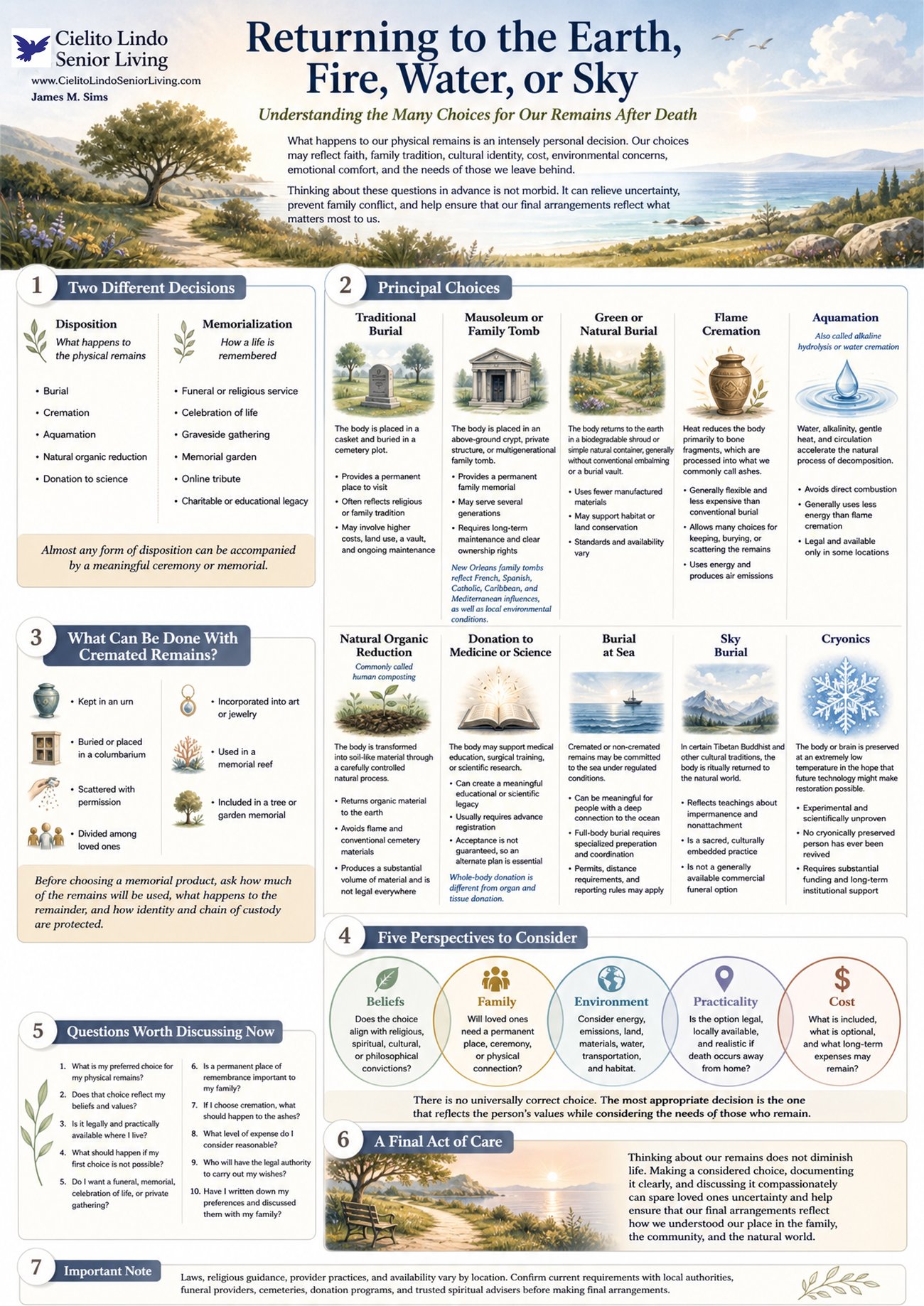
Infographic: Returning to the Earth, Fire, Water, and Sky
What happens to our bodies after death can be difficult to contemplate, but understanding the choices can help us approach the subject with greater confidence and peace of mind. This infographic offers a thoughtful overview of those choices, alongside the beliefs, family needs, environmental concerns, and practical considerations that may shape our preferences. I hope it provides a gentle starting point for reflecting on your own wishes and exploring the subject with someone you love. You don't need to resolve everything in one conversation; taking time to listen, share, and record what matters can spare loved ones uncertainty when they are grieving.
Read the complete article here.
You'll also find hundreds of additional articles exploring healthy aging, dementia, caregiving, hospice, senior living, and other topics designed to educate, support, and encourage older adults, families, and caregivers. Website
https://cielitolindoseniorliving.com/returning-to-the-earth-fire-water-or-sky/
|
|
|
|
|
Book Review: My Aging Parent Needs Help!
7 Step Guide to Caregiving with No Regrets, More Compassion, and Going from Overwhelmed to Organized
By Cynthia Kaye
Family caregiving often begins before we have a name for it. We start accompanying a parent to appointments, checking that prescriptions are filled, or helping with bills. Gradually, those small acts of assistance become a substantial responsibility, sometimes consuming far more time and emotional energy than we anticipated. We care deeply, but caring does not automatically prepare us to coordinate medical needs, evaluate living arrangements, hire assistance, or figure out how everything will be paid for.
Cynthia Kaye’s My Aging Parent Needs Help! is designed for families facing that transition. Presented as a seven-step guide, it combines practical organization with attention to compassion, boundaries, and caregiver well-being. Its central premise is reassuring: families should not have to discover every resource or develop every caregiving system from scratch.
Turning concern into a workable plan
According to its published description, the book addresses many of the decisions that make caregiving feel overwhelming: housing and long-term care options, coordinating assistance, financial resources, and the considerations involved in hiring caregivers directly or through an agency. An appendix of checklists and templates supports its emphasis on becoming more organized.
That practical orientation is a strong reason to consider the book. When responsibilities accumulate, even identifying the next step can be difficult. A structured guide can give families a starting point for gathering information, discussing responsibilities, and recognizing where outside assistance may be needed.
The advertised checklists and templates may be particularly appealing to readers who want something they can use alongside their daily responsibilities. Their usefulness will ultimately depend on how well they fit a particular family’s circumstances, but the emphasis on concrete tools is appropriate for an audience already short on time and attention.
Compassion includes the caregiver
Kaye also gives attention to boundaries, maintaining balance, and caring for oneself from a mind-body-spirit perspective. A bonus section addresses caregiver burnout and its prevention.
Including these subjects alongside logistics reflects an important priority. A care arrangement must account for the person providing the help as well as the person receiving it. Readers looking for permission to acknowledge their own limits may find this aspect of the book especially relevant.
The subtitle’s promise of caregiving “with no regrets,” however, deserves a gentle qualification. Regret is not always evidence that someone made the wrong decision or failed to prepare. Families frequently make difficult choices with incomplete information, limited resources, and competing needs. A more compassionate goal is to make thoughtful decisions with the knowledge and support available, while allowing ourselves to remain imperfect.
Similarly, organization can reduce confusion, but it cannot remove every source of caregiving strain. Progressive illness, financial constraints, family disagreements, and insufficient support may persist despite careful planning. The book’s tools are best approached as assistance, without placing another expectation on caregivers to manage everything successfully.
Who may find it most helpful
Based on its described scope, My Aging Parent Needs Help! appears particularly well suited to adult children who are new to caregiving or whose responsibilities have grown beyond their existing arrangements. It may also provide a useful starting point for siblings trying to establish a shared understanding of what a parent needs.
For readers considering senior care in Mexico, one limitation is explicit: most of the financial and support resources are U.S. focused. The broader themes of organization, communication, and boundaries remain relevant, but readers will need separate, locally informed guidance for services and arrangements in Mexico.
The book’s appeal lies in its combination of practical preparation and concern for the caregiver as a person. For families unsure where to begin, that is a worthwhile focus. Becoming more informed and organized can help us approach care with greater clarity, while recognizing that asking for assistance is itself part of caring well.
Ratings:
124 Amazon 4.8 out of 5.
25 Goodreads, as reported by AbeBooks 4.28 out of 5.
|
|
|
|
|
|
Cielito Lindo's basic information is included for your convenience:
|
|
|
- Cielito Lindo Info: After the signature, the newsletter always includes information about Cielito Lindo, so it is at your fingertips when you want it: Our costs, various related websites, social media channels like YouTube, our various addresses, and so on.
- Travel Info: Recommended airports and shuttles.
- Downloadable Brochure: Click here.
|
|
|
Web Sites - Cielito LIndo and Rancho Los Labradores
Here are our Web sites, including Cielito Lindo and Labradores Suites (hotel) all of which are part of the larger Rancho Los Labradores gated community just north of San Miguel de Allende.
Web Sites - Cielito LIndo and Rancho Los Labradores
Here are our Web sites, including Cielito Lindo and Labradores Suites (hotel) all of which are part of the larger Rancho Los Labradores gated community just north of San Miguel de Allende.
- Cielito Lindo provides independent living, light assisted living, assisted living, memory care and hospice with 24*7 staffing along with a la carte assisted living services to those living in the villas and suites at Rancho Los Labradores.
- Rancho Los Labradores Suites offer short and long term residence.
- Rancho Los Labradores is a country club resort feeling CCRC that provides a gated community with countless amenities and opportunities for different levels of independent living along with assisted living and memory care within Cielito Lindo.
Cielito Lindo Living Options & Costs Guide
We offer several living options depending on the level of care you or your loved one needs. Here’s a breakdown to help you plan:
1) Villas (Rent or Own)
- Cost: $1,700 – $2,000 per month
- Additional Costs: Utilities, renter’s insurance, etc.
- What’s Included: This is mostly independent living.
- Extras: You can add independent or assisted living services (charged separately, à la carte).
- Support: We can connect you with a realtor if you'd like to purchase.
2) Cielito Lindo Condos & Suites
Best for: Independent living with optional assistance.
Option 1: Independent Living + Meals
- Cost: $2,250 per month
Includes:
- 2 meals a day
- Hotel like room cleaning, towel and linen service
- Monthly medical check-up
Optional Add-ons:
- Meals for an additional person: $450/month
- Extra care services available à la carte
Option 2: Light-Assisted Living in Condos & Suites
- Cost: $3,900 per month
Includes:
- Full assisted living services
- Designed for residents who still want independence but need some support
- Smooth transition to full Assisted Living or Memory Care as needs change
- One-Time Inscription Fee: $4,000
For Couples:
- $4,900/month for two people
- Same one-time fee ($4,000 per couple)
- Note: Suitability is based on cognitive ability, mobility, and safety.
3) Cielito Lindo Assisted Living, Memory Care, & Hospice
Best for: Seniors needing full-time care and supervision.
- Cost: $3,900 per month
Includes:
- 24/7 care and monitoring
- All meals
- Physical therapy
- Full-time doctor on site
- Spacious private room with bath
- One-Time Inscription Fee: $4,000
- For Couples:
- $5,400/month for two people (only one needs care)
- $6,900/month for two people (both need care)
- Same one-time fee ($4,000 per couple)
- Note: Suitability is based on cognitive ability, mobility, and safety.
4) Specialized Hospice Suite
Best for: Intensive care needs or end-of-life comfort and also recuperative at a far lower cost than a hospital
- Cost: $4,900 per month
Includes:
- Full 24/7 monitoring
- Recuperative, Palliative and hospice care
- On-site doctor
- All meals
- Special space for visiting family
|
|
|
YouTube videos and Curated Playlists
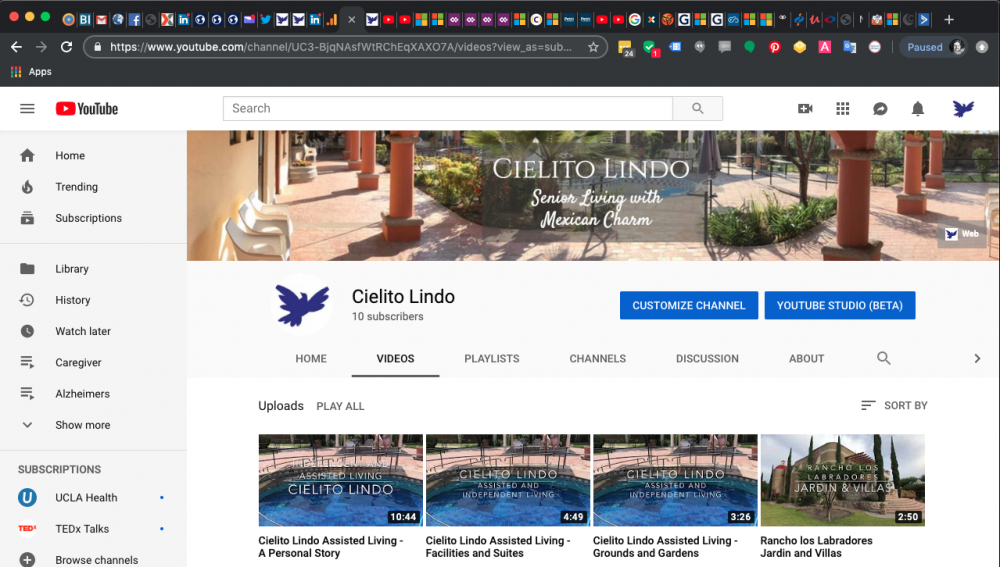
Here is our YouTube Channel. This is where we have lots of videos about Cielito Lindo and Rancho Los Labradores. We also have 1,600+ other senior care and expat in Mexico videos: YouTube
|
|
|
|
|
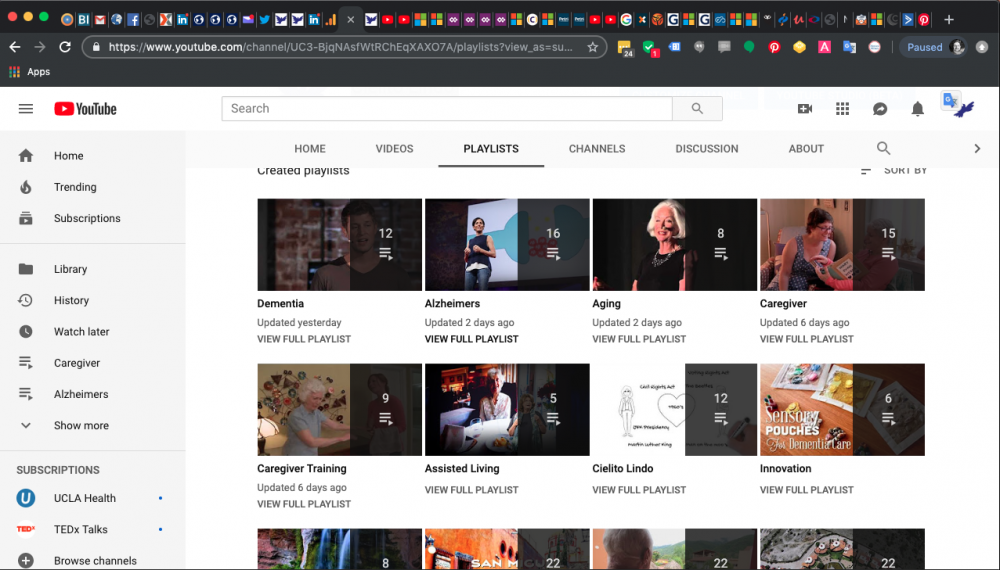
Additionally, our playlists cover a wide area and include 1,200+ videos. These playlists include videos about San Miguel and Mexico in general, caregiving and health, and a broad spectrum of senior living topics. Playlists
|
|
|
|
|
Additional Resources We Offer
We have curated collections of resources that may be useful:
Articles - We write fresh articles about senior living, health, care, and finances every week
Caregiver Books - We review books related to caregiving methods, logistics, challenges, and coping
Senior Health - We review books related to healthspan, lifespan, and disease
And here are our various social media forums, where we talk a lot about assisted living and memory care along with the various sort of challenges that sometimes come in our senior years (Alzheimer’s, Parkinson other dementias, and so on), but also about senior living in Mexico.
Facebook
|
|
|
|
|
|
|
|
|
|
|
Please don’t hesitate to contact me for anything related to senior living, especially in Mexico. I will gladly give you any assistance I can.
Thanks again!
James
James Sims
Marketing and Sales
Cielito Lindo Senior Living
1. 888.406.7990 (Voice and text)
1.209.312.0555 (WhatsApp)
Phones:
English-speaking:
1.888.406.7990 (in US & CDN)
00.1.881.406.7990 (in MX)
Spanish-speaking:
011.52.415.101.0201 (in US & CDN)
1.415.101.0201 (in MX)
SMA Colonias (subdivisions/neighborhoods):
Map and descriptions
Addresses and Travel:
Physical address:
Cielito Lindo Independent and Assisted Living, Camino Real Los Labradores S/N, Rancho Viejo 1, San Miguel de Allende, GTO, Mexico, 37885
Packages from online providers like Amazon:
Camino Real Los Labradores, Rancho Los Labradores / Cielito Lindo, San Miguel de Allende, GTO, 37880 México
PO Box for letters and small envelopes:
Rancho Los Labradores / Cielito Lindo, c/o Alejandra Serrano , PMB N° 515-C, 220 N Zapata HWY N°11, Laredo TX, 78043-4464
Air:
Best airports to fly into: Leon (BJX) or Queretaro (QRO)
Shuttle:
Best airport shuttle: BajioGo
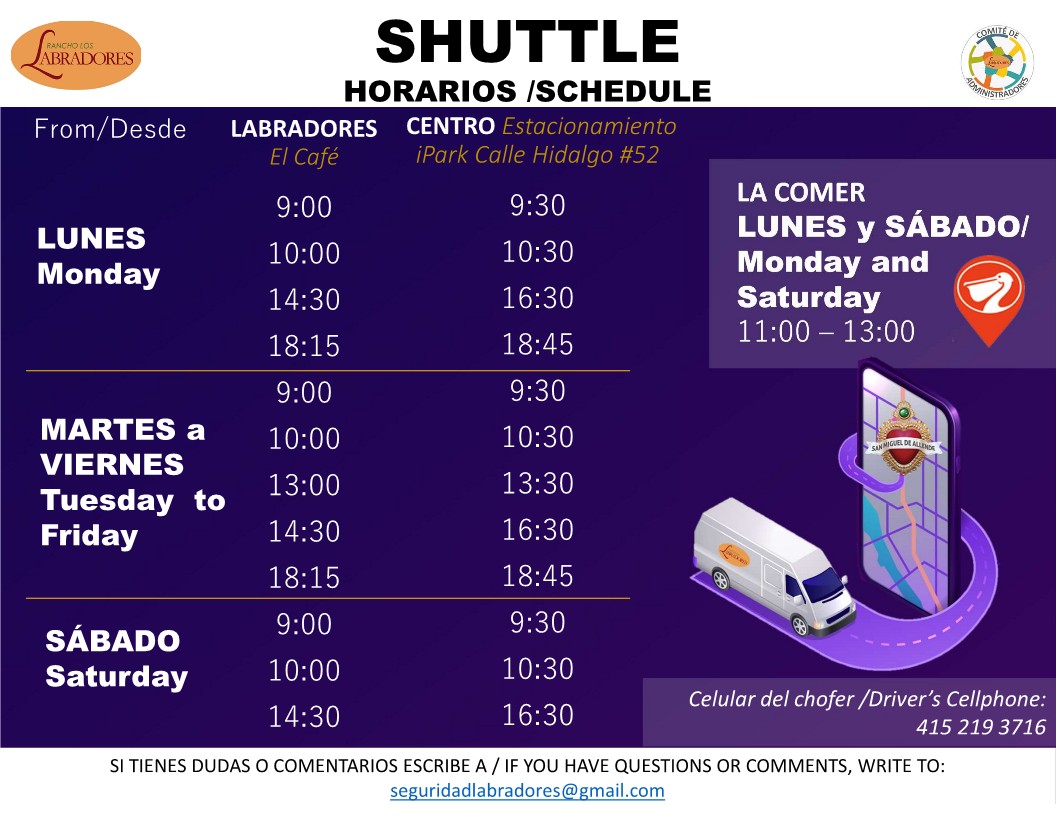
Shuttle between San Miguel and Rancho Los Labradores / Cielito Lindo
|
|
|
|
|
|
|
|
|
|
|