|
|
Subject: Your Weekly Guide to Senior Living & Care in Mexico
Dear
,
Welcome to your weekly touchpoint from all of us at Cielito Lindo. Each edition brings together helpful insights, heartwarming stories, expert advice, and curated resources about senior living, retirement, and age-related care challenges—including Alzheimer’s, Parkinson’s, stroke, limited mobility, and more.
We understand that navigating this stage of life can be overwhelming, whether for yourself or a loved one. That’s why we're here—to offer guidance, support, and a glimpse into the enriching life many have found
here in beautiful San Miguel de Allende.
If you find this newsletter valuable, please forward it to a friend or family member who might also benefit. They can easily subscribe via our Newsletter page. And of course, if you ever wish to unsubscribe, there’s a quick opt-out link below at the bottom right corner of this newsletter.
Here’s what we typically cover each week:
- San
Miguel de Allende highlights – why this is such a special place to live
- Health & wellness insights – articles, videos, and expert reviews
- Care options & community life at Cielito Lindo – flexible, affordable living with a warm, human touch
This Week’s Theme: Empowering and Liberating Caregivers
This week, we explore options for caregivers to identify, understand, and manage the guilt that often accompanies caregiving.
|
|
|
|
|
|
|
|
|
Music Video: Abandoned in Plain Sight
I have known so many older women who now find themselves alone—women who once raised families, built homes, held communities together, and loved with everything they had. Somewhere along the way, the world stopped seeing them.
They’ve told me how it feels to become invisible, even while standing in plain sight. This song is for them. It’s my way of saying, “I see you. I honor you. You matter.”
[Verse 1] Once she was the Sunday dress, the summer smile in bloom Laughter in a kitchen filled with love in every room Two young hearts and wedding vows, they weathered every storm Till the winter came too early, and it stole him from their life
[Chorus] Now she’s abandoned in plain sight Like a shadow in the morning light
Fading in the crowd, but no one sees She’s a whisper in the street Where the heartbeats used to meet And her name’s just drifting with the leaves
[Verse 2] Children with their busy lives, chasing dreams and plans Visits turned to phone calls, then to silence on the land And the eyes that once would linger now just pass her by Like the pages of her story never caught their eye [
Bridge] She still keeps his photograph beside the window seat Talks to him at night when the house is fast asleep And wonders if that’s all there is as she tries not to weep Or if this quiet ending is the only one she’ll hold
[Chorus – Repeat] Now she’s abandoned in plain sight Like a shadow in the morning light Fading in the crowd, but no one sees She’s a whisper in the street Where the heartbeats used to meet And her name’s just drifting with the leaves
[Outro] Is this quiet ending the only one she’ll hold
With warmth,
James
|
|
|
| Weekly insights into San Miguel:
|
|
|
Colorful & Epicurean San Miguel
While much of what we discuss involves the challenges of aging
and caregiving, it's also important to celebrate the beauty that surrounds us. San Miguel de Allende is a feast for the senses—bursting with color, rich in culture, and renowned for its incredible food and art. It’s not just a place to live—it’s a place to thrive, to enjoy, and to heal.
|
|
|
|
|
The Colors of San Miguel: Not Just a Doorway
In San Miguel de Allende, a doorway is rarely just a way in — it’s a statement, a small poem in brick and tile.
This one, set into a rough stone wall, is a riot of color and texture that feels almost alive. The arch, painted a deep golden ochre, frames a world where clay, tile, and imagination meet. Around its edges, a blooming border of hand-molded cactus, nopales dotted with crimson tunas, and a twisting tree with sun-bright blossoms tumble upward, as if the wall itself had grown them.
The door’s face is part mosaic, part bas-relief — every section tells a different story. Sunbursts and open hands, an all-seeing eye, geometric glyphs that whisper of pre-Hispanic roots, and a tiny mirror held between two sculpted hands, inviting you to catch a fleeting glimpse of yourself in the artwork before disappearing back into the street. Behind it all, painted hills and tiled domes hint at the city itself, almost as
if San Miguel were welcoming you into its heart.
It’s not just a doorway. It’s a conversation — between past and present, earth and artist, the passerby and the soul of the home. In this city, even a threshold feels like an embrace.
|
|
|
|
|
Restaurant: Tostévere
Address: Codo 4, Col. Centro, San Miguel de Allende, Guanajuato, Mexico, 37700 therifeguide.com+11OpenTable+11dondayinsma.com+11
Phone: 415 121 3075 OpenTable
Days & Hours:
Atmosphere:
An intimate, cozy gem tucked on a charming little street near the Parroquia. Expect a relaxed and inspired vibe—unpretentious yet elegantly curated, with stone and wood accents paired with colorful cushions She Roams About.
Service:
Warm, attentive, and genuine. The experience feels personalized—with known favorites among regulars, bar seating, and highly praised friendliness She
Roams AboutOpenTable.
Cuisine:
Creative, eclectic fusion rooted in Mexican flavors, blending contemporary Mediterranean and European influences. Menu praises quality ingredients, thoughtful preparation, and balanced portions OpenTable+1sanmiguelrestaurants.com+1.
Signature Dish:
The Truffled Esquites Tostada—a crispy base overflowing with spicy street corn, crowned by truffle-dill cream—is frequently highlighted as a must-try and dream-worthy She Roams About.
Starters & Small Plates:
Expect inventive small plates such as Roasted Beet Salad, Avocado Tatemado Taco, Soft Shell Crab Wraps, Serrano Ham Pizzetas, and a rotating selection of toastadas like octopus, tuna, short rib, ceviche, and cauliflower She Roams About+1Tastes & Treks+1.
Main Courses:
Rather than traditional mains, Tostévere emphasizes a curated, small‑plates‑focused menu—crafted for tasting and sharing Instagram+11She Roams About+11OpenTable+11.
Desserts:
A small but elegant selection: flamed bananas or sautéed figs with housemade ice cream (~MXN 160 each). Or, opt to “drink your dessert” via one of their standout cocktails She Roams
About+1Instagram+1.
Wine & Cocktails:
A concise yet powerful drink list. Highlights include the theatrically served Smokey Mezcal—a mezcal margarita with spicy rim, topped with flaming coconut cream and rosemary—alongside wine, beer, and non-alcoholic options She Roams About+1Instagram+1.
Final Thoughts:
Tostévere stands out as a hidden gem in San Miguel de Allende—an unassuming yet artfully crafted dining experience that delivers exceptional food, drinks, and ambiance at worthwhile prices. It’s intimate, memorable, and unmistakably authentic Facebook+3She Roams About+3Instagram+3.
Cost: $$ (moderate—priced between MXN 310–500 per person, small plates from MXN 95–290, cocktails around MXN 160–190) OpenTableShe Roams About
Rating: ⭐⭐⭐⭐⭐ (5/5 stars) — A stellar blend of quality, creativity, and ambiance.
|
|
|
|
|
Health, Caregiving & Life in Mexico
|
|
|
This section brings you thoughtful, relevant, and at times, even life-changing content to support your journey—whether you're exploring care options, supporting a loved one, or planning for your own future.
- Lead Article - Each week’s main feature is written just for you—diving into meaningful topics like extending healthspan, navigating diagnostics, or understanding the causes of Alzheimer’s and other dementias. We also occasionally explore the beauty and cultural richness of Mexico, including Pueblos Mágicos and the colorful life in San Miguel de Allende.
- Op Ed - A short editorial that reflects on the lead article’s themes, offering a personal or thought-provoking perspective.
- Caregiver’s Sentiment - A heartfelt quote or reflection honoring the emotional depth of caregiving—because your feelings and efforts matter.
- Videos - Two or three curated videos that align with the week’s theme, featuring summaries and timestamped highlights to make them easy to explore.
- Book Reviews - One or two handpicked books to deepen your understanding, lift your spirits, or simply remind you that you’re not alone.
|
|
|
|
|
|
|
Abandoned in Plain Sight: The Loneliness Epidemic Among Dementia Caregivers
Dementia caregiving doesn’t just isolate—it exiles. What begins in love and loyalty often ends in silence, as friends and family quietly withdraw. The caregiver becomes a social ghost, avoided not out of malice, but out of fear—because long-term suffering, in our culture, is treated like something contagious.
Article Highlights- Dementia caregivers often experience profound social isolation, as friends and family quietly drift away.
- Caregivers are not only supporting someone in decline—they are frequently declining themselves, emotionally and physically.
- Tragedy avoidance plays a major role in caregiver isolation; others instinctively pull back, fearing proximity to long-term suffering.
- The caregiver’s journey doesn’t align with society’s obsession with wellness, transformation, and triumph—so it’s ignored.
- Toxic positivity and clichéd platitudes (“You’re so strong!”) erase the caregiver’s pain instead of acknowledging it.
- Popular media depict caregivers as saints or martyrs, not as fully human beings with needs, doubts, and breaking points.
- Ancient cultures had grief rituals. Today, we treat prolonged suffering like a malfunction to be fixed or avoided.
- Most healthcare systems treat caregivers as invisible, despite their central role in managing chronic disease care.
- There is no standard medical protocol to screen for caregiver burnout, depression, or physical deterioration.
- Support structures fail when they are one-size-fits-all, emotionally mismatched, or inaccessible due to time or technology.
- Online caregiver groups can help—but often become echo chambers of unrelieved pain without professional guidance.
- Small acts of
support—a call, a casserole, an hour of respite—can be lifelines when systems and institutions fall short.
- After the caregiving ends, many face an identity crisis—unsure of who they are beyond the role they were thrown into years prior.
- The suffering of caregivers reflects not just systemic neglect but a cultural refusal to engage with mortality and decline.
- Real
change requires action from friends, policymakers, clinicians, and storytellers—to stay present, not just until the end, but throughout the quiet, messy, heroic middle.
|
|
|
|
|
Caregiver's Sentiment: Erased from the World
A dementia caregiver doesn’t just lose the world—they are slowly erased from it, abandoned not for what they must do, but for what they must endure
This quote captures the paradox of dementia caregiving: the caregiver is not avoided because of a single action or mistake, but because of the unending nature of what they must face. “What they must do” calls to mind the relentless, daily acts of care — lifting, feeding, soothing, advocating — with no finish line in sight. Yet the deeper exile comes not from the tasks themselves, but from “what they must endure”: the slow erasure of the person they love, the weight of impossible decisions, and the exhaustion that settles into bone and spirit.
Its power lies in refusing to romanticize caregiving as noble suffering. It exposes our culture’s discomfort with sustained hardship — the way people quietly withdraw from those whose stories don’t resolve into recovery or triumph. By pairing “erased” with “abandoned,” it makes clear that the caregiver’s invisibility is both emotional and existential. Over time, their identity, relationships, and sense of belonging fade, until they, too, may wonder if they still live in the same world they once knew. It resonates because it names the exile no one dares speak aloud.
|
|
|
|
|
Caregiver Affirmation
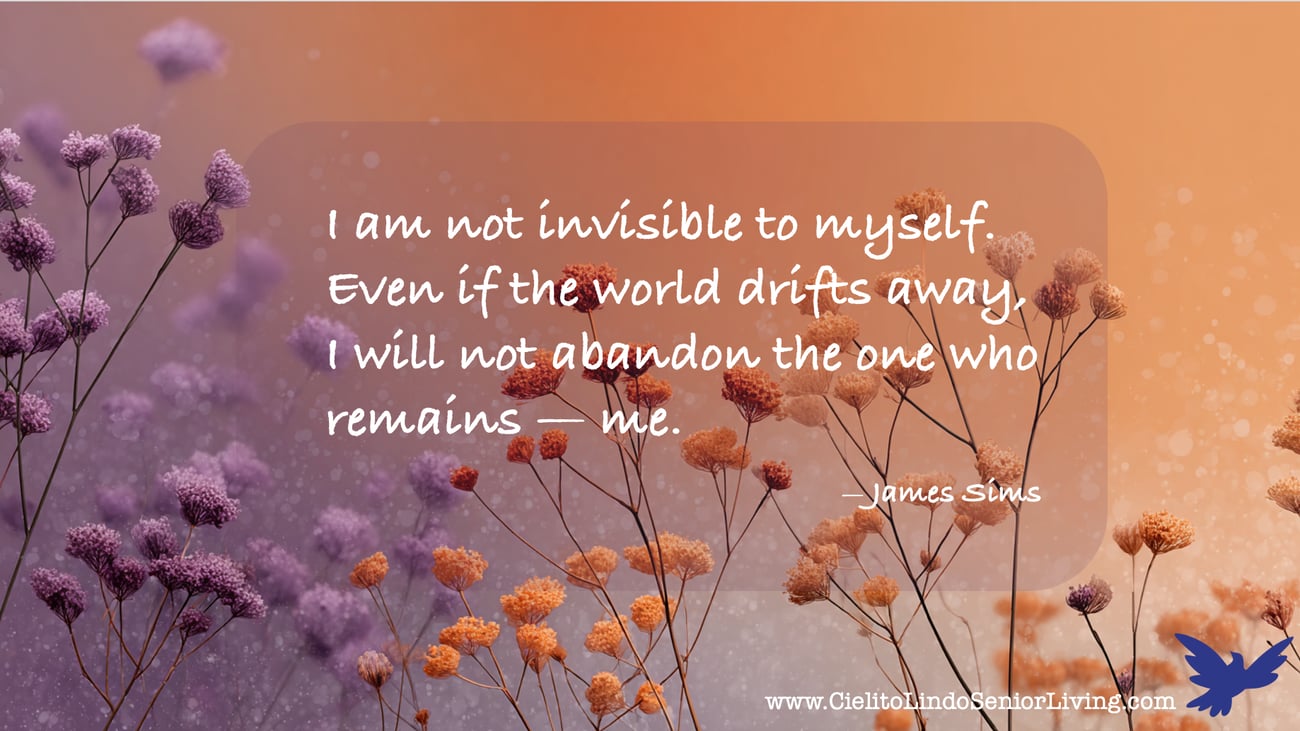
"I am not invisible to myself. Even if the world drifts away, I will not abandon the one who remains — me."
This affirmation speaks to one of the most painful realities of caregiving: the gradual disappearance of social connections and recognition. Friends, family, and even the healthcare system may overlook the caregiver's needs, focusing only on the person receiving care. Over time, this can make a caregiver feel like they've faded from the world's view — as if their identity is swallowed entirely by their role.
The first line — "I am not invisible to myself" — is a reclaiming of self-awareness. It acknowledges that while others may fail to see or validate them, caregivers can choose to recognize their own humanity, needs, and worth.
The second line — "Even if the world drifts away" — names the reality of isolation without flinching.
And the final line — "I will not abandon the one who remains — me" — transforms that isolation into an act of self-loyalty.
It's a reminder that they deserve their own compassion, attention, and care, even when no one else offers it.
This is not about pretending the loneliness doesn't hurt — it's about deciding that in the face of abandonment, the caregiver will not participate in their own erasure. Instead, they will remain steadfast for themselves, because they are still here, still worthy, and still more than their role.
|
|
|
|
|
The Loneliest People in America Are the Ones Caring for the Dying — and
We Keep Abandoning ThemAugust 9, 2025 | James Sims, Editor, www.cielitolindoseniorliving.comShe
scrolls through her phone. No new messages. No calls. Just a prescription reminder and a grocery store promo. Once, her days were punctuated by lunches with friends, weekend outings, and family gatherings. Now she eats in silence, listening for the shuffle of confused footsteps in the next room.
Her mother has Alzheimer’s. But what no one warned her was that she’d lose more than her mother. She lost everyone else, too.
This is the hidden tax of caregiving: exile.
Friends drift away. Family checks in via emoji. Neighbors wave from the driveway but don’t step inside. It’s not malice. It’s discomfort. We live in a culture that worships transformation stories—weight loss, business comebacks, medical miracles—but has no language for a
story that doesn’t resolve. Dementia caregiving is not about triumph. It’s about endurance. And that makes people turn away.
The Social Death of a CaregiverAt first, it’s subtle: the unanswered text, the “We figured you were too busy” excuse. Then the invitations stop altogether. People want their old friend back—the fun one, the light one. But long-term care strips life down to bathroom schedules, medications, and exhaustion. There’s no cheerful update to post. Just slow decline.
Even family often recedes. Siblings who promised to “help however they could” stop calling. Cousins offer advice from a distance, but vanish when overnight care is needed. Some criticize from afar, questioning why their loved one hasn’t been moved to a facility—never asking if that’s financially or emotionally possible.
The unspoken message: Your reality is too heavy. Call us when it’s over.
Why We DisappearPsychologists call it “tragedy avoidance.” Prolonged suffering scares us. The caregiver becomes a mirror we don’t want to look into—reminding us that control is fragile, that decline is real, and that love is often grueling.
So we retreat. And in doing so, we make the
caregiver’s burden exponentially heavier.
A Culture That Can’t Sit with PainToxic positivity makes it worse. Instead of honest acknowledgment, caregivers hear: “You’re so strong.” “Everything happens for a reason.” These clichés don’t comfort—they erase. They turn grief into a personal failure to stay upbeat.
And because our society only knows how to honor the victorious, caregivers—who aren’t “beating” anything—remain invisible. Pop culture reduces them to saints or martyrs. The truth is messier: they cry in the bathroom, snap in frustration, wish it were over, then hate themselves for thinking it.
These stories don’t get told because they make us uncomfortable.
The Systemic FailureThe U.S. healthcare system treats family caregivers as background noise—free labor worth hundreds of billions a year. There’s no federal caregiver allowance. No universal paid leave. No job protection for long-term care. No standardized mental health screening for the people holding everything together.
If the caregiver collapses, the patient’s care collapses with them. And yet, collapse is treated as inevitable.
What Caregivers Need
NowEvery dementia diagnosis should trigger two treatment plans: one for the patient, one for the caregiver. The caregiver’s plan should include:- Regular mental health check-ins.
- Respite care hours that can actually be used.
- Financial and legal guidance.
- Stage-specific support groups that match
the reality of their daily life.
This is not charity. This is healthcare infrastructure.
What We Can All DoMost caregivers don’t need grand gestures. They need someone to stay. Here’s how:- Reach out regularly. Don’t expect a reply—just make contact.
- Offer specific help. “I can sit with your dad on Tuesday from 2–4.”
- Show up messy. Don’t wait until
things are tidy. Your presence matters more than your polish.
- Stay even when it’s hard. Especially when it’s hard.
These small acts interrupt the silence. Sometimes they’re enough to keep someone going.
The Cost of Looking AwayWhen we abandon caregivers, we’re not just leaving them to struggle—we’re outsourcing our fear of mortality. We distance ourselves from the truth that love doesn’t always look like progress. Sometimes it seems like sitting beside someone who no longer remembers your name.Caregiving has no clean ending. But it is still heroic. And it deserves our policy, our presence, and our willingness to sit with the messy middle.
Because if we can’t stand by the people caring for the dying, what does that say about the rest of us?
|
|
|
|
|
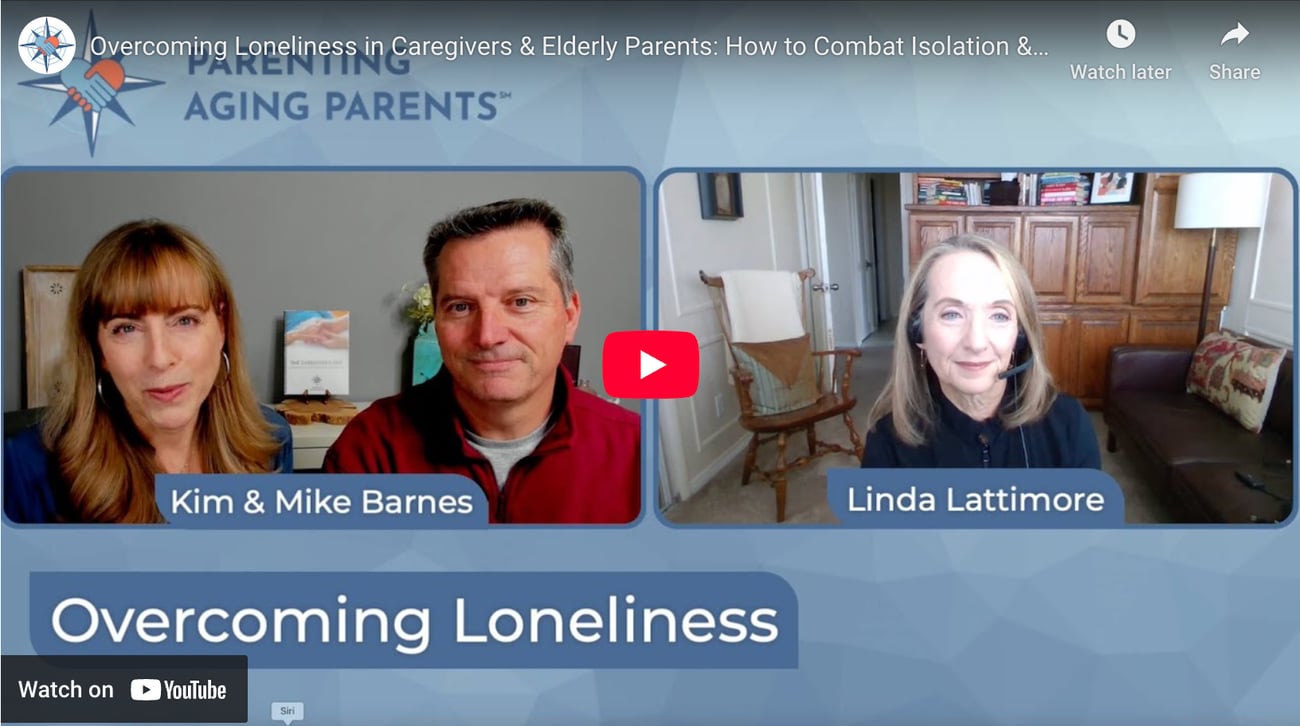
Overcoming Loneliness in Caregivers & Elderly Parents: How to Combat Isolation & Feel Valued
The video addresses the profound loneliness experienced by both caregivers and elderly parents. It
highlights that loneliness is a global pandemic, affecting half of the population, and can have severe health implications. Caregivers often feel isolated and unappreciated, which exacerbates their loneliness. The discussion emphasizes the necessity of self-care and the importance of forming genuine connections with others. Strategies for caregivers include taking time for themselves and seeking out supportive friendships. Ultimately, fostering community and meaningful relationships is essential for combating feelings of isolation and enhancing overall well-being. The conversation continues to explore practical strategies for caregivers and aging parents to foster connections and combat loneliness. It emphasizes the importance of community involvement, sharing experiences, and the value of wisdom from older generations. The discussion encourages making specific efforts to support one another, highlighting that everyone has a role in addressing this epidemic
of loneliness. View the video here. Highlights:0:01 - Discussing the challenges of parenting aging parents and the loneliness caregivers face. 1:06 - Loneliness is identified as a significant global issue, affecting 50% of the population. 1:51 - The paradox of feeling alone despite being connected through social media. 3:40 - Loneliness is compared to smoking 15 cigarettes a day, highlighting its health
risks. 4:30 - Caregivers often feel unappreciated, leading to isolation and loneliness. 5:53 - Emphasizing the importance of self-care for caregivers to combat loneliness. 6:43 - Encouraging caregivers to take time for themselves and connect with others. 7:51 - The significance of community and friendships in alleviating loneliness. 8:24 - The deeper need for meaningful connections beyond just being in a crowd. 8:54 - The importance of finding genuine friendships to combat feelings of isolation. 8:58 - A caregiver shares the impact of genuine interest from others on their emotional well-being. 9:50 - The importance of deep connections and asking meaningful questions to combat loneliness is emphasized. 10:20 - The idea that to have a friend, one must be a friend is discussed as a way to foster connections. 11:02 - Creating safe spaces for sharing experiences among caregivers is crucial for emotional support. 11:46 - Practical suggestions for helping caregivers, like offering specific assistance, are highlighted. 12:31 - Engaging aging parents in community activities can help them feel valued and connected. 13:00 - Online platforms can help elderly individuals contribute and stay connected with society. 14:01 - The value of sharing wisdom and experiences from aging parents is acknowledged. 15:40 - The discussion emphasizes the need for aging individuals to feel valuable and needed. 16:56 - The video concludes with a call to action for everyone to make an effort to combat loneliness.
|
|
|
|
|
Loneliness & Isolation | The Lisa Show CAREGIVING - E3
In this episode of “The Lisa Show,” the discussion centers on the profound loneliness and isolation faced by caregivers. The host shares personal experiences, highlighting the emotional toll of caregiving, especially during challenging times. A licensed counselor joins to explain the difference between objective
isolation and subjective feelings of loneliness, emphasizing that caregivers often prioritize the needs of those they care for over their own. The conversation reveals how caregivers can feel alone even in the company of others, and the importance of forming connections with those who understand their struggles. The episode underscores the need for caregivers to recognize and address their own emotional and social needs amidst their responsibilities.
The episode emphasizes the emotional challenges caregivers face, particularly the feelings of loneliness and grief that accompany their responsibilities. It encourages caregivers to acknowledge their needs and seek support, fostering connections with others who understand their experiences. The discussion highlights the importance of sharing feelings and the power of
community in alleviating isolation.
View the video here.
Highlights:
0:14 – The feeling of aloneness and isolation can be overwhelming for caregivers.
1:09 – Discussing the intense loneliness experienced during caregiving.
2:45 – The realization of loneliness amidst caregiving responsibilities.
3:35 – Caregiving is often a lonely journey, shared by many.
4:16 – A personal story about a son with refractory epilepsy and the challenges faced.
6:30 – The bond formed between caregivers through shared experiences and humor.
10:04 – The deep sadness that accompanies caregiving and the feeling of isolation.
11:05 – Understanding the difference between objective isolation and subjective loneliness.
12:44 – Caregivers can feel lonely even when surrounded by others.
15:30 – The struggle to communicate feelings of loneliness to others who may not understand.
18:45 – Dr. Suzanne DS White discusses the unmet needs of caregivers, particularly women in midlife.
19:36 – Caregivers often prioritize others’ needs, leading to emotional isolation.
21:15 – The importance of human connection is highlighted as a remedy for loneliness.
22:33 – Guilt and shame complicate caregivers’ ability to seek help and support.
23:05 – Acknowledging the need for support is crucial for caregivers.
25:13 – A documentary about caregiving illustrates the loneliness felt even when
connected.
27:02 – Describing needs can help caregivers feel seen and understood.
28:25 – Loneliness is compared to grief,
emphasizing its emotional weight.
31:03 – Caregivers often feel isolated from family and friends, intensifying loneliness.
34:12 – Emily shares coping strategies for managing loneliness and unmet needs.
|
|
|
|
|
Caregiver Isolation & Loneliness – Caregiver Island
In this video, the speaker discusses the profound isolation and loneliness that caregivers often face, coining the term “Caregiver Island” to describe this unique experience. Drawing from personal
experiences over 28 years, she highlights feelings of being overwhelmed, sad, and emotionally drained. The video emphasizes the importance of finding joy and hope amidst the challenges of caregiving, encouraging viewers to seek moments of happiness even in difficult circumstances. The speaker acknowledges the diverse situations caregivers encounter, including the “sandwich generation,” and stresses that while caregiving can feel isolating, support and understanding are vital. Ultimately, the message is one of resilience and the transformative power of love in caregiving.
The speaker emphasizes the importance of self-care for caregivers, highlighting that they often neglect their
own needs while caring for others. She reassures caregivers that God provides support and peace during challenging times. The video encourages caregivers to seek joy and maintain mental health, as these are essential for effective caregiving. The speaker invites viewers to connect with a community of caregivers for support and shares a prayer for their strength and comfort. The message is one of hope, resilience, and the transformative power of love in caregiving.
View the video here.
Highlights:
0:00 – Introduction to the topic of caregiver isolation and loneliness.
0:20 – The speaker emphasizes that caregivers are not alone and shares a message of hope.
1:10 – Personal feelings of isolation and emotional burden experienced over 28 years of caregiving.
1:48 –
Description of “Caregiver Island” as a unique and complex experience.
2:30 – The importance of rest and fresh air for caregivers.
3:12 – The speaker reflects on the blessings that come from caregiving despite challenges.
3:56 – The struggle for joy amidst sadness and weariness in caregiving.
4:44 – Acknowledgment that every caregiving experience is unique with different challenges.
5:27 – The concept of the “sandwich generation” caring for both children and aging parents.
6:49 – Encouragement to find joy in small things despite the difficulties of caregiving.
6:54 – “God entrusted us with this caregiving journey and he had us specifically in mind for this assignment.”
7:30 – “Self-care is very important because so much of us is being poured into caregiving.”
8:14 – “God knows the sacrifices we are making; he helps to keep us in
perfect peace.”
9:02 – “He gets us through the tough times and can breathe new life into us at exactly the right moment.”
10:00 – “God invites us to come to him when we are heavy laden so that he can give us Divine rest.”
11:13 – “Having stable mental health is crucial in order for us to continue to provide love and care.”
11:45 – “Caregiving is a beautiful and wonderful gift wrapped with love, joy, peace, and patience.”
12:03 – “A cheerful heart is good medicine, but a crushed spirit dries up the bones.”
12:24 – “If something I said in this video resonated with you, please join our online caregiver community.”
13:40 – “Please share this video with other caregivers or support groups who might benefit from this message.”
|
|
|
|
|
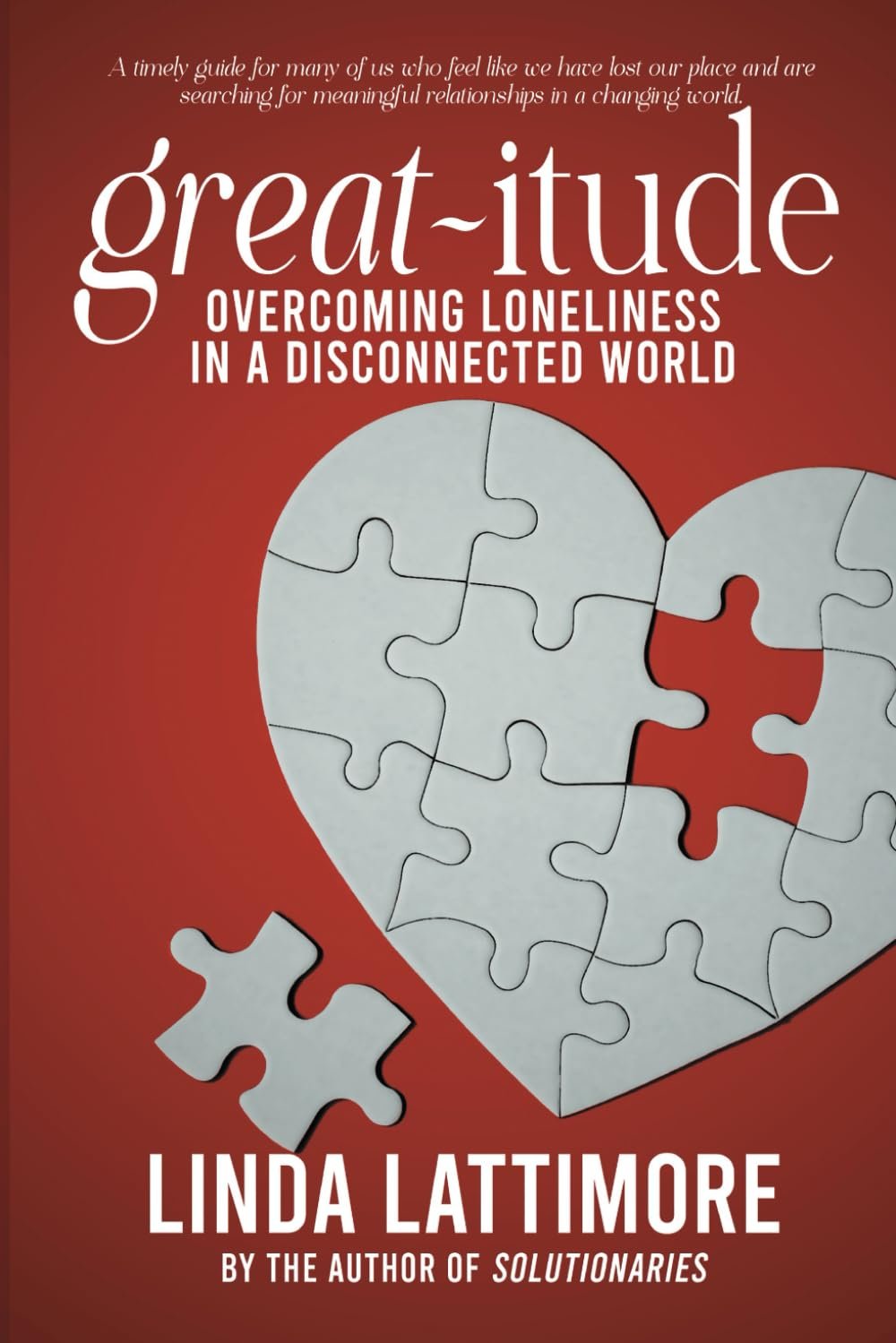
Book Review: Great-itude: Overcoming Loneliness in a Disconnected World
by Linda Lattimore
Overview
Linda Lattimore’s Great-itude is a timely and heartfelt guide for those struggling with loneliness in today’s increasingly digital and distanced society. Aimed especially at people in midlife and beyond—those most likely to feel isolated in this era of remote everything—the book blends personal reflection, community-building strategies, and uplifting wisdom.
It’s a life-affirming call to re-engage with the world around us, written in a way that speaks to readers of all ages, but particularly resonates with older adults navigating a shifting social landscape.
Synopsis
Drawing from her previous work (Solutionaries – You Are the Answer!), Lattimore presents a structured, weekly journey of personal reawakening. Each chapter offers a mix of practical suggestions, thought-provoking questions, and reflection prompts that encourage readers to take small but meaningful steps toward building genuine, heart-centered human connections.
Rather than offering a quick fix, Great-itude fosters long-term emotional growth, helping readers transition from isolation to involvement, and from passive observation to active participation in life.
Key Themes
- Loneliness and Social Disconnection: Explores the emotional toll of modern life, especially for seniors navigating remote lifestyles, digital communication, and cultural fragmentation.
- Community and Belonging: Encourages rekindling a sense of belonging through intentional, face-to-face interactions and participation in
service and local initiatives.
- Gratitude and “Great-itude”: Promotes a mindset of joyful giving and openness, positioning gratitude not just as a feeling, but as a way of life.
- Purpose and Self-Worth: Offers pathways to rediscovering personal value and social contribution, particularly meaningful for retirees or empty nesters who may feel untethered.
- Personal Growth through Reflection: The book is both a guide and a journal, inviting the reader into an introspective process that builds resilience and connection over time.
Writing Style
Lattimore’s tone is warm, conversational, and nurturing—perfectly suited to a readership that may be emotionally vulnerable or seeking encouragement. Her writing is structured
in an accessible format: brief weekly lessons, affirmations, and practical “action items” that don’t overwhelm but inspire movement. The prose is heartfelt without being overly sentimental, and the author’s empathy is evident throughout. It reads like a wise friend walking beside you.
Conclusion
Great-itude is more than a self-help book—it’s a personal companion for anyone feeling left out of the modern world’s digital hustle. Linda Lattimore offers a deeply compassionate roadmap for re-entering community and rediscovering joy, with particular resonance for older adults, caregivers, or those navigating transitions such as retirement,
widowhood, or geographic relocation. In an age where loneliness is being called an epidemic, this book offers not just solace, but real tools for change.
Rating: ⭐⭐⭐⭐⭐ (5 out of 5 stars)
A profoundly uplifting and practical guide, Great-itude earns a full five stars for its authenticity, clarity, and relevance. A must-read for seniors and anyone seeking meaningful reconnection in a fragmented world.
Additional Resources Cielito Lindo Offers
We have curated collections of resources that may be useful.
Articles - We write fresh articles about senior living, health, care, and finances every week
Caregiver Books - We review books related to caregiving methods, logistics, challenges, and coping
Senior Health - We review books related to healthspan, lifespan, and disease
We also have 1,600+ other senior care and expat in Mexico videos: YouTube
|
|
|
|
|
| Cielito Lindo's basic information is included for your convenience:
|
|
|
- Cielito Lindo Info: After the signature, the newsletter always includes information about Cielito Lindo, so it is at your fingertips when you want it: Our costs, various related websites, social media channels like YouTube, our various addresses, and so on.
- Travel Info: Recommended airports and shuttles.
|
|
|
Web Sites - Cielito LIndo and Rancho Los Labradores
Here are our Web sites, including Cielito Lindo and Labradores Suites (hotel) all of which are part of the larger Rancho Los Labradores gated community just north of San Miguel de Allende.
- Cielito Lindo provides independent living, light assisted living, assisted living, memory care and hospice with 24*7 staffing along with a la carte assisted living services to those living in the villas and suites at Rancho Los Labradores.
- Rancho Los Labradores Suites offer short and long term residence.
- Rancho Los Labradores is a country club resort feeling CCRC that provides a gated community with countless amenities and opportunities for different levels of independent living along with assisted living and memory care within Cielito Lindo.
Cielito Lindo Living Options & Costs Guide
We offer several living options depending on the level of care you or your loved one needs. Here’s a breakdown to help you plan:
1) Villas (Rent or Own)
- Cost: $1,300 – $1,700 per month
- Additional Costs: Utilities, renter’s insurance, etc.
- What’s Included: This is mostly independent living.
- Extras: You can add independent or assisted living services (charged separately, à la carte).
- Support: We can connect you with a realtor if you'd like to purchase.
2) Cielito Lindo Condos & Suites
Best for: Independent living with optional assistance.
Option 1: Independent Living + Meals
- Cost: $2,250 per month
Includes:- 2 meals a day
- Monthly medical check-up
Optional Add-ons:- Meals for an additional person: $450/month
- Extra care services available à la carte
Option 2: Light-Assisted Living in Condos & Suites
- Cost: $3,900 per month
Includes:- Full assisted living services
- Designed for residents who still want independence but need some support
- Smooth transition to full Assisted Living or Memory Care as needs
change
- One-Time Inscription Fee: $4,000
For Couples:- $4,900/month for two people
- Same one-time fee ($4,000 per couple)
- Note: Suitability is based on cognitive ability, mobility, and safety.
3) Cielito Lindo Assisted Living, Memory Care, & Hospice
Best for: Seniors needing full-time care and supervision.
- Cost: $3,900 per month
Includes:- 24/7 care and monitoring
- All meals
- Physical therapy
- Full-time doctor on site
- Spacious private room with
bath
- One-Time Inscription Fee: $4,000
- For Couples: $4,900/month
4) Specialized Hospice Suite
Best for: Intensive care needs or end-of-life comfort and also recuperative at a far lower cost than a hospital- Cost: $4,900 per month
Includes:- Full 24/7 monitoring
- Recuperative, Palliative and hospice care
- On-site doctor
- All meals
- Special space for visiting
family
|
|
|
YouTube videos and Curated Playlists
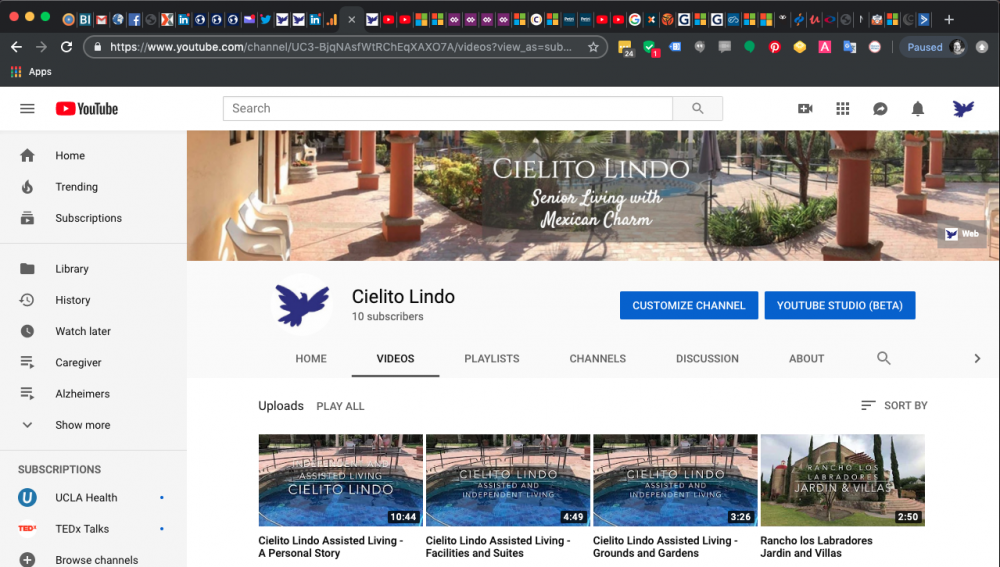
Here is our YouTube Channel. This is where we have lots of videos about Cielito Lindo and Rancho Los Labradores. We also have 1,600+ other senior care and expat in Mexico videos: YouTube |
|
|
|
|
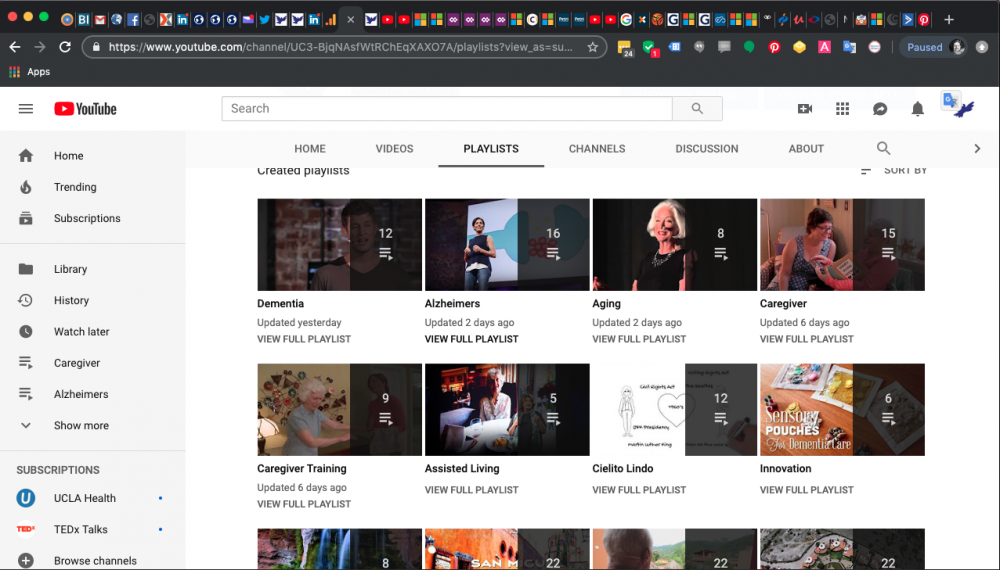
Additionally, our playlists cover a wide area and include 1,200+ videos. These playlists include videos about San Miguel and Mexico in general, caregiving and health, and a broad spectrum of senior living topics. Playlists
|
|
|
|
|
Additional Resources We Offer
We have curated collections of resources that may be useful:
Articles - We write fresh articles about senior living, health, care, and finances every week
Caregiver
Books - We review books related to caregiving methods, logistics, challenges, and coping
Senior Health - We review books related to healthspan, lifespan, and disease
And here are our various social media forums, where we talk a lot about assisted living and memory care along with the various sort of challenges that sometimes come in our senior years (Alzheimer’s, Parkinson other dementias, and so on), but also about senior living in Mexico.
Facebook
|
|
|
|
|
|
|
|
|
|
|
|
|
|
|
|
|
|
|
Please don’t hesitate to contact me for anything related to senior living, especially in Mexico. I will gladly give you any assistance I can.
Thanks again!
James
James Sims
Marketing and Sales
Cielito Lindo Senior Living
1. 888.406.7990 (voice and text)
Phones:
English speaking:
1.888.406.7990 (in US & CDN)
00.1.881.406.7990 (in MX)
Spanish speaking:
011.52.415.101.0201 (in US & CDN)
1.415.101.0201 (in MX)
Expat Logistics:
Visas for Expats:
Sonia Diaz Mexico
Immigration
Pros MX
Tax Considerations for Expats:
Robert Hall Taxes
Best Bank:
Intercam Banco
Located in: Plaza De La Conspiración
Address: San Francisco 4, Zona Centro,
37700 San Miguel de Allende, Gto., Mexico
Hours: Open ⋅ Closes 4 PM
Phone: +52 415 154 6660
Addresses and Travel:
Physical address:
Cielito Lindo Independent and Assisted Living, Camino Real Los Labradores S/N, Rancho Viejo 1, San Miguel de Allende, GTO, Mexico, 37885
Packages from online providers like Amazon:
Camino Real Los Labradores, Rancho Los Labradores / Cielito Lindo, San Miguel de Allende, GTO, 37880 México
PO Box for letters and small envelopes:
Rancho Los Labradores / Cielito Lindo, c/o Alejandra Serrano ,
PMB N° 515-C, 220 N Zapata HWY N°11, Laredo TX, 78043-4464
Best airports to fly into: Leon (BJX) or Queretaro (QRO)
Best airport shuttle: BajioGo
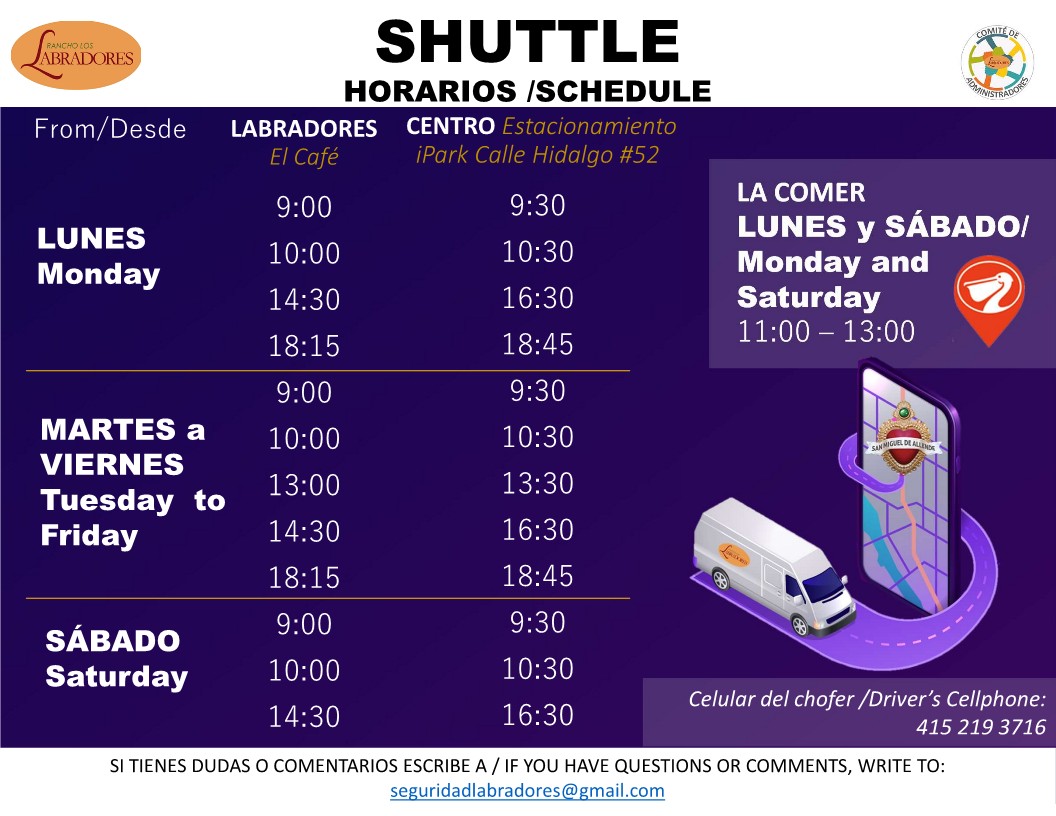
Shuttle:
Shuttle between San Miguel and Cielito Lindo
|
|
|
|
|
|
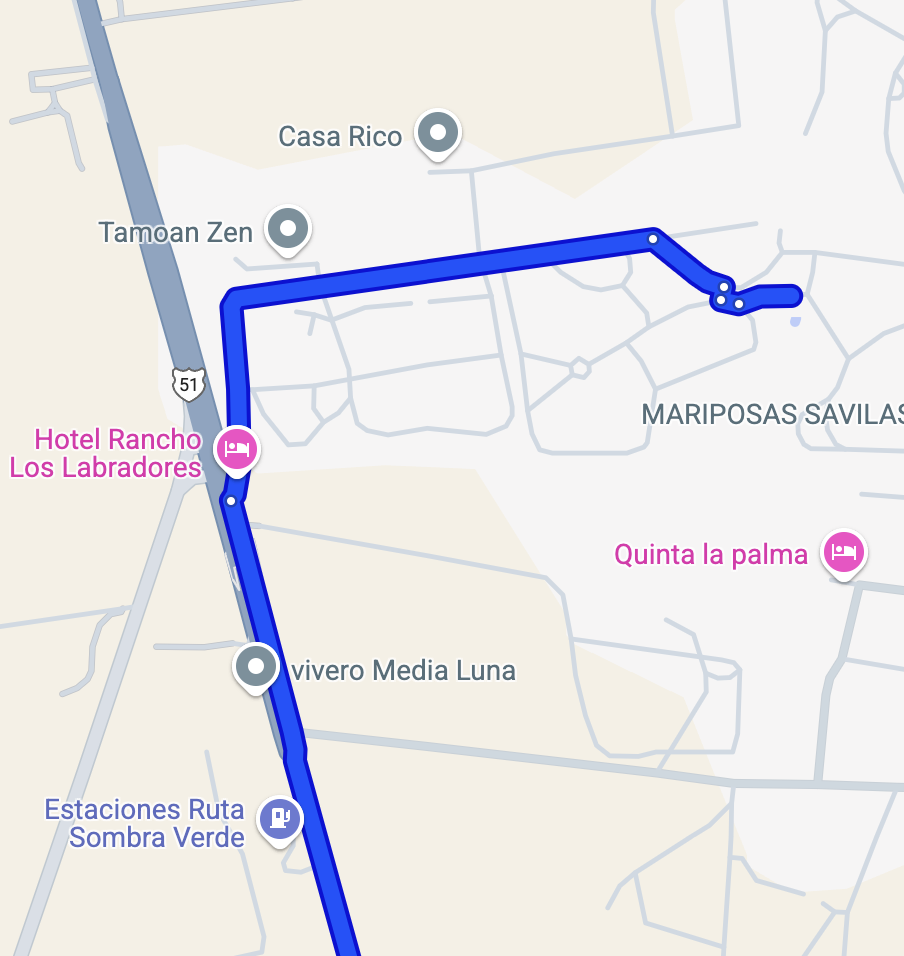
Maps and Navigation
Best smartphone navigation for Mexico and Central America: Waze
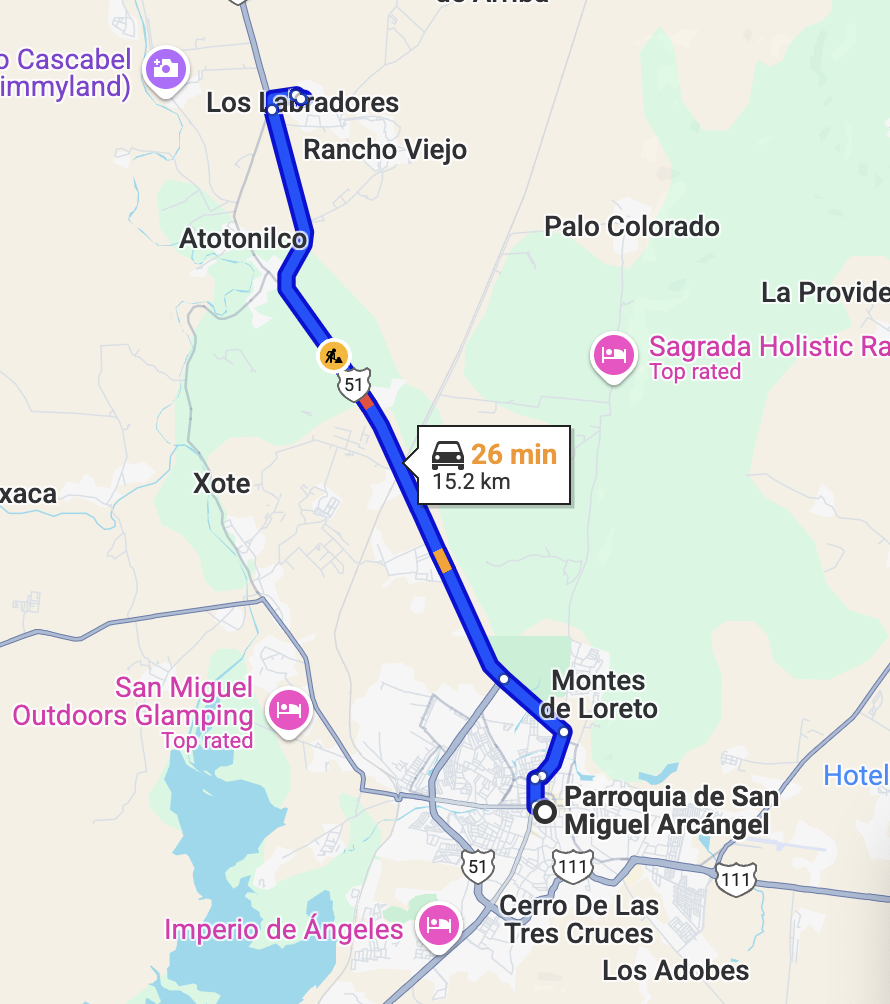
These two maps the location of Cielito Lindo / Rancho Los Labradores, 15 km north of San Miguel on Highway 51, just opposite the Atoltinilco exit.
|
|
|
|
|
|
|
Regards,
James
James Sims
Marketing and Sales
Cielto Lindo Senior Living
James@CielitoLindoSeniorLiving.Com
|
|
|
|
|
|
|
|