|
|
Subject: Your Weekly Guide to Senior Living & Care in Mexico
Dear ,
Welcome to your weekly touchpoint from all of us at Cielito Lindo. Each edition brings together helpful insights, heartwarming stories, expert advice, and curated resources about senior living, retirement, and age-related care challenges—including Alzheimer’s, Parkinson’s, stroke, limited mobility, and more.
We understand that navigating this stage of life can be overwhelming, whether for yourself or a loved one. That’s why we're here—to offer guidance, support, and a glimpse into the enriching life many have found
here in beautiful San Miguel de Allende.
If you find this newsletter valuable, please forward it to a friend or family member who might also benefit. They can easily subscribe via our Newsletter page. And of course, if you ever wish to unsubscribe, there’s a quick opt-out link below at the bottom right corner of this newsletter.
Here’s what we typically cover each week:
- San Miguel de Allende
highlights – why this is such a special place to live
- Health & wellness insights – articles, videos, and expert reviews
- Care options & community life at Cielito Lindo – flexible, affordable living with a warm, human touch
This Week’s Theme: Binaural Beats for Mood Enhancement
The week's newsletter highlights the mind, body, and soul healing that can be had through the practices of Emotional Coherence (Heartmath).
|
|
|
|
|
| Weekly insights into San Miguel:
|
|
|
Colorful & Epicurean San Miguel
While much of what we discuss involves the
challenges of aging and caregiving, it's also important to celebrate the beauty that surrounds us. San Miguel de Allende is a feast for the senses—bursting with color, rich in culture, and renowned for its incredible food and art. It’s not just a place to live—it’s a place to thrive, to enjoy, and to heal.
|
|
|
|
|
The Colors of San Miguel: The Quiet Fire of Día de los Muertos in San Miguel de Allende
In San Miguel de Allende, Día de los Muertos arrives not with loud fanfare, but with quiet ceremony—a slow blooming of
color and memory across the city’s oldest stones. As late October deepens, the air cools just enough to carry the scent of cempasúchil—bright marigolds said to guide the dead back to the world of the living with their vibrant petals and musky sweetness.
At the Panteón de Nuestra Señora de Guadalupe, families arrive with buckets of water, rags, fresh flowers, and small tools. The ritual begins simply: cleaning the headstones. You see women on their knees, gently scrubbing marble with reverent hands, young boys refilling vases with water, and elders sitting nearby, softly humming or remembering aloud. There is no rush here—only the slow rhythm of reconnection.
The graves bloom. Towers of orange and fuchsia
marigolds, purple statice, white baby’s breath. Bright papel picado flutters between crosses. Candles flicker at dusk. The atmosphere is both alive and sacred, a threshold place.
Color is not ornamental; it is profoundly symbolic:
- Orange (cempasúchil): Represents the sun and guides spirits home.
- Purple: Signifies pain and mourning, but also the transformation between life and death.
- White: Purity and the hope of renewal.
- Black: The underworld, mystery, and the eternal cycle.
Some families add salt for purification, sugar skulls for humor, pan de muerto for nourishment, and small cups of mezcal—tiny offerings to
those who once laughed, danced, cooked, and wept in these same hills.
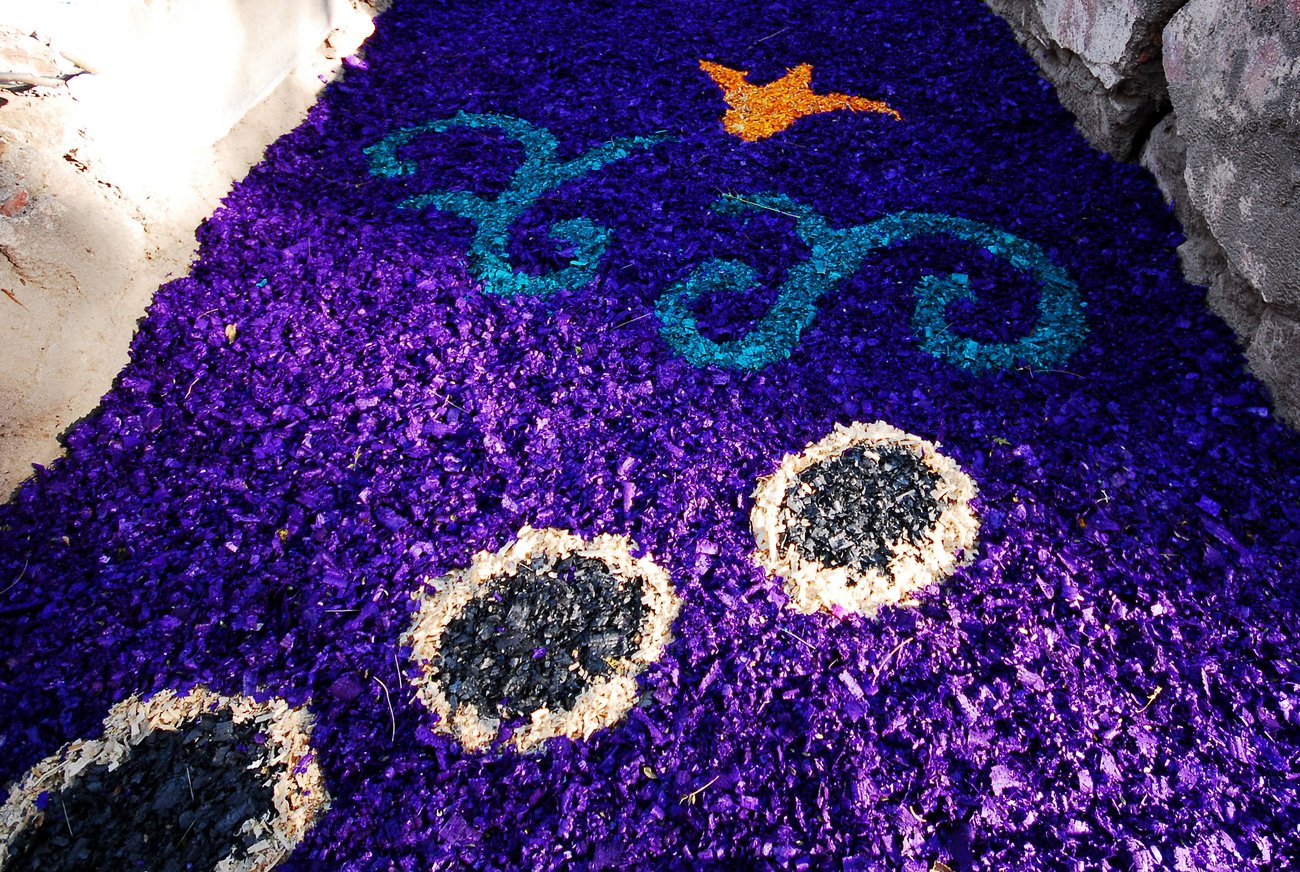
In callejones and plazas, you may see tapetes de aserrín—like the one in this photo—ephemeral rugs made of dyed sawdust. They appear in stunning blues, purples, ochres, and blacks. Carefully arranged in swirling patterns or the shapes of birds, skulls, or saints, these tapetes are walked upon during processions—disappearing slowly underfoot. There's something achingly beautiful in their impermanence: they are made to be erased, like footprints on the way to another world.
At night, candlelit altars appear across town—on stoops, in shop windows, in quiet corners of the Jardín. Each one is a personal poem. Portraits of grandparents, a
lipstick-stained teacup, a tamal wrapped in cloth, a pair of dusty work gloves. The veil thins, and the past sits beside us.
Día de los Muertos in San Miguel is not spectacle—it is intimacy. The city does not mourn with grand noise, but with tenderness, with marigold petals and careful hands. It remembers its dead not with sorrow, but with warmth, color, food, and light. And in that remembering, something eternal stirs beneath the cobblestones.
What a beautiful place, people and culture!
|
|
|
|
|
Restaurant: Ziracco
Address: Plaza Cibela, Calle del Dr. Ignacio Hernández Macías 98, Zona Centro, San Miguel de Allende, Gto., Mexico
Phone: +52 415 154 5089
Days and Hours:
Sunday–Thursday: 1 PM–11 PM
Friday–Saturday: 1 PM–12 AM
Atmosphere:
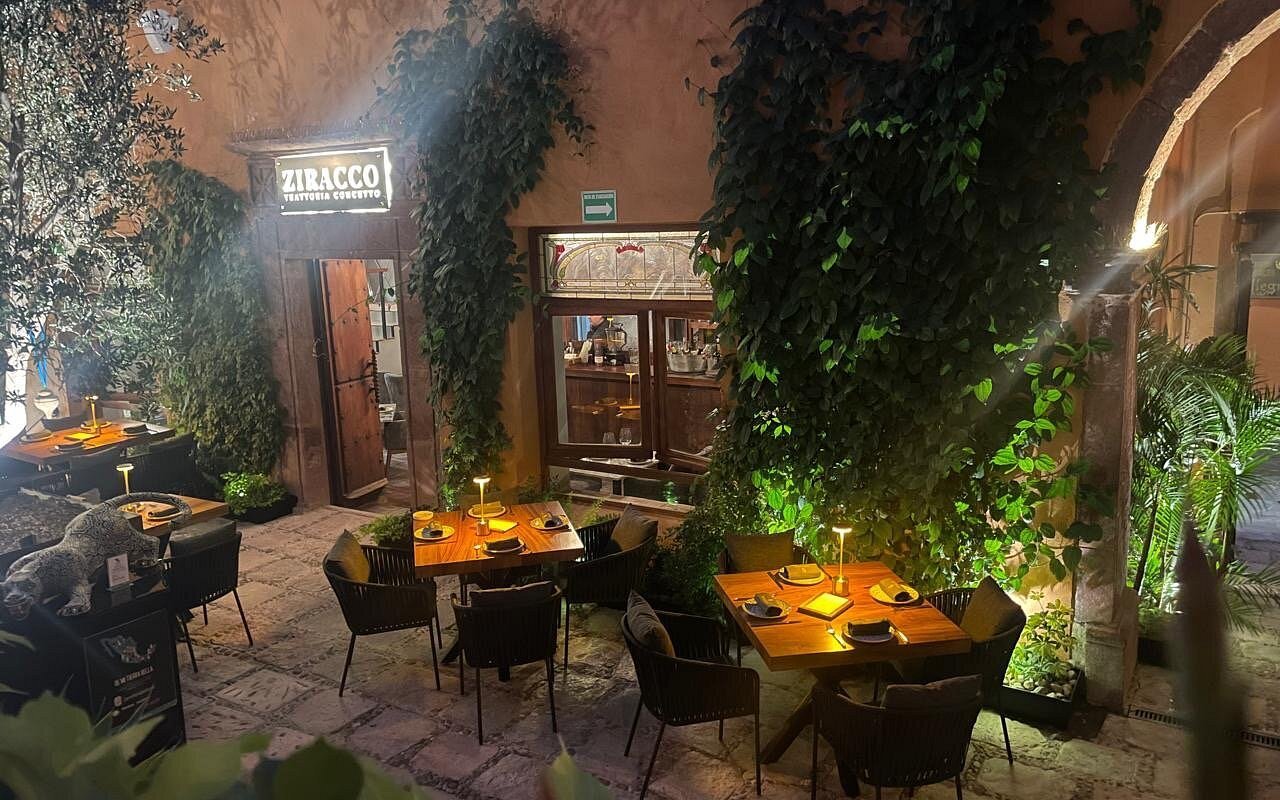
Set in a beautifully restored historic residence, Ziracco features an enchanting central courtyard and elegant terraces that exude Tuscan charm. Gentle Italian, lounge, and bossa nova music complement the intimate, refined decor, creating a truly immersive dining environment
Service:
Impeccable and polished, the attentive staff manage even large bookings with
ease—Don Day noted exceptional handling of 21 orders with grace dondayinsma.com. Multiple reviews highlight servers like “Benjamin” for kindness and professionalism
Cuisine:
Authentic Italian fare shines through house‑made pastas, prepared with techniques reminiscent of Italy—even some made tableside . The kitchen demonstrates culinary precision and dedication to traditional flavors
Signature Dish:
Tagliatelle al Parmigiano – a customer favorite praised by many. Also recommended: short rib ravioli and steak with gorgonzola.
Starters:
Guests enjoy fresh bread, candied garlic, potato croquettes, salads, and bruschetta-style antipasti—often served with generous hospitality .
Main Courses:
- Tagliatelle Parmigiano
- Short Rib Ravioli
-
Pappardelle al ragú de cordero
- Pizza with gorgonzola, walnut & pear
- Steak with gorgonzola
Desserts:
Classic tiramisù garners high praise, while an afogato and housemade gelatos offer elegant conclusions.
Wine and Cocktails:
A thoughtfully curated wine list—featuring Italian and international
selections—and top‑notch cocktails (Aperol Spritz, excellent martinis) enhance the experience .
Final Thoughts:
Ziracco has swiftly earned recognition—Don Day’s Best New Restaurant 2025 and glowing press accolades—for delivering an exceptional Italian dining experience in the heart of SMA. Combining historic charm, first-class service, and outstanding cuisine, it’s a compelling choice for romantic dinners, celebrations, and refined gatherings.
Cost: $$$$
Expect midsize-to-premium prices: shared pastas, premium meats, and wine elevate the
dining.
Rating: ⭐️⭐️⭐️⭐️⭐️ (5/5)
Tips:
- Reserve in advance—especially Friday and Saturday nights.
- Come early to enjoy aperitifs in the courtyard.
- Don’t miss the Tagliatelle Parmigiano or Steak with gorgonzola & figs.
In short, Ziracco captures the essence of a Tuscan trattoria with Mexican soul—and its meteoric rise is well deserved.
|
|
|
|
|
Health, Caregiving & Life in Mexico
|
|
|
This section brings you thoughtful, relevant, and at times, even life-changing content to support your journey—whether you're exploring care options, supporting a loved one, or planning for your own future.
- Lead Article - Each week’s main feature is written just for you—diving into meaningful topics like extending healthspan, navigating diagnostics, or understanding the causes of Alzheimer’s and other dementias. We also occasionally explore the beauty and cultural richness of Mexico, including Pueblos Mágicos and the colorful life in San Miguel de Allende.
- Op Ed - A short editorial that reflects on the lead article’s themes, offering a personal or thought-provoking perspective.
- Caregiver’s Sentiment - A heartfelt quote or reflection honoring the emotional depth of caregiving—because your feelings and efforts matter.
- Videos - Two or three curated videos that align with the week’s theme, featuring summaries and timestamped highlights to make them easy to explore.
- Book Reviews - One or two handpicked books to deepen your understanding, lift your spirits, or simply remind you that you’re not alone.
|
|
|
|
|
Finding Balance: Emotional Coherence Amid Long-Term Caregiving
There’s a part of caregiving that no one prepares you for—not the grief, not the exhaustion, but the slow erasure of yourself.
It doesn’t happen overnight. It
happens between medication refills and midnight emergencies, in the moments when someone else’s needs eclipse your own, again and again. What begins as an act of love quietly becomes a full-time surrender of your identity, your body, and your nervous system.
And the world applauds your sacrifice—without offering real support.
But what if surviving this role didn’t have to mean disappearing inside it?
What if staying whole wasn’t a fantasy
but a skill?
This article explores the science—and the practice—of emotional coherence, a physiological state that helps caregivers stay grounded in the storm rather than lost to it. It’s not about optimism. It’s about resilience you can measure, train, and reclaim.
Article Highlights- Caregiving at 3 a.m. captures the surreal, exhausting, and emotionally fraying reality of life with a loved one facing dementia or chronic illness.
- Caregiving erodes identity—emotionally, physically, psychologically—as it demands unrelenting vigilance and sacrifice.
- The concept of emotional coherence offers a path to stay intact within chaos rather than being consumed by it.
- Emotional coherence is a physiological state where thoughts, emotions, and bodily systems align, enabling presence without overwhelming.
- Heart rate variability (HRV) is a key marker of coherence; higher variability indicates better stress adaptability.
- Chronic caregiving stress can tank HRV, flood the body with cortisol, and push the nervous system into survival mode.
- Achieving coherence calms the nervous system improves focus, and fosters intentional responses over panic.
- The HeartMath Institute provides science-backed tools and training to develop emotional coherence, not just theory.
- HeartMath’s tools (like Inner Balance and emWave) give real-time HRV feedback to help caregivers self-regulate.
- Over 400 studies confirm measurable benefits: reduced anxiety, better sleep, lower cortisol, and improved immune function.
- Caregiving is often isolating and physically damaging, leading to serious mental and emotional health impacts.
- Society’s praise
for caregivers often masks a lack of meaningful support and normalizes their self-erasure.
- Emotional collapse under caregiving pressure is not failure—it’s biology, but biology also allows for recovery.
- Coherence is not detachment; it means staying grounded in love and grief without dissolving under their weight.
- With simple tools and daily practice, coherence becomes cumulative, helping caregivers return to themselves—again and again.
You can read the complete article here and select others from our
collection of 100+ articles on our site.
|
|
|
|
|
Caregiver’s Sentiment: New Found Happiness
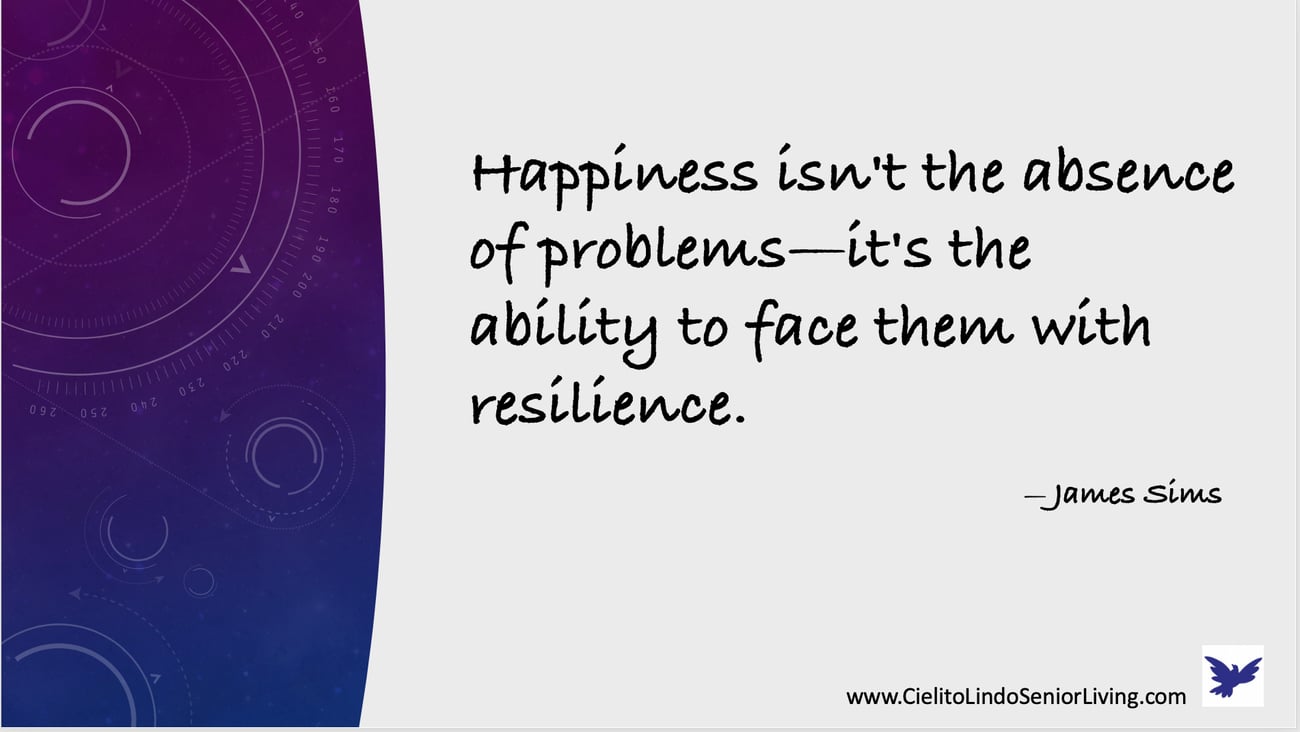
"Happiness isn't the absence of problems—it's the ability to face them with resilience."
This quote offers profound resonance in the world of long-term caregiving—a realm where problems are not rare interruptions but daily companions. For caregivers, happiness can feel elusive, often mistaken for something that must wait until caregiving ends or crises subside. But as this quote—likely inspired by motivational writer and speaker Steve Maraboli, who penned in Life, the Truth, and Being Free, “Happiness is not the absence of problems; it's the ability to deal with them”—reminds us, the presence of difficulty does not preclude the presence of joy. The two are not mutually exclusive.
In fact, caregiving can become a crucible through which deeper, more enduring forms of happiness are forged—not in spite of hardship, but
through our capacity to meet it with grace and resilience. This is where emotional coherence becomes essential. Over the long arc of caregiving, it's easy to lose touch with oneself—submerged in logistics, appointments, and the quiet, relentless emotional labor of witnessing another's suffering. Yet when we pause to align our inner life—our feelings, needs, and longings—with our outer actions, we begin to rediscover not just balance, but identity.
This rediscovery is not about reclaiming a life that once was, but about shaping a new one—where happiness is redefined not as the absence of pain, but as the quiet, powerful strength to move through it with integrity and wholeness. In this light, the quote becomes not just a reflection, but a roadmap.
|
|
|
|
|
A Fellow Caregiver's Plea; Give Yourself Permission to Exist
June 19, 2025 | James Sims, Editor, www.cielitolindoseniorliving.com
There comes a moment in caregiving—not marked by any milestone or emergency—when
you realize you’ve started to disappear.
It happens gradually, imperceptibly. You give a little more each day: your time, your sleep, your breath, your voice. Until one day you’re no longer sure when you last made a decision based on your own needs. You are present for someone else’s pain, constantly. But for your own presence? That starts to fade.
Caregiving, especially for a loved one facing dementia or chronic illness, demands a type of vigilance that most people cannot fathom. It reshapes your days and recalibrates your nervous system to crisis mode. In the name of love, you trade your boundaries for their safety, your silence for their peace. And all the while, the world offers you praise but little protection.
We tell ourselves we don’t have time to care for ourselves. But what if the real question is: can we afford to vanish completely?
This isn’t
just emotional fatigue. It’s biology. Chronic stress from caregiving depletes heart rate variability (HRV), floods the body with cortisol, and wires the nervous system for survival. Over time, we stop responding with intention and begin reacting from depletion. This is not weakness. It’s chemistry. And it can be changed.
That change begins with a concept called emotional coherence. It’s not about being calm. It’s not about having it all together. Emotional coherence is a physiological state in which our thoughts, emotions, and bodily systems align. In this state, our breath deepens, our heart rhythms stabilize, and our minds begin to clear.
Through simple practices—like Heart-Focused Breathing™ or tools from the HeartMath Institute—caregivers can begin to train their bodies to return to coherence. These aren’t lofty self-care rituals. They’re practical lifelines. You can practice coherence while
doing dishes, sitting in traffic, or waiting during a doctor’s appointment.
Using devices like Inner Balance,emWave and even my smartphone, I started tracking my HRV. What I saw was a mirror of my internal chaos—until I learned to breathe differently. Not just deeply, but with focused attention on the heart. In those moments, something shifted. The anxiety softened. My thoughts returned. I felt, for the first time in a long while, like myself.
These changes may seem subtle, but they are profound. Studies confirm that coherence improves sleep, immune function, cognitive clarity, and emotional resilience. But beyond the data, coherence offers something more elusive: it offers return. A pathway back to your center.
Caregiving will never be easy. It is, at its core, an act of profound love. But love does not require self-erasure. And devotion does not demand disintegration. You can show up
for someone else without vanishing yourself.
What coherence reminds us is that presence—true presence—is not a byproduct of grit. It is a practice of regulation. A daily, sometimes hourly, commitment to remember that you matter too.
You don’t need hours or perfection to begin. Just a breath. Just one moment of attention turned inward. One decision to check in with your body and ask: what do I need to return to myself?
Because the longer we tell ourselves we don’t have time, the more we lose of who we are. And in the end, the person we’re caring for doesn’t just need our function. They need our wholeness.
So this is my invitation: to reclaim coherence not as luxury, but necessity. To remember that your nervous system deserves safety, too. That you, caregiver, are not just a vehicle for another’s survival. You are a person. You are still here.
And you are absolutely worth retrieving.
|
|
|
|
|
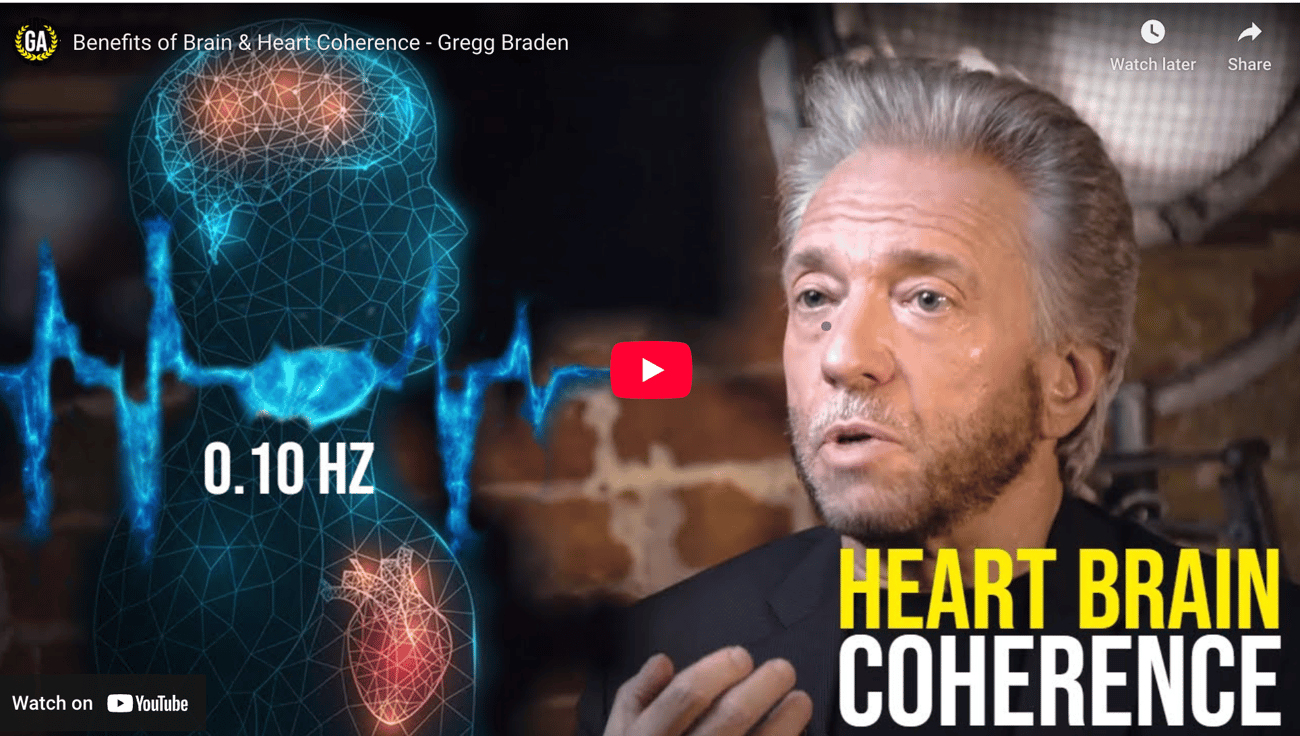
Video: Benefits of Brain & Heart Coherence – Gregg Braden
In this video, the host explores the intricacies of climate change and its proactive solutions, emphasizing the urgency of individual and collective action. Key concepts discussed include renewable energy sources, sustainable practices, and the importance of policy changes to combat environmental
degradation. The video culminates with inspiring examples of communities successfully implementing green strategies, demonstrating that positive change is achievable at both local and global levels.
View the video here.
Highlights
0:45 Introduction to the topic of climate change, showcasing alarming statistics that set the tone for urgency.
2:00 Discussion of
renewable energy options, particularly solar and wind, and their potential impact on reducing carbon footprints.
3:30 Presentation of innovative sustainable practices from various communities around the world, highlighting their successes.
5:30 Interview segment with an expert discussing the role of government policies in fostering environmental initiatives.
8:00 Features a case study of a town that achieved significant reductions in waste, illustrating practical application of concepts discussed.
10:00 Call to action for viewers, encouraging personal involvement in environmental efforts and community engagement.
12:00 Closing remarks that emphasize hope and the collective power of individuals to drive change.
14:10 Summary of key takeaways, reinforcing the importance of solutions discussed and ongoing efforts needed.
|
|
|
|
|
Why Heart Coherence Matters for Caregivers and Their Loved Ones
In the often-overwhelming world of caregiving—especially in the context of chronic illness, dementia, or end-of-life care—emotional regulation becomes as essential as practical support. Caregivers are called upon to be calm in the chaos, present under pressure, and resilient in the face of emotional fatigue. Heart coherence offers a powerful, evidence-based method for cultivating that kind of inner stability.
For caregivers, achieving heart coherence can reduce stress, improve focus, and restore emotional balance—all of which help prevent burnout. Just as importantly, this coherent state can be felt by those around them. Research shows that emotional states like anxiety or calm can be transferred between individuals, especially in close relationships. By fostering their own coherence, caregivers can become a calming presence for their loved ones, helping regulate distress, confusion, or fear in the person receiving care. This
creates a feedback loop of mutual emotional support—beneficial for both parties.
Heart coherence is not just a concept; it’s a trainable, practical tool that helps caregivers preserve their well-being and enhance the care they give.
Video: What is Heart Coherence?
Heart coherence is a state of optimal physical, emotional, and mental functioning characterized by synchronization among various body systems. Identified by researchers at the HeartMath Institute in the 1990s, this state enhances well-being and reduces stress. Coherence reflects harmonious order and stability, evident in nature’s balance. Individuals can experience increased coherence during moments of flow, leading to clarity and adaptability. Importantly, heart coherence can be
cultivated, allowing individuals to manage stress better and achieve inner stability. By learning to integrate heart coherence into daily life, one can unlock their potential and enhance overall quality of life.
Heart coherence is a state of optimal physical, emotional, and mental functioning characterized by synchronization among various body systems. Identified by researchers at the HeartMath Institute in the 1990s, this state enhances well-being and reduces stress. Coherence reflects harmonious order and stability, evident in nature’s balance. Individuals can experience increased coherence during moments of flow, leading to clarity and adaptability. Importantly, heart coherence can be cultivated, allowing individuals to manage stress better and achieve inner stability. By learning to integrate heart coherence into daily life, one can unlock their potential and enhance overall quality of life.
Highlights:0:05 – Heart coherence is a healthy high-performance state that enhances our physical, emotional, and mental well-being.0:20 – Coherence implies harmonious order, connectedness, stability, and efficient energy use.0:30 – Nature exemplifies coherence through its beauty and intricate balance.0:42 – Increased coherence can occur during human experiences, leading to a sense of flow and clarity.1:02 – In the 1990s, researchers at the Heart Math Institute identified heart coherence as a physiological state.1:11 – Heart coherence occurs when body systems like breathing, blood pressure, and heart rhythms are synchronized.1:24 – This state affects not only physical processes but also mental and emotional stability.1:36 – Heart
coherence can be self-created, reducing mental and emotional stress.1:43 – It is a synchronized state that can be learned and integrated into daily life.1:52 – Achieving heart coherence allows individuals to become their best selves.
|
|
|
|
|
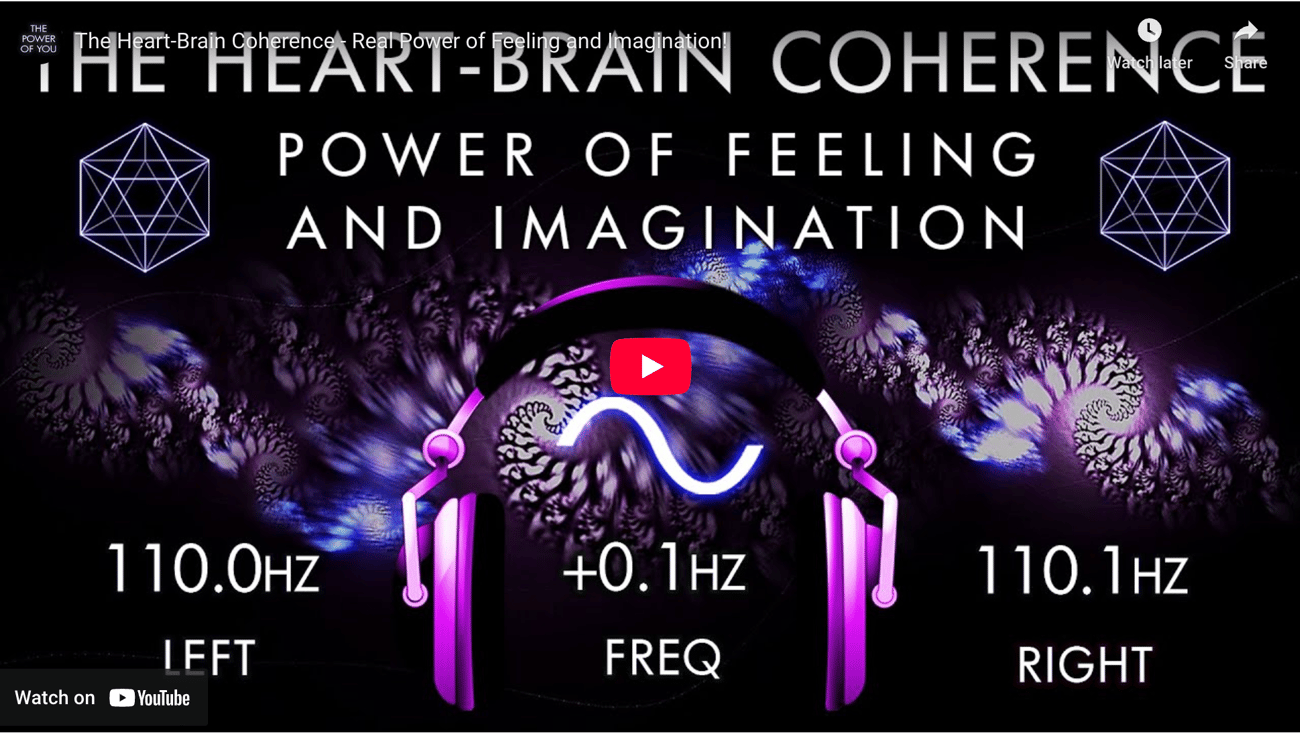
Video: The Heart-Brain Coherence – Binaural Brain Entrainment
View the video here.
Watch the full 8-hour experience here.
This immersive 8-hour audio track is designed to promote heart-brain coherence using binaural beats and rhythmic induction patterns. Produced with a left carrier frequency of 110.0 Hz and a right carrier frequency of 110.1 Hz, it creates a 0.1 Hz binaural interval—aligned with the frequency associated with the coherent heart rhythm state.
About the Frequency
The 0.1 Hz frequency corresponds to the natural rhythm of the cardiovascular system when in
a state of emotional balance and coherence. This rhythmic pattern—a sine wave-like heart rhythm—is often induced by sustained feelings of love, gratitude, compassion, and appreciation. It’s at the core of what researchers call heart-brain coherence, a physiological and emotional alignment shown to enhance cognitive function, emotional stability, and overall well-being.
Listening Recommendations
- For optimal results, listen using high-quality headphones or earbuds. This ensures your brain accurately perceives the binaural beat and responds to the subtle frequency difference.
- Stereo speakers can be used if headphones are not available, but the effect may be diminished.
- Keep the volume low and comfortable to allow for relaxation and subconscious engagement.
What Are Binaural Beats?
Binaural beats are a form of auditory illusion. When two slightly different frequencies are presented to each ear, the brain perceives a third tone—the difference between the two. In this case, the 0.1 Hz beat frequency is designed to support parasympathetic nervous system activation and deeper emotional regulation.
What Is Rhythm Induction?
Rhythm induction involves repetitive, embedded audio patterns that help establish a subconscious imprint. These patterns work through pan exchanges and pulses to help guide the listener into a deeper meditative or relaxed state.
What Is Heart-Brain
Coherence?
Heart-brain coherence describes a synchronized state between the heart’s rhythmic patterns and brainwave activity. This harmony promotes:
- Enhanced emotional regulation
- Improved clarity and decision-making
- Increased vitality and energy
- Better sleep and stress resilience
You can feel this coherence as a state of inner balance—where thought and emotion align, and the mind becomes calmer, more focused, and more receptive.
How to
Practice Heart-Brain Coherence
To support the effects of this audio session, try incorporating the following practice:- Slow your breathing to around 5–6 breaths per minute.
- Focus on a heartfelt emotion such as appreciation or love.
- Visualize a person, place, or memory that naturally brings this emotion to life.
- Sustain that emotional state as you continue breathing slowly and steadily.
|
|
|
|
|
Why The HeartMath
Solution Matters—Especially for Seniors and Caregivers
In times of chronic stress—whether from caregiving responsibilities, aging, or health challenges—emotional self-regulation isn’t a luxury, it’s a lifeline. The HeartMath Solution offers a science-backed, practical framework for anyone seeking greater balance, resilience, and well-being. For caregivers, learning how to regulate your own emotions can significantly improve your ability to care for others. For seniors, who may face heightened vulnerability to stress, the techniques in this book offer accessible tools for maintaining cognitive sharpness, physical health, and emotional clarity—without relying on pharmaceuticals.
The book’s emphasis on heart-brain coherence resonates particularly well with older adults, as it acknowledges the physiological and emotional shifts that come with age while offering hopeful, empowering strategies to meet those changes with grace and strength. Rooted in science but written with empathy, it delivers more than information—it equips readers with transformation.
Book Review: The HeartMath Solution: The Institute of HeartMath’s Revolutionary Program for Engaging the Power of the Heart’s Intelligence by Doc Lew Childre, Howard Martin, and Donna Beech
Overview
First published in 2000, The HeartMath Solution is a foundational text in the field of heart-brain coherence and emotional regulation. Drawing on decades of research from the Institute of HeartMath, the book presents a compelling case for the heart as more than a mechanical pump—it is portrayed as a center of intelligence that plays a critical role in mental and physical health.
Targeted at a general audience, the book offers practical techniques for cultivating emotional balance, reducing stress, enhancing clarity, and even slowing the aging process. Seniors, in particular, may find its holistic approach to health and well-being both accessible and empowering.
SynopsisThe authors begin by explaining the concept of the heart’s intelligence—not in the metaphorical sense, but as a scientifically measurable phenomenon. Through research in neurocardiology and psychophysiology, the book illustrates how the heart communicates with the brain and the rest of the body in profound ways.
The core of the HeartMath system involves simple, evidence-based practices like Freeze-Frame, Cut-Thru, and Heart Lock-In. These techniques help individuals shift their emotional state from anxiety or frustration to appreciation and calm. They’re designed to improve heart rate variability (HRV), a key marker of resilience and health.
The authors also explore how heart coherence impacts decision-making, intuition, immune function, and even gene expression. The book mixes scientific studies with real-life anecdotes, offering readers a comprehensive guide to using the heart’s intelligence to live a healthier, more centered life.
Key Themes
- Heart-brain communication: How the heart sends more signals to the brain than vice versa, influencing emotional and cognitive function.
- Emotional self-regulation: Tools to shift emotional states and manage stress in real time.
- Health benefits: Improved heart rate variability, reduced cortisol, stronger immune response, and slower aging.
- Resilience and performance: Using coherence to enhance creativity, clarity, and decision-making.
- Practical applications: Techniques suitable for everyday use by individuals of all ages, especially effective for seniors managing chronic stress or health
concerns.
Writing StyleThe writing is straightforward, engaging, and accessible, with a strong balance between scientific explanation and personal narrative. The authors avoid overly technical language, making the material approachable for readers without a background in medicine or psychology.
It strikes a good balance between theory and application, with step-by-step instructions that can be implemented immediately. The tone is positive and empowering—ideal for readers seeking practical tools for mental and physical wellness.
Conclusion
The HeartMath Solution remains a seminal work in the field of emotional self-regulation and heart-brain coherence. For seniors and retirees, it offers an empowering toolkit for managing stress, enhancing emotional clarity, and improving overall health in later life.
Though some of the material may seem intuitive or repetitive, the evidence-based framework and easy-to-practice techniques make it a valuable long-term resource. It’s particularly well-suited to those seeking to maintain cognitive sharpness and emotional balance without medication.
Rating: ★★★★½ (4.5 out of 5 stars)
Grounded, practical, and uplifting—a must-read for those seeking emotional wellness and vitality through heart-centered practices.
Additional Resources Cielito Lindo Offers
We have curated collections of resources that may be useful.
Articles - We write fresh articles about senior living, health, care, and finances every week
Caregiver Books - We review books related to caregiving methods, logistics, challenges, and coping
Senior Health - We review books related to healthspan, lifespan, and disease
We also have 1,600+ other senior care and expat in Mexico videos: YouTube
|
|
|
|
|
| Cielito Lindo's basic information is included for your convenience:
|
|
|
- Cielito Lindo Info: After the signature, the newsletter always includes information about Cielito Lindo, so it is at your fingertips when you want it: Our costs, various related websites, social media channels like YouTube, our various addresses, and so on.
- Travel Info: Recommended airports and shuttles.
|
|
|
Web Sites - Cielito LIndo and Rancho Los Labradores
Here are our Web sites, including Cielito Lindo and Labradores Suites (hotel) all of which are part of the larger Rancho Los Labradores gated community just north of San Miguel de Allende.
- Cielito Lindo provides independent living, light assisted living, assisted living, memory care and hospice with 24*7 staffing along with a la carte assisted living services to those living in the villas and suites at Rancho Los Labradores.
- Rancho Los Labradores Suites offer short and long term residence.
- Rancho Los Labradores is a country club resort feeling CCRC that provides a gated community with countless amenities and opportunities for different levels of independent living along with assisted living and memory care within Cielito Lindo.
Cielito Lindo Living Options & Costs Guide
We offer several living options depending on the level of care you or your loved one needs. Here’s a breakdown to help you plan:
1) Villas (Rent or Own)
- Cost: $1,300 – $1,700 per month
- Additional Costs: Utilities, renter’s insurance, etc.
- What’s Included: This is mostly independent living.
- Extras: You can add independent or assisted living services (charged separately, à la carte).
- Support: We can connect you with a realtor if you'd
like to purchase.
2) Cielito Lindo Condos & Suites
Best for: Independent living with optional assistance.
Option 1: Independent Living + Meals
- Cost: $2,250 per month
Includes:- 2 meals a day
- Monthly medical check-up
Optional Add-ons:- Meals for an additional person:
$450/month
- Extra care services available à la carte
Option 2: Light-Assisted Living in Condos & Suites
- Cost: $3,900 per month
Includes:- Full assisted living services
- Designed for residents who still want independence but need some support
- Smooth transition to full Assisted Living or Memory Care as needs change
- One-Time Inscription Fee: $4,000
For Couples:- $4,900/month for two people
- Same one-time fee ($4,000 per couple)
- Note: Suitability is based on cognitive ability, mobility, and safety.
3) Cielito Lindo Assisted Living, Memory Care, & Hospice
Best for: Seniors needing full-time care and supervision.
- Cost:
$3,900 per month
Includes:- 24/7 care and monitoring
- All meals
- Physical therapy
- Full-time doctor on site
- Spacious private room with bath
- One-Time Inscription Fee: $4,000
- For Couples: $4,900/month
4) Specialized Hospice Suite
Best for: Intensive care needs or end-of-life comfort and also recuperative at a far
lower cost than a hospital- Cost: $4,900 per month
Includes:- Full 24/7 monitoring
- Recuperative, Palliative and hospice care
- On-site doctor
- All meals
- Special space for visiting family
|
|
|
YouTube videos and Curated Playlists
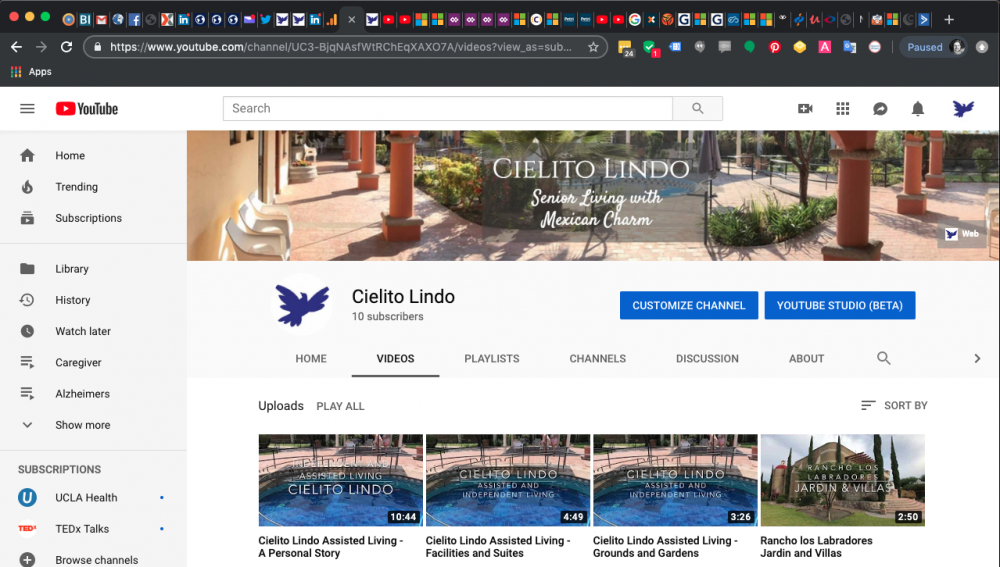
Here is our YouTube Channel. This is where we have lots of videos about Cielito Lindo and Rancho Los Labradores. We also have 1,600+ other senior care and expat in Mexico videos: YouTube |
|
|
|
|
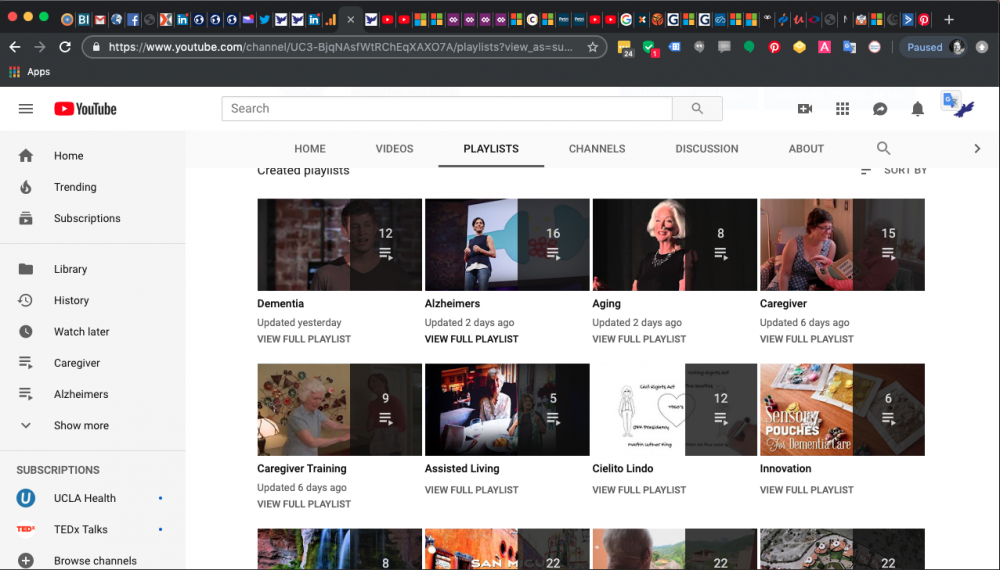
Additionally, our playlists cover a wide area and include 1,200+ videos. These playlists include videos about San Miguel and Mexico in general, caregiving and health, and a broad spectrum of senior living topics. Playlists
|
|
|
|
|
Additional Resources We Offer
We have curated collections of resources that may be useful:
Articles - We write fresh articles about senior living, health, care, and finances every week
Caregiver
Books - We review books related to caregiving methods, logistics, challenges, and coping
Senior Health - We review books related to healthspan, lifespan, and disease
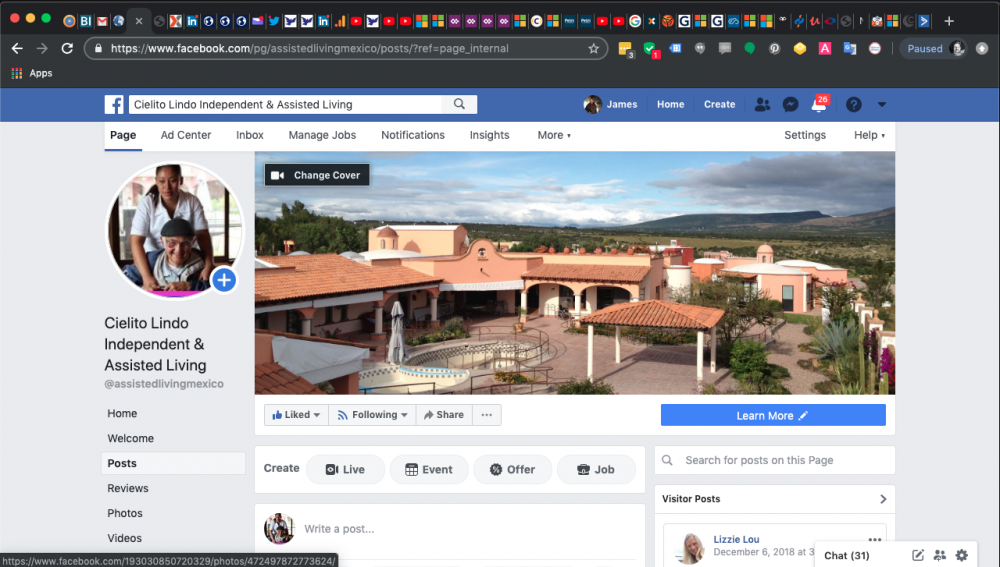
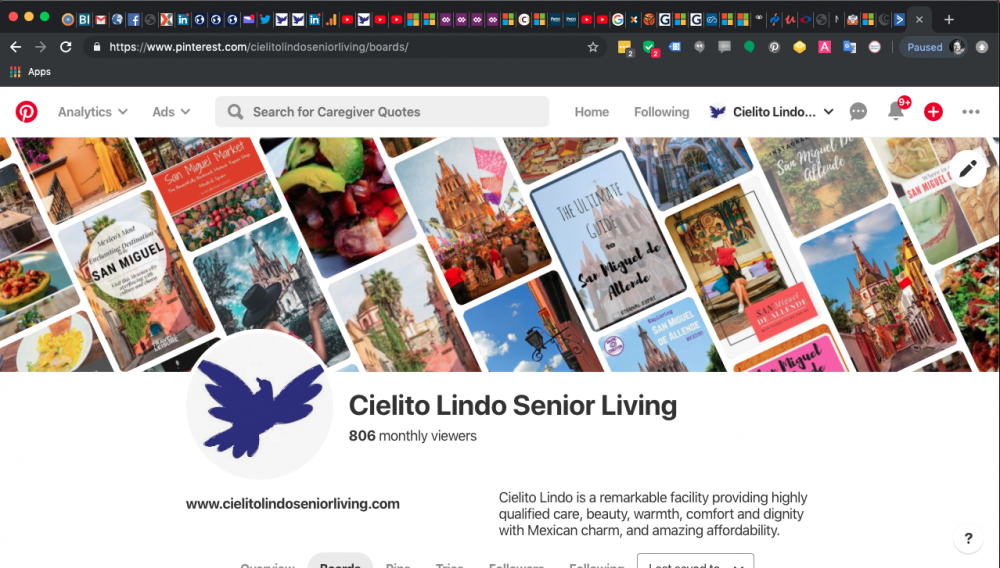
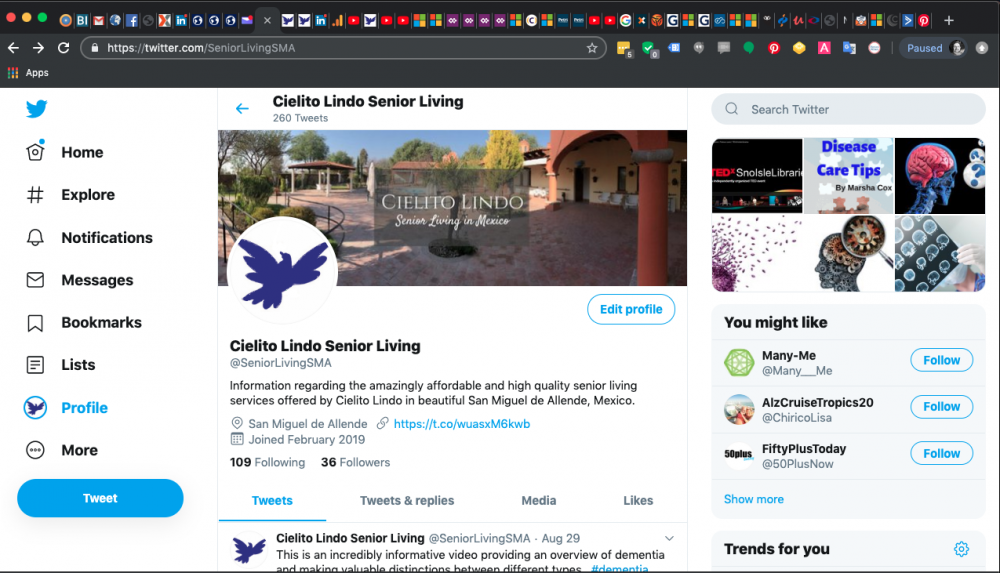
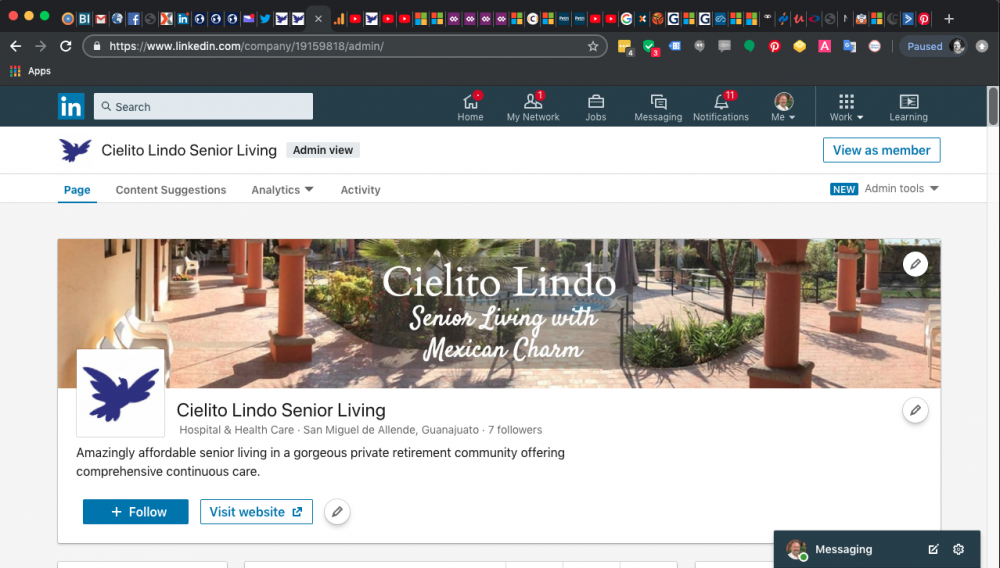
And here are our various social media forums, where we talk a lot about assisted living and memory care along with the various sort of challenges that sometimes come in our senior years (Alzheimer’s, Parkinson other dementias, and so on), but also about senior living in Mexico.
Facebook
|
|
|
|
|
|
|
|
|
|
|
|
|
|
|
|
|
|
|
Please don’t hesitate to contact me for anything related to senior living, especially in Mexico. I will gladly give you any assistance I can.
Thanks again!
James
James Sims
Marketing and Sales
Cielito Lindo Senior Living
1. 888.406.7990 (voice and text)
Phones:
English speaking:
1.888.406.7990 (in US & CDN)
00.1.881.406.7990 (in MX)
Spanish speaking:
011.52.415.101.0201 (in US & CDN)
1.415.101.0201 (in MX)
Expat Logistics:
Visas for Expats:
Sonia Diaz Mexico
Expat Health Insurance:
ExpatInsurance.com
Tax Considerations for Expats:
Robert Hall Taxes
Best Bank:
Intercam Banco
Located in: Plaza De La Conspiración
Address: San Francisco 4, Zona Centro,
37700 San Miguel de Allende, Gto., Mexico
Hours: Open ⋅ Closes 4 PM
Phone: +52 415 154 6660
Addresses and Travel:
Physical address:
Cielito Lindo Independent and Assisted Living, Camino Real Los Labradores S/N, Rancho Viejo 1, San Miguel de Allende, GTO, Mexico, 37885
Packages from online providers like Amazon:
Camino Real Los Labradores, Rancho Los Labradores / Cielito Lindo, San Miguel de Allende, GTO, 37880 México
PO Box for letters and small envelopes:
Rancho Los Labradores / Cielito Lindo, c/o Alejandra Serrano , PMB N°
515-C, 220 N Zapata HWY N°11, Laredo TX, 78043-4464
Best airports to fly into: Leon (BJX) or Queretaro (QRO)
Best airport shuttle: BajioGo
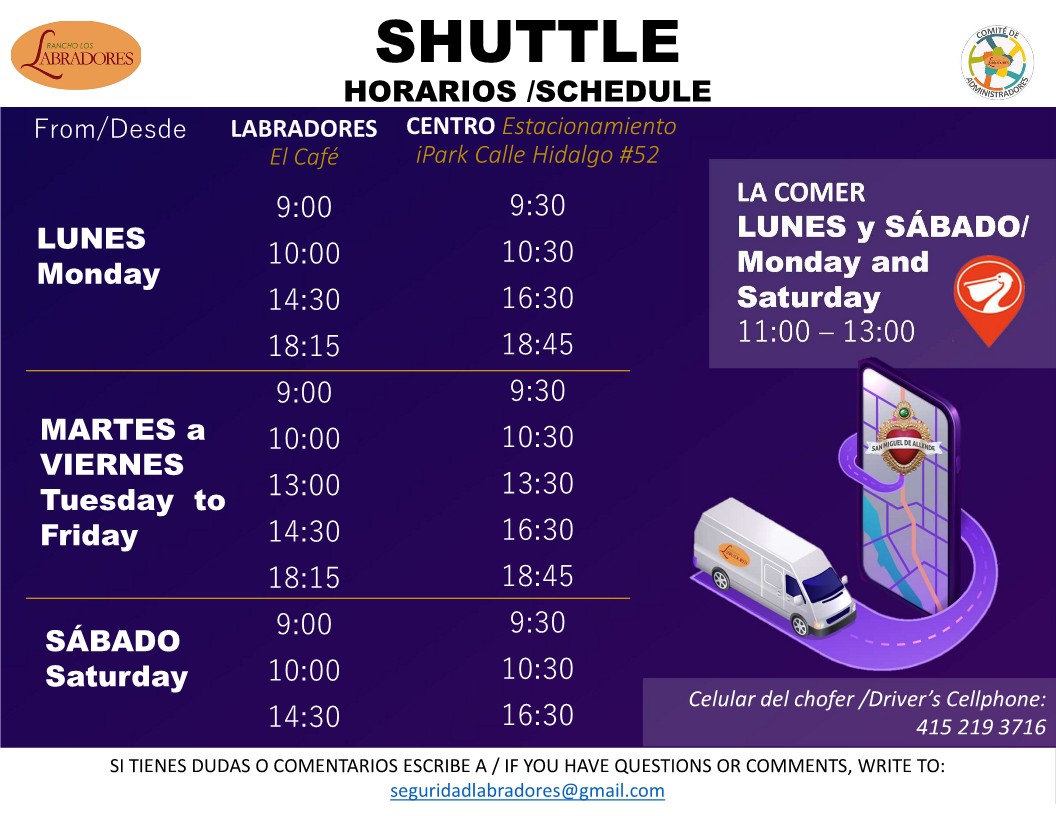
Shuttle:
Shuttle between San Miguel and Cielito Lindo
|
|
|
|
|
|
Maps and Navigation
Best smartphone navigation for Mexico and Central America: Waze
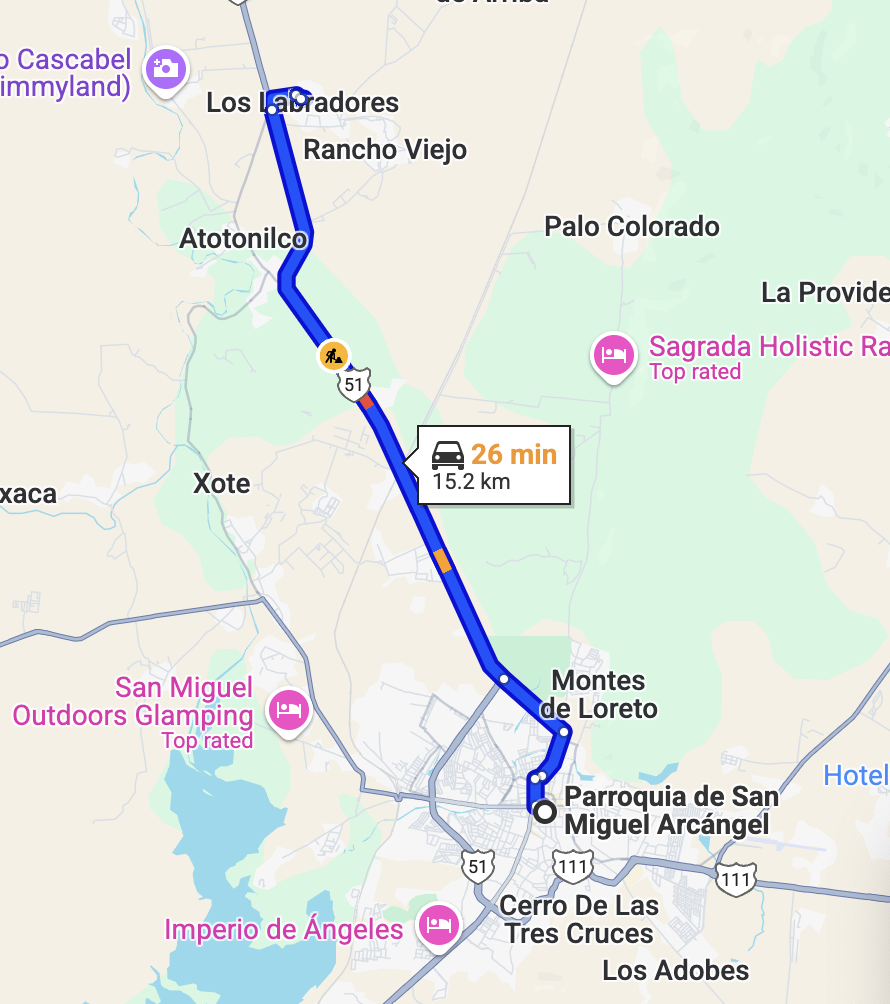
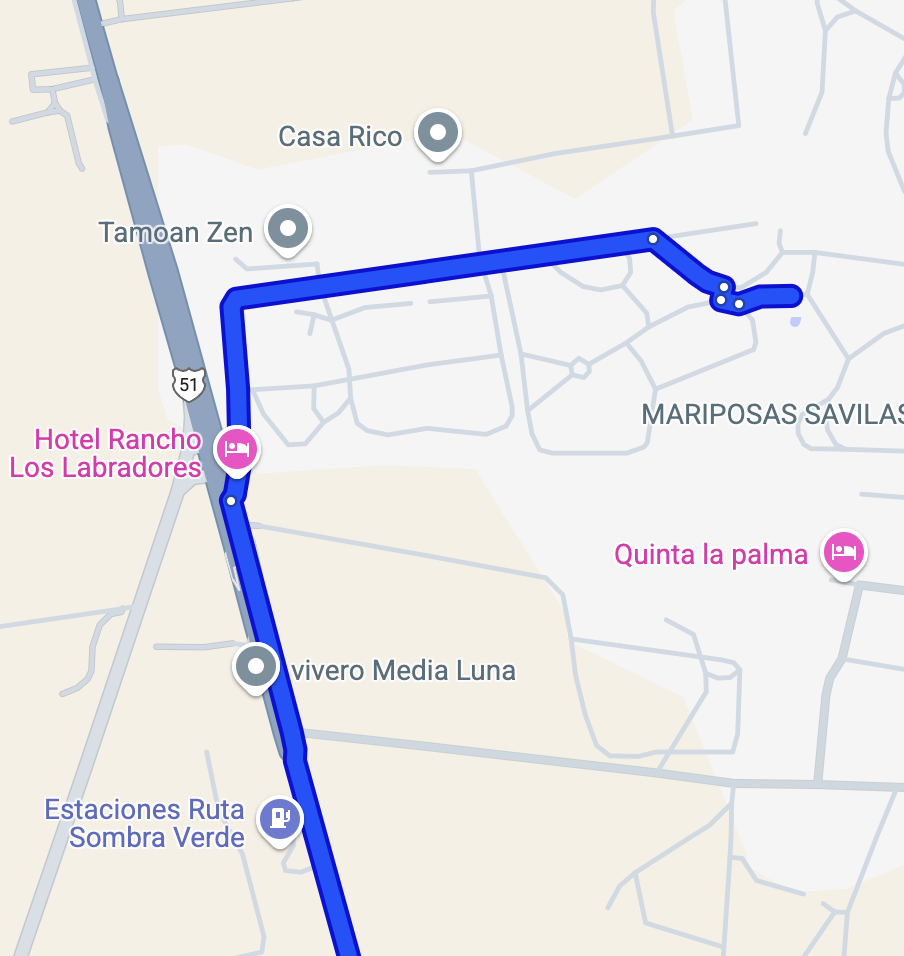
These two maps the location of Cielito Lindo / Rancho Los Labradores, 15 km north of San Miguel on Highway 51, just opposite the Atoltinilco exit.
|
|
|
|
|
|
|
Regards,
James
James Sims
Marketing and Sales
Cielto Lindo Senior Living
James@CielitoLindoSeniorLiving.Com
|
|
|
|
|
|
|
|