|
|
Dear ,
This is your weekly summary of our news, research, books, videos, and other resources related to senior living, retirement, and care in Mexico, along with independent and assisted living and information about age-related challenges (e.g., limited mobility, dementia, Alzheimer's, Parkinson's, ALS, stroke, multiple sclerosis, healthspan, and so on).
I hope you are finding this weekly newsletter helpful, and if you know of someone who may also find this information helpful, please forward it to them. They can subscribe using our Web Newsletter page (click here). If, for any reason, you do not wish to receive this weekly newsletter any longer, there is a simple 'Unsubscribe' or 'Opt Out' link at the bottom right corner of this newsletter and also right here: Unsubscribe
This weekly newsletter typically includes information in each of the following categories: San Miguel insights, senior care, and health information, as well as Cielito Lindo basic information.
Here’s what we typically cover each week:
- San Miguel de Allende highlights – why this is such a special place to live
- Health & wellness insights – articles, videos, and expert reviews
- Care options & community life at Cielito Lindo – flexible, affordable living with a warm, human touch
This Week’s Theme: The Unacknowledged Caregiver
This week, we explore the critical factors contributing to our longevity.
|
|
|
|
|
| Weekly insights into San Miguel:
|
|
|
- Colorful and Epicurean San Miguel - This is such an amazing place,
particularly the food and the colors. Although we are addressing a topic that is stressful, challenging, and emotional, we should also acknowledge what an incredible place San Miguel is.
|
|
|
|
|
The Colors of San Miguel: Jaguar Woman
Feathers arrive before you even notice the dancer.
They sweep through the air in wide amber arcs — black, gold, and ivory catching the sunlight like small flames. At their center moves a Jaguar Woman, her shoulders draped in spotted pelt, the great headdress rising and spilling outward with every step.
The street seems to shift around her.
Shells tied at her ankles rattle in a steady rhythm — chhk, chhk, chhk — a dry percussion against the cobblestones. The feathers bend and sway, whispering as they slice through the warm air.
She doesn’t look at the crowd.
Her gaze stays somewhere deeper, somewhere older — as if the dance belongs to another time and this narrow street is only borrowing it for a moment.
Color flashes. Feathers flare. The jaguar moves forward.
And for a few breaths, the city remembers something ancient.
(Photo courtesy of San Miguel photographer - Sam Perez)
|
|
|
|
|
Restaurant Review: La Parada
Days and Hours:
Wednesday–Sunday: 1:00 PM – 10:00 PM
Sunday & Monday: until about 9:00–10:00 PM
Closed Tuesday (hours occasionally vary seasonally)
Atmosphere:
La Parada is one of those restaurants that captures the eclectic charm of San Miguel de Allende while transporting you to coastal Peru. The setting revolves around a lush courtyard patio with greenery, warm lighting, and a retractable roof that allows the restaurant to transition effortlessly from sunny afternoons to romantic evenings. Inside, the décor blends rustic wood, modern accents, and touches of Latin American flair. The vibe is relaxed yet stylish—perfect for a casual date night, dinner with friends, or a
leisurely lunch with cocktails.
Service:
Service here tends to be friendly, attentive, and well-paced. The staff is knowledgeable about the menu and often happy to guide diners unfamiliar with Peruvian cuisine. Bilingual service is common, and dishes typically arrive promptly without feeling rushed—an ideal tempo for San Miguel’s unhurried dining culture.
Cuisine:
La Parada specializes in authentic Peruvian cuisine, widely considered one of the world’s most dynamic culinary traditions. The menu showcases coastal classics like ceviche and tiraditos, along with hearty favorites that highlight Peru’s fusion of Spanish, Asian, and indigenous influences. Ingredients are fresh, flavors vibrant, and portions generous.
Signature Dish:
Ceviche La Parada — Fresh fish marinated in lime with traditional Peruvian seasoning. Bright, citrusy, and beautifully balanced, it’s a quintessential expression of Peru’s coastal cuisine and one of the restaurant’s most celebrated dishes.
Starters:Expect a selection of small plates that encourage sharing. Highlights often include:
- Tiradito Ponja – sashimi-style fish with a delicate citrus-soy dressing
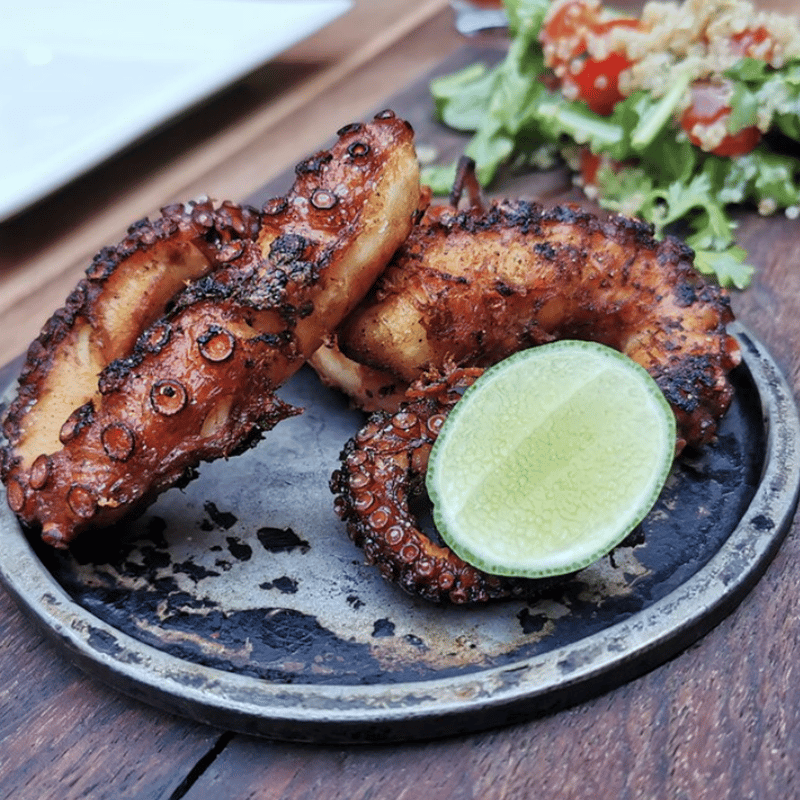
- Pulpo al Olivo – tender octopus with a creamy olive sauce
- Causa Limeña – layered potato terrine with seafood or chicken
These starters set the tone with bold yet refined flavors.
Main Courses:The entrées lean hearty and satisfying. Standouts typically include:
- Lomo Saltado – Peru’s famous stir-fried beef with onions, tomatoes, fries, and rice
- Seafood Rice (Arroz con Mariscos) – rich, saffron-colored rice loaded with shrimp, squid, and shellfish
- Grilled Fish with Tropical Sauces – showcasing Peru’s love of citrus and spice
Each dish reflects the country’s remarkable culinary diversity.
Desserts:
Desserts are simple but well executed. Expect options like chocolate tart, dulce de leche creations, or tropical fruit-based sweets—light enough to end the meal comfortably after bold flavors.
Wine and Cocktails:
The bar is a highlight. Peruvian cocktails take center stage, especially the classic Pisco Sour—frothy, citrusy, and dangerously drinkable. Chilcanos (pisco with ginger ale and lime) are another refreshing favorite. The wine list is modest but well selected to pair with seafood and citrus-driven dishes.
Final Thoughts:
La Parada has long been one of San Miguel’s go-to spots for something different from traditional Mexican fare. It’s lively, flavorful, and consistently satisfying—offering a genuine taste of Peru in the heart of the city. If you want bright flavors, excellent cocktails, and a beautiful courtyard setting, this restaurant deserves a spot on your dining list.
Cost: $$–$$$
Rating: ★★★★☆ (4.7/5)
(Photo Courtesy of SanmiguelDe Allende.Shop)
|
|
|
|
|
| Information related to Mexico, senior care and health:
|
|
|
- Lead article - These are articles specifically written for you each week. They address a wide range of
relevant topics, such as factors that can increase your health and lifespan, diagnostics, understanding causal factors for Alzheimer's and other dementias, and so on. The lead article typically sets the tone for the core content of the newsletter (videos and book reviews). On occasion, the focus may be centered on Mexico, Pueblos Magicos, and San Miguel de Allende.
- Caregiver's Sentiment
- This quote typically honors what we, as caregivers, are going through and feeling.
- Caregiver's Affirmation - This affirmation bolsters our self care, our image or ourselves on this journey and our ability to endure.
- Videos - Typically, three videos are related to the lead article, and they include a summary and timestamped highlights.
- Book Review - Typically related to the lead article.
|
|
|
|
|
Chronic Leg Swelling (Edema): What Seniors Need to Know
Many people notice it gradually. One day, their shoes feel a little tighter by evening. Socks leave deeper marks around the ankles. Legs may feel heavy after sitting for a while or standing too long. For many older adults, swelling in the feet and lower legs becomes an unwelcome but familiar part of daily life.
This condition—known medically as edema—is extremely common as we age. In many cases, it is simply the result of changes in circulation that occur over time. But sometimes swelling can be a signal from the body that something else is going on, such as problems with the heart, kidneys, blood vessels, or even the medications we take.
The challenge is knowing the difference between harmless swelling that can be managed at home and symptoms that require medical attention. Fortunately, understanding a few key patterns—such as whether swelling affects one leg or both, when it appears during the day, and what makes it better or worse—can provide important clues.
In this article, we’ll explore why leg swelling happens, what conditions can cause it, which medications and supplements may play a role, and the practical steps that can help reduce it. You’ll also learn simple exercises, lifestyle strategies, and warning signs that should never be ignored. With the right knowledge and a few daily habits, most people can greatly improve comfort and keep their legs healthier and more active.
Highlights
- Edema is the medical term for swelling caused by excess fluid collecting in body tissues, most commonly in the feet, ankles, and lower legs.
- Swelling that worsens later in the day—especially after sitting or standing—often improves overnight when you lie down.
- A helpful clue is whether swelling occurs in one leg or both legs.
- Both legs often suggest circulation, heart, kidney, or medication-related causes.
- One leg may indicate a localized problem, such as a blood clot or injury.
- One of the most common causes in older adults is chronic venous insufficiency, where weakened vein valves allow blood to pool in the lower legs.
- Certain medications can worsen swelling, including some blood pressure drugs (such as amlodipine), anti-inflammatory medications like ibuprofen or naproxen, steroids, and some diabetes medications.
- Many seniors take multiple medications and supplements (polypharmacy), which can sometimes interact and contribute to fluid retention.
- Compression socks can help reduce swelling by gently squeezing the legs and encouraging blood flow back toward the heart.
- For many people, moderate compression socks (15–20 mmHg) are a comfortable starting point, but proper sizing is important.
- Reducing sodium (salt) intake can help prevent the body from retaining excess fluid.
- Elevating your legs above heart level for 20–30 minutes several times a day can help fluid drain away from the lower legs.
- Avoid sitting for long periods. Standing, stretching, or walking every 30–60 minutes helps improve circulation.
- Simple exercises like squats, calf raises, and ankle pumps help activate the leg muscles, which act like a
natural pump to move blood and fluid back toward the heart.
- Seek medical attention immediately if swelling appears suddenly, occurs in only one leg, is painful or warm, or is accompanied by shortness of breath.
You can access the full article here. Additionally, we have 100s of senior health and care-related articles (over 650,000 words) available here.
|
|
|
|
|
The Longer You Live, The Longer You’re Likely to Live
The Epidemiology of Survival Filters
We are taught that aging is a slow, linear decline — that each birthday quietly subtracts
from some invisible biological reserve.
The data tell a different story.
Longevity is conditional. Survival itself changes your odds of continued survival because you have already passed through earlier stages of risk.
This is not optimism. It is actuarial mathematics.
In statistical terms, once you have passed through the major mortality filters of childhood, midlife, and early old age, your probability of advancing further increases relative to where you began.
Put more plainly: the longer you live, the more likely you are to live longer still.
Mortality Is Exponential — Not Linear
Human mortality does not decline in a straight line across the lifespan. It follows what
demographers call the Gompertz law of mortality, first described in 1825, which shows that adult death rates rise exponentially with age. After roughly age 30, the risk of death in high-income countries doubles approximately every eight to nine years.
At first glance, this sounds grim — as if aging is an accelerating slide toward inevitability.
But exponential risk does not mean uniform vulnerability.
Mortality operates as a filter. Early-life disease, accidents, midlife cardiovascular events, and aggressive cancers — these remove individuals from the population at different stages. Those who survive into their 60s and 70s are not a random sample of their birth cohort. They represent a progressively selected group who have already demonstrated biological resilience, behavioral advantage, or both.
You can access the full article here. Additionally, we have 100s of senior health and care-related articles (over 650,000 words) available here.
https://cielitolindoseniorliving.com/the-longer-you-live-the-longer-youre-likely-to-live/
|
|
|
|
|
Caregivers' Sentiment: It's Not a Countdown
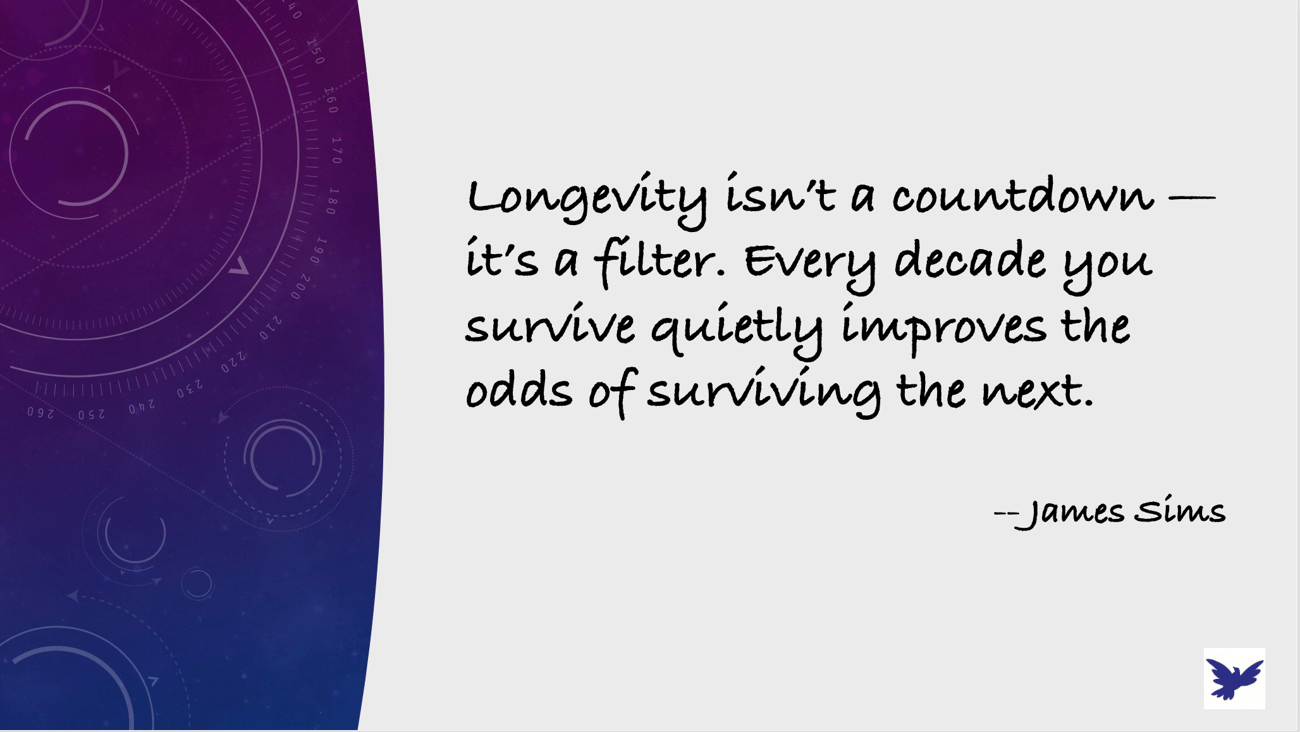
“Longevity isn’t a countdown — it’s a filter. Every decade you survive quietly improves the odds of surviving the next.”
We tend to imagine life as a clock slowly running down, as if aging simply subtracts years from a fixed reserve. But population data reveal something more subtle. Human life unfolds through a series of mortality filters — childhood illness, accidents, midlife cardiovascular disease, cancer, and metabolic decline. Each stage removes some individuals from the population.
Those who continue forward are not a random sample of the people who began the journey. They are, statistically speaking, a progressively selected group — individuals whose biology, behavior, environment, or simple luck has allowed them to pass through those earlier risks.
This is why survival reshapes probability. By the time someone reaches their seventies or eighties in good health, they have already demonstrated decades of physiological resilience. The hazard rate of aging may continue to rise, but the population itself has changed.
The clock is still ticking. But the survivors are no longer average.
|
|
|
|
|
Caregiver's Affirmation
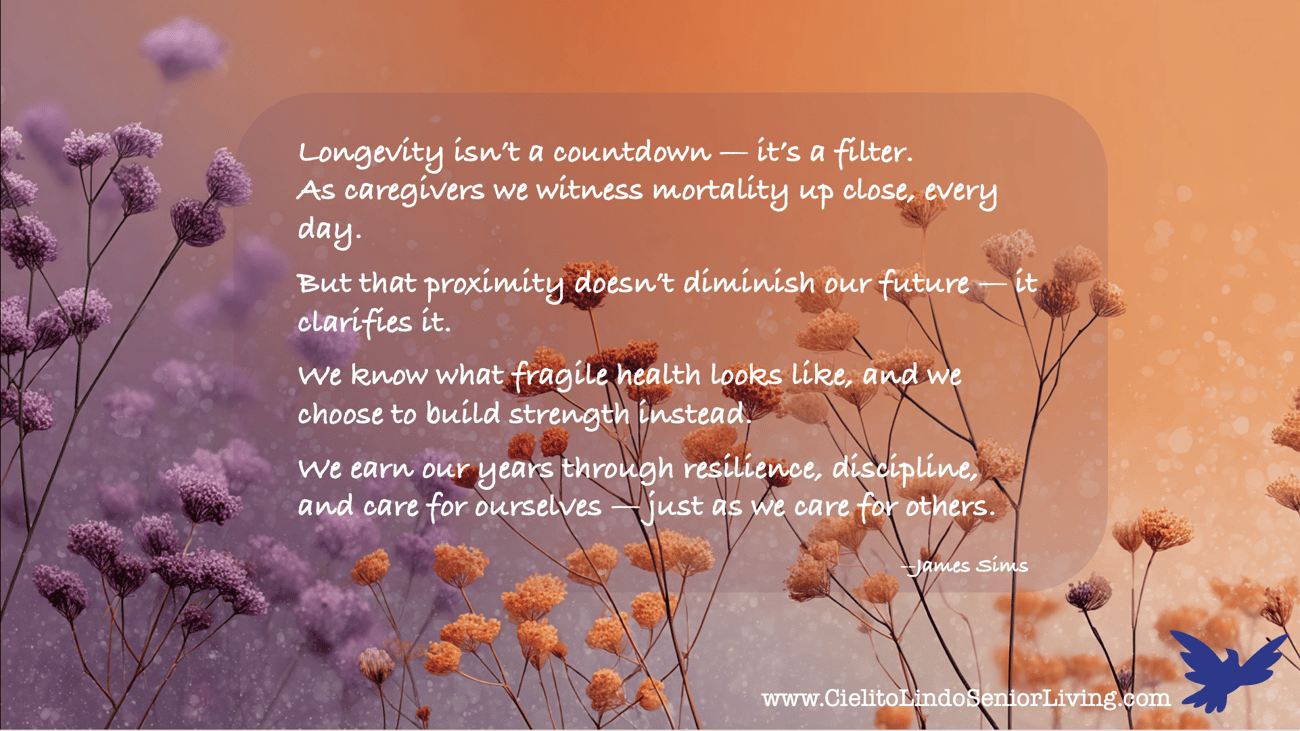
Longevity isn’t a countdown — it’s a filter.
As caregivers, we witness mortality up close every day. We see the quiet progression of illness, the limits of the human body, and the final chapters of lives that were once vibrant and strong. Few people have such an intimate view of how fragile health can become.
But that proximity to mortality does not diminish our future — it clarifies it.
Because we see what happens when strength fades, when mobility disappears, when the body and mind begin to surrender to disease. We understand, in ways others may not yet grasp, that health is not guaranteed and time is not evenly distributed.
And because we know this, we choose differently.
We choose movement over inertia.
Strength over frailty.
Connection over isolation.Resilience over resignation.
Every day we help others navigate the later stages of life. We lift, guide, comfort, and support. But in doing so, we also learn something powerful: longevity is not simply given. It is built — quietly, gradually, through thousands of small choices.
Each healthy year we gain is not an accident of time. It is the result of discipline, awareness, and care for the body and mind that carry us forward.
We earn our years through resilience.
Through attention to our health.Through the same compassion we offer others — extended back toward ourselves.
And every decade we move forward, we pass another filter of survival.
Not because aging stops. Not because risk disappears.
But because resilience accumulates.
Longevity, in the end, is not just time passing.
It is strength sustained.
It is wisdom applied.
It is resilience revealed.
|
|
|
|
|
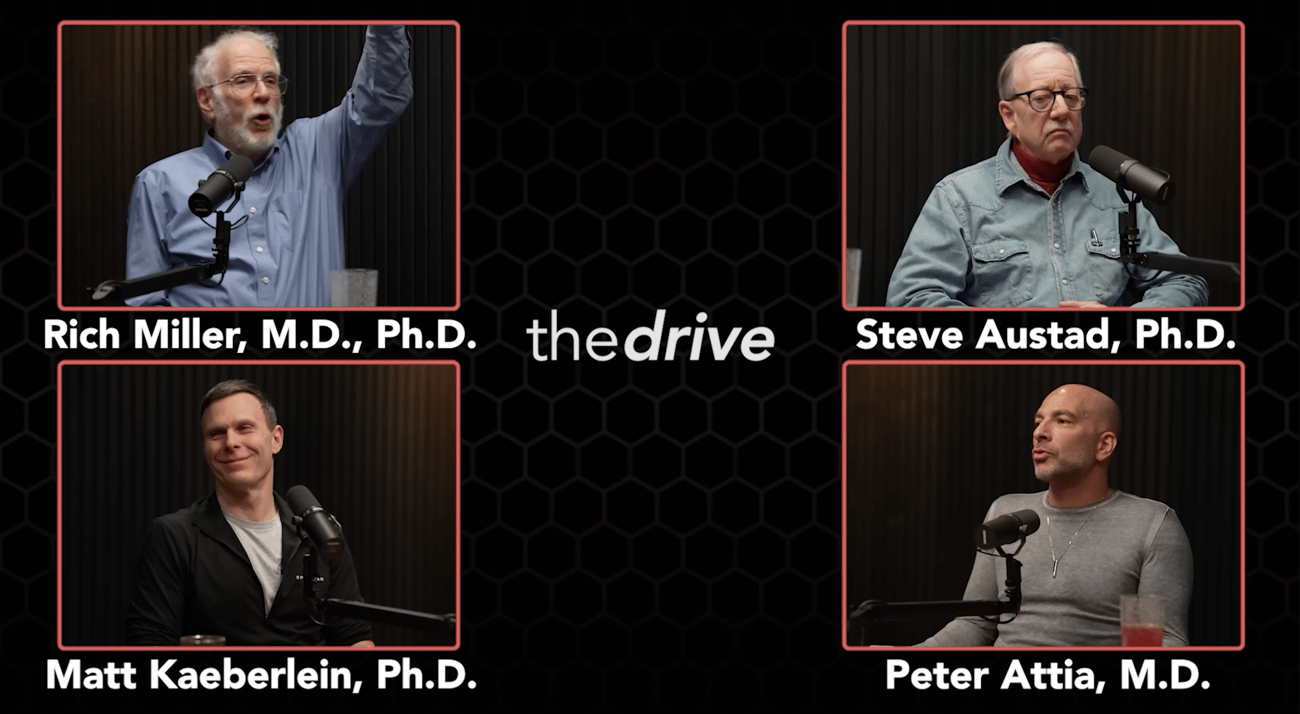
Video: Longevity roundtable—the science of aging, geroprotective molecules, & lifestyle interventions
The
roundtable discusses the science of aging, emphasizing the alarming rates of middle-age mortality in the U.S. and the importance of extending health span alongside lifespan. Key points include the necessity of exercise, the rising healthcare costs associated with aging, and the significant jump in healthcare needs after age 65. The conversation highlights the growing interest in geroprotective molecules and the potential for biological age assessments to inform health interventions. The panelists stress the importance of funding for aging research to better understand and potentially reverse biological aging, aiming for improved health outcomes as populations age.
The roundtable continues to delve into the complexities of aging, discussing the role of biomarkers, gene mutations, and the potential of various drugs in extending health span. The panelists express the need for rigorous research and funding to explore these avenues further. They highlight the importance of collaboration and diverse perspectives in advancing the field of aging research, aiming for breakthroughs that can enhance both lifespan and health
quality.
view the video here. https://www.youtube.com/watch?v=NU98SXBCjz4&list=PLmB2dHqb_WqCFPj1P5DfpeUyRo1m2Cdwb&index=77
Highlights:
0:28 - The United States has the highest rate of death in middle age.
2:13 - Longevity is about keeping older people alive longer.
5:00 - Exercise is crucial for longevity.
9:14 - The gap between health span and lifespan is increasing.
10:49 - Healthcare costs rise significantly with age.
12:00 - A notable jump in healthcare needs occurs around age 65.
19:21 - The funding appetite for aging research is growing.
27:23 - Geroprotective molecules are being developed to combat aging.
37:25 - Biological age can be assessed and compared to chronological age.
59:01 - Understanding biological aging is crucial for developing interventions.
1:24:23 - Discussion on the rapid changes in biomarkers and their implications for aging research.
1:27:26 - Exploration of single gene mutations and their potential in anti-aging therapies.
1:31:34 - Optimism about evaluating aging processes and the effectiveness of treatments.
1:36:35 - The importance of FDA approval for drugs targeting aging.
1:41:30 - Emphasis on increasing both the length and quality of life through health interventions.
1:44:20 - The role of exercise in aging and its effects on health.
1:50:27 - Mention of oral semaglutide and its implications for aging research.
2:01:02 - Discussion on senescent cells and their role in aging.
2:14:50 - The need for cost-effective and safe anti-aging studies.
2:54:16 - Suggestion to include diverse voices in future discussions on aging research.
|
|
|
|
|
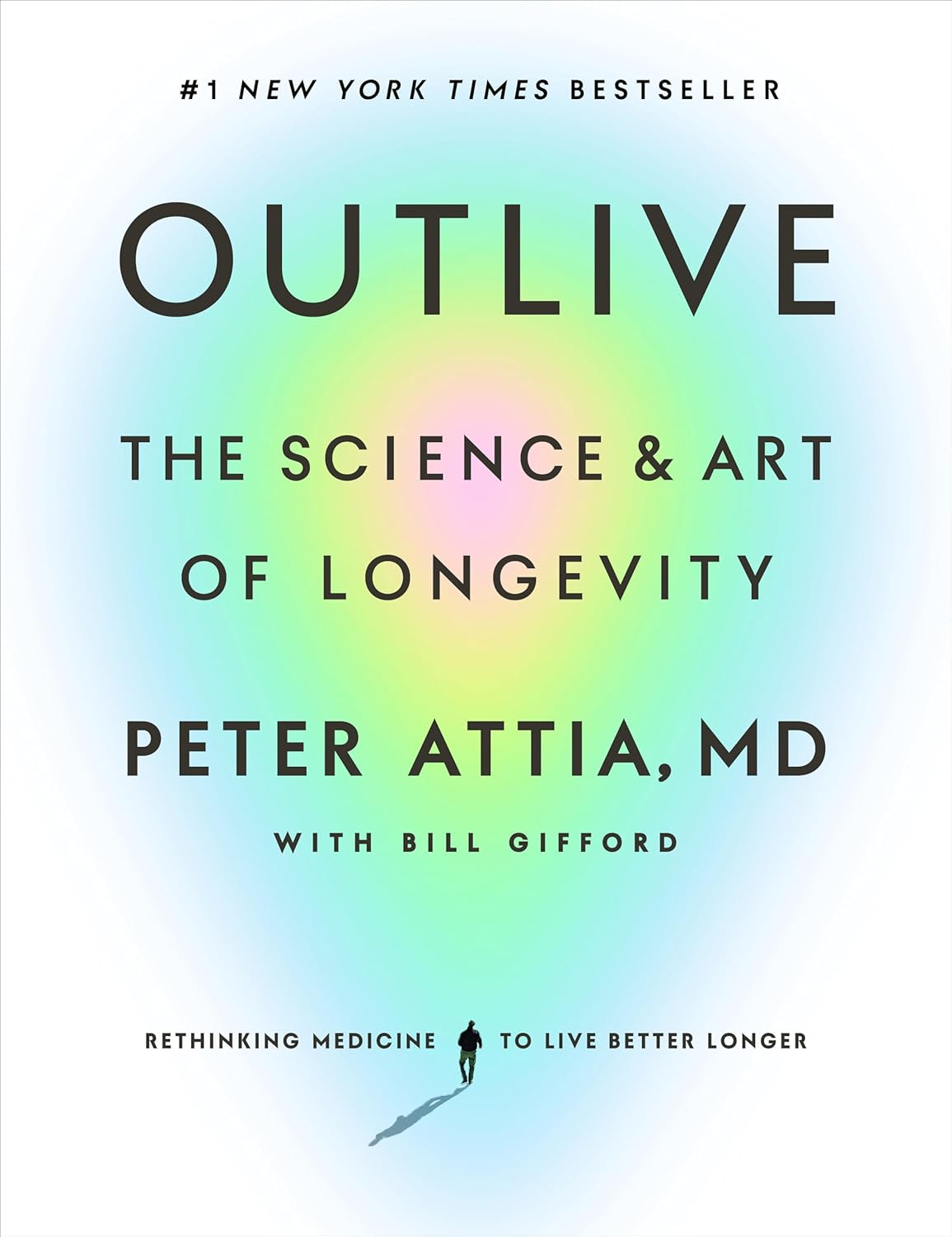
Book Review: Outlive: The Science and Art of Longevity by Peter Attia, MD, with Bill Gifford
Overview
Outlive is a widely discussed book on longevity that challenges conventional approaches to health and aging. Dr. Peter Attia, a physician specializing in longevity science, argues that modern medicine is designed primarily to treat disease after it appears rather than preventing it decades earlier. The book presents a proactive framework for extending healthspan—the number of years we live in good
health—rather than simply extending lifespan.
Attia combines medical research, clinical experience, and practical strategies to help readers reduce their risk of the four major chronic diseases that often define aging: heart disease, cancer, neurodegenerative disease, and metabolic disorders.
Synopsis
Attia introduces the concept of “Medicine 3.0,” a shift from reactive healthcare to a preventive, data-driven approach that focuses on long-term risk management. He explains how many of the diseases associated with aging develop silently over decades before symptoms appear.
The book emphasizes that lifestyle factors—especially exercise, nutrition, sleep, and emotional health—are the most powerful tools available to prevent chronic disease and maintain functional independence later in life.
Attia also introduces the idea of the “Centenarian Decathlon,” encouraging people to train physically for the activities they want to still be able to do in their 80s, 90s, or even 100s.
Practical guidance includes:
- Strength and stability training to prevent frailty and falls
- Metabolic health strategies to reduce diabetes risk
- Nutrition approaches that prioritize metabolic flexibility
- Sleep optimization and stress management
- Early screening and prevention strategies
Key Themes
1. Healthspan vs. Lifespan
Living longer is less important than living well for longer. The goal is to delay chronic disease and maintain strength, cognition, and independence.
2. Prevention Decades in Advance
Attia stresses that diseases like heart disease or Alzheimer’s often begin 20–40 years before diagnosis, making early intervention crucial.
3. Exercise as the “Most Powerful Longevity Drug”
The book places extraordinary emphasis on strength training, cardiovascular fitness, and stability, especially important for maintaining mobility in older age.
4. Personalized MedicineAttia advocates for individualized approaches rather than one-size-fits-all guidelines, especially regarding diet and metabolic health.
5. Emotional Health and LongevityMental health, relationships, and purpose are presented as critical components of a long, healthy life.
Writing Style
The writing blends scientific explanation, personal storytelling, and practical advice. Attia does not shy away from complex topics but generally explains them in accessible language. Some sections are technical, especially when discussing metabolic pathways or cardiovascular risk, but the conversational tone keeps the material engaging.
Conclusion
Outlive is an influential guide for anyone interested in proactively shaping their long-term health. For older adults and those approaching retirement, the book offers valuable insight into maintaining independence, mobility, and cognitive function for decades. While some recommendations may require medical supervision or significant lifestyle
changes, the overall message is empowering: many aspects of aging can be influenced long before disease appears.
Rating: ⭐⭐⭐⭐⭐ (5/5)
A thoughtful, research-driven book that reframes how we think about aging, prevention, and living a long, functional life.
Additional Resources We Offer
We have curated collections of resources that may be useful:
Articles - We write fresh articles about senior living, health, care, and finances every week
Caregiver Books - We review books related to caregiving methods, logistics, challenges, and coping
Senior Health - We review books related to healthspan, lifespan, and disease
|
|
|
|
|
| Cielito Lindo's basic information is included for your convenience:
|
|
|
- Cielito Lindo Info: After the signature, the newsletter always includes information about Cielito Lindo, so it is at your fingertips when you want it: Our costs, various related websites, social media channels like YouTube, our various addresses, and so on.
- Travel Info: Recommended airports and shuttles.
|
|
|
Web Sites - Cielito LIndo and Rancho Los Labradores
Here are our Web sites, including Cielito Lindo and Labradores Suites (hotel) all of which are part of the larger Rancho Los Labradores gated community just north of San Miguel de Allende.
Web Sites - Cielito LIndo and Rancho Los Labradores
Here are our Web sites, including Cielito Lindo and Labradores Suites (hotel) all of which are part of the larger Rancho Los Labradores gated community just north of San Miguel de Allende.
- Cielito Lindo provides independent living, light assisted living, assisted living, memory care and hospice with 24*7 staffing along with a la carte assisted living services to those living in the villas and suites at Rancho Los Labradores.
- Rancho Los Labradores Suites offer short and long term residence.
- Rancho Los Labradores is a country club resort feeling CCRC that provides a gated community with countless amenities and opportunities for different levels of independent living along with assisted living and memory care within Cielito Lindo.
Cielito Lindo Living Options & Costs Guide
We offer several living options depending on the level
of care you or your loved one needs. Here’s a breakdown to help you plan:
1) Villas (Rent or Own)
- Cost: $1,300 – $1,700 per month
- Additional Costs: Utilities, renter’s insurance, etc.
- What’s Included: This is mostly independent living.
- Extras: You can add independent or assisted living services (charged separately, à la carte).
- Support: We can connect you with a realtor if you'd like to purchase.
2) Cielito Lindo Condos & Suites
Best for: Independent living with optional assistance.
Option 1: Independent Living + Meals
- Cost: $2,250 per month
Includes:- 2 meals a day
- Hotel like room cleaning, towel and linen service
- Monthly medical check-up
Optional Add-ons:- Meals for an additional person: $450/month
- Extra care services available à la carte
Option 2: Light-Assisted Living in Condos & Suites
- Cost: $3,900 per month
Includes:- Full assisted living services
- Designed for residents who still want independence but need some support
- Smooth transition to full Assisted Living or Memory Care as needs change
- One-Time Inscription Fee: $4,000
For Couples:- $4,900/month for two people
- Same one-time fee ($4,000 per couple)
- Note: Suitability is based on cognitive ability, mobility, and safety.
3) Cielito Lindo Assisted Living, Memory Care, & Hospice
Best for: Seniors needing full-time care and supervision.
- Cost: $3,900 per month
Includes:- 24/7 care and monitoring
- All meals
- Physical therapy
- Full-time doctor on site
- Spacious private room with
bath
- One-Time Inscription Fee: $4,000
- For
Couples: $4,900/month
4) Specialized Hospice Suite
Best for: Intensive care needs or end-of-life comfort and also recuperative at a far lower cost than a hospital- Cost: $4,900 per month
Includes:- Full 24/7 monitoring
- Recuperative, Palliative and hospice care
- On-site doctor
- All meals
- Special space for visiting family
|
|
|
YouTube videos and Curated Playlists
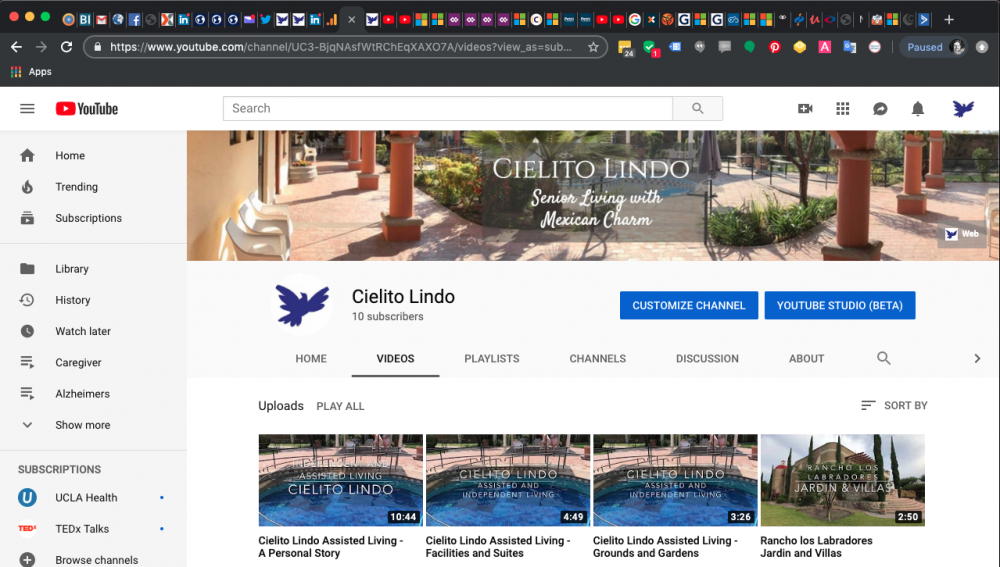
Here is our YouTube Channel. This is where we have lots of videos about Cielito Lindo and Rancho Los Labradores. We also have 1,600+ other senior care and expat in Mexico videos: YouTube |
|
|
|
|
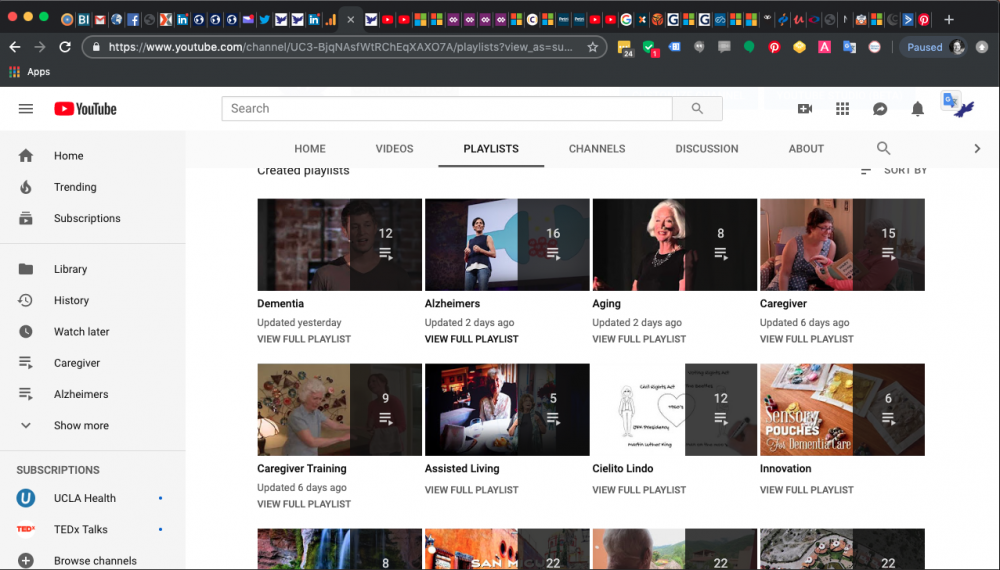
Additionally, our playlists cover a wide area and include 1,200+ videos. These playlists include videos about San Miguel and Mexico in general, caregiving and health, and a broad spectrum of senior living topics. Playlists
|
|
|
|
|
Additional Resources We Offer
We have curated collections of resources that may be useful:
Articles - We write fresh articles about senior living, health, care, and finances every week
Caregiver
Books - We review books related to caregiving methods, logistics, challenges, and coping
Senior Health - We review books related to healthspan, lifespan, and disease
And here are our various social media forums, where we talk a lot about assisted living and memory care along with the various sort of challenges that sometimes come in our senior years (Alzheimer’s, Parkinson other dementias, and so on), but also about senior living in Mexico.
Facebook
|
|
|
|
|
|
|
|
|
|
|
Please don’t hesitate to contact me for anything related to senior living, especially in Mexico. I will gladly give you any assistance I can.
Thanks again!
James
James Sims
Marketing and Sales
Cielito Lindo Senior Living
1. 888.406.7990 (Voice and text)
1.209.312.0555 (WhatsApp)
Phones:
English speaking:
1.888.406.7990 (in US & CDN)
00.1.881.406.7990 (in MX)
Spanish speaking:
011.52.415.101.0201 (in US & CDN)
1.415.101.0201 (in MX)
SMA Colonias (subdivisions/neighborhoods):
Map and descriptions
Addresses and Travel:
Physical address:
Cielito Lindo Independent and Assisted Living, Camino Real Los Labradores S/N, Rancho Viejo 1, San Miguel de Allende, GTO, Mexico, 37885
Packages from online providers like Amazon:
Camino Real Los Labradores, Rancho Los Labradores / Cielito Lindo, San Miguel de Allende, GTO, 37880 México
PO Box for letters and small envelopes:
Rancho Los Labradores / Cielito Lindo, c/o Alejandra Serrano , PMB N° 515-C,
220 N Zapata HWY N°11, Laredo TX, 78043-4464
Air:
Best airports to fly into: Leon (BJX) or Queretaro (QRO)
Shuttle:
Best
airport shuttle: BajioGo
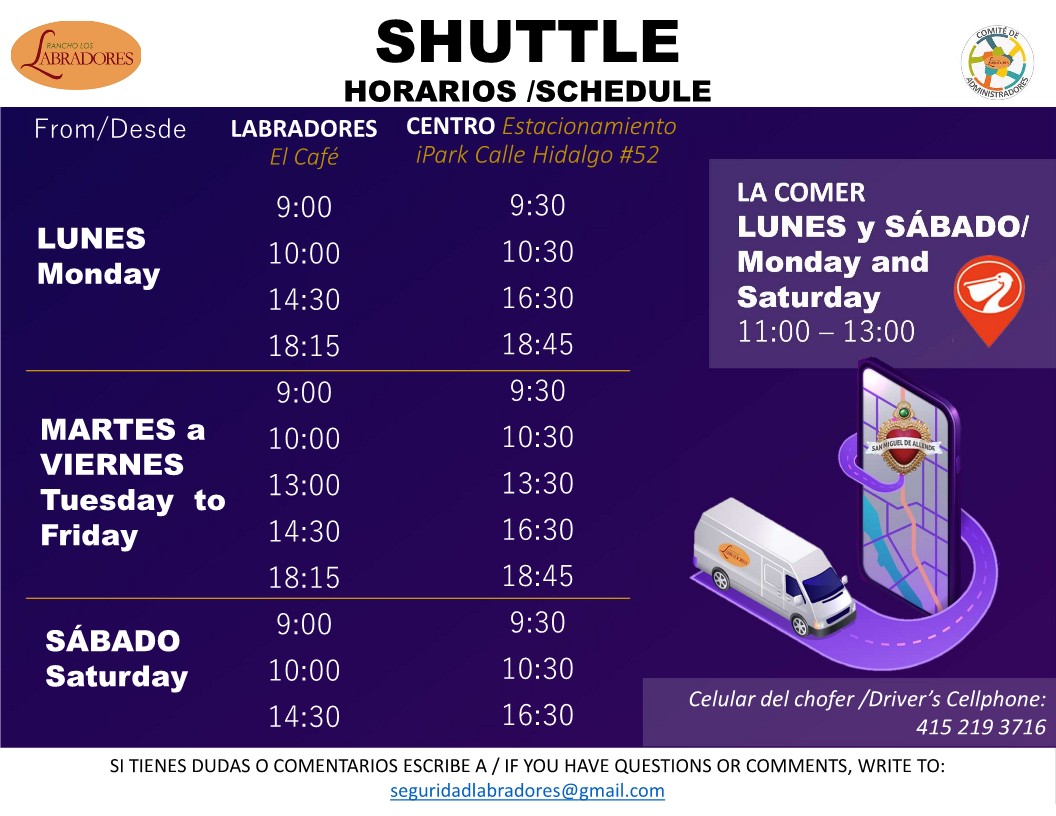
Shuttle between San Miguel and Rancho Los Labradores / Cielito Lindo
|
|
|
|
|
|
|
Regards,
James
James Sims
Marketing and Sales
Cielto LIndo Senior Living
jsims.cielitolindo@gmail.com
|
|
|
|
|
|
|
|