|
|
Subject: Your
Weekly Guide to Senior Living & Care in Mexico
Dear ,
Welcome to your weekly touchpoint from all of us at Cielito Lindo. Each edition brings together helpful insights, heartwarming stories, expert advice, and curated resources about senior living, retirement, and age-related care challenges—including Alzheimer’s, Parkinson’s, stroke, limited mobility, and more.
We understand that navigating this stage of life can be overwhelming, whether for yourself or a loved one. That’s why we're here—to offer guidance, support, and a glimpse into the enriching life many have found here in beautiful
San Miguel de Allende.
If you find this newsletter valuable, please forward it to a friend or family member who might also benefit. They can easily subscribe via our Newsletter page. And of course, if you ever wish to unsubscribe, there’s a quick opt-out link below at the bottom right corner of this newsletter.
Here’s what we typically cover each week:
- San Miguel de Allende highlights – why this is such a special place to live
- Health & wellness insights – articles, videos, and expert reviews
- Care options & community life at Cielito Lindo – flexible, affordable living with a warm, human touch
This Week’s Theme: Healthcare Costs in Mexico
This week, we explore the inequalities in healthcare for our elders and women.
|
|
|
|
|
| Weekly insights into San Miguel:
|
|
|
Colorful & Epicurean San Miguel
While much of what we discuss involves the challenges of aging
and caregiving, it's also important to celebrate the beauty that surrounds us. San Miguel de Allende is a feast for the senses—bursting with color, rich in culture, and renowned for its incredible food and art. It’s not just a place to live—it’s a place to thrive, to enjoy, and to heal.
|
|
|
|
|
The Colors of San Miguel: Rich Saffron Yellows and Earthy Ochres
In San Miguel
de Allende, beauty is not contained—it lingers, spills, seeps. It leans into the afternoon light and whispers through worn walls like a memory passed from one generation’s hands to the next. The stucco façades here don’t simply hold up roofs—they hold time itself. Each crack is a quiet chapter, each patch of peeling lime a record of sun and rain and stories spoken softly beneath balconies. Press your palm to the surface and it’s not hard to imagine the wall breathing—warm to the touch at noon, cool and contemplative come dusk.
Then come the colors. Not the timid kind, but bold-hearted hues that have stood their ground for centuries. Rich saffron. Dusty ochre. Terracotta tempered by wind. They do not merely decorate the city—they are the city, alive in the angles of alleyways and the hush between bells. The walls aren’t
static—they shift with the light, deepen with rain, glow like embers when the sun begins its slow descent behind the distant hills.
Sometimes, it’s a cobalt door thrown open like a secret.
Sometimes, it’s bougainvillea bursting into magenta flame, tumbling over an amber frame. The colors here argue and flirt, contrast and harmonize—like musicians in a plaza quartet, each one adding its note to the air. It’s not polished beauty. It’s imperfect, wild, sun-chipped beauty. And it reminds you, again and again, that in San Miguel, grace is often found in what time leaves behind—not erasing, but illuminating. (Photo: James Sims)
|
|
|
|
|
Tastes of San Miguel: Hortus
Portal de Guadalupe 12, Zona Centro, 37700 San Miguel de Allende, Gto., Mexico Phone: +52 415 154 7237
Days and Hours: Not provided. Likely open during standard dining hours—call ahead or check online for details.
Atmosphere:
Hortus is a quintessential San Miguel dining destination, elegantly perched in an 18th-century mansion with panoramic views of Jardín Allende and the iconic Parroquia. The space is gracefully divided: a refined salon for full meals, a cozy bar for casual drinks, and a street-facing pastry window that invites passersby for a quick indulgence. Warm tones, rustic
textures, and historic architectural details create an ambiance that is both sophisticated and deeply inviting.
Service:
Service is gracious, knowledgeable, and perfectly paced. Staff strike an ideal balance between professionalism and relaxed charm, enhancing the overall dining experience. Their expertise with both the food and wine menus is a particular highlight, offering thoughtful guidance without intrusion.
Cuisine:
Hortus delivers a seamless fusion of Mexican and Mediterranean cuisines, grounded in seasonal, local ingredients. Italian-inspired dishes are reimagined with regional flair, resulting in a vibrant and contemporary take on fusion cooking that feels rooted in place and purpose.
Signature Dish: Shrimp Tagliatelle with Sea-Urchin Sauce – A bold, elegant pasta dish that marries silky noodles with the briny richness of sea urchin, expressing the essence of Mexican-Mediterranean
fusion.
- Fresh Ricotta Cheese Dip with Squash Blossoms: Creamy, delicate, and a showcase of local freshness.
- A variety of seasonal salads and small plates emphasize bright flavors and market-driven produce.
- Red Snapper with Habanero: A standout dish featuring expertly cooked fish and a subtle yet fiery sauce that honors its Mexican roots.
- Seasonal pastas, including the shrimp tagliatelle, highlight the kitchen’s technical skill and creative instincts.
While the formal dessert menu isn’t heavily detailed, the street-facing pastry window hints at a robust offering of baked goods—think buttery croissants, delicate fruit tarts, and artisanal sweets perfect for takeaway or a leisurely café moment.
Wine and Cocktails: The drink program emphasizes quality Mexican wines and inventive house cocktails. The intimate bar is ideal for a pre-dinner drink or afternoon aperitivo. Cocktails are crafted with fresh, local ingredients that echo the kitchen’s creativity and care.
Final Thoughts: Hortus is a love letter to San Miguel de Allende—historic, elegant, and delightfully modern. Whether you're seated for a leisurely dinner, sipping wine in the bar, or sampling a pastry while strolling the Jardín, the experience resonates with warmth, creativity, and a strong sense of place.
Cost: $$$ (Moderate to upscale, reflective of the quality and location.)
Rating: ⭐⭐⭐⭐½ (4.5 stars – outstanding atmosphere, cuisine, and overall value.)
|
|
|
|
|
Health, Caregiving & Life in Mexico
|
|
|
This section brings you thoughtful, relevant, and at times, even life-changing content to support your journey—whether you're exploring care options, supporting a loved one, or planning for your own future.
- Lead Article - Each week’s main feature is written just for you—diving into meaningful topics like extending healthspan, navigating diagnostics, or understanding the causes of Alzheimer’s and other dementias. We also occasionally explore the beauty and cultural richness of Mexico, including Pueblos Mágicos and the colorful life in San Miguel de Allende.
- Op Ed - A short editorial that reflects on the lead article’s themes, offering a personal or thought-provoking perspective.
- Caregiver’s Sentiment - A heartfelt quote or reflection honoring the emotional depth of caregiving—because your feelings and efforts matter.
- Videos - Two or three curated videos that align with the week’s theme, featuring summaries and timestamped highlights to make them easy to explore.
- Book Reviews - One or two handpicked books to deepen your understanding, lift your spirits, or simply remind you that you’re not alone.
|
|
|
|
|
Empowering Seniors: Health Care Inequalities for Our Elderly
Systemic inequalities in healthcare are a profound issue that extends across various demographics, significantly impacting the quality and accessibility of medical treatment for vulnerable populations. Among these, the elderly face unique and persistent challenges that parallel those experienced by women, particularly in terms of biased treatment and underrepresentation in medical research. Just as gender biases have historically marginalized women’s health needs, age-related prejudices have often relegated the elderly to a lower priority in healthcare systems.
The parallels between gender and age disparities in medical treatment are striking. Both groups have been subject to stereotypes and assumptions that diminish the quality of care they receive. Women have often been dismissed as overly emotional, leading to misdiagnoses and inadequate pain management. Similarly, the elderly are frequently seen as fragile and less deserving of aggressive treatment or intervention.
This attitude not only affects clinical decisions but also influences the allocation of resources for research and development of age-specific treatments.
Article Highlights- Ageism in healthcare mirrors gender bias, with older adults often dismissed or deprioritized in treatment and research.
- By 2050, over two billion people will be aged 60+, making eldercare reform an urgent
global priority.
- Historical medical biases treated aging as a natural decline rather than a condition warranting proactive care.
- Older adults are still excluded from many clinical trials, resulting in treatments poorly suited to their physiological needs.
- Polypharmacy is rampant, with elderly patients often prescribed multiple medications without holistic care strategies.
- Chronic pain and cognitive symptoms in the elderly are frequently underdiagnosed or misattributed to “normal aging.”
- Cultural attitudes and media portrayals contribute to ageist stereotypes, shaping both public perception and clinical
practice.
- Intersectionality worsens eldercare disparities, especially for older women, racial minorities, and low-income individuals.
- Geriatric care remains underfunded and underrepresented, despite the growing demand for age-specific research and specialists.
- The “one-size-fits-all” approach in medicine fails older adults, who require personalized, age-appropriate treatment plans.
- Lack of geriatric training in medical education leads to misdiagnoses, inappropriate treatments, and poor health outcomes.
- Senior healthcare professionals also face age discrimination, limiting their contributions
and perpetuating systemic bias.
- Comprehensive geriatric training and interdisciplinary eldercare are critical to improving outcomes and quality of life.
- Public awareness and policy reform are essential to address age-based healthcare rationing and elevate elder voices.
- Creating a culture of dignity and empathy for older adults is not just a medical necessity—it’s a moral imperative.
You can read the complete article here and select others from our collection of 70+ articles on our site.
|
|
|
|
|
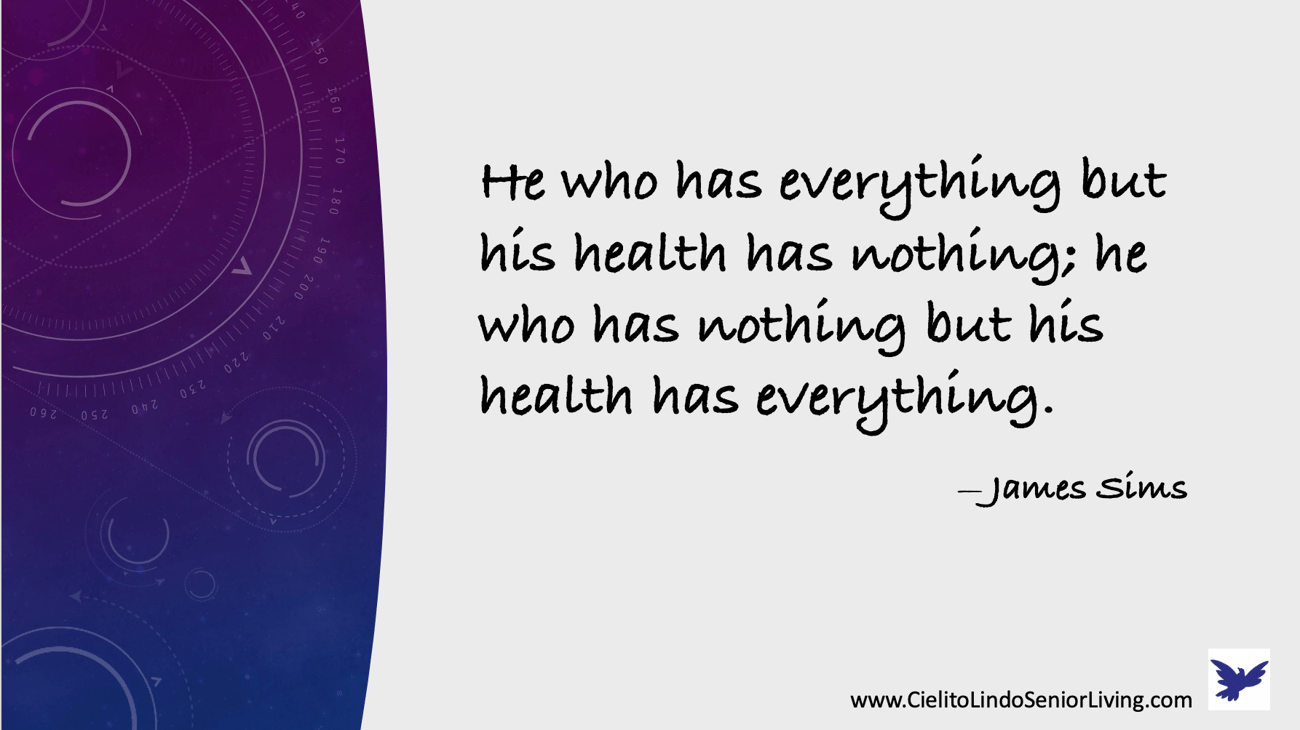
Caregiver's Sentiment: Our Health is Everything
"He who has everything but his health has nothing; he who has nothing but his health
has everything."
—Drawn from the spirit of ancient philosophy readings, and even Ralph Waldo Emerson, who said, “The first wealth is health.”
This sentiment, though not directly traceable to any single philosopher, echoes the wisdom of thinkers like Herophilus, Seneca, and Hippocrates, all of whom recognized that vitality is the very engine of a meaningful life. The truth of this quote resonates more deeply than ever as we enter our mid 60's and beyond. With age often comes the realization that no material possession, no accolade, and no status symbol can substitute for the ability to move freely, to think clearly, or to enjoy time with loved ones
without pain or limitation.
It becomes a fundamental imperative not only to care for our own well-being, but also to extend that care to others—spouses, friends, neighbors, and younger generations. The ancients understood that the good life was not merely about surviving, but about thriving in body, mind, and spirit. In modern terms, we might say that quality of life is not a luxury—it is the very essence of life itself. To invest in our health, to support the health of those around us, is to affirm the value of life. In this way,
the wisdom of old reminds us: tending to our health is not selfish; it is the foundation for love, service, and dignity at every age.
|
|
|
|
|
Beyond the Waiting Room: Reforming Healthcare to Respect and Serve Our Elders
May 6, 2025 | James Sims, Editor, www.cielitolindoseniorliving.com
Imagine going to the doctor only to have your pain waved away as “just old age.” For millions of elderly Americans, that scenario isn’t rare—it’s routine. As the population of adults over 60 rapidly expands, our healthcare system remains dangerously behind, shaped by outdated assumptions and a deep-rooted bias against aging. If we are to deliver equitable, effective care in the 21st century, eldercare reform is not optional. It is a moral and medical imperative.
Ageism in medicine is not subtle. Older patients are routinely excluded from clinical trials, meaning that many treatments are calibrated to younger bodies with different metabolisms and fewer health complications. Medications proven “safe and effective” in a 40-year-old can pose significant risks to someone
managing multiple chronic conditions at 80. Despite this, doctors too often rely on one-size-fits-all protocols, even when those standards fail to serve—or worse, actively harm—the elderly.
Part of the problem lies in how we conceptualize aging. For much of modern medical history, aging has been treated not as a life stage requiring specialized attention, but as a slow, inevitable decline—unworthy of proactive treatment or innovation. This perception has contributed to chronic underfunding in geriatric research and to a medical education system that still offers little in the way of comprehensive training in eldercare. As a result, many physicians enter practice ill-equipped to recognize atypical disease presentations in older patients or to tailor care plans to their complex needs.
This failure has real consequences. Chronic pain in the elderly is often misdiagnosed or ignored. Cognitive changes are
dismissed as “just getting older” rather than explored as treatable symptoms. The widespread phenomenon of polypharmacy—prescribing multiple medications without cohesive oversight—can lead to dangerous drug interactions, deteriorating health, and a loss of autonomy. These aren't just system errors; they're signals of a deeper societal indifference.
That indifference is cultural as much as institutional. Our society’s obsession with youth colors how we see aging—frail, forgetful, irrelevant. These stereotypes don’t just offend; they actively shape clinical decisions. Older adults are less likely to be offered aggressive treatment for conditions like cancer or cardiovascular disease. Mental health concerns like depression are too often brushed off, leading to needless suffering and isolation. If these patterns affected another demographic—say, children or veterans—there would be national outrage. But because the victims are
older, we call it "natural."
Worse, the burdens of medical ageism fall unevenly. Elderly women, people of color, and low-income individuals often face compounded discrimination. An older Black woman, for instance, may confront skepticism about her pain, inadequate access to care, and the weight of intersecting racial, gendered, and ageist assumptions. The intersectionality of eldercare inequality demands a similarly nuanced response—one that prioritizes inclusion, cultural competence, and community-based solutions.
To some, these disparities are the result of necessary triage. Resources are finite, they argue; care must be rationed. But this framing hinges on a dangerous presumption—that older lives are somehow worth less. In truth, equity is not about uniformity; it’s about justice. An 82-year-old with arthritis, diabetes, and resilience built over a lifetime deserves care tailored to her experience, not
rationed because of it.
To move forward, we need both systemic reform and cultural change. Medical schools must embed geriatric care in their core curricula, not as an elective or afterthought. Funding must flow toward age-related research, and clinical trials must be required to include older adults in meaningful numbers. Age-specific treatment guidelines should be standard, not exceptional.
At the same time, we must amplify elder voices in healthcare leadership and decision-making. Older patients—and professionals—bring insight that is too often ignored. Senior healthcare workers, for instance, face discrimination within their own field, perceived as out-of-touch despite their lived expertise. Their marginalization reflects a larger paradox: we trust youth to care for the aging, but rarely empower the aged to shape that care.
We also need to shift public perception. Campaigns to
combat ageism, particularly in media and advertising, can help reframe aging as a stage of growth rather than decline. Just as movements have redefined how we view gender and disability, a cultural reckoning with age could transform not only policy, but empathy.
Our elderly population is not a burden; it is a national asset. These are the people who raised families, built communities, fought wars, and paid into the systems that now fail them. They deserve better—not just as patients, but as citizens. A healthcare system that honors their complexity, listens to their concerns, and respects their worth will be better for all of us.
If we care about human dignity, we must prove it where it counts most—in the exam room, the policy chamber, and the research lab. The time to build a healthcare system that serves our elderly with the attention and compassion they deserve is not tomorrow. It’s now.
|
|
|
|
|
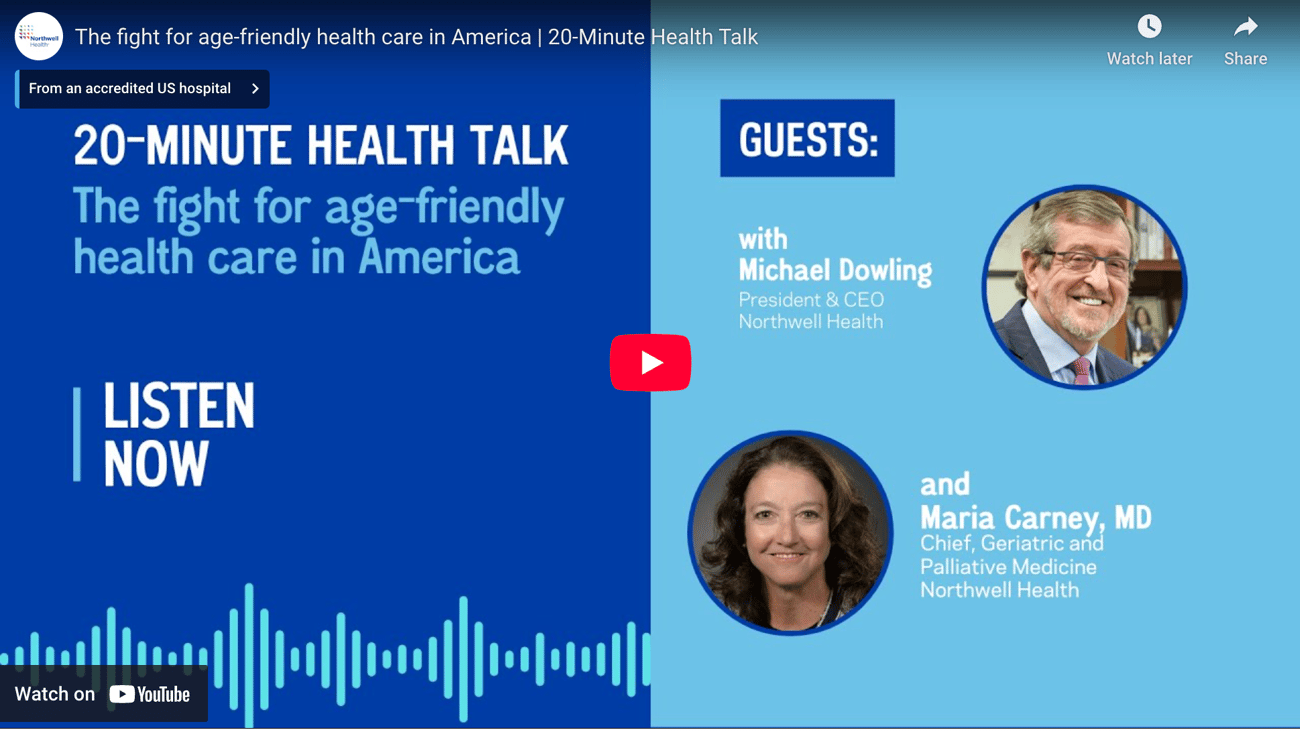
Video: The fight for age-friendly health care in America | 20-Minute Health Talk
The video discusses the importance of age-friendly healthcare in America as the population ages. Michael Dowling and Dr. Maria Carney share insights on the history of geriatric medicine, emphasizing the need for healthcare professionals to understand the unique needs of older adults. They address ageism in healthcare and the impact it has on the care older adults receive. Dr. Carney shares a story illustrating the importance of looking beyond age when providing care. Michael Dowling outlines his vision for Northwell to lead as an age-friendly health system, focusing
on comprehensive and holistic care for older adults. The conversation highlights the evolving landscape of healthcare to meet the needs of an aging population.
The discussion in the video sheds light on the critical aspects of geriatric medicine, emphasizing the need for specialized care for older adults. Dr. Carney and Michael Dowling stress the importance of education, understanding, and advocacy in addressing the challenges posed by an aging population. They also delve into the evolving landscape of healthcare delivery, including the impact of Medicare policies and the necessity of reimagining primary care for older adults. The insights shared by the experts underscore the significance of adapting healthcare systems to meet the unique needs of an aging society.
View the video here.
Highlights:0:05 – Michael Dowling emphasizes the importance of preparing for aging as the population of older adults continues to grow.2:28 – The conversation begins with Michael Dowling and Dr. Maria Carney discussing the topic of aging.6:27 – Dr. Maria Carney shares her inspiration for being a part of the book on geriatric healthcare.7:54 – Michael Dowling discusses the role of Robert Butler in creating the field of geriatric medicine.9:28 – Dr. Maria Carney shares a story highlighting ageism in healthcare and the importance of looking beyond age.10:12 – Michael Dowling expresses his vision for Northwell to be a model of an age-friendly health system.11:56 – Dr. Maria Carney explains the specialty of geriatric medicine and the fellowship program required after internal medicine or family medicine residency.12:47 – The fellowship of geriatric medicine covers various aspects of care for older adults and exposes professionals to different care models.14:05 – Michael Dowling emphasizes the importance of continuing education and communication in understanding aging and healthcare needs.15:02 – By 2034, there will be more people over 65 than young people, posing challenges in healthcare and economics globally.16:39 – Dr. Maria Carney discusses the unique focus of the book on healthcare accomplishments and individuals who have revolutionized care for older adults.17:06 – Sandra Lindsay highlights the opposition faced by pioneers in geriatric medicine and the importance of their work.18:09 – Dr. Maria Carney explains the impact of Medicare Advantage policies on healthcare delivery and quality of care for older adults.19:27 – Michael Dowling encourages support for
programs and initiatives that promote longer and healthier lives, advocating for progress in healthcare.20:22 – Dr. Maria Carney stresses the importance of focusing on delivery of care at home and reinventing primary care for older adults.22:21 – The goal at Northwell is to provide the right care at the right time and in the right place, striving to continuously improve.
|
|
|
|
|
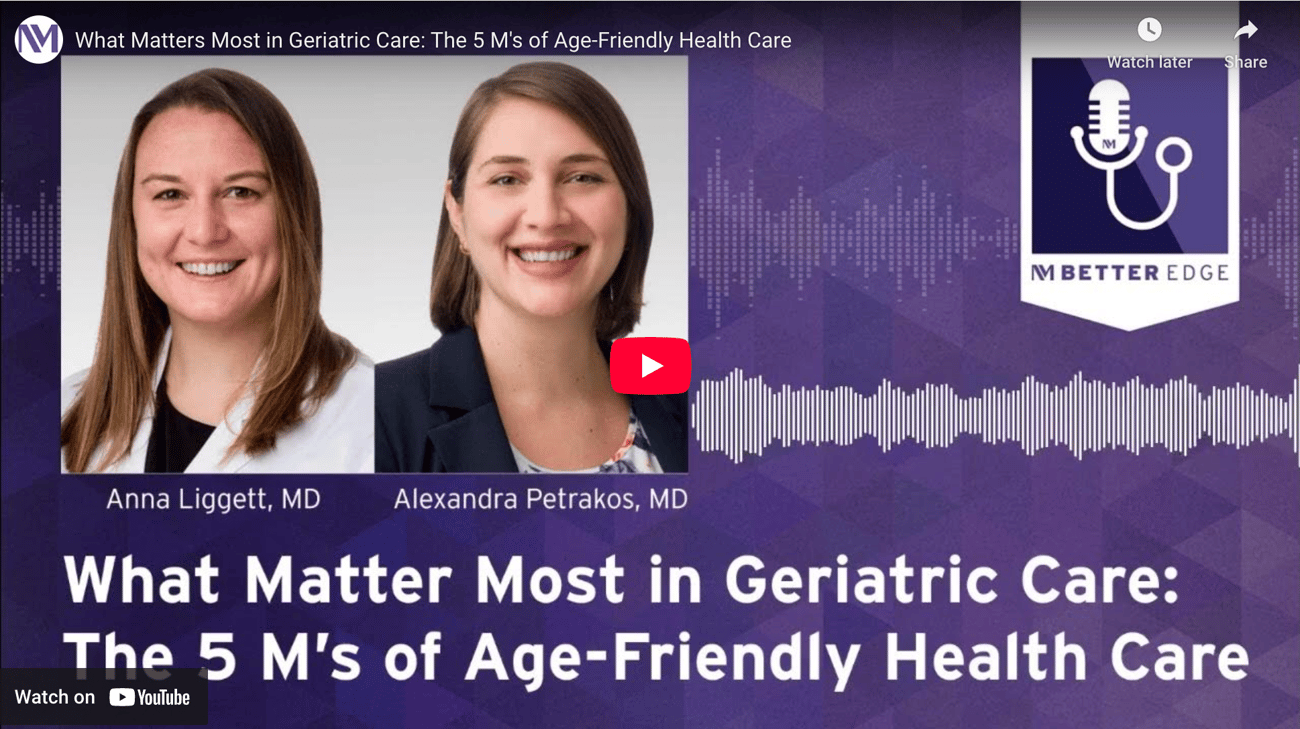
Video: What Matters Most in Geriatric Care: The 5 M’s of Age-Friendly Health Care
The video discusses the 5 M’s of age-friendly healthcare, focusing on medications, mentation, mobility, multi-morbidity, and what matters most. Dr. Petrakos and Dr. Liggett emphasize the importance of patient-centered care, aligning treatment with patient goals, and minimizing inappropriate medications for older adults. Screening for cognitive issues and prioritizing patient preferences are key aspects of providing quality care in various healthcare settings. Research methods involving thematic analysis were used to understand patient values in skilled nursing facilities. The 5 M’s framework aims to enhance the quality of care for older adults by addressing their specific needs and preferences.
The discussion emphasizes the importance of aligning healthcare with patient values and preferences to enhance the quality of care for older adults. By focusing on what matters most to patients, healthcare providers can improve patient outcomes and overall quality of life. Practicing patient-centered care and prioritizing patient goals are essential in delivering personalized and effective healthcare services, especially in nursing facilities. Understanding and incorporating patient values into treatment plans can lead to better patient-provider relationships and more successful medical interventions.
Highlights:
0:51 – Dr. Alexandra Petrakos explains the concept of “What Matters Most” in age-friendly healthcare, focusing on the 5 M’s: medications, mentation, mobility, multi-morbidity, and what matters most.
2:16 – Dr. Anna Liggett discusses the importance of realigning patient goals in skilled nursing facilities to focus on medications, mobility, and what matters most to the patients.
3:21 – Dr. Petrakos emphasizes the significance of reviewing medication lists and minimizing inappropriate medications for older patients to improve quality care.
4:14 – Dr. Petrakos highlights the importance of screening for dementia, delirium, and depression in older patients to provide comprehensive care.
4:31 – Dr. Petrakos explains the role of physical and occupational therapy in improving mobility and independence for older adults in post-acute care settings.
5:19 – Dr. Liggett describes the research methods used to understand what matters most to patients in skilled nursing facilities, involving thematic analysis of patient responses.
06:59 – Personal health goals and safety were key themes identified in patient surveys.
07:12 – Patients valued staff competence, professionalism, and kindness in skilled nursing facilities.
07:32 – Cleanliness, quality, and food were significant factors affecting what matters most to patients.
08:09 – Patients’ emphasis on cleanliness and food quality surprised and delighted Dr. Petrakos.
09:26 – Focusing on patient goals and preferences is crucial in providing quality care in nursing facilities.
10:18 – Patients in rehab need a supportive environment for healing and restoration.
11:28 – Practicing patient-centered care based on what matters most to patients is crucial for quality of life.
12:07 – Taking the time to understand what matters most to patients can deepen the provider-patient relationship.
12:42 – Understanding patients’ priorities can guide providers in delivering more effective treatment.
|
|
|
|
|
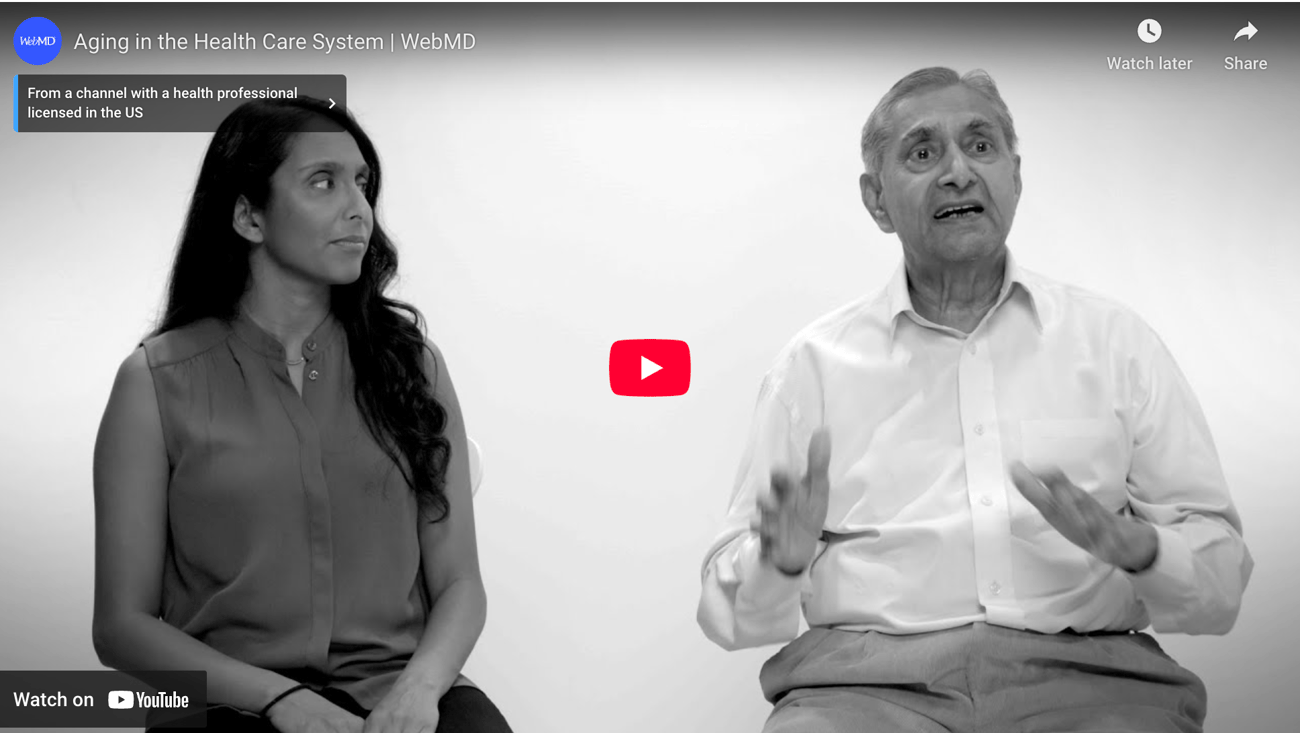
Video: Aging in the Health Care System | WebMD
The video discusses the challenges faced by an active 85-year-old individual in navigating the healthcare system. It highlights the importance of communication among healthcare providers, the
need for better information on medications and their side effects, and the role of family support in managing healthcare. The individual expresses a desire to maintain mobility and independence while facing difficulties coordinating care among multiple doctors. The video underscores the significance of patient empowerment and involvement in managing one’s health effectively.
View the video here Highlights:
0:03 – Active 85-year-old with no hospital visits, used to snow ski and play tennis.
0:31 – Experienced mobility issues after hip replacement, wants to stay mobile and independent.
1:08 – Concerns about lack of communication among doctors.
1:36 – Takes charge of managing own health, including medication schedules.
1:54 – Looks up medication side effects online due to lack of information from doctors.
2:29 – Frustration with multiple doctors’ opinions not being coordinated.
3:01 – Difficulty in getting a cohesive healthcare plan without asking many questions.
3:10 – Emphasizes the importance of family support in managing healthcare.
|
|
|
|
|
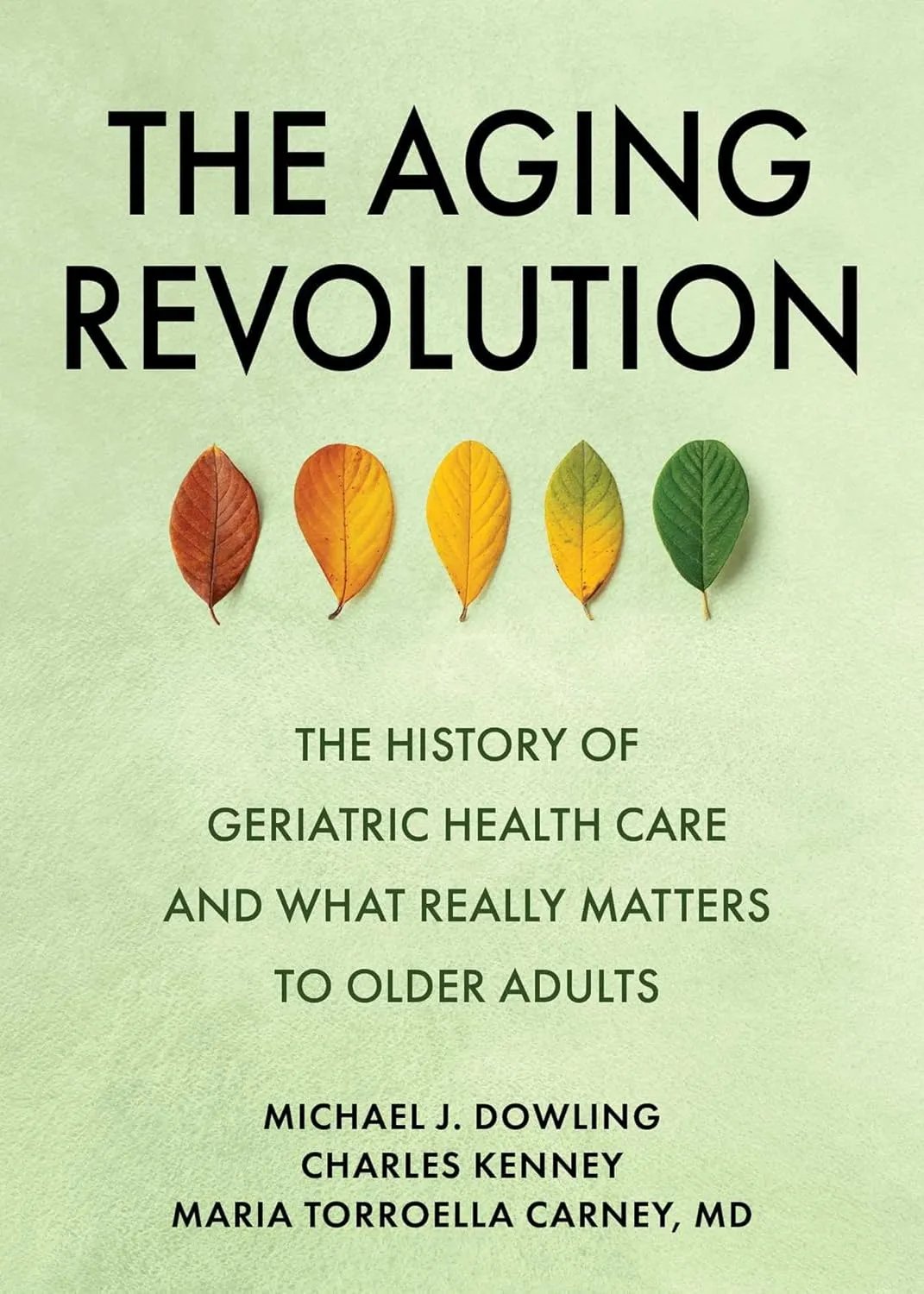
Book Review: The Aging Revolution: The History of Geriatric Health Care and What Really Matters to Older Adults by Michael J. Dowling, Charles Kenney, and Maria Torroella Carney, MD
Overall, the book’s thorough analysis, engaging style, and forward-thinking approach make it an essential read for anyone interested in the future of geriatric health care.The Aging Revolution: The History of Geriatric Health Care and What Really Matters to Older Adults by Michael J. Dowling, Charles Kenney, and Maria Torroella Carney, MD
Overview
The Aging Revolution is a deeply researched and forward-thinking examination of how geriatric care in the United States has evolved over the past several decades. Drawing inspiration from the seminal work of Dr. Robert Butler, this book captures both the historical trajectory and the current landscape of care for older adults, while emphasizing the urgent need for continued reform. The authors—leaders in healthcare and policy—blend narrative history with policy insight to highlight the systemic changes necessary to create a more just and compassionate model of eldercare.
Synopsis
The book traces the roots of modern geriatric medicine, beginning
with the efforts of Dr. Butler in the 1970s to bring aging into the national consciousness. It then follows the innovations that have shaped care delivery for older adults—from interdisciplinary geriatrics teams and home-based care models to policy shifts that prioritize dignity and autonomy. The authors present stories of pioneering clinicians and programs, while also critiquing ongoing shortcomings in accessibility and equity, especially for underserved elderly populations.
Key Themes
- Historical Advocacy: The lasting influence of early champions for elderly care, especially Dr. Butler, whose work laid the groundwork for systemic change.
- Integrated and Innovative Care Models: A close look at new approaches in geriatrics, including primary care at home, palliative services, and holistic models that address mental and physical health together.
- Health Equity and Disparities: A recurring focus on the uneven distribution of quality care and resources among aging populations, especially those in poverty or marginalized communities.
- Quality of Life and Purpose in
Aging: An emphasis on enabling older adults to lead meaningful, engaged lives—far beyond just managing disease.
- Future Directions: Policy and system-level recommendations for expanding the reach and effectiveness of geriatric health care nationwide.
Writing Style
The writing is clear, authoritative, and accessible. Dowling, Kenney, and Carney balance scholarly insight with real-world application, making the material approachable for both professionals and lay readers. The book benefits from a narrative structure that brings historical and personal stories to life, preventing it from reading like a dry policy report.
Conclusion
The Aging Revolution succeeds on multiple fronts: as a historical account, a call to action,
and a visionary roadmap for the future of eldercare in America. It is a vital resource for health care professionals, policymakers, caregivers, and anyone invested in aging with dignity. The authors’ combined expertise grounds the book in both compassion and pragmatism, offering a nuanced yet hopeful outlook for the future of geriatric medicine. The book excels in several key areas:
- Depth of Research: The authors provide a well-researched account, delving into the historical context and development of geriatric health care with meticulous detail.
- Engaging Narrative: The storytelling is compelling, bringing to life the struggles and triumphs of pioneering individuals and organizations in the field.
- Relevance and Practicality: The book not only celebrates past achievements but also highlights current challenges and offers practical solutions for future improvements.
- Holistic Perspective: By addressing both the medical and social aspects of aging, the book provides a
rounded view of what matters most to older adults.
- Impactful Vision: The authors’ vision for a more equitable and effective geriatric care system is both inspiring and actionable, making it a valuable resource for policymakers and practitioners.
Rating: 5/5 Stars
This book earns a full 5 out of 5 for its thorough research, engaging presentation, and
timely relevance. It is both a celebration of progress and a candid assessment of how far we still have to go in providing equitable, effective care for older adults.
Additional Resources Cielito Lindo Offers
We have curated collections of resources that may be useful.
Articles - We write fresh articles about senior living, health, care, and finances every week
Caregiver Books
- We review books related to caregiving methods, logistics, challenges, and coping
Senior Health - We review books related to healthspan, lifespan, and disease
We also have 1,600+ other senior care and expat in Mexico videos: YouTube
|
|
|
|
|
| Cielito Lindo's basic information is included for your convenience:
|
|
|
- Cielito Lindo Info: After the signature, the newsletter always includes information about Cielito Lindo, so it is at your fingertips when you want it: Our costs, various related websites, social media channels like YouTube, our various addresses, and so on.
- Travel Info: Recommended airports and shuttles.
|
|
|
Web Sites - Cielito LIndo and Rancho Los Labradores
Here are our Web sites, including Cielito Lindo and Labradores Suites (hotel) all of which are part of the larger Rancho Los Labradores gated community just north of San Miguel de Allende.
- Cielito Lindo provides independent living, light assisted living, assisted living, memory care and hospice with 24*7 staffing along with a la carte assisted living services to those living in the villas and suites at Rancho Los Labradores.
- Rancho Los Labradores Suites offer short and long term residence.
- Rancho Los Labradores is a country club resort feeling CCRC that provides a gated community with countless amenities and opportunities for different levels of independent living along with assisted living and memory care within Cielito Lindo.
Cielito Lindo Living Options & Costs Guide
We offer several living options depending on the level of care you or your loved one needs. Here’s a breakdown to help you plan:
1) Villas (Rent or Own)
- Cost: $1,300 – $1,700 per month
- Additional Costs: Utilities, renter’s insurance, etc.
- What’s Included: This is mostly independent living.
- Extras: You can add independent or assisted living services (charged separately, à la carte).
- Support: We can connect you with a realtor if you'd like to purchase.
2) Cielito Lindo Condos & Suites
Best for: Independent living with optional assistance.
Option 1: Independent Living + Meals
- Cost: $2,250 per month
Includes:- 2 meals a day
- Monthly medical check-up
Optional Add-ons:- Meals for an additional person: $450/month
- Extra care services available à la carte
Option 2: Light-Assisted Living in Condos & Suites
- Cost: $3,900 per month
Includes:- Full assisted living services
- Designed for residents who still want independence but need some support
- Smooth transition to full Assisted Living or Memory Care as needs
change
- One-Time Inscription Fee: $4,000
For Couples:- $4,900/month for two people
- Same one-time fee ($4,000 per couple)
- Note: Suitability is based on cognitive ability, mobility, and safety.
3) Cielito Lindo Assisted Living, Memory Care, & Hospice
Best for: Seniors needing full-time care and supervision.
- Cost: $3,900 per month
Includes:- 24/7 care and monitoring
- All meals
- Physical therapy
- Full-time doctor on site
- Spacious private room with
bath
- One-Time Inscription Fee: $4,000
- For Couples: $4,900/month
4) Specialized Hospice Suite
Best for: Intensive care needs or end-of-life comfort and also recuperative at a far lower cost than a hospital- Cost: $4,900 per month
Includes:- Full 24/7 monitoring
- Recuperative, Palliative and hospice care
- On-site doctor
- All meals
- Special space for visiting
family
|
|
|
YouTube videos and Curated Playlists
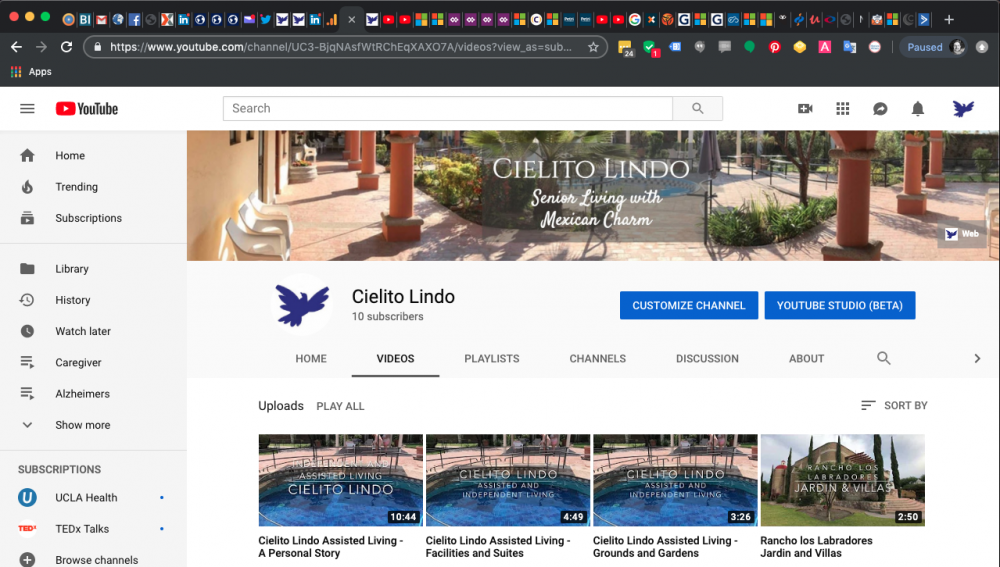
Here is our YouTube Channel. This is where we have lots of videos about Cielito Lindo and Rancho Los Labradores. We also have 1,600+ other senior care and expat in Mexico videos: YouTube |
|
|
|
|
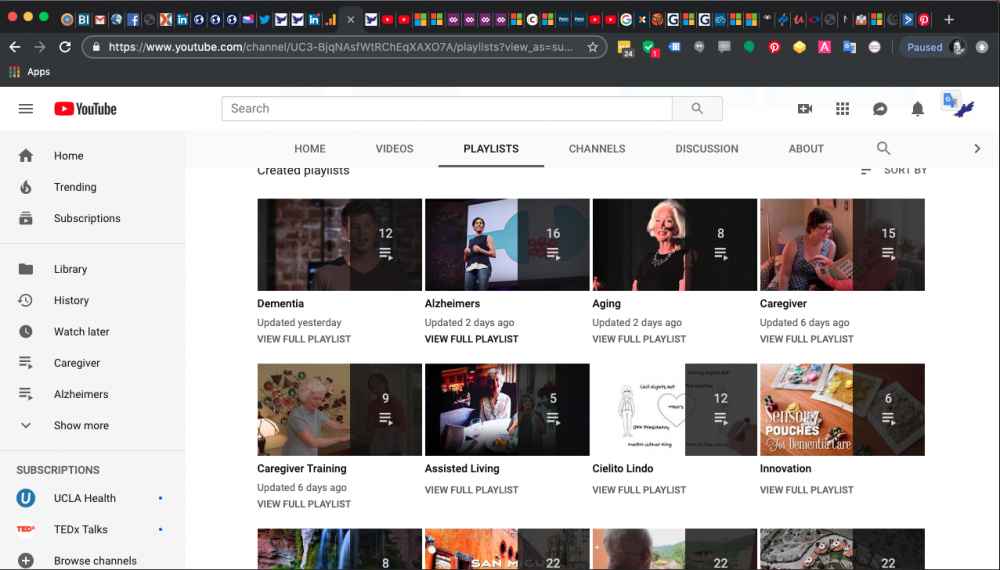
Additionally, our playlists cover a wide area and include 1,200+ videos. These playlists include videos about San Miguel and Mexico in general, caregiving and health, and a broad spectrum of senior living topics. Playlists
|
|
|
|
|
Additional Resources We Offer
We have curated collections of resources that may be useful:
Articles - We write fresh articles about senior living, health, care, and finances every week
Caregiver
Books - We review books related to caregiving methods, logistics, challenges, and coping
Senior Health - We review books related to healthspan, lifespan, and disease
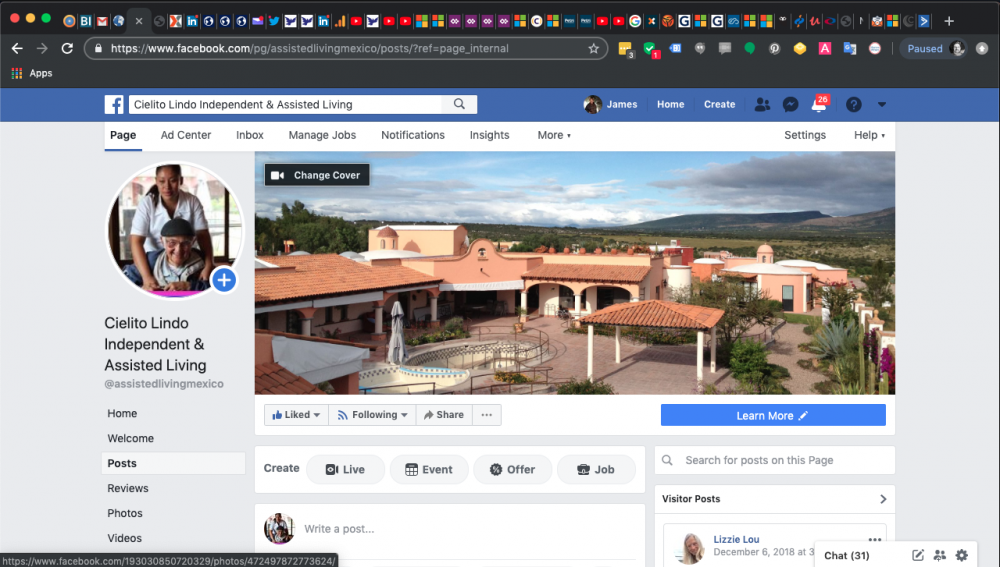
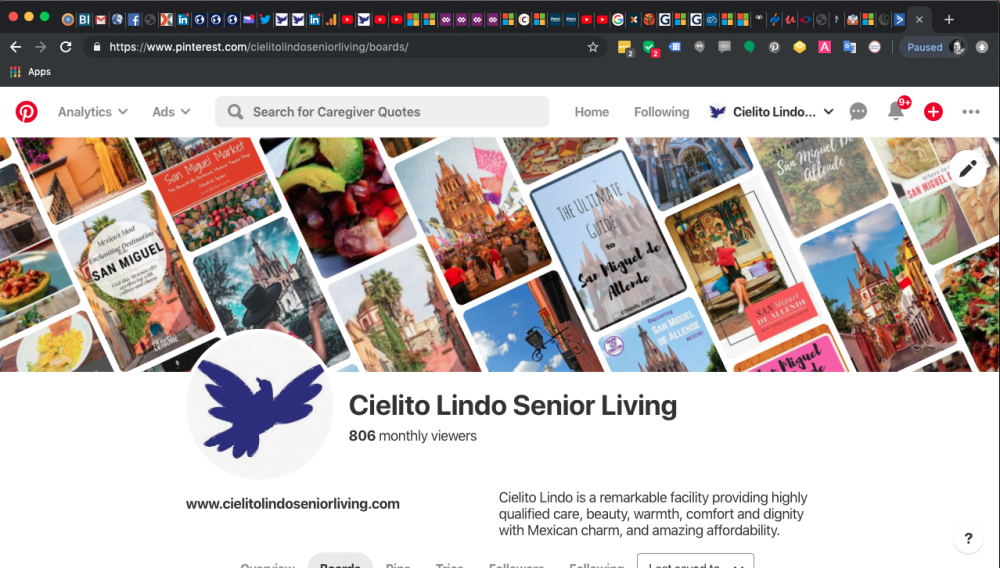
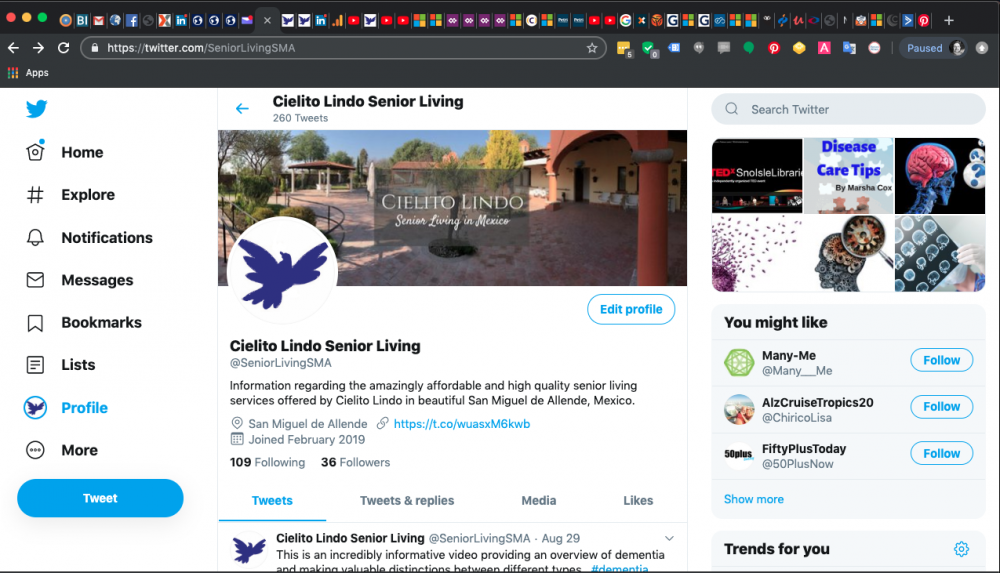
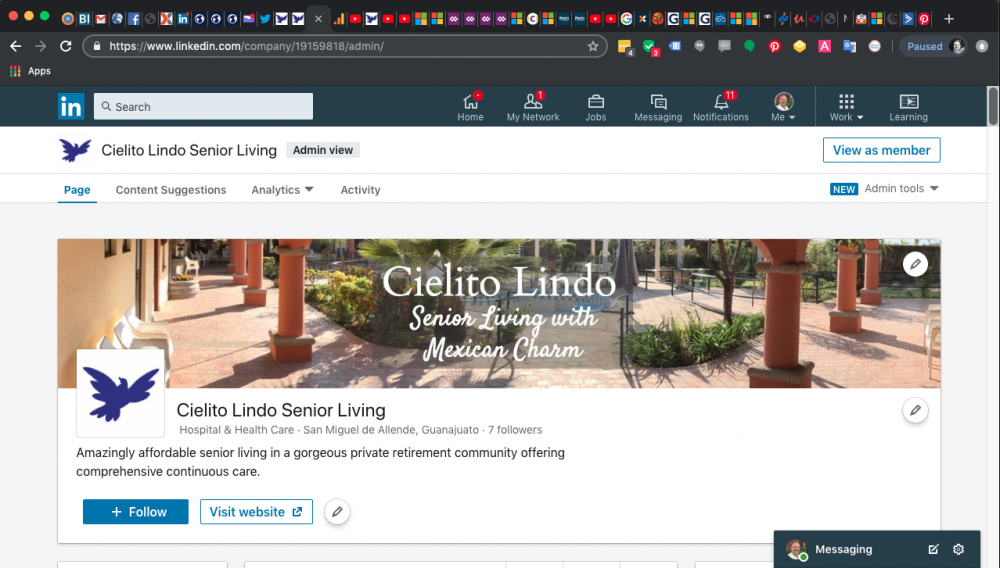
And here are our various social media forums, where we talk a lot about assisted living and memory care along with the various sort of challenges that sometimes come in our senior years (Alzheimer’s, Parkinson other dementias, and so on), but also about senior living in Mexico.
Facebook
|
|
|
|
|
|
|
|
|
|
|
|
|
|
|
|
|
|
|
Please don’t hesitate to contact me for anything related to senior living, especially in Mexico. I will gladly give you any assistance I can.
Thanks again!
James
James Sims
Marketing and Sales
Cielito Lindo Senior Living
1. 888.406.7990 (voice and text)
Phones:
English speaking:
1.888.406.7990 (in US & CDN)
00.1.881.406.7990 (in MX)
Spanish speaking:
011.52.415.101.0201 (in US & CDN)
1.415.101.0201 (in MX)
Expat Logistics:
Visas for Expats:
Sonia Diaz Mexico
Tax Considerations for Expats:
Robert Hall Taxes
Addresses and Travel:
Physical address:
Cielito Lindo
Independent and Assisted Living, Camino Real Los Labradores S/N, Rancho Viejo 1, San Miguel de Allende, GTO, Mexico, 37885
Packages from online providers like Amazon:
Camino Real Los Labradores, Rancho Los Labradores / Cielito Lindo, San Miguel de Allende, GTO, 37880 México
PO Box for letters and small envelopes:
Rancho Los Labradores / Cielito Lindo, c/o Alejandra Serrano ,
PMB N° 515-C, 220 N Zapata HWY N°11, Laredo TX, 78043-4464
Best airports to fly into: Leon or Queretaro
Airport shuttle: BajioGo
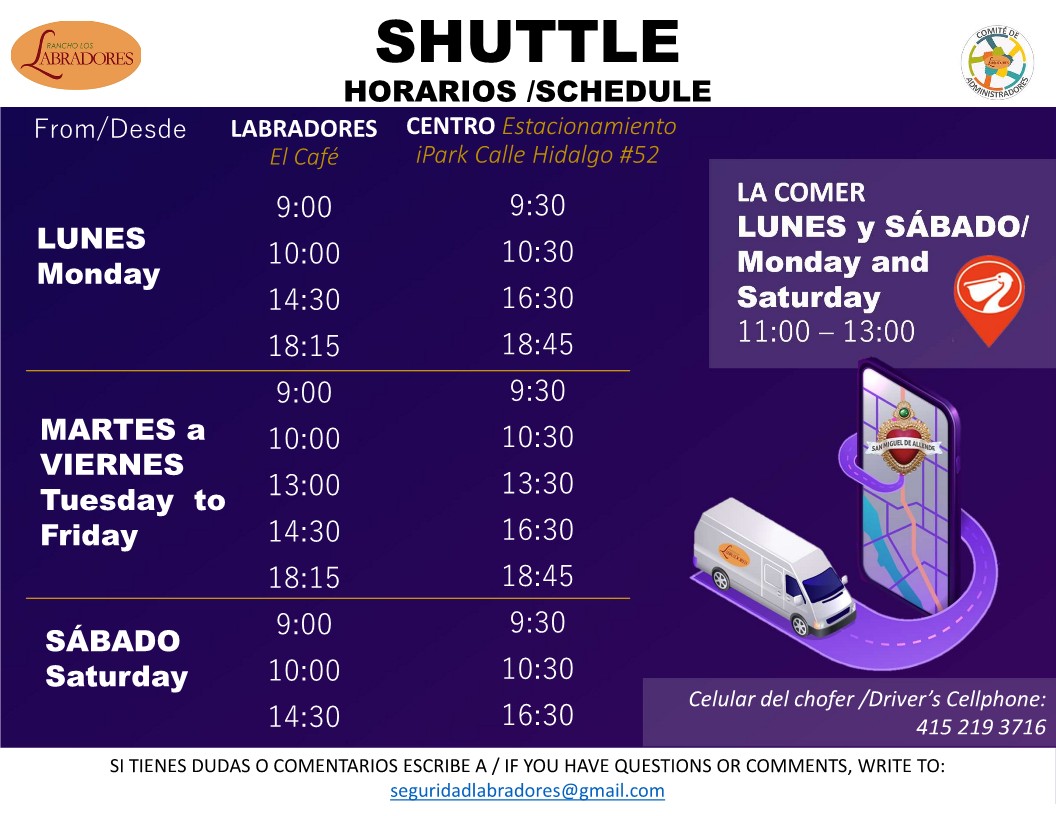
Shuttle:
Shuttle between San Miguel and Cielito Lindo
|
|
|
|
|
|
|
Regards,
James
James Sims
Marketing and Sales
Cielto Lindo Senior Living
James@CielitoLindoSeniorLiving.Com
|
|
|
|
|
|
|
|