|
|
Dear ,
This is your weekly summary of our news, research, books, videos, and other resources related to senior living, retirement, and care in Mexico, along with independent and assisted living and information about age-related challenges (e.g., limited mobility, dementia, Alzheimer's, Parkinson's, ALS, stroke, multiple sclerosis, healthspan, and so on).
I hope you are finding this weekly newsletter helpful, and if you know of someone who may also find this information helpful, please forward it to them. They can subscribe using our Web Newsletter page (click here). If, for any reason, you do not wish to receive this weekly newsletter any longer, there is a simple 'Unsubscribe' or 'Opt Out' link at the bottom right corner of this newsletter and also right here: Unsubscribe
This weekly newsletter typically includes information in each of the following categories: San Miguel insights, senior care, and health information, as well as Cielito Lindo basic information.
Here’s what we typically cover each week:
- San Miguel de Allende highlights – why this is such a special place to live
- Health & wellness insights – articles, videos, and expert reviews
- Care options & community life at Cielito Lindo – flexible, affordable living with a warm, human touch
This Week’s Theme: The Unacknowledged Caregiver
This week, we explore how leading a life with purpose can improve our health and well-being.
|
|
|
|
|
| Weekly insights into San Miguel:
|
|
|
- Colorful and Epicurean San Miguel - This is such an amazing place,
particularly the food and the colors. Although we are addressing a topic that is stressful, challenging, and emotional, we should also acknowledge what an incredible place San Miguel is.
|
|
|
|
|
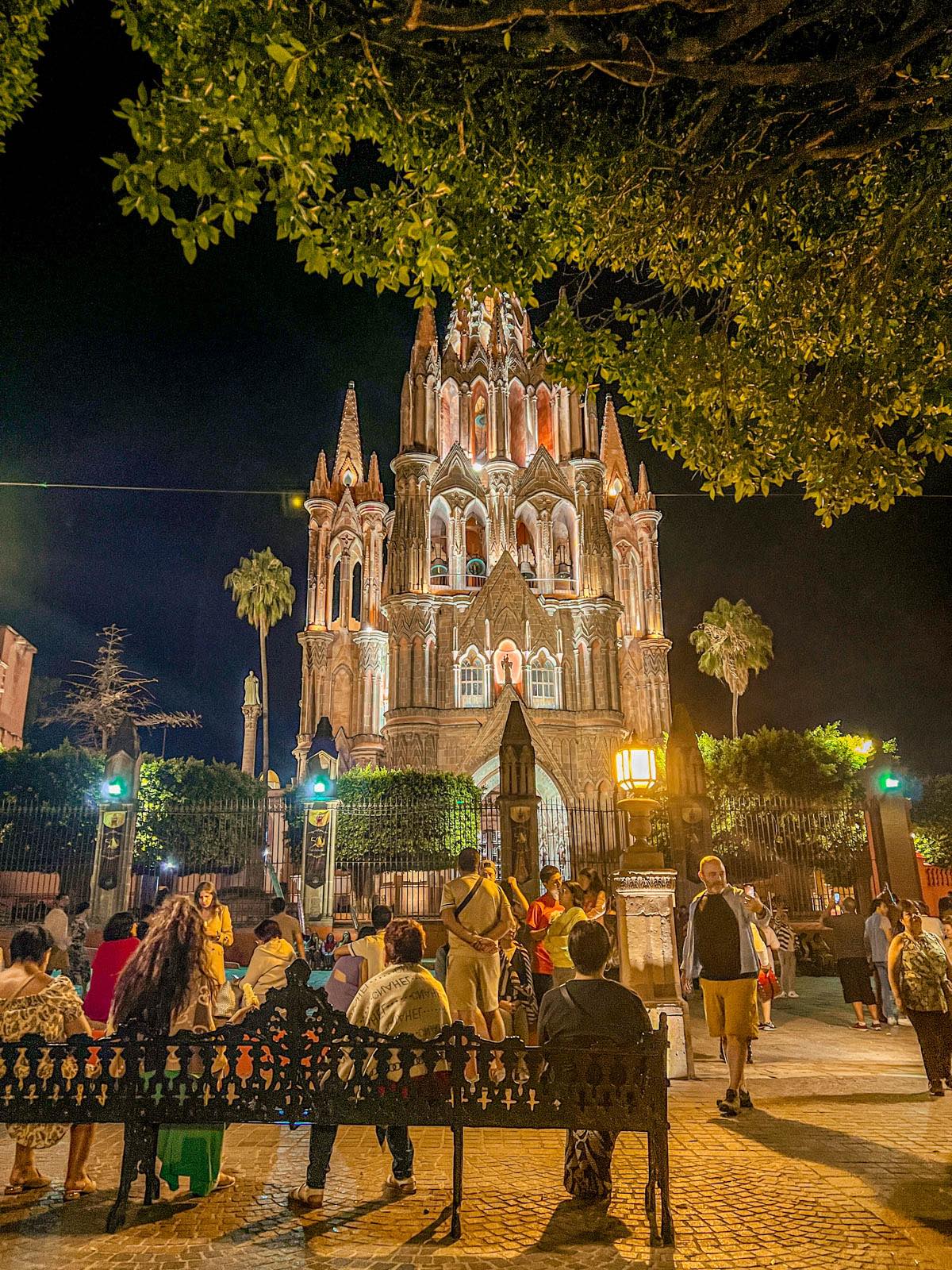
The Colors of San Miguel: Mysterious Portals
On this night, you don’t notice the pink spires first.
You notice the bench.
The iron is cool beneath your palm, patterned with delicate curls and small flourishes worn smooth by decades of waiting. Lovers have sat here. Widows. Teenagers pretending not to look at each other. The metal seems to remember them all.
In front of you, the Parroquia rises like a confection of cantera and shadow, her neo-gothic spires lit honey-gold against the velvet sky. But what reaches you first is the sound — not the grand bells, not a procession — just the soft percussion of footsteps over cobblestones. A shuffle. A
pause. Someone explaining something in a low voice. A laugh that lifts and dissolves into the leaves overhead.
The trees cradle the cathedral like protective hands. Their glossy leaves shift in the faintest breeze, making a sound like quiet applause. Behind you, a vendor’s cart exhales the scent of roasted elote — sweet corn brushed with lime, a whisper of chile in the air. It mingles with the last threads of incense drifting out from evening mass.
The jardín feels like a shared living room tonight — strangers leaning toward one another, borrowing the intimacy of being outside together. A man stands nearby, arm extended for a selfie, his face lit by his phone. But even he lowers it eventually. Everyone does. The light on the Parroquia pulls your eyes upward, reminding you how small and temporary your concerns are.
And yet, it isn’t smallness you feel. It’s belonging.
The lamppost beside you hums faintly, casting amber over the bricks. The palm trees stand improbably tall against the spires, as if they wandered in from another climate and decided to stay. San Miguel gathers the unlikely and makes it feel inevitable.
A little ways to your right, a couple sits close on a bench. Their shoulders touch — not dramatically, just enough. That slight contact feels like the entire point of the evening.
The cathedral glows. The trees breathe. The iron bench holds.
And here, beneath stone that reaches toward heaven and leaves that whisper above you, the night feels both grand and tender at once — like a secret shared softly in the middle of a crowd.
|
|
|
|
|
Restaurant Review: Café Oso Azul
Zacateros 17, Centro, San Miguel de Allende, Gto., México Phone: +52 415 152 7513
Days and Hours: Daily, approximately 8:30 AM – 2:00 PM (Breakfast & Brunch only)
Atmosphere:
Tucked behind an unassuming doorway on Zacateros, Café Oso Azul feels like stepping into a friend’s bohemian courtyard. A riot of turquoise tables, mismatched chairs, potted plants, and sun-dappled brick walls create one of the most charming breakfast patios in San Miguel. It’s intimate, relaxed, and often buzzing with expats, artists, and travelers lingering over coffee.
Service:
Warm, casual, and personal. The staff embody the laid-back rhythm of San Miguel mornings—friendly and attentive, though not rushed. This is a place to settle in and savor the moment.
Cuisine:
Fresh, wholesome
breakfast and brunch with strong vegetarian-friendly offerings. The menu blends Mexican classics with health-conscious, almost Californian-inspired plates. Ingredients are simple, vibrant, and thoughtfully prepared.
Signature Dish:
Chilaquiles—perfectly balanced between crisp and tender, bathed in a flavorful sauce (red or green), and topped with crema, queso fresco, and your choice of eggs or chicken.
Starters:
Seasonal fruit plates (like the papaya and melon beautifully sliced and simply presented), house granola with yogurt, and fresh juices. The fruit here is always ripe and refreshing—an ideal start to a San Miguel morning.
Main Courses:
Egg dishes shine—huevos rancheros, omelets loaded with vegetables, and hearty breakfast burritos. Vegetarian options are plentiful and satisfying. Portions are generous without being overwhelming.
Desserts:
Though primarily a breakfast spot, you may find homemade muffins or sweet breads that pair beautifully with coffee.
Wine and Cocktails:
This is more about coffee culture than cocktails. Excellent fresh coffee, strong americanos, and well-prepared cappuccinos. Fresh-squeezed juices and
licuados are standout options.
Final Thoughts:
Café Oso Azul is one of those places that defines the spirit of San Miguel de Allende—colorful, artistic, welcoming, and deeply rooted in community. It’s not fancy, nor does it try to be. Instead, it delivers consistently good food in one of the most charming courtyard settings in town. Go early, bring a book, and let the morning unfold.
Cost: $$
Rating: ★★★★☆
(Photo courtesy of EatingTheGlobe.com)
|
|
|
|
|
| Information related to Mexico, senior care and health:
|
|
|
- Lead article - These are articles specifically written for you each week. They address a wide range of
relevant topics, such as factors that can increase your health and lifespan, diagnostics, understanding causal factors for Alzheimer's and other dementias, and so on. The lead article typically sets the tone for the core content of the newsletter (videos and book reviews). On occasion, the focus may be centered on Mexico, Pueblos Magicos, and San Miguel de Allende.
- Caregiver's Sentiment
- This quote typically honors what we, as caregivers, are going through and feeling.
- Caregiver's Affirmation - This affirmation bolsters our self care, our image or ourselves on this journey and our ability to endure.
- Videos - Typically, three videos are related to the lead article, and they include a summary and timestamped highlights.
- Book Review - Typically related to the lead article.
|
|
|
|
|
The Epigenetics of Purpose: Why Meaning Matters Even More in Retirement
Retirement is often sold as freedom. Fewer meetings. Fewer alarms. Fewer obligations. But what if this transition is far more than a lifestyle shift? What if it is a biological turning point — one that can quietly accelerate decline or actively protect your health?
In The Epigenetics of Purpose: Why Meaning Matters Even More in Retirement, we explore emerging research showing that purpose doesn’t just “feel” good — it may influence gene expression, immune signaling, inflammation, and even cognitive resilience. In other words, the difference between stagnation and vitality in retirement may not be written in your DNA — it
may be shaped by whether you believe you still matter.
This article connects cutting-edge science in epigenetics and psychoneuroimmunology with a question most retirees never think to ask: Who needs me now? If retirement is a biological crossroads, purpose may be the lever that tilts it toward longevity, resilience, and sharper years ahead.
If you’re planning for retirement — or already living it — this may be one of the most important health conversations you’ll read all year.
You can access the full article here. Additionally, we have 100s of senior health and care-related articles (over 600,000 words) available here.
|
|
|
|
|
Embracing Active Retirement: A Journey of Self-Discovery and Service
You might reasonably ask what an article about retirement is doing in a caregiving and dementia group.
It is here because retirement and brain health are deeply connected.
When structure falls away, when professional identity recedes, and when social circles quietly narrow, the risk is not simply boredom. The real risk is disengagement. Decades of research suggest that sustained intellectual stimulation, social connection, and a sense of purpose are among the strongest protective factors against cognitive decline. When those erode, vulnerability increases.
For those of us who care about dementia, whether as family caregivers, advocates, or individuals thinking about our own future, retirement is not merely a financial transition. It is a neurological inflection
point.
That is why Embracing Active Retirement: A Journey of Self-Discovery and Service is so relevant here.
In this reflection, I draw on the framework from The Four Phases of Retirement by Riley E. Moynes to describe what many retirees quietly experience: the honeymoon, the disenchantment, the reorientation, and ultimately the emergence of a new stability grounded in meaning rather than productivity. The article also reflects on Abraham Maslow’s later work on self-transcendence, the idea that our deepest fulfillment may arise not from personal achievement, but from service and contribution.
For caregivers, especially, this message carries weight.
Caregiving can easily
consume identity. Retirement can easily empty it. In both cases, the question becomes the same: Who am I now, and what am I living toward?
An active retirement, one grounded in intellectual curiosity, social engagement, and a commitment to contributing to others, is not just emotionally satisfying. It may be cognitively protective. Purpose stimulates the brain. Relationships challenge and strengthen it. Service gives context to struggle.
If you are approaching retirement, already in it, or supporting someone who is, this piece offers both encouragement and a gentle challenge:
Do not simply retire from something. Retire to something.
You can read the full article here.
For those interested in broader conversations around senior health, caregiving, and dementia, there is also an extensive library of research-informed articles available on the same site.
|
|
|
|
|
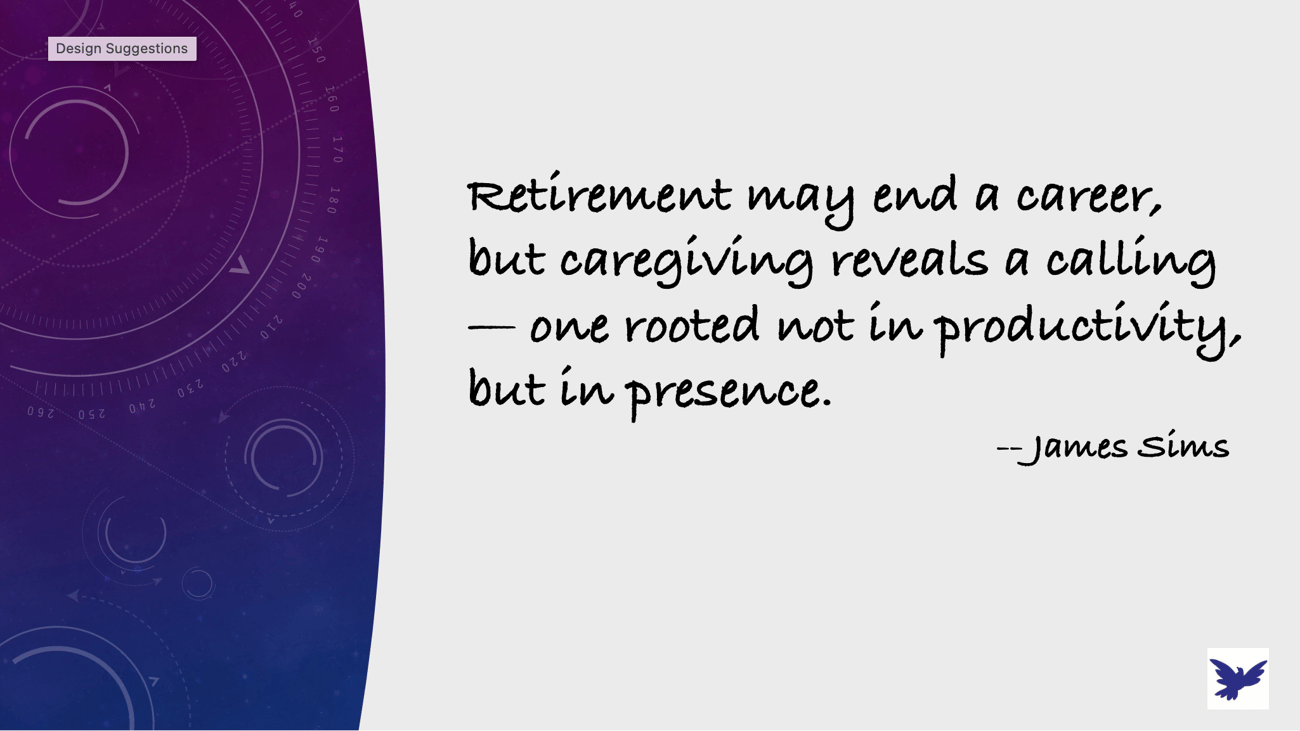
Caregivers' Sentiment: This Sort of Love is Truly Extraordinary
“Retirement may end a career, but caregiving reveals a calling — one rooted not in productivity, but in presence.”
For decades, many of us measured our value by what we produced — projects completed, goals achieved, income earned, promotions received. Our calendars were full, our titles clear, our contributions visible. Then retirement arrives, and with it, a quiet question: Who am I now?
For some, the answer comes unexpectedly.
It comes in sitting beside a hospital bed.
In organizing medications.
In driving to appointments. In listening — truly listening — to the same story told for the fifth time that day.
Caregiving does not offer performance reviews. It does not come with bonuses, applause, or a LinkedIn title. It can be exhausting, invisible, and at times overwhelming. And yet, it asks something profoundly human of us: to be present when someone else is vulnerable.
In a world that rewards productivity, caregiving honors presence.
Not what you achieve — but how you show up. Not how fast you move — but how steady you remain.
For many retirees, caregiving becomes the most meaningful work of their lives — not because it is easy, but because it strips life down to what matters. It replaces ambition with devotion. It transforms
efficiency into empathy. It reminds us that being needed is different from being busy.
And in that quiet, unseen service, something extraordinary happens:
You discover that your worth was never just in what you built — but in who you are willing to stand beside.
Caregiving may not be the retirement you planned. But for many, it becomes the calling they never knew was waiting.
|
|
|
|
|
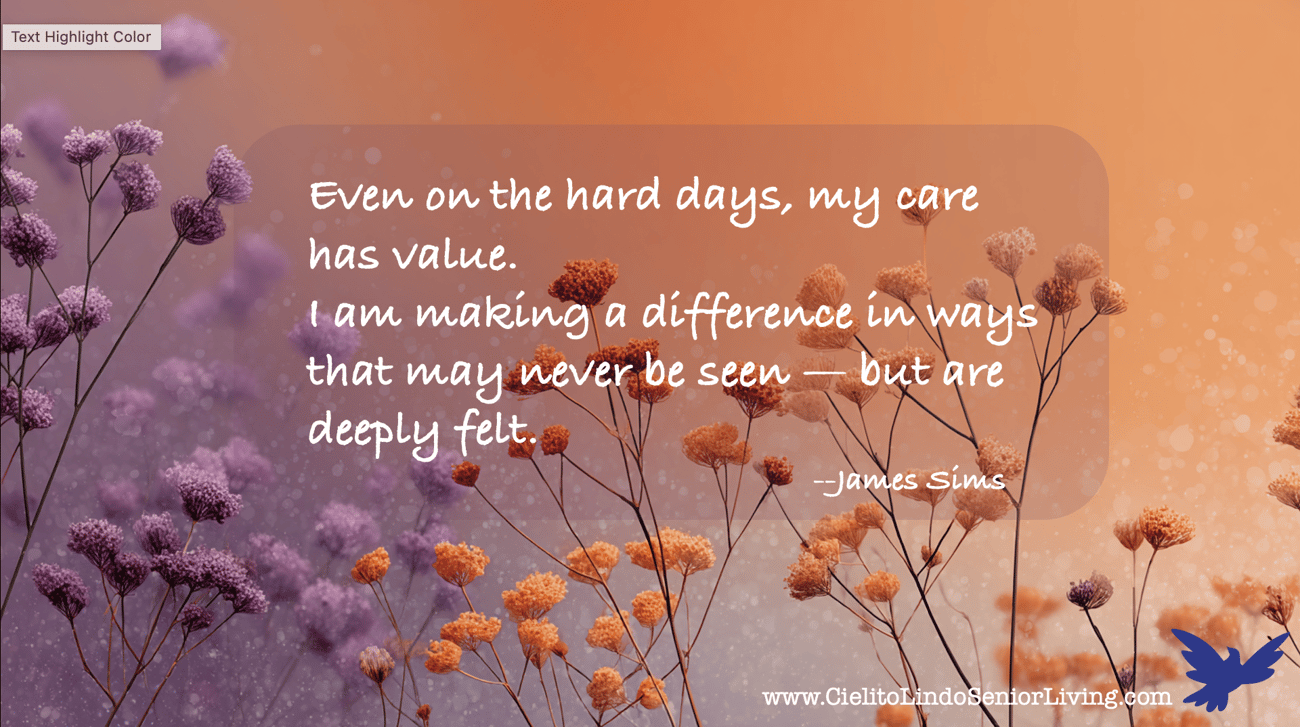
Caregiver's Affirmation
“Even on the hard days, my care has value.
I am making a difference in ways that may never be seen — but are deeply felt.”
There will be days when no one thanks you.
Days when progress feels impossible. Days when the person you are caring for cannot remember your name — or cannot express their gratitude.
On those days, it is easy to believe that what you are doing does not count.
But it does.
Your steady presence calms a nervous system that no longer regulates itself.
Your voice — even when
unrecognized — brings familiarity to a disoriented mind.
Your patience prevents fear from becoming panic. Your touch lowers stress in ways science can measure, even when words cannot be spoken.
Caregiving rarely produces visible milestones.
There is no promotion.
No applause. No performance review confirming that you handled today with courage.
And yet, your consistency builds something quiet and powerful: safety.
Dignity. Stability.
The person you care for may not always say, “I see you.”
But their body feels your steadiness.
Their anxiety softens in your presence. Their world, though shrinking, remains anchored
because you are there.
Even when exhaustion clouds your thoughts.
Even when grief creeps in. Even when you wonder if you are doing enough.
You are.
Care is not measured only by outcomes. It is measured by devotion.
And on the hardest days — especially on the hardest days — your willingness to show up is not small.
It is sacred.
|
|
|
|
|
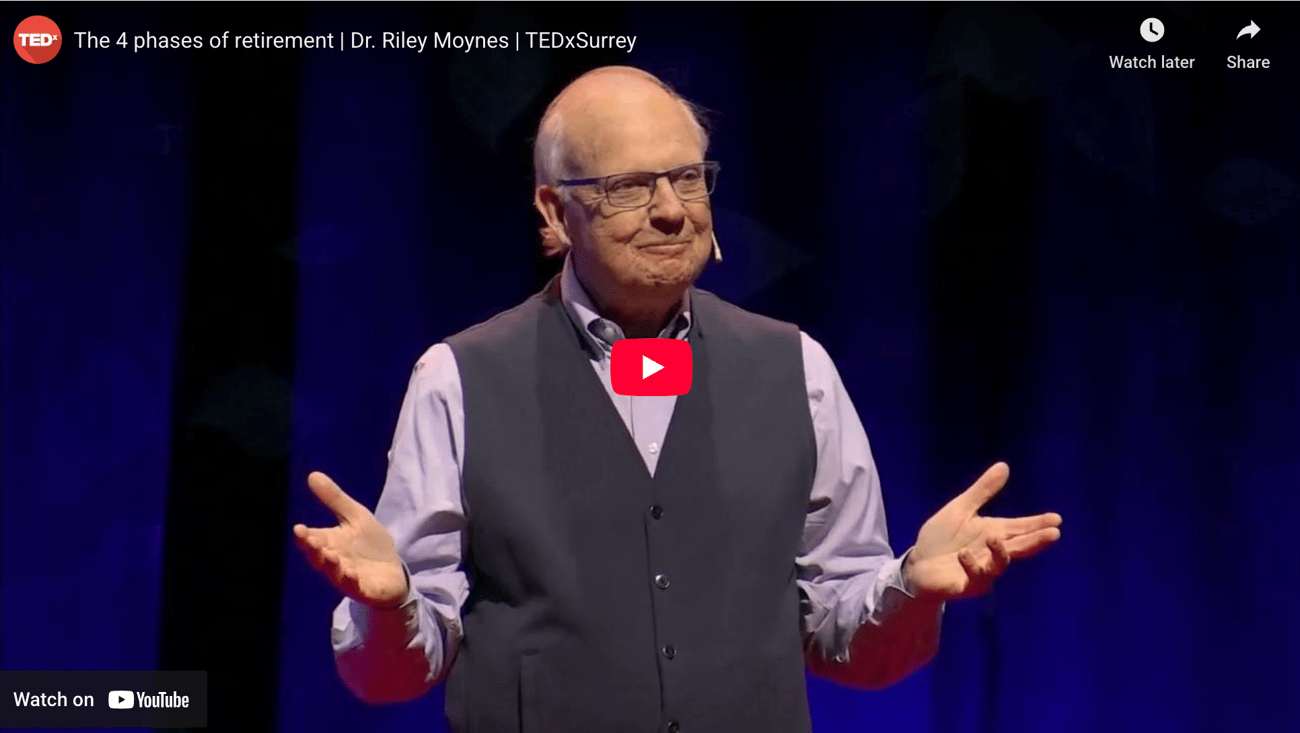
Video: The 4 phases of retirement | Dr. Riley Moynes | TEDxSurrey
In “The 4 Phases of Retirement,” Dr. Riley Moynes discusses the psychological aspects of retirement, emphasizing that preparation goes beyond financial readiness. He outlines four phases: Phase One is the carefree vacation phase, which eventually leads to Phase Two, marked by feelings of loss and identity crisis. Phase Three involves trial and error as retirees seek meaning and purpose. Finally, Phase Four is about reinvention and fulfillment, often through community service and engagement. Moynes encourages retirees to embrace each phase, highlighting that recovery from losses is possible in the final stage, leading to a satisfying retirement experience. View the video here.
Highlights:0:11 – Importance of preparing psychologically for retirement.0:39 – A retirement tsunami: 10,000 North Americans retire daily.1:06 – You may spend one-third of your life in retirement.3:03 – Introduction of the four distinct phases of retirement.4:11 – Phase one: the vacation phase, characterized by freedom and relaxation.4:47 – Phase two: feelings of loss and identity crisis after retirement.6:40 – Phase three: a time of trial and error in finding meaning.8:42 – Phase four: reinventing oneself and finding purpose through service.11:34 – Success story of community engagement and learning in phase four.12:33 – Recovery of lost aspects from phase two in phase four.
|
|
|
|
|
Video: Reasons to never, EVER Retire, Even if you Can!
The video explores the drawbacks of traditional retirement, emphasizing that it can lead to boredom, loneliness, and health issues. The hosts argue that retirement should not equate to inactivity but rather a time to engage in meaningful activities. They present seven reasons to rethink retirement, highlighting the importance of staying active, continuing lifelong learning, and maintaining social connections. The discussion includes personal anecdotes illustrating the need for balance and purpose in retirement. Ultimately, the video encourages viewers to embrace new
challenges and maintain a fulfilling lifestyle post-career.
The video continues to emphasize the importance of staying active and engaged in retirement. It encourages viewers to embrace change, try new activities, and maintain social connections to enhance their quality of life. The hosts share personal anecdotes to illustrate these points and suggest practical strategies for creating a fulfilling retirement. They also highlight the significance of having a financial plan and finding purpose beyond one’s career. Overall, the message is to rethink retirement as a time for growth, adventure, and meaningful engagement.
View the video here.
Highlights:0:00 – Retirement may be doing more harm
than good for active individuals.0:12 – Traditional retirement can lead to boredom, loneliness, and health decline.1:06 – The video discusses seven reasons to reconsider retirement.1:50 – Retirement is meant to be a break, not just another job.3:20 – The hosts share their personal journey post-retirement and the need for change.4:29 – Emphasizing the importance of staying active for physical and mental health.6:27 – Lifelong learning is essential to keep the mind sharp after retirement.8:30 – Curiosity and creativity enhance personal
growth in retirement.8:45 – Social connections are vital for a successful retirement experience.8:50 – Discussing the loneliness that can come with retirement and the importance of creating new relationships.9:47 – Emphasizing the necessity of social connections to avoid isolation in retirement.10:57 – Encouraging viewers to reflect on their purpose and meaning in retirement beyond their previous careers.12:45 – Sharing a personal story about reconnecting with an old friend, highlighting the joy of rekindling
relationships.13:00 – Stressing the need for a financial strategy before retiring to reduce financial stress.14:40 – Mentioning the fulfillment that comes from continuing to work part-time for enjoyment rather than just financial reasons.15:20 – Advocating for volunteering and mentoring as ways to enrich life post-retirement.15:50 – Encouraging adaptability and trying new things to keep retirement exciting.16:30 – Highlighting the importance of staying active and engaged for overall happiness in
retirement.17:19 – Suggesting viewers watch the next video on finding new hobbies in retirement for further inspiration.
|
|
|
|
|
Book Review: The Four Phases of Retirement: What to Expect When You’re Retiring by Riley Moynes
Overview
Riley Moynes’ The Four Phases of Retirement offers a refreshing and much-needed perspective on retirement—one that moves beyond finances and focuses squarely on the emotional and psychological journey retirees experience. Drawing from research, interviews, and his own life experience, Moynes proposes that retirement unfolds in four predictable phases. His central message is clear: financial security alone does not guarantee a fulfilling retirement. Emotional preparedness and a renewed sense of purpose are equally vital.
For seniors approaching retirement—or those already in its early stages—this book serves as both a roadmap
and a reassurance that the ups and downs of retirement are normal, navigable, and ultimately transformative.
Synopsis Moynes organizes retirement into four distinct phases:
1. The Honeymoon Phase – Retirement initially feels liberating. Freed from work schedules and responsibilities, retirees often travel, pursue hobbies, and embrace long-postponed dreams. This phase is characterized by excitement and novelty.
2. Disenchantment – After the initial glow fades, many retirees encounter unexpected feelings of loss, boredom, or even depression. The absence of structure, professional identity, and daily
purpose can leave individuals feeling adrift. Moynes emphasizes that this stage is common and not a personal failure.
3. Reorientation – During this critical phase, retirees begin reassessing their priorities and redefining purpose. They explore new roles—volunteering, mentoring, part-time work, caregiving, or community involvement—and begin crafting a new identity outside of their former careers.
4. Stability – Eventually, retirees establish a sustainable routine and regain a sense of meaning and balance. Acceptance replaces uncertainty, and life regains rhythm and fulfillment.
Moynes provides practical guidance for navigating each phase, encouraging readers to proactively seek contribution,
connection, and growth. His approach normalizes the emotional turbulence many retirees experience while offering realistic strategies for moving forward.
Key Themes
- Psychological Preparation Matters: Retirement planning must extend beyond pensions and investments to include emotional readiness.
- Loss of Identity: For many professionals, career equals identity. Retirement can trigger a profound identity shift that requires intentional rebuilding.
- Purpose as a Lifeline: Meaningful engagement—whether through volunteering, caregiving, hobbies, or community service—is essential for long-term well-being.
- Resilience and Adaptation: Retirement is not a single event but a process.
Understanding its phases helps retirees move through challenges rather than becoming stuck in them.
- Contribution Over Consumption: Sustainable happiness in retirement often comes from giving back rather than simply pursuing leisure.
Writing Style
Moynes writes in a conversational, empathetic tone that resonates particularly well with older adults. His style is accessible without being simplistic, blending research findings with personal anecdotes and
real-life examples. The structure—clearly organized around four phases—makes the book easy to follow and digest. At just over 100 pages, it is concise yet impactful, making it ideal for retirees who prefer straightforward, practical guidance rather than dense academic analysis.
Conclusion
The Four Phases of Retirement is a valuable guide for anyone entering or navigating retirement. Moynes successfully reframes retirement as a profound life transition rather than a permanent vacation. His four-phase model normalizes the emotional rollercoaster many retirees experience and provides reassurance that feelings of disenchantment are both common and temporary.
For
retirees, pre-retirees, and even caregivers supporting loved ones through this transition, this book offers clarity, validation, and actionable insight. While it does not deeply explore financial or health planning, its focus on purpose and identity fills a crucial gap in retirement literature.
This is a thoughtful, practical, and encouraging resource for building a meaningful second act.
Rating: ★★★★☆ (4.4/5)
Additional Resources We Offer
We have curated collections of resources that may be useful:
Articles - We write fresh articles about senior living, health, care, and finances every week
Caregiver Books - We review books related to caregiving methods, logistics, challenges, and coping
Senior Health - We review
books related to healthspan, lifespan, and disease
|
|
|
|
|
| Cielito Lindo's basic information is included for your convenience:
|
|
|
- Cielito Lindo Info: After the signature, the newsletter always includes information about Cielito Lindo, so it is at your fingertips when you want it: Our costs, various related websites, social media channels like YouTube, our various addresses, and so on.
- Travel Info: Recommended airports and shuttles.
|
|
|
Web Sites - Cielito LIndo and Rancho Los Labradores
Here are our Web sites, including Cielito Lindo and Labradores Suites (hotel) all of which are part of the larger Rancho Los Labradores gated community just north of San Miguel de Allende.
Web Sites - Cielito LIndo and Rancho Los Labradores
Here are our Web sites, including Cielito Lindo and Labradores Suites (hotel) all of which are part of the larger Rancho Los Labradores gated community just north of San Miguel de Allende.
- Cielito Lindo provides independent living, light assisted living, assisted living, memory care and hospice with 24*7 staffing along with a la carte assisted living services to those living in the villas and suites at Rancho Los Labradores.
- Rancho Los Labradores Suites offer short and long term residence.
- Rancho Los Labradores is a country club resort feeling CCRC that provides a gated community with countless amenities and opportunities for different levels of independent living along with assisted living and memory care within Cielito Lindo.
Cielito Lindo Living Options & Costs Guide
We offer several living options depending on the level
of care you or your loved one needs. Here’s a breakdown to help you plan:
1) Villas (Rent or Own)
- Cost: $1,300 – $1,700 per month
- Additional Costs: Utilities, renter’s insurance, etc.
- What’s Included: This is mostly independent living.
- Extras: You can add independent or assisted living services (charged separately, à la carte).
- Support: We can connect you with a realtor if you'd like to purchase.
2) Cielito Lindo Condos & Suites
Best for: Independent living with optional assistance.
Option 1: Independent Living + Meals
- Cost: $2,250 per month
Includes:- 2 meals a day
- Hotel like room cleaning, towel and linen service
- Monthly medical check-up
Optional Add-ons:- Meals for an additional person: $450/month
- Extra care services available à la carte
Option 2: Light-Assisted Living in Condos & Suites
- Cost: $3,900 per month
Includes:- Full assisted living services
- Designed for residents who still want independence but need some support
- Smooth transition to full Assisted Living or Memory Care as needs change
- One-Time Inscription Fee: $4,000
For Couples:- $4,900/month for two people
- Same one-time fee ($4,000 per couple)
- Note: Suitability is based on cognitive ability, mobility, and safety.
3) Cielito Lindo Assisted Living, Memory Care, & Hospice
Best for: Seniors needing full-time care and supervision.
- Cost: $3,900 per month
Includes:- 24/7 care and monitoring
- All meals
- Physical therapy
- Full-time doctor on site
- Spacious private room with
bath
- One-Time Inscription Fee: $4,000
- For
Couples: $4,900/month
4) Specialized Hospice Suite
Best for: Intensive care needs or end-of-life comfort and also recuperative at a far lower cost than a hospital- Cost: $4,900 per month
Includes:- Full 24/7 monitoring
- Recuperative, Palliative and hospice care
- On-site doctor
- All meals
- Special space for visiting family
|
|
|
YouTube videos and Curated Playlists
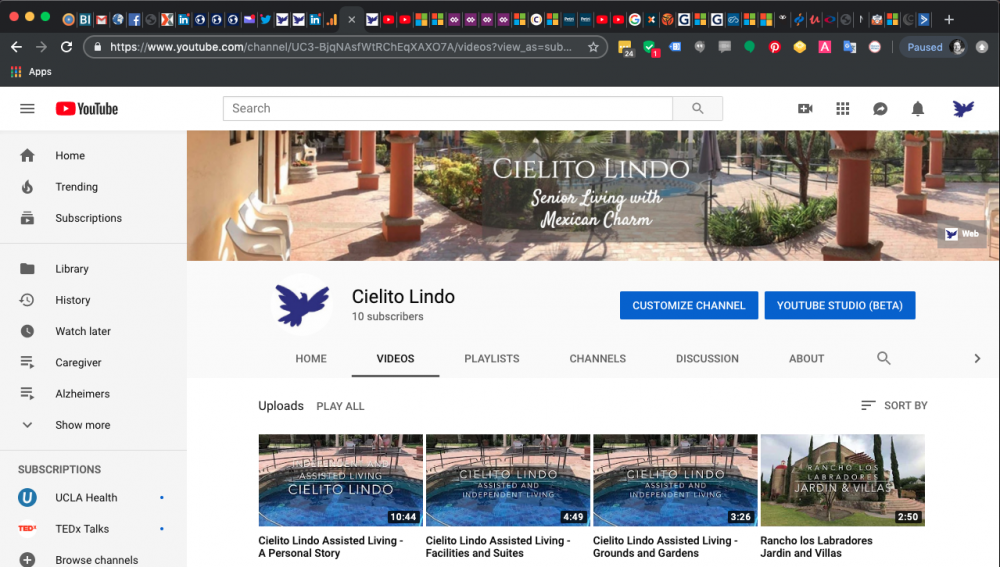
Here is our YouTube Channel. This is where we have lots of videos about Cielito Lindo and Rancho Los Labradores. We also have 1,600+ other senior care and expat in Mexico videos: YouTube |
|
|
|
|
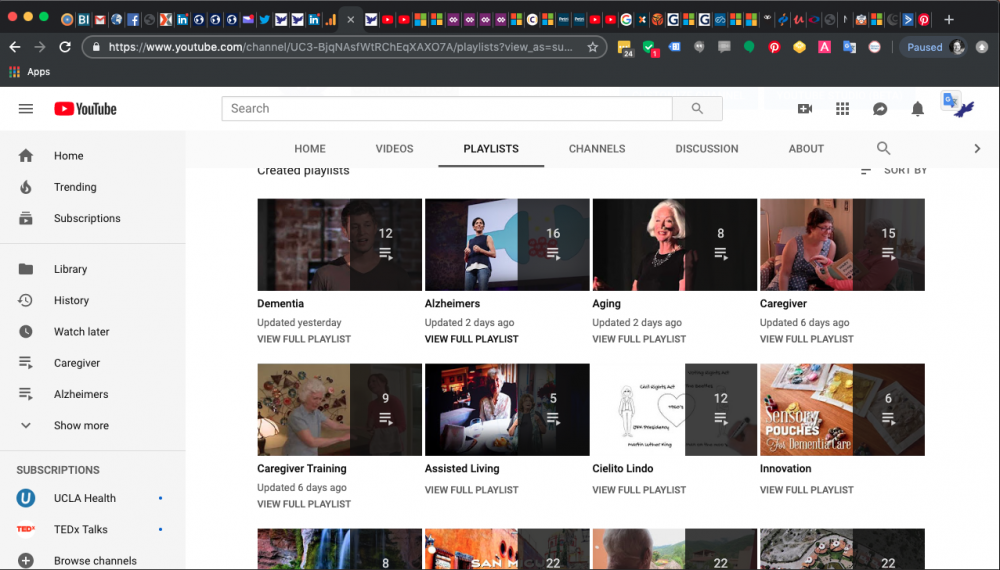
Additionally, our playlists cover a wide area and include 1,200+ videos. These playlists include videos about San Miguel and Mexico in general, caregiving and health, and a broad spectrum of senior living topics. Playlists
|
|
|
|
|
Additional Resources We Offer
We have curated collections of resources that may be useful:
Articles - We write fresh articles about senior living, health, care, and finances every week
Caregiver
Books - We review books related to caregiving methods, logistics, challenges, and coping
Senior Health - We review books related to healthspan, lifespan, and disease
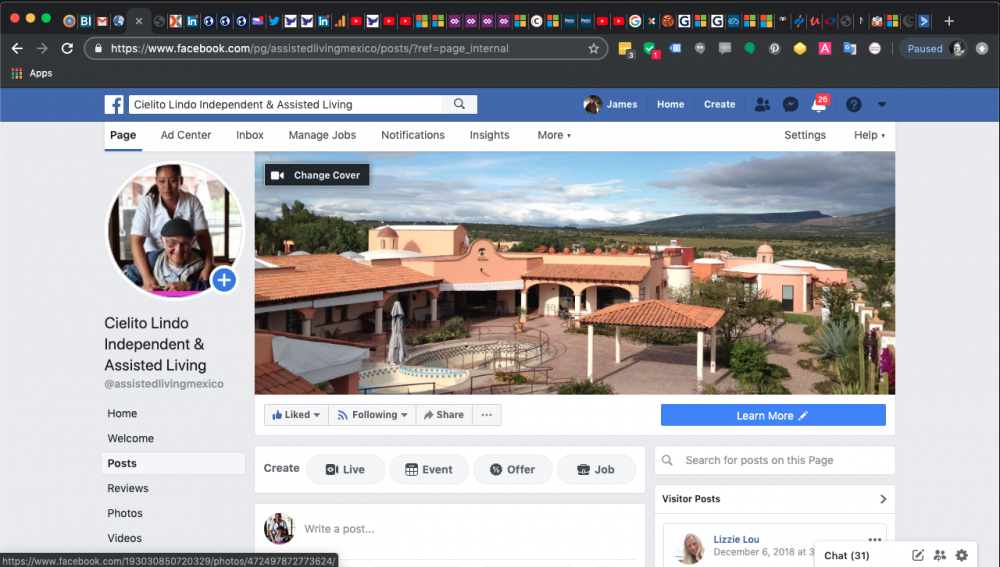
And here are our various social media forums, where we talk a lot about assisted living and memory care along with the various sort of challenges that sometimes come in our senior years (Alzheimer’s, Parkinson other dementias, and so on), but also about senior living in Mexico.
Facebook
|
|
|
|
|
|
|
|
|
|
|
Please don’t hesitate to contact me for anything related to senior living, especially in Mexico. I will gladly give you any assistance I can.
Thanks again!
James
James Sims
Marketing and Sales
Cielito Lindo Senior Living
1. 888.406.7990 (Voice and text)
1.209.312.0555 (WhatsApp)
Phones:
English speaking:
1.888.406.7990 (in US & CDN)
00.1.881.406.7990 (in MX)
Spanish speaking:
011.52.415.101.0201 (in US & CDN)
1.415.101.0201 (in MX)
SMA Colonias (subdivisions/neighborhoods):
Map and descriptions
Addresses and Travel:
Physical address:
Cielito Lindo Independent and Assisted Living, Camino Real Los Labradores S/N, Rancho Viejo 1, San Miguel de Allende, GTO, Mexico, 37885
Packages from online providers like Amazon:
Camino Real Los Labradores, Rancho Los Labradores / Cielito Lindo, San Miguel de Allende, GTO, 37880 México
PO Box for letters and small envelopes:
Rancho Los Labradores / Cielito Lindo, c/o Alejandra Serrano , PMB N° 515-C,
220 N Zapata HWY N°11, Laredo TX, 78043-4464
Air:
Best airports to fly into: Leon (BJX) or Queretaro (QRO)
Shuttle:
Best
airport shuttle: BajioGo
Shuttle between San Miguel and Rancho Los Labradores / Cielito Lindo
|
|
|
|
|
|
|
Regards,
James
James Sims
Marketing and Sales
Cielto LIndo Senior Living
jsims.cielitolindo@gmail.com
|
|
|
|
|
|
|
|