|
|
Dear ,
This is your weekly summary of our news, research, books, videos, and other resources related to senior living, retirement, and care in Mexico, along with independent and assisted living and information about age-related challenges (e.g., limited mobility, dementia, Alzheimer's, Parkinson's, ALS, stroke, multiple sclerosis, healthspan and so on).
I hope you are finding this weekly newsletter helpful, and if you know of someone who may also find this information helpful, please forward it to them. They can subscribe using our Web Newsletter page (click here). If, for any reason, you do not wish to receive this weekly newsletter any longer, there is a simple 'Unsubscribe' or 'Opt Out' link at the bottom right corner of this newsletter and also right here: Unsubscribe
This weekly newsletter typically includes information in each of the following categories: San Miguel insights, senior care, and health information, as well as Cielito Lindo basic information.
This Week’s Theme: Better Healthcare for Senior
The week's newsletter focuses on how the healthcare system and government both need to adjust toward better serving our seniors.
|
|
|
|
|
| Weekly insights into San Miguel:
|
|
|
- Colorful and Epicurean San Miguel - This is such an amazing place,
particularly the food and the colors. Although we are addressing a topic that is stressful, challenging, and emotional, we should also acknowledge what an incredible place San Miguel is.
|
|
|
|
|
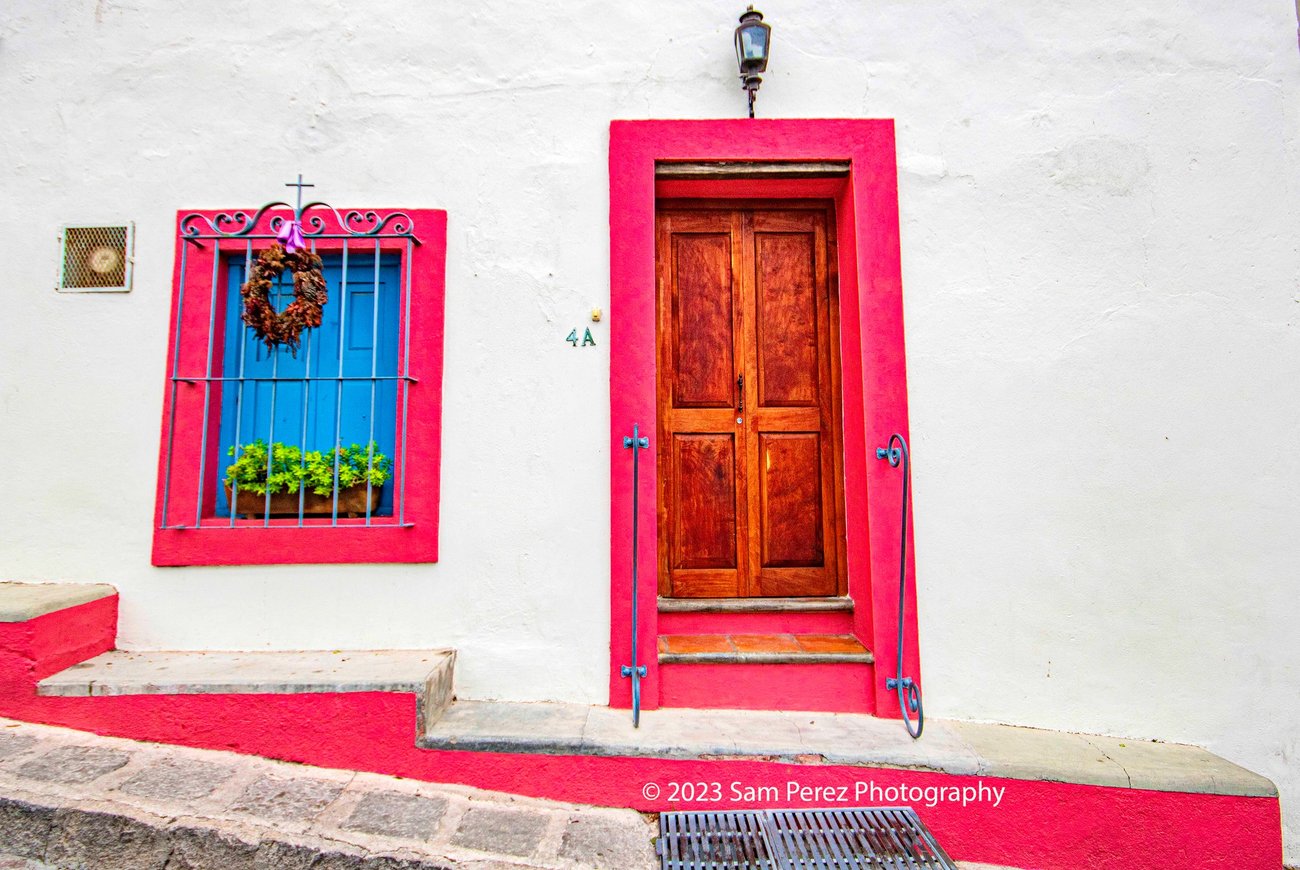
The Colors of San Miguel: ¡Qué Belleza!
Ahhh, this doorway — ¡qué belleza! — is the kind of vignette that stops you mid-step in San Miguel de Allende, where even the humblest façade tells a story with color, craftsmanship, and a touch of soul.
The deep magenta framing the door and window is so classically San Miguel. It’s that warm, saturated hue that catches the light just so — glowing under the sun at midday, and richening into wine tones by sunset. It’s a color that feels celebratory,
and it somehow manages to pop and soothe at the same time.
The wooden door — solid, aged, and lovingly polished — adds a grounded elegance. There’s a quiet nobility to it. Notice how it doesn't try too hard; it simply is. That’s the thing about San Miguel’s doors — they’re not just entrances, they’re statements. Or maybe secrets.
And the blue window with its cheerful planter box? That’s pure poetry. That blue — often seen in Otomí textiles and Talavera tiles — is like a nod to the sky above and the art that runs through this town's veins. And then there's the little wreath hanging from the iron bars — a seasonal whisper, maybe a holdover from Christmas or a gesture of spring. In San Miguel, doorways often reflect the heart of whoever lives behind them.
What really gets
me is how this scene lives on a slope, which is so typically San Miguel. The cobbled incline adds movement, like the house is leaning in, inviting you closer. That wrought-iron handrail? Functional, yes — but with just enough curve to feel like a flourish.
This is a doorway you remember. Not because it’s grand, but because it’s true. It’s a little snapshot of San Miguel magic — a town that wears its beauty in plain sight, and still manages to surprise you every single day. (Photo courtesy of SMA photographer, Sam Perez)
|
|
|
|
|
Tastes of San Miguel: Trazo 1810
Calle Hidalgo 8, Dentro del Rooftop del Hotel Casa 1810, San Miguel de Allende, Gto. 37700, México
+52 415 121 3506. Website
Days and Hours: Open daily until 10:30 PM (check website or call for brunch or lunch service times)
Atmosphere: Trazo 1810 boasts one of the most breathtaking rooftop views in all of San Miguel de Allende, with the illuminated Parroquia de San Miguel Arcángel providing a postcard-perfect backdrop. The rooftop setting exudes understated elegance, blending colonial architecture with contemporary design. Soft lighting, modern furnishings, and panoramic vistas create an ambiance that is both romantic and refined.
Service: Attentive, polished, and deeply knowledgeable about the menu. Staff strike a perfect balance between professionalism and warm hospitality, making guests feel pampered without ever being overbearing.
Cuisine: Modern Mediterranean with a Mexican soul. The chef-led menu celebrates seasonality and local ingredients, creatively weaving in textures and flavors from around the world. Each dish is beautifully plated and thoughtfully conceived, delivering a fine-dining experience that remains grounded in authenticity.
The Beef Wellington con Foie Gras y Salsa de Trufa Negra — a luxurious, melt-in-your-mouth masterpiece that pays homage to classic technique while embracing bold, contemporary flavors.
Expect inspired small plates like the Ceviche de Kampachi con Leche de Tigre y Mango and Burrata con Tomate Confitado y Albahaca, each balancing freshness with richness. The use of local produce elevates even the simplest ingredients.
A rotating selection might include Risotto de Betabel con Queso de Cabra, Filete de Res con Puré de Zanahoria, or Pulpo a la Parrilla sobre Couscous de Hierbas. The proteins are perfectly cooked, and sauces are nuanced and
elegant.
Do not miss the Cremoso de Chocolate con Avellana y Sal de Mar or the Tarta de Limón con Merengue Italiano. Desserts here are artful and satisfying without being overly sweet.
A robust wine list leans on boutique Mexican producers with international flair, particularly from Valle de Guadalupe. The craft cocktails are sophisticated — think house-made infusions, herbaceous notes, and impeccable balance. Try the Lavender Gin Tonic or Smoked Mezcal Old Fashioned.
Final Thoughts: Trazo 1810 isn’t just a meal — it’s an experience. Whether you're seeking a romantic rooftop dinner, a stylish night out, or an introduction to contemporary Mexican fine dining, this is a must-visit spot in San Miguel. The synergy between ambiance, service, and gastronomy makes Trazo 1810 one of the city’s crown jewels.
Cost: $$$$ (4 out of 5 dollar signs)
Rating: ⭐⭐⭐⭐⭐ (5 stars)
|
|
|
|
|
| Information related to Mexico, senior care and health:
|
|
|
- Lead article - These are articles specifically written for you each week. They address a wide range of
relevant topics, such as factors that can increase your health and lifespan, diagnostics, understanding causal factors for Alzheimer's and other dementias, and so on. The lead article typically sets the tone for the core content of the newsletter (videos and book reviews). On occasion, the focus may be centered on Mexico, Pueblos Magicos, and San Miguel de Allende.
- Caregiver's Sentiment
- This quote typically honors what we, as caregivers, are going through and feeling.
- Videos - Typically, three videos are related to the lead article, and they include a summary and timestamped highlights.
- Book Review
- Typically related to the lead article.
|
|
|
|
|
How Food Labels and Dietary Guidelines Fuel Insulin Resistance
As caregivers, we do our best to make the healthiest choices for our loved ones and ourselves. But what happens when the very labels we trust — “sugar-free,” “heart-healthy,” “low-fat” — are leading us down a path of worsening insulin resistance and cognitive decline? This eye-opening article explores the hidden dangers of modern food labeling and how they contribute to conditions like Alzheimer’s, diabetes, and obesity — reminding us that protecting memory and metabolic health starts with knowing what’s really in our food.
Article Highlights- Many “sugar-free” and “heart-healthy” labels are misleading due to loopholes in food labeling laws, allowing metabolically harmful ingredients to hide in plain sight.
- Ingredients like maltodextrin, dextrose, and fruit juice concentrate are legally allowed in “sugar-free” products, despite having high glycemic
impacts.
- These deceptive labels give consumers a false sense of security, especially those trying to manage blood sugar or prevent chronic disease.
- Insulin resistance — a key driver of type 2 diabetes, obesity, and Alzheimer’s disease — is often fueled by these hidden sugars and refined carbohydrates.
- The obesity rate in the U.S. has reached about 40%, with severe obesity nearing 10%, largely due to decades of poor dietary guidance.
- From the 1970s onward, fat was demonized in public health messaging, leading to a boom in
low-fat, high-carb processed foods.
- The removal of fats from foods led manufacturers to increase sugars and refined carbs — triggering a metabolic shift in the population.
- Today’s chronic disease epidemic is not solely the result of personal failure but of systemic misdirection from food policy and industry practices.
- Alzheimer’s is increasingly understood as a metabolic disease (sometimes called “type 3 diabetes”) linked to insulin resistance and blood sugar dysregulation.
- A caregiver’s perspective in the article
highlights how nutrition choices impact cognitive health — especially for loved ones living with dementia.
- Current FDA labeling standards only require sugar content per serving but ignore the glycemic or metabolic impact of non-sugar sweeteners.
- Many additives that spike blood glucose — such as tapioca syrup, brown rice syrup, and glucose syrup — are not labeled as sugar but function similarly in the body.
- Artificial sweeteners and food additives may impair insulin signaling, disrupt the gut microbiome, and contribute to metabolic dysfunction.
- The article calls for urgent food labeling reform, including disclosures of glycemic impact and banning misleading marketing terms like “sugar-free.”
- Until reform occurs, consumers — especially caregivers — must remain vigilant, reading beyond the label and understanding what ingredients actually do inside the body.
You can read the complete article here and select others from our collection of 70+ articles on our site.
|
|
|
|
|
Caregiver's Sentiment: We Need More Reliable Information
In the journey to maintain a strict diet, essential in combating insulin resistance, the assumption is often that the greatest obstacle will be resisting cravings or staying consistent. But for many, the real battle lies upstream—in deciphering what's actually good for them in the first place. The modern food landscape is a maze of marketing spin, outdated science, and regulatory loopholes. Nutrition labels can be misleading, with serving sizes designed to minimize the appearance of sugar or fat content. Health claims like “natural,” “low-fat,” or “heart-healthy” often obscure more than they reveal. Even the foundational guidance—like the food pyramid or the ever-shifting diet trends—can reflect political or economic interests as much as sound nutritional science.
Trying to eat with discipline in such an environment is like navigating a map drawn in fog. You're committed, you're careful, and yet you may still be undermined by the very information you're relying on. This breeds frustration, and worse—mistrust. The quote reflects the truth that, for those trying to eat with intention and integrity, the challenge is not just personal but systemic. You’re not only resisting cookies; you’re resisting confusion. And that takes more than willpower—it takes vigilance, skepticism, and a constant willingness to relearn and reevaluate.
|
|
|
|
|
Sweet Lies: How Food Labels Are Fooling Us All
March 29, 2025 | James Sims, Editorial Contributor, www.cielitolindoseniorliving.com
The other day, I picked up a fruit preserve at the grocery store. Right there on the label, in bold letters: SUGAR-FREE. Intrigued, I flipped to the ingredients list. After fruit, the next three ingredients were polydextrose, maltodextrin, and orange juice concentrate. Sugar-free? Not even close.
This isn’t a case of consumers misreading labels. It’s a case of manufacturers exploiting loopholes — and it’s perfectly legal.
Most people assume “sugar-free” means just that: no sugar, and by extension, minimal impact on
blood sugar. But the reality is far murkier. Many sweeteners used in processed foods don’t have to be listed as “sugar” or even “added sugar” on the Nutrition Facts panel — yet they can spike blood glucose and worsen insulin resistance just as much as, or even more than, table sugar.
Consider maltodextrin, a staple in “sugar-free” snacks and protein powders. It boasts a glycemic index higher than pure glucose, meaning it raises blood sugar faster than sugar itself. Dextrose, another commonly used sweetener, is pure glucose — rapidly absorbed and metabolically identical to sugar. Then there’s fruit juice concentrate, often used to create the illusion of a wholesome, “no added sugar” product, while delivering a hefty dose of fructose and glucose.
Glucose syrup (sometimes listed as corn syrup), tapioca syrup, and brown rice syrup are other common culprits. Each breaks down quickly into glucose
and delivers a significant glycemic hit. Even agave nectar — frequently marketed as a “natural” or “healthier” option — is largely composed of fructose, which doesn’t spike blood sugar immediately but contributes to insulin resistance and fatty liver disease over time.
This matters for all of us, but especially for those caring for loved ones with chronic conditions linked to metabolic dysfunction. As a caregiver for someone with Alzheimer’s, I’ve become acutely aware of the growing consensus that this devastating disease is, at least in part, a metabolic disorder — often referred to as “type 3 diabetes.” That connection compels you to become highly selective about the sugars and carbohydrates that enter your kitchen. When food labels hide metabolic landmines behind technicalities, it puts
vulnerable people at even greater risk.
And the list of misleading ingredients doesn’t stop there. Manufacturers also rely on euphemisms like “evaporated cane juice,” which is just sugar by another name. They tout “coconut sugar” and “date sugar” as healthier, though they’re still sugar. Even isomaltooligosaccharides (IMOs), often found in keto bars and labeled as “fiber,” can raise blood sugar levels significantly — despite being marketed as benign.
These sweeteners allow companies to advertise products as “sugar-free,” “low carb,” or “no added sugar” — all while delivering the very effects consumers are trying to avoid. It’s not just misleading; it’s irresponsible. At a time when type 2 diabetes, metabolic syndrome, and related conditions are on the rise, transparency around what we’re actually consuming has never been more important.
And
yet, the regulatory system hasn’t kept up. The FDA’s labeling rules, while originally well-intentioned, haven’t evolved to reflect the increasingly deceptive ways food chemistry is being used to sidestep public health. Nutrition labels should empower consumers — not mislead them through technicalities and loopholes.
At the very least, manufacturers should be required to disclose the glycemic impact of ingredients, not just whether they technically count as “sugar.” If a substance raises blood sugar like sugar, it should be labeled accordingly — no matter what it’s called or how it's derived.
Until then, it’s buyer beware. If it seems too good to be true, it probably isn’t true — especially when it’s printed on a food label in big, bold letters.
|
|
|
|
|
Video: Keto helps with symptoms of Alzheimer’s disease
The video discusses the potential of a ketogenic diet as a significant intervention for Alzheimer’s disease, which has seen rising incidence and ineffective drug treatments. A recent randomized controlled trial indicated that patients on a ketogenic diet experienced improvements in quality of life and daily activities, while those on a low-fat diet worsened. Although cognitive function did not show significant improvement, previous systematic reviews suggest that ketogenic diets can enhance cognition and memory. The emerging literature indicates that reducing carbohydrates and increasing ketones may benefit neurological function, offering hope for patients and families affected by Alzheimer’s.
Highlights:
0:03 – Could a ketogenic diet be one of the most impactful interventions for Alzheimer’s disease?
0:14 – Alzheimer’s disease has not improved over time; incidence and prevalence continue to rise.
1:01 – A randomized controlled trial compared a ketogenic diet to a low-fat diet.
1:35 – Patients on the low-fat diet experienced a decline in quality of life, while those on the ketogenic diet improved.
2:09 – No significant increase in cognitive function was noted with the ketogenic diet, but there was a slight improvement.
2:27 – A systematic review showed improvements in cognition and memory with various forms of ketogenic diets.
2:54 – The literature suggests that carbohydrate reduction and ketones may benefit neurological function in Alzheimer’s patients.
3:21 – The findings are encouraging for those affected by Alzheimer’s disease seeking effective interventions.
3:32 – Following a ketogenic diet could empower patients and their families in managing Alzheimer’s symptoms.
3:49 – Encouraging news regarding dietary interventions for Alzheimer’s disease.
|
|
|
|
|
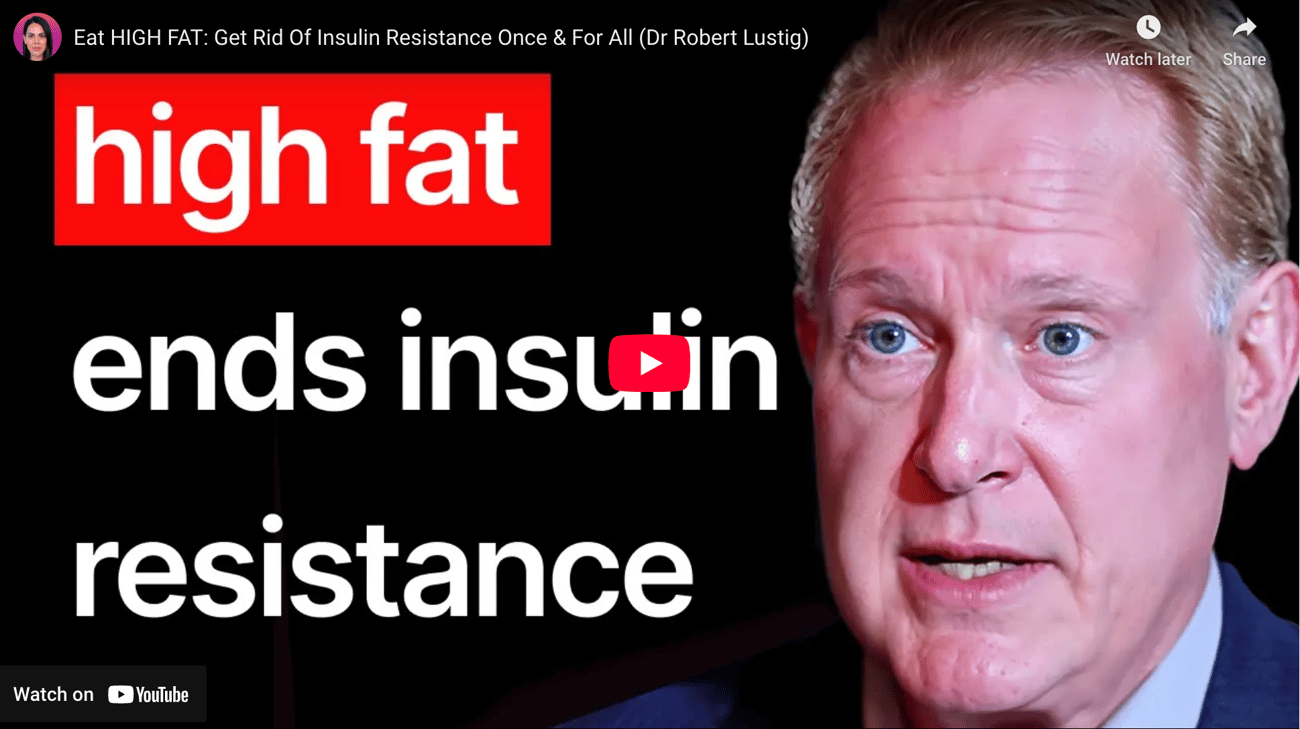
Video: Eat HIGH FAT: Get Rid Of Insulin Resistance Once & For All (Dr Robert Lustig)
In this video, Dr. Robert Lustig discusses the critical role of insulin in metabolic health and the prevalence of insulin resistance among Americans. He emphasizes that high insulin levels lead to fat accumulation and metabolic diseases. Dr. Lustig highlights the importance of fasting insulin tests, which many people are unaware of. He explains how both glucose and fructose contribute to insulin resistance, with fructose being particularly harmful due to its effects on liver metabolism. The video advocates for reducing sugar intake as a primary strategy to combat
insulin resistance and improve overall health. Additionally, it warns against consuming fruit juices, which lack fiber and can exacerbate insulin issues.
In this segment, Dr. Lustig elaborates on the complexities of food metabolism, emphasizing that not all calories are equal. He highlights the detrimental effects of sugar, trans fats, and alcohol, particularly in ultra-processed foods. The discussion includes the significance of healthy fats, the implications of LDL cholesterol types, and the necessity of fiber for those with metabolic issues. He concludes by stressing the importance of monitoring fasting insulin levels to assess metabolic health.
View the video here. Highlights:0:00 – “Get the insulin down any way you can; more insulin means more fat.”1:24 – “You can see insulin resistance on the back of the neck and underarms.”3:15 – “93% of Americans have a fasting insulin above five micro units per milliliter.”4:23 – “I think a fasting insulin is the single most important lab
test.”10:54 – “High insulin levels lead to fat accumulation.”12:39 – “Glucose can lead to insulin resistance by turning into fat.”19:09 – “Fructose increases ceramides in the liver, leading to insulin resistance.”20:27 – “We have to get the insulin down to solve this problem.”35:31 – “Sugar is the biggest cause of insulin resistance.”40:02 – “Fruit is good, but juice is fiberless and can be toxic.”44:07 – Dr. Lustig explains that the healthiness of food is not just about calories but how it’s
metabolized.45:16 – He identifies sugar, trans fats, and alcohol as problematic components in food.46:34 – Emulsifiers in ultra-processed foods disrupt the intestinal lining.51:22 – Good fats are essential for metabolic health, and he discusses the importance of omega-3 fatty acids.54:27 – He clarifies that large buoyant LDL is less harmful than small dense LDL, which is influenced by refined carbohydrates.56:26 – Dr. Lustig argues that the dangers of saturated fat have been overstated.59:58 – He discusses the role of polyunsaturated fats in diet.1:10:42 – Fiber is important for metabolic health, especially for those with insulin resistance.1:17:01 – Signs of insulin resistance include skin changes and tags.1:18:09 – He emphasizes that a fasting insulin level under 5 is ideal for metabolic health.
|
|
|
|
|
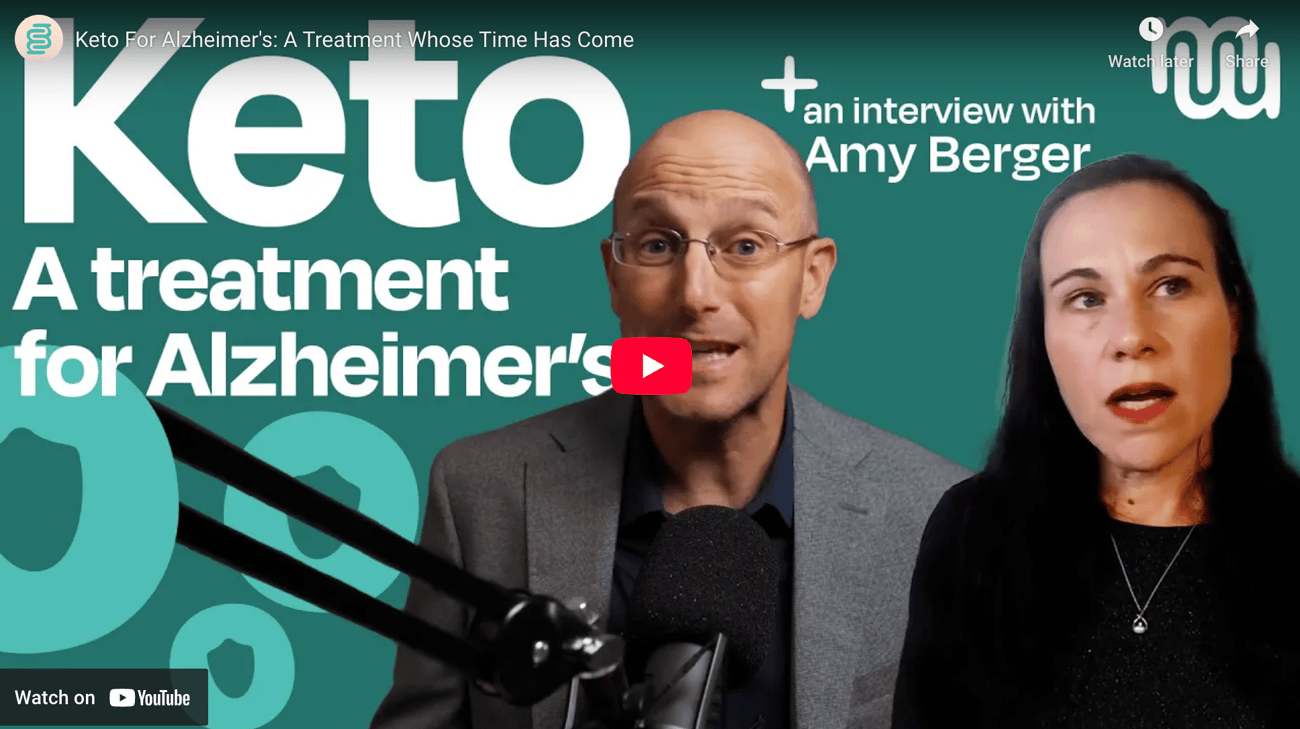
Video: Keto For Alzheimer’s: A Treatment Whose Time Has Come
In this video, Dr. Brett Sher interviews nutritionist Amy Berger about the potential of nutritional ketosis as a treatment for Alzheimer’s disease. Berger discusses her motivation for writing “The Alzheimer’s Antidote” and highlights the significant research linking glucose and insulin to Alzheimer’s. The main issue in Alzheimer’s is identified as a fuel shortage in the brain, which ketones can help alleviate. The conversation explores how ketogenic diets may not only provide energy but also address underlying metabolic dysfunctions, reduce inflammation, and promote mitochondrial
health. Overall, the video emphasizes the need for further exploration of ketogenic therapies in treating dementia.
The conversation emphasizes the complexity of dietary studies and the importance of understanding the underlying metabolic issues in Alzheimer’s disease. Dr. Berger highlights the potential of ketogenic diets to address brain energy shortages, suggesting that while exogenous ketones can provide temporary support, a full ketogenic diet may offer more comprehensive benefits. The discussion also calls for greater awareness of these dietary approaches in Alzheimer’s research and treatment.
Highlights:0:00 – Introduction to metabolic mind and the focus on metabolic health and mental health.0:24 – Discussion on nutritional ketosis as a treatment for Alzheimer’s dementia.1:29 – Amy Berger shares her journey into writing about Alzheimer’s and nutritional ketosis.3:22 – The discovery of significant research on Alzheimer’s and its connection to glucose and insulin.5:22 – Overview of the main problem in Alzheimer’s: a fuel shortage in the
brain.6:06 – Ketones can replace glucose as an energy source for the brain.6:39 – Discussion on the mechanisms of
nutritional ketosis in reducing inflammation and oxidation.7:35 – Ketogenic diets may correct underlying causes of Alzheimer’s, such as hyperinsulinemia.8:29 – Potential benefits of ketogenic diets on mitochondrial biogenesis and brain energy.9:12 – The complexity of studying the effects of ketones and metabolic dysfunction in dementia.9:27 – Discussion on using MCT oil or exogenous ketones alongside a ketogenic diet.10:01 – Study comparing modified Mediterranean ketogenic diet to low-fat diet and its effects on the gut microbiome.11:01 – Importance of isolating variables in dietary studies to understand outcomes.12:02 – Skepticism about the gut microbiome’s role in cognitive function changes.13:40 – Concerns about the small sample size and lack of dietary specifics in the study.16:02 – Emphasis on the brain energy shortage as a key issue in Alzheimer’s.17:14 – Potential benefits of ketogenic diets for those with cognitive impairment.18:00 – The need for awareness about brain energy shortages in Alzheimer’s discussions.18:34 – Comparison of ketogenic diets versus exogenous ketones for cognitive support.19:06 – Invitation to follow the series on ketosis as a treatment for dementia.
|
|
|
|
|
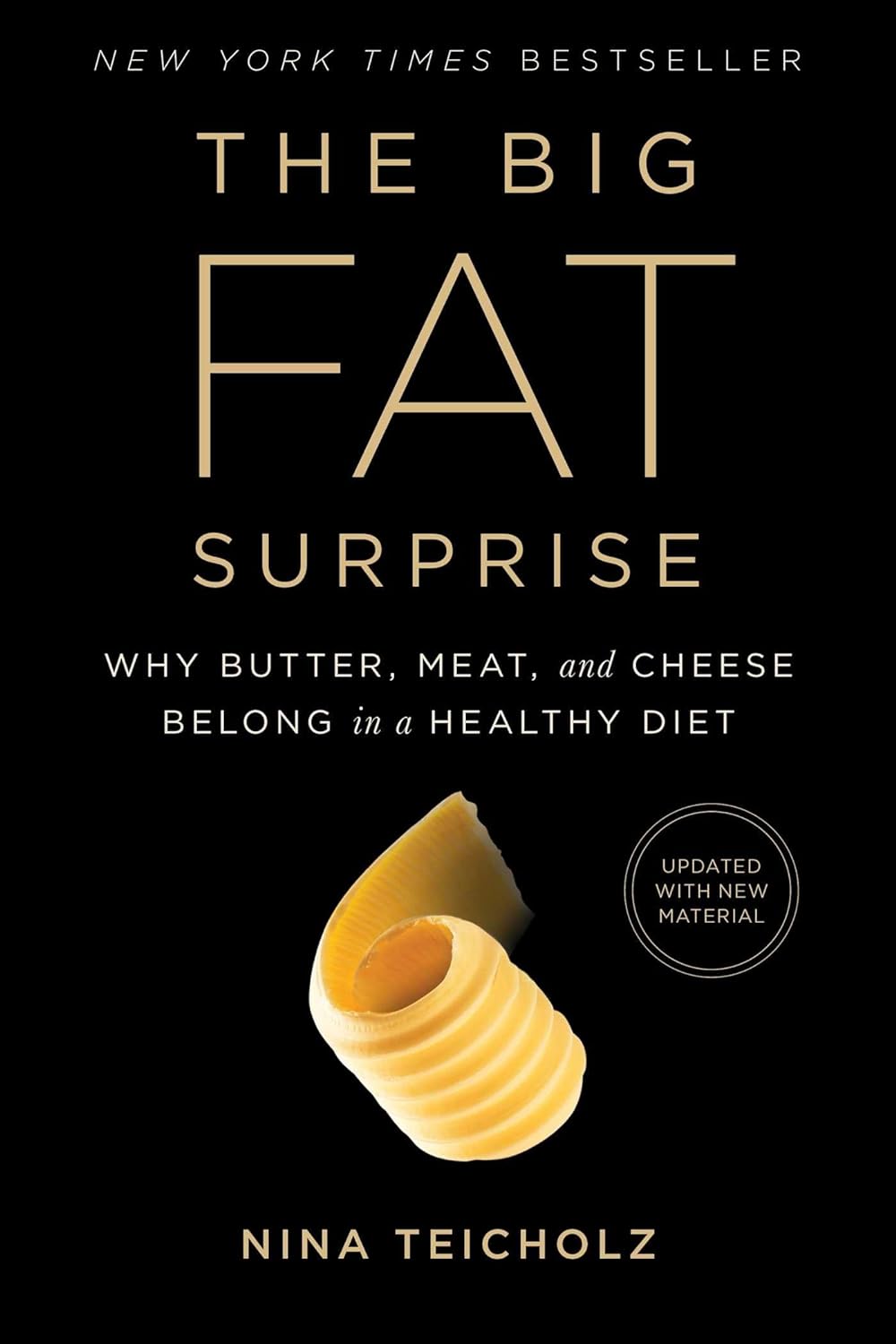
Book Review: The Big Fat Surprise: Why Butter, Meat and Cheese Belong in a Healthy DietBy Nina Teicholz
Overview
Nina Teicholz’s The Big Fat Surprise is a provocative and meticulously researched work that challenges decades of dietary orthodoxy. With a journalist’s eye for detail and a researcher’s rigor, Teicholz traces the origins of the low-fat diet craze, exposing the flimsy scientific basis that has guided nutritional guidelines for over half a century. Her central thesis—that saturated fats like butter, red meat, and cheese are not the villains
they’ve been made out to be—is a game-changer in the conversation around diet, chronic disease, and public health.
SynopsisThe book delves into the history of the U.S. government’s dietary recommendations, particularly the rise of low-fat and plant-based guidelines starting in the 1960s. Teicholz argues that these recommendations were based on selective science, poorly designed studies, and at times, outright bias. She examines how influential figures like Ancel Keys shaped public policy, despite conflicting evidence. The result, according to Teicholz, has been an increase in obesity, diabetes, and heart disease. The latter half of the book presents a growing body of evidence that supports the
consumption of full-fat animal products, questioning the long-held belief that saturated fat is inherently harmful.
Key Themes
- Scientific Misconduct and Policy Failure: Teicholz critiques the fragile foundations of modern nutrition science and how industry, politics, and personality influenced public health policy.
- Rehabilitation of Saturated
Fat: She makes a strong case for reintroducing foods like butter and meat into the diet as part of a healthy lifestyle.
- Metabolic Health: The book connects the rise in metabolic disorders—like type 2 diabetes and obesity—with misguided dietary advice to avoid fat.
- Cultural Bias and Media Influence: Teicholz explores how media, food lobbies, and even moral ideals helped cement the low-fat narrative.
Writing StyleTeicholz writes with clarity and a journalist’s instinct for storytelling, making complex scientific arguments accessible and compelling. She balances dense data with vivid historical vignettes, keeping the reader engaged without sacrificing nuance. Her tone is investigative, often critical, yet grounded in an earnest pursuit of truth.
Conclusion
The Big Fat Surprise is an eye-opening, myth-busting read that urges a reevaluation of long-held nutritional beliefs. While controversial in some circles, it is grounded in years of research and offers a persuasive counter-narrative to mainstream dietary advice. Particularly relevant to seniors, who are often urged to follow low-fat diets despite mounting evidence to the contrary, this book invites a more nuanced and
individualized approach to health in aging.
Rating: ★★★★½ (4.5/5 stars)A must-read for anyone rethinking the role of diet in chronic disease—especially those in midlife or retirement aiming to improve long-term health
Additional Resources Cielito Lindo Offers
We have curated collections of resources that may be useful.
Articles - We write fresh articles about senior living, health, care, and finances every week
Caregiver Books - We review books related to caregiving methods, logistics, challenges, and coping
Senior Health - We review books related to healthspan, lifespan, and disease
We also have 1,600+ other senior care and expat in Mexico videos: YouTube
|
|
|
|
|
| Cielito Lindo's basic information is included for your convenience:
|
|
|
- Cielito Lindo Info: After the signature, the newsletter always includes information about Cielito Lindo, so it is at your fingertips when you want it: Our costs, various related websites, social media channels like YouTube, our various addresses, and so on.
- Travel Info: Recommended airports and shuttles.
|
|
|
Web Sites - Cielito LIndo and Rancho Los Labradores
Here are our Web sites, including Cielito Lindo and Labradores Suites (hotel) all of which are part of the larger Rancho Los Labradores gated community just north of San Miguel de Allende.
- Cielito Lindo provides independent living, light assisted living, assisted living, memory care and hospice with 24*7 staffing along with a la carte assisted living services to those living in the villas and suites at Rancho Los Labradores.
- Rancho Los Labradores Suites offer short and long term residence.
- Rancho Los Labradores is a country club resort feeling CCRC that provides a gated community with countless amenities and opportunities for different levels of independent living along with assisted living and memory care within Cielito Lindo.
1) Villas (rent or own) i) Rents range from $1,300 to $ 2,200 plus utilities, renter insurance, etc. Cielito Lindo's independent and assisted living services are available a la carte. We will introduce you to our realtor if this is your
choice.
2) Independent and Light Assisted Living in the Cielito Lindo Condos & Suites - depends on the nature of the care and whether it is feasible. Option 1 - $2,250 a month, fully independent living including a meal plan (2 meals a day).
a) Meals for another person for $450.
b) Monthly medical check ups.
c) Additional care services are available a la carte
Option 2 - $3,900 monthly, full Cielito Lindo assisted living services but living more independently in Cielito Lindo Condos & Suites. Residents may seamlessly transition into Cielito Lindo Assisted Living and Memory Care when necessary. Staying in these suites depends on cognitive ability, mobility, safety, and monitoring considerations. $4,000 one-time inscription fee.
a) $4,900 a month for a couple and $4,000 for one-time inscriptions
b) add $500 per bed or room
3) Independent and Assisted Living in Cielito Lindo Assisted Living, Memory Care, and Hospice. Complete care with 24*7 monitoring, meals, physical therapy, full-time doctor, spacious and private room and bath. $3,900 a month for full Cielito Lindo
Services, $4,000 for one-time inscription
a) $4,900 a month for a couple, and $4,000 for one-time inscriptions
(a) No added fees for Memory Care or hospice.
4) Specialized Hospice Suite. Complete and intensive care, suitable for intensive recovery or end of life with 24*7 monitoring, meals, palliative care, full-time doctor, adjoining space for family.
|
|
|
YouTube videos and Curated Playlists
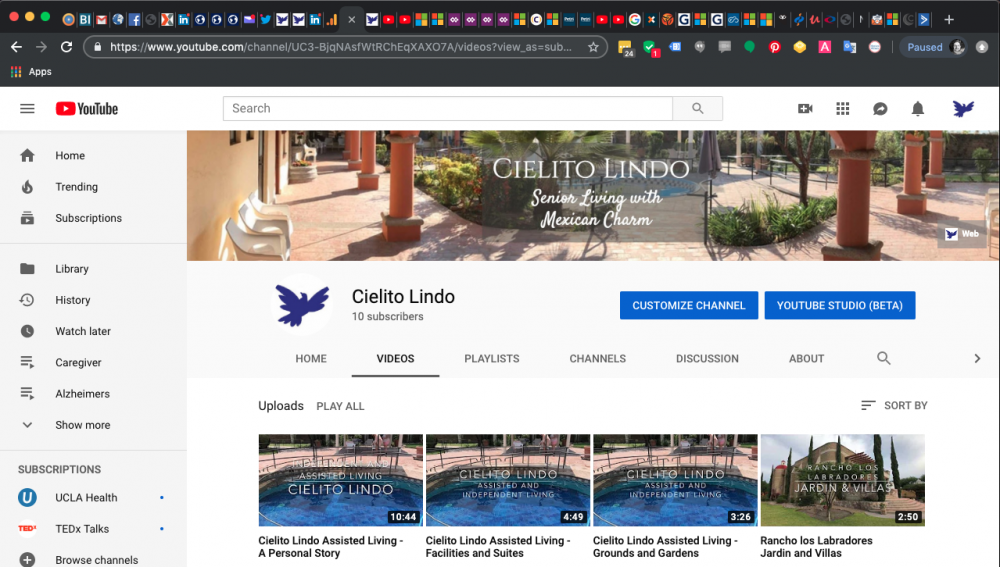
Here is our YouTube Channel. This is where we have lots of videos about Cielito Lindo and Rancho Los Labradores. We also have 1,600+ other senior care and expat in Mexico videos: YouTube |
|
|
|
|
Additionally, our playlists cover a wide area and include 1,200+ videos. These playlists include videos about San Miguel and Mexico in general, caregiving and health, and a broad spectrum of senior living topics. Playlists
|
|
|
|
|
Additional Resources We Offer
We have curated collections of resources that may be useful:
Articles - We write fresh articles about senior living, health, care, and finances every week
Caregiver
Books - We review books related to caregiving methods, logistics, challenges, and coping
Senior Health - We review books related to healthspan, lifespan, and disease
And here are our various social media forums, where we talk a lot about assisted living and memory care along with the various sort of challenges that sometimes come in our senior years (Alzheimer’s, Parkinson other dementias, and so on), but also about senior living in Mexico.
Facebook
|
|
|
|
|
|
|
|
|
|
|
|
|
|
|
|
|
|
|
Please don’t hesitate to contact me for anything related to senior living, especially in Mexico. I will gladly give you any assistance I can.
Thanks again!
James
James Sims
Marketing and Sales
Cielito Lindo Senior Living
1. 888.406.7990 (voice and text)
Phones:
English speaking:
1.888.406.7990 (in US & CDN)
00.1.881.406.7990 (in
MX)
Spanish speaking:
011.52.415.101.0201 (in US & CDN)
1.415.101.0201 (in MX)
Expat Logistics:
Visas for Expats:
Sonia Diaz Mexico
Tax Considerations for Expats:
Robert Hall Taxes
Addresses and Travel:
Physical address:
Cielito Lindo Independent and Assisted Living, Camino Real Los Labradores S/N, Rancho Viejo 1, San Miguel de Allende, GTO, Mexico, 37885
Packages from online providers like Amazon:
Camino Real Los Labradores, Rancho Los Labradores / Cielito Lindo, San Miguel de Allende, GTO, 37880 México
PO Box for letters and small envelopes:
Rancho Los Labradores / Cielito Lindo, c/o Alejandra Serrano ,
PMB N° 515-C, 220 N Zapata HWY N°11, Laredo TX, 78043-4464
Best airports to fly into: Leon or Queretaro
Airport shuttle: www.bajiogo.com
Shuttle:
Shuttle between San Miguel and Cielito Lindo:
|
|
|
|
|
|
|
Regards,
James
James Sims
Marketing and Sales
Cielto LIndo Senior Living
jsims.cielitolindo@gmail.com
|
|
|
|
|
|
|
|