|
|
Subject: Your
Weekly Guide to Senior Living & Care in Mexico
Dear ,
Welcome to your weekly touchpoint from all of us at Cielito Lindo. Each edition brings together helpful insights, heartwarming stories, expert advice, and curated resources about senior living, retirement, and age-related care challenges—including Alzheimer’s, Parkinson’s, stroke, limited mobility, and more.
We understand that navigating this stage of life can be overwhelming, whether for yourself or a loved one. That’s why we're here—to offer guidance, support, and a glimpse into the enriching life many have found here in beautiful
San Miguel de Allende.
If you find this newsletter valuable, please forward it to a friend or family member who might also benefit. They can easily subscribe via our Newsletter page. And of course, if you ever wish to unsubscribe, there’s a quick opt-out link below at the
bottom right corner of this newsletter.
Here’s what we typically cover each week:
- San Miguel de Allende highlights – why this is such a special place to live
- Health & wellness insights – articles, videos, and expert reviews
- Care options & community life at Cielito Lindo – flexible, affordable living with a warm, human touch
This Week’s Theme: The Benefits of Slow Medicine for Seniors
This week, we explore how the the slow medicine movement is taking hold in some areas in Mexico and how this can be very beneficial for seniors.
|
|
|
|
|
| Weekly insights into San Miguel:
|
|
|
Colorful & Epicurean San Miguel - While much of what we discuss involves the challenges of aging
and caregiving, it's also important to celebrate the beauty that surrounds us. San Miguel de Allende is a feast for the senses—bursting with color, rich in culture, and renowned for its incredible food and art. It’s not just a place to live—it’s a place to thrive, to enjoy, and to heal.
|
|
|
|
|
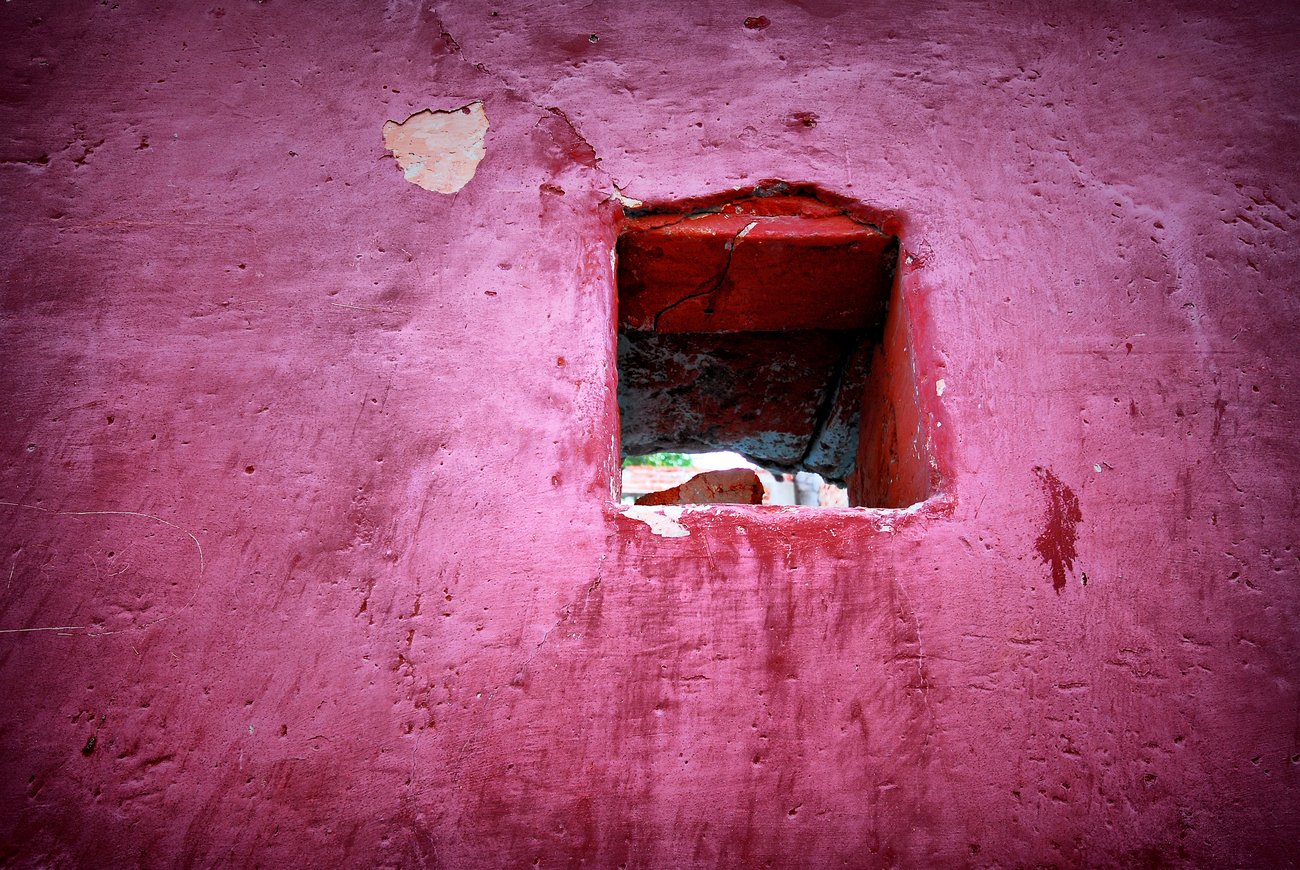
The Colors of San Miguel: Magical Magenta
This image is like a love letter to the textures of San Miguel de Allende — raw, imperfect, and so deeply alive.
That wall, in all its magenta-pink glory, looks like it’s been kissed by a hundred sunrises and just as many rainy afternoons. The little window — or maybe it's a vent, or a forgotten peek-hole — is framed by the kind of decay that only time and memory can paint. The chipped plaster, the exposed underlayer, the almost accidental geometry of it all... it tells a quiet story of resilience and beauty that doesn’t care to be polished.
It’s the kind of detail you stumble upon on a slow walk through a back alley near Guadalupe or maybe just off Callejón de los Muertos, where the real magic of San Miguel isn't in the postcard moments but in these hidden vignettes that whisper, “stay a little longer.”
|
|
|
|
|
Tastes of San Miguel: La Azotea Rooftop Restaurant
Umarán No. 6, Centro, San Miguel de Allende, GTO, Mexico 📞 +52 415 152 4977
Days and Hours: Monday to Sunday: 1:00 PM – 11:00 PM
Atmosphere: Perched above the colonial rooftops of San Miguel de Allende, La Azotea offers a sophisticated yet laid-back rooftop escape with front-row views of the iconic Parroquia. The space is thoughtfully designed—modern minimalism softened with local artisanal touches—creating a lounge-like setting perfect for sunset cocktails or romantic evenings. As twilight falls,
the city lights add a magical glow that makes the experience undeniably memorable.
Service: Attentive and gracious, the staff are polished without being pretentious. They exhibit deep knowledge of the menu and beverage pairings, and are particularly adept at guiding guests toward standout selections. Despite the restaurant’s popularity, service remains impressively prompt and personable.
Cuisine: La Azotea’s menu is a modern Mexican revelation, weaving local ingredients and international influences into bold, inventive creations. There’s an evident emphasis on freshness and aesthetic—each dish arrives like a mini work of art. Expect surprising twists on tradition that are both satisfying and stimulating.
Signature Dish:
- Jícama Tacos – A creative showstopper that has become something of a local legend. Thin jícama slices act as the tortilla, holding together plump shrimp, creamy avocado, chipotle mayo, and fresh cilantro. Light, crunchy, spicy, and sweet—a perfect harmony of textures and tastes.
Starters:
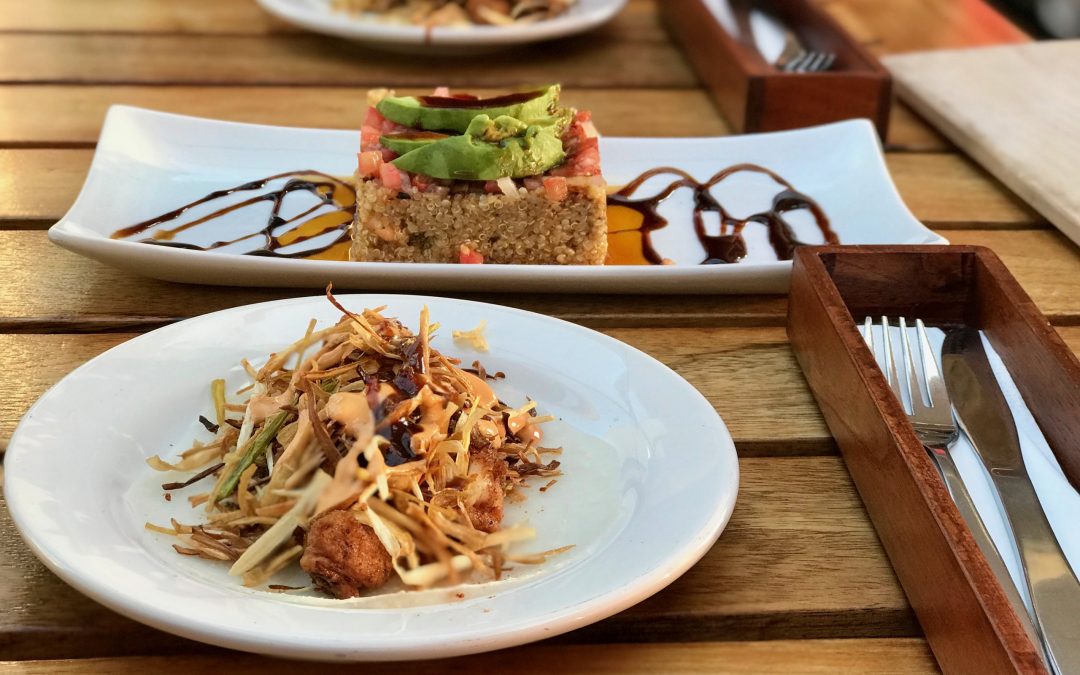
- Quinoa Salad – Served in a neat square, layered with tomato and avocado, and finished with a balsamic reduction. Refreshing and visually elegant.
- Crispy Tuna Bites – Tender cubes of seared tuna, crowned with fried leeks and a drizzle of savory soy. Crunchy, rich, and satisfying.
Main Courses:
- Ribeye Tacos – Succulent, thinly sliced ribeye in warm corn tortillas, paired with vibrant house salsas. Bold, hearty, and comforting.
- Sea Bass Fillet – Light and flaky, enhanced with a bright citrus glaze and accompanied by seasonal vegetables. Clean and balanced.
Desserts:
- Coconut Flan – Silky with tropical notes and a delicate caramel finish.
- Chocolate Mousse – Dense and indulgent, made even more interesting by the crunch of cacao nibs.
Wine and Cocktails:
An inventive cocktail list showcases mezcal and tequila in standout libations like the smoky-smooth Mezcal Margarita and the citrusy Azotea Spritz. The wine list is smartly curated, featuring standout Mexican producers as well as international labels that complement the restaurant’s fusion-forward fare.
Final Thoughts: La Azotea seamlessly blends the flavors of modern Mexico with rooftop elegance. Whether you're nibbling on their signature jícama tacos or basking in the cityscape with a mezcal cocktail in hand, this is one of San Miguel’s most enchanting dining experiences. Ideal for date nights, celebratory dinners, or an elevated lunch above the city buzz.
The jicama tacos are
absolutely phenomenal!
Cost: $$ - $$$
Rating: ⭐⭐⭐⭐⭐ (5/5)
|
|
|
|
|
Health, Caregiving & Life in Mexico
|
|
|
This section brings you thoughtful, relevant, and at times, even life-changing content to support your journey—whether you're exploring care options, supporting a loved one, or planning for your own future.
- Lead Article - Each week’s main feature is written just for you—diving into meaningful topics like extending healthspan, navigating diagnostics, or understanding the causes of Alzheimer’s and other dementias. We also occasionally explore the beauty and cultural richness of Mexico, including Pueblos Mágicos and the colorful life in San Miguel de Allende.
- Op Ed - A short editorial that reflects on the lead article’s themes, offering a personal or thought-provoking perspective.
- Caregiver’s Sentiment - A heartfelt quote or reflection honoring the emotional depth of caregiving—because your feelings and efforts matter.
- Videos - Two or three curated videos that align with the week’s theme, featuring summaries and timestamped highlights to make them easy to explore.
- Book Reviews - One or two handpicked books to deepen your understanding, lift your spirits, or simply remind you that you’re not alone.
|
|
|
|
|
Transforming Senior Healthcare in Mexico with Slow Medicine
In the continually changing realm of healthcare, the drive for efficiency frequently eclipses the fundamental importance of personalized care. This imbalance, along with other factors, has led to the slow medicine movement, a philosophy that seeks to restore the patient to the heart of medical practice. Slow medicine, with its roots in the broader Slow Movement that emerged in Italy during the 1980s as a counteraction to the
fast-food culture, advocates for a healthcare approach that is deliberate, patient-centered, and deeply individualized. Its principles challenge the prevailing norms of a healthcare system pressured by rapid consultations, high patient throughput, and an overarching emphasis on technological interventions, proposing instead a model where time, care, and prevention are paramount.
Article Highlights- Slow medicine is a patient-centered approach that values quality, time, and individualized care over efficiency and rapid interventions.
- It originated from the Slow Movement in Italy during the 1980s as a reaction to impersonal, fast-paced healthcare systems.
- The model emphasizes prevention, encouraging lifestyle changes, regular checkups, and early detection to maintain health.
- Treatment is tailored to the individual, especially seniors, aiming to reduce unnecessary procedures and the risks of multiple medications.
- It promotes strong doctor-patient relationships, built on trust, empathy, and shared decision-making.
- In Mexico, the approach resonates with cultural values like family, community, and personal connection, making it especially effective for elder care.
- Community-based health programs in Mexico have successfully applied slow medicine principles, improving seniors’ quality of life.
- The approach can lower healthcare costs by preventing complications and avoiding excessive, high-cost interventions.
- Implementation challenges include time constraints, limited staffing, and skepticism from clinicians used to fast-paced systems.
- Technology, including telemedicine and electronic health records, helps make slow medicine scalable and more accessible.
- Training in empathy and communication is essential for healthcare providers to successfully adopt slow medicine practices.
- Seniors often feel overwhelmed by fast, tech-driven systems; slow medicine provides a
more comfortable and respectful experience.
- Physician advocacy is central—doctors play an active role in helping seniors navigate complex healthcare systems.
- Case studies in Mexico and other countries show better management of chronic conditions and reduced hospitalizations with slow medicine.
- Overall, slow medicine offers a more compassionate, sustainable, and human-focused model for senior care that can improve both outcomes and dignity.
You can read the complete article here and select others from our collection of 70+ articles on our site.
|
|
|
|
|
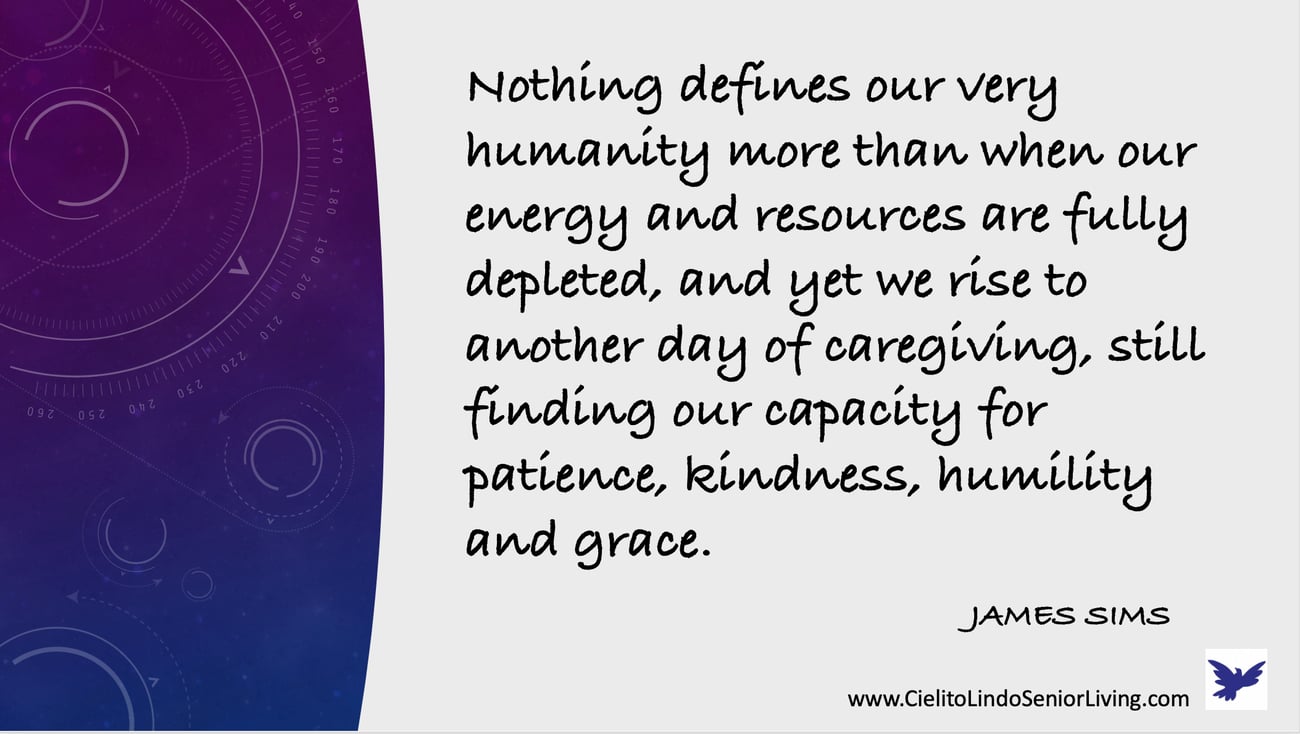
Caregiver's Sentiment: Caregiving - A Journey of Love, Resilience, and Transformation
This quote reflects the profound essence of caregiving as both a transformative and deeply challenging journey. It speaks to the very heart of our humanity,
reminding us that caregiving, in its truest form, is an act of love, resilience, and selflessness, even in the face of personal exhaustion.
Caregiving demands everything—physical energy, emotional strength, mental clarity, and spiritual grounding. There are days when the caregiver feels utterly depleted, struggling to find reserves they didn’t know existed. Yet, as the quote suggests, they rise again, navigating the unpredictable tides of caregiving with extraordinary patience and grace. This resilience transforms caregivers, often leaving them with a deeper understanding of compassion, humility, and the capacity for love.
At the same time, caregiving is not without its trials. It forces individuals to confront the fragility of life and often exposes them to prolonged stress, grief, and the frustration of their own limitations. The exhaustion mentioned in the quote is not just
physical; it is the emotional toll of balancing empathy and responsibility, of showing up fully for someone else while sometimes neglecting their own needs.
Yet, in the midst of these challenges lies the transformative power of caregiving. It teaches invaluable lessons about vulnerability, interconnectedness, and the strength of the human spirit. Caregivers often find themselves developing a renewed sense of purpose and gratitude, even in the simplest moments—a smile from a loved one, a fleeting moment of connection, or the knowledge that their presence makes a difference.
This quote also underscores the essential qualities that caregiving fosters: patience, kindness, humility, and grace. These qualities are necessary not only to provide care but also to grow as a result of the caregiving experience. They are the invisible threads that weave the caregiver's spirit together,
making them stronger and more empathetic than they were before.
Ultimately, caregiving is both a challenge and a privilege. It is a journey of profound personal growth, marked by sacrifice and transformation, where caregivers often discover reservoirs of inner strength they never knew they had. While it may take them to the edges of their limits, it also allows them to witness and embody the best of humanity, living out the values of love and service that define us at our core.
|
|
|
|
|
The Case for Slow Medicine: Rethinking Senior Care in Mexico
April 18, 2025 | James Sims, Editorial Contributor, www.cielitolindoseniorliving.com
Don Antonio is 82. A retired schoolteacher in Guanajuato, he still rises early to prune his roses and greet his neighbors with the warmth of someone who's lived a full, generous life. But these days, when he visits the doctor, he often feels invisible. Appointments are short. Questions go unanswered. It's not the medicine that's failing him—it's the pace.
This is the quiet crisis facing many older adults in Mexico. As our population ages, the healthcare system is struggling to keep up—not just in capacity, but in compassion. Enter slow medicine, a growing movement that seeks to restore depth, dignity, and deliberation to the care of seniors.
It's not about resisting technology or innovation. It's about making space for what matters: time, trust, and truly personalized care.
What Is Slow Medicine?
Slow medicine is exactly what it sounds like—a more measured, thoughtful approach to healthcare that prioritizes the patient over the clock. Born from the broader Slow Movement in 1980s Italy, it's a response to a medical culture that often values speed, efficiency, and intervention above all else.
For seniors, whose care is typically more complex, the fast-paced model falls especially short. Many are juggling multiple chronic conditions, medications, and
specialists. What they need isn't more procedures—it's more presence. Slow medicine offers that through longer consultations, fewer unnecessary treatments, and a deeper focus on prevention and quality of life.
In a country like Mexico, where elders are central to family life and cultural identity, this approach isn't just practical—it's deeply resonant.
A Cultural Match
Mexican culture reveres family, community, and connection. These same values are at the heart of slow medicine. The model encourages strong, ongoing relationships between doctor and patient—something that goes beyond treating symptoms to understanding stories.
In places like San Miguel de Allende and Mexico City, clinics are experimenting with this philosophy. Seniors receive comprehensive assessments that consider not only physical health but also emotional and social well-being. The result? Fewer hospitalizations, better management of chronic conditions, and higher patient satisfaction.
And perhaps more importantly, patients feel seen.
Less Can Be More
One of the strengths of slow medicine is that it often leads to better outcomes by doing less. For seniors, polypharmacy—being prescribed too many medications—is a serious risk. So is the cycle of overtesting and overtreatment.
Slow medicine takes a more restrained, individualized approach. It emphasizes lifestyle changes, regular checkups, and preventive care that keeps small problems from becoming crises. In the long run, that means fewer ER visits, less medical harm, and more independence for seniors.
It also happens to reduce costs—something that matters deeply in a resource-stretched public health system like Mexico's.
The Human Side of Healing
At its core, slow medicine isn't just a clinical model—it's a philosophy. It reimagines the role of the physician as not just a provider but an advocate and partner. For seniors who may struggle with navigating a
complex and increasingly digital healthcare system, advocacy is essential.
Whether it's helping a patient understand their options, coordinating care across providers, or simply listening to their fears, doctors practicing slow medicine offer something rare in today's medical environment: presence.
And for many elders, that presence is healing in itself.
Challenges—and Opportunities
Of course, slow medicine isn't without its hurdles. Time constraints, staffing shortages, and ingrained habits make implementation difficult. Some clinicians worry it's not scalable. But these challenges are not insurmountable.
Technology—like telehealth,
wearable monitoring, and electronic records—can actually support slow medicine when used wisely. Community health workers can extend care into rural areas. Interdisciplinary teams can share the load. And small changes, like longer appointment slots for complex cases, can make a big difference.
What's needed now is institutional will—and public demand.
A Better Way to Grow Old
Mexico is aging. By 2050, nearly a quarter of our population will be over 60. The question is not whether we can afford to adopt a slower, more compassionate model of care—it's whether we can afford not to.
Because healthcare that rushes, that overlooks, that standardizes—isn't just inefficient for seniors. It's inhumane.
Slow
medicine reminds us that care is not a race. It is a relationship. And for our elders—who have given us so much—surely they deserve at least that much in return.
|
|
|
|
|
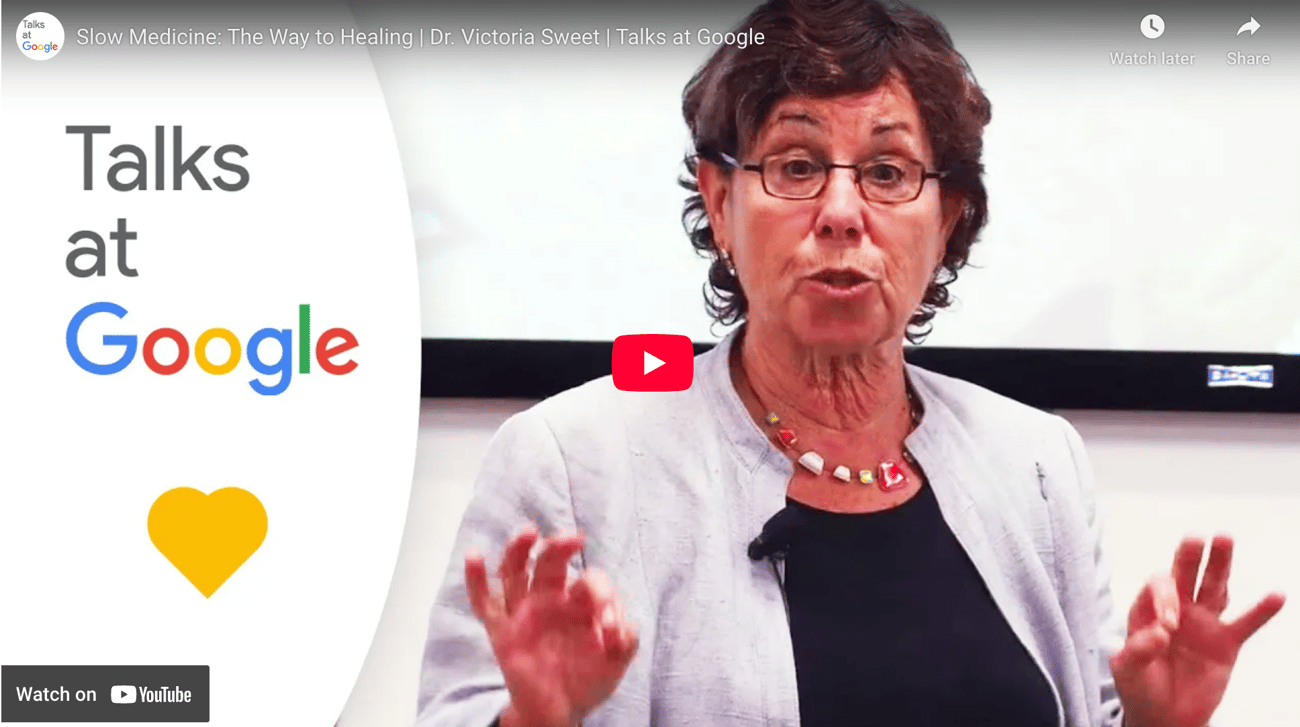
Slow Medicine: The Way to Healing | Dr. Victoria Sweet | Talks at Google
Dr. Victoria Sweet shares her transition from mathematics to medicine, emphasizing her unexpected passion for patient care. Her exploration of alternative medicines and diverse cultural views on health led her to advocate for “slow medicine,” prioritizing individualized treatment. Dr. Sweet’s experience at Laguna Honda showcased the importance of proper diagnosis and treatment, contrasting with modern healthcare efficiency measures. She criticizes the rise of administrative tasks and electronic health records, impacting doctor-patient relationships. Dr. Sweet highlights the need for doctors to spend more time with patients and less on paperwork, emphasizing the essence of genuine care in the medical field.
Dr. Sweet’s insights shed light on the challenges within the healthcare system, emphasizing the need for a more patient-centered approach and the preservation of genuine care in the medical field. Her experiences and critiques provide valuable perspectives on the impact of administrative tasks, electronic health records, and the importance of spending quality time with patients for accurate diagnoses and personalized treatment.
Highlights:
0:21 – Dr. Victoria Sweet discusses her journey from mathematics to medicine.
3:12 – Dr. Sweet’s unexpected interest in medical school and patient care.
6:11 – Dr. Sweet’s exposure to alternative medicines and different cultural perspectives on health.
10:00 – Dr. Sweet’s experience at Laguna Honda, an unconventional healthcare facility.
15:05 – Dr. Sweet introduces the concept of “slow medicine” focused on individualized care.
18:02 – The impact of healthcare efficiency measures on patient care at Laguna Honda.
22:01 – The increase in administrative tasks and paperwork in healthcare.
25:14 – Dr. Sweet’s critique of electronic health records and their impact on doctor-patient interactions.
29:51 – Dr. Sweet criticizes the constant introduction of new forms in healthcare and advocates for reducing administrative tasks.
30:30 – She discusses the challenges of electronic health records in understanding patient care thoroughly.
31:00 – Dr. Sweet proposes the concept of “slow patients” to receive more personalized care in hospitals.
36:06 – Highlighting the importance of proper diagnosis, Dr. Sweet shares her experience of spending hours going through electronic health records to find a crucial diagnosis.
39:01 – She questions the focus on electronic health records for billing purposes rather than improving patient care.
46:11 – Dr. Sweet challenges the idea of lowering thresholds for medical conditions like high blood pressure.
51:02 – Discussing patient care efficiency, she emphasizes the significance of addressing root causes for long-term solutions.
53:00 – Dr. Sweet shares her discomfort with the use of technology like Google Glass in patient-doctor interactions.
56:21 – She explains the sudden shift to electronic health records in 2009 due to a legal requirement, impacting doctors’ time and patient care.
|
|
|
|
|
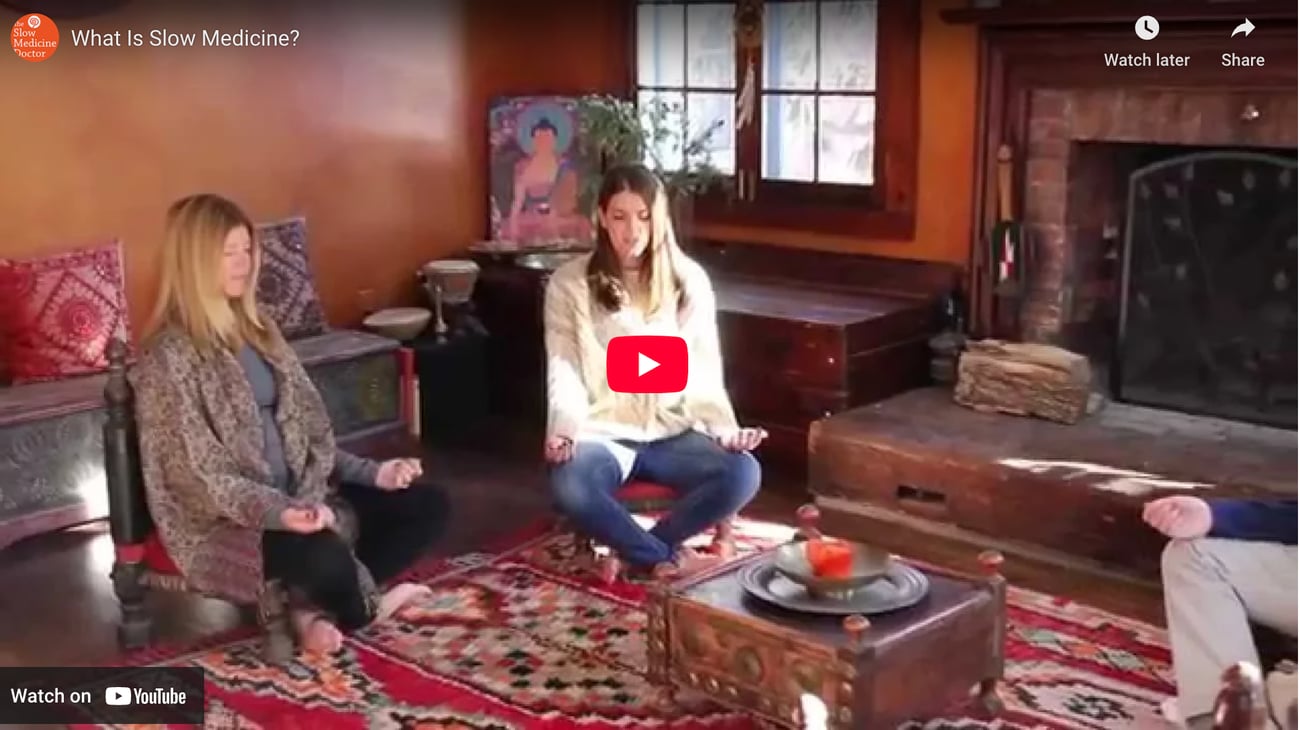
What Is Slow Medicine?
Slow medicine emphasizes the importance of holistic health by focusing on building blocks like community support, nutritious food, relationships, and nature. It recognizes the interconnectedness of various elements in our lives, impacting our well-being. By looking beyond symptoms and considering the bigger picture, individuals can use their intelligence and intuition to improve their health. Understanding the interwoven nature of our health allows for a personalized approach that may take time but results in long-term wellness. Slow medicine is portrayed as a beneficial and effective method for achieving and maintaining optimal health.
Highlights:
0:03 – Finding a supportive community
0:05 – Eating nutrient-dense foods and cultivating loving relationships
0:08 – Spending time in nature as part of slow medicine
0:23 – Interconnectedness of muscles, nerves, bodies, minds, people, and the planet
0:34 – Need for a comprehensive examination beyond just symptoms
0:49 – Using intelligence and intuition to connect the dots for optimal health
0:55 – Understanding the interconnected web of our health
1:00 – The individualized process of slow medicine takes time but leads to lasting wellness
1:08 – Slow medicine as the best quick fix for health
|
|
|
|
|
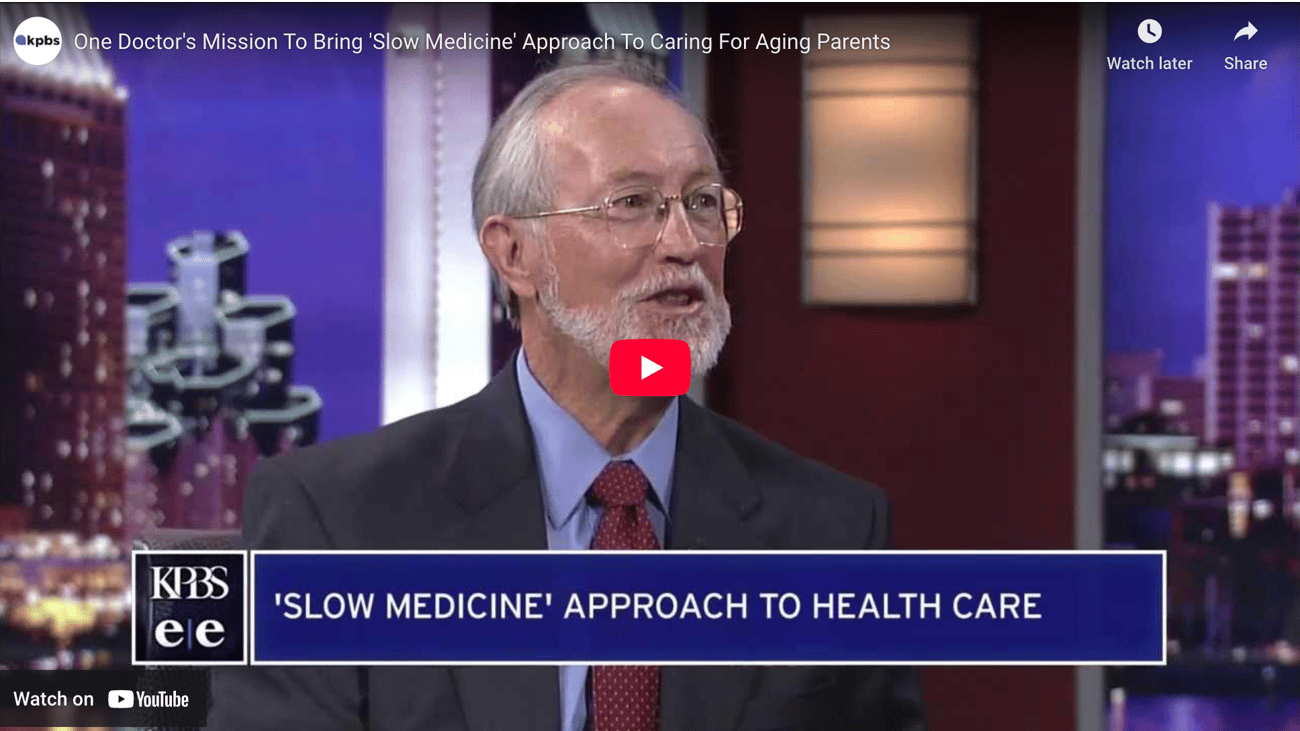
One Doctor’s Mission To Bring ‘Slow Medicine’ Approach To Caring For Aging Parents
The video discusses the concept of slow medicine, a philosophy for approaching aging and health issues, emphasizing the importance of taking time to make decisions and involving trusted individuals in the process. It also explores the connection between slow medicine and palliative care, both focusing on individual needs and quality of life. The discussion highlights the positive impact of palliative care on longevity, patient satisfaction, and cost-effectiveness in the healthcare system. Overall, the integration of slow medicine and palliative care is seen as a solution to the healthcare crisis by providing appropriate and cost-effective care for older individuals.
Highlights:
0:34 – Dr. McCulla explains slow medicine as a philosophy for approaching aging and health problems.
1:20 – Helen discusses the connection between slow medicine and palliative care, focusing on individual needs.
2:36 – Dr. McCulla explains how slow medicine changes how people make medical decisions, emphasizing guided autonomy.
4:03 – Helen highlights the positive impact of palliative care on longevity, satisfaction, and cost-effectiveness.
4:46 – Dr. McCulla emphasizes that slow medicine and palliative care can save the healthcare system financially.
|
|
|
|
|
The Slow Medicine Approach to Heart Health
The video emphasizes stress as a crucial risk factor for heart health, impacting arteries and increasing the risk of heart disease. The slow medicine approach focuses on reducing stress through stimulating the parasympathetic nervous system. By nurturing relationships, feeding the heart with meaningful activities, and caring for the body and mind, individuals can prevent heart issues. The Slow Medicine Wheel of Health integrates various aspects of life for holistic
well-being. The speaker offers consultations and programs for implementing the slow medicine approach, promoting a balanced and low-stress lifestyle to maintain heart health.
View the video here.
Highlights:
0:18 – Stress is a significant risk factor for heart health, affecting arteries and hearts.
1:09 – Modern stressors trigger the release of adrenaline, impacting heart health.
2:09 – Acute stress can lead to a clot in the heart artery, causing damage.
3:01 – Slow medicine approach focuses on reducing stress to prevent heart disease.
4:27 – Stimulating the parasympathetic nervous system can help reduce stress.
6:00 – Slow Medicine Wheel of Health includes various aspects like relationships and
purpose.
7:02 – Suggestions for heart health include nurturing relationships and reducing stress.
8:02 – Prioritize feeding your heart, nurturing body and mind, and fostering relationships.
9:05 – Information on accessing consultations and programs for slow medicine approach.
|
|
|
|
|
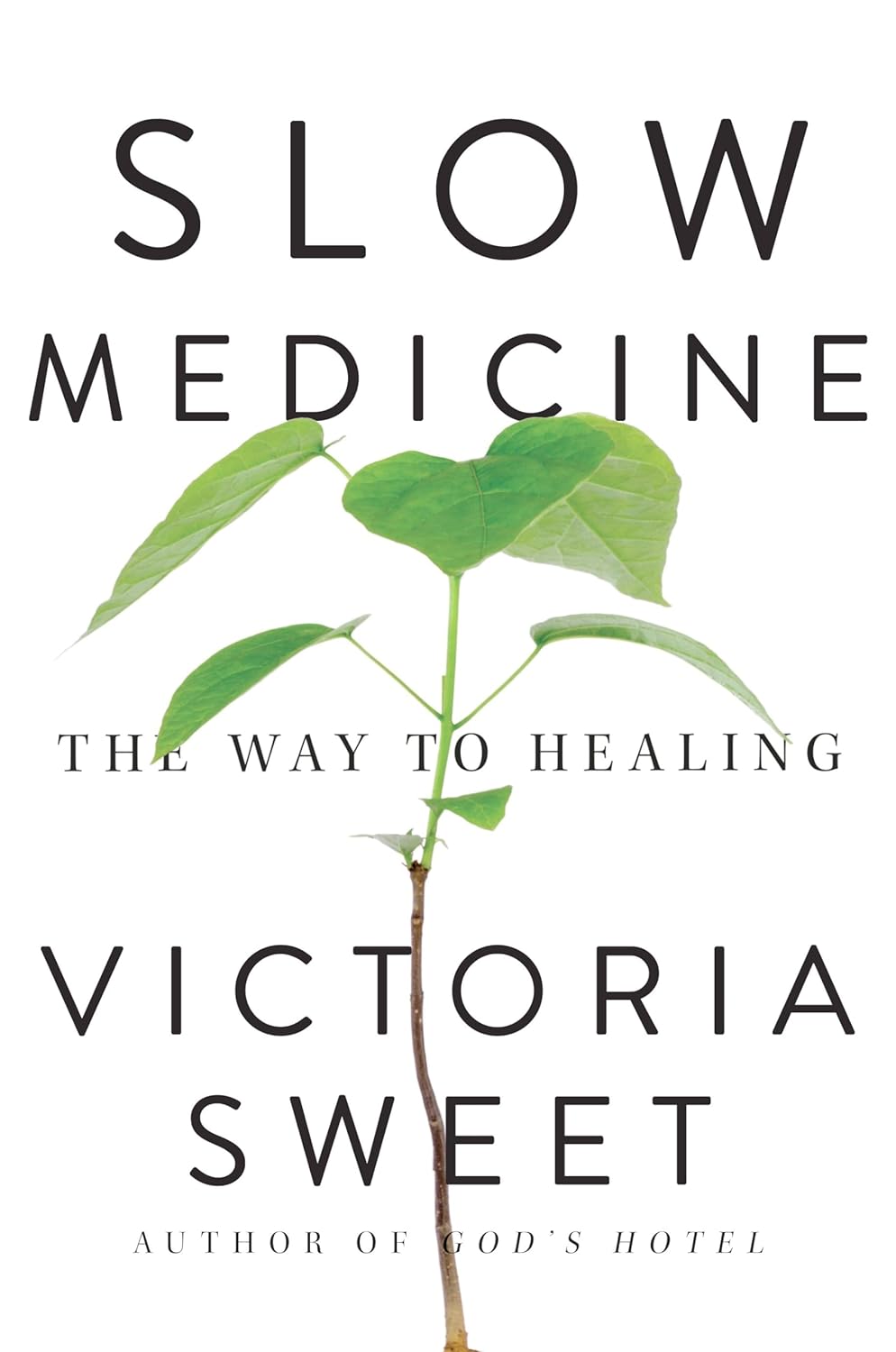
Book Review: Slow Medicine: The Way to Healing by Victoria Sweet
Overview
In Slow Medicine: The Way to Healing, Dr. Victoria Sweet—a physician with a background in medical history—offers a profound meditation on what it truly means to heal. With the precision of a clinician and the
sensitivity of a storyteller, Sweet advocates for a paradigm shift in healthcare: away from the rushed, algorithmic models that dominate today’s systems and toward a more thoughtful, humane approach rooted in time, observation, and presence. Particularly relevant to older adults, caregivers, and those navigating chronic illness, this book brings forth an essential call for medical care that restores dignity and depth to the patient experience.
Synopsis
Sweet interweaves personal stories from decades of medical practice with historical case studies and philosophical reflection to illuminate her central thesis: medicine should not be fast, but right. From her early days at Laguna Honda Hospital—where she was free to explore patient care in an unhurried, almost monastic setting—to her interactions with the modern healthcare
bureaucracy, she shares how the “slowness” of real listening, touch, and time yields more accurate diagnoses and more enduring healing. She contrasts this with “Fast Medicine”—a system focused on metrics, efficiency, and fragmented care, which often fails the elderly and those with complex, long-term conditions.
Key Themes
- Time as Medicine: One of the book’s most powerful insights is the concept that time itself can be therapeutic. For older adults, whose conditions are often multifactorial and require nuance, this slow approach proves particularly valuable.
- The Limitations of Modern Systems: Sweet critiques how electronic health records, standardized protocols, and insurance-driven models can reduce patients to data points, especially in geriatric care, where the emotional and social dimensions are often just as vital as physical symptoms.
- Medicine
as a Craft and Calling: Sweet brings back the idea of medicine as both a science and an art. Her attention to historical practices—some rooted in medieval traditions—underscores the timeless nature of healing as a deeply human endeavor.
- Holistic and Patient-Centered Care: Especially relevant for senior health and caregiving, the book emphasizes treating people, not just conditions—recognizing the role of environment, relationships, and mental well-being in recovery.
Writing Style
Sweet writes with grace, clarity, and intimacy. Her voice is contemplative and deeply respectful of both her subjects and her readers. The book flows seamlessly between narrative, reflection, and historical anecdote, making complex ideas feel accessible and emotionally resonant. She has a unique ability to make the reader feel like a quiet observer in the room with her and her patients—inviting empathy, not just analysis.
Conclusion
Slow Medicine is a timely and timeless contribution to the conversation about healthcare reform, especially in aging populations. For seniors, caregivers, and medical professionals, it serves as both inspiration and a
guidebook for practicing and seeking care that honors the individual. Sweet’s message is not about resisting progress, but about ensuring that progress doesn’t come at the expense of compassion, attention, and connection.
Rating:⭐⭐⭐⭐⭐ (5/5 Stars)
Additional Resources Cielito Lindo Offers
We have curated collections of resources that may be useful.
Articles - We write fresh articles about senior living, health, care, and finances every week
Caregiver Books - We review books related to caregiving methods, logistics, challenges, and coping
Senior Health - We review books related to healthspan, lifespan, and disease
We also have 1,600+ other senior care and expat in Mexico videos: YouTube
|
|
|
|
|
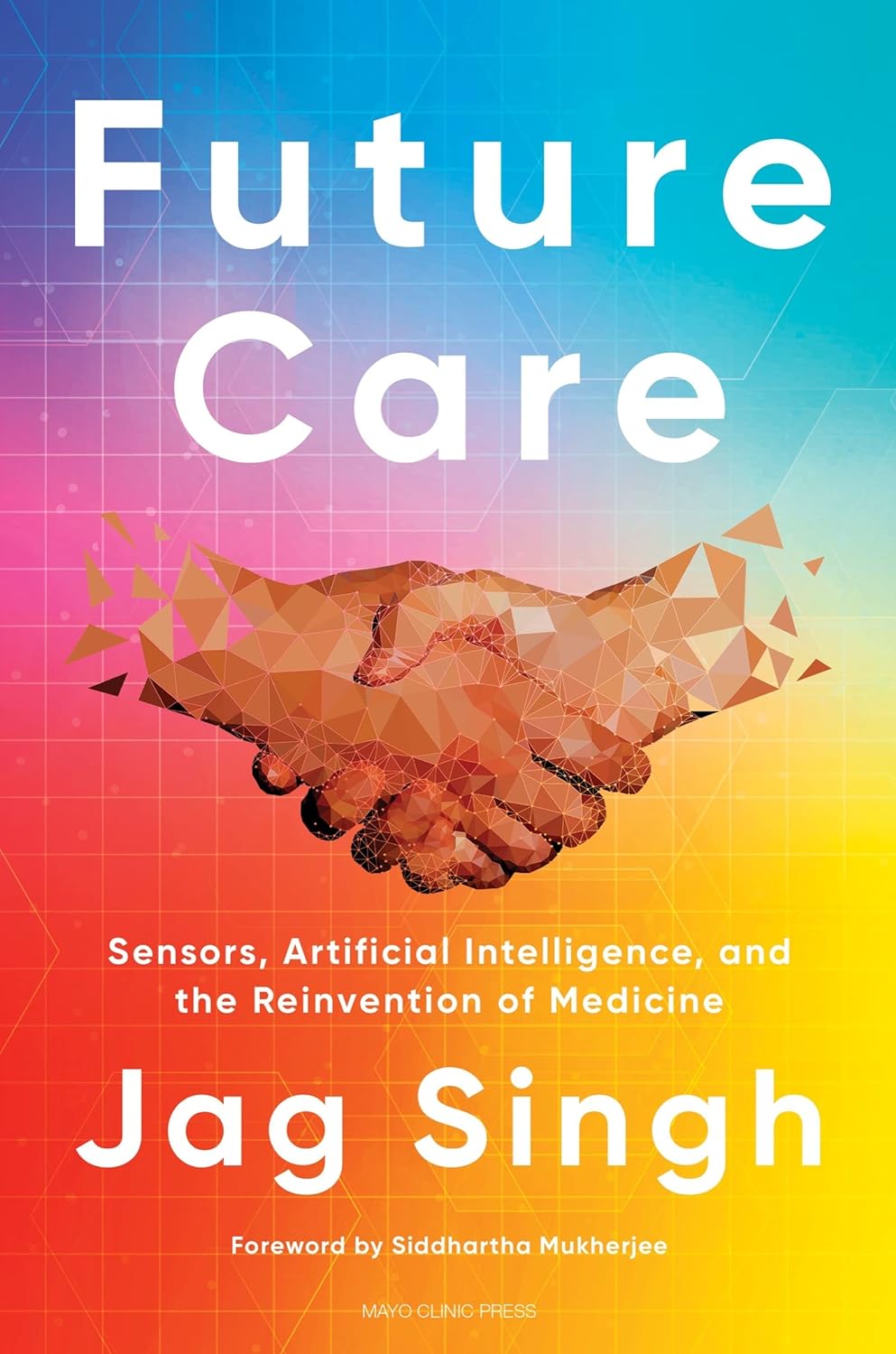
Book Review: Future Care: Sensors, Artificial Intelligence, and the Reinvention of Medicine by Jag Singh, M.D.
Overview
In Future Care, Dr. Jag Singh—a Harvard cardiologist and medical innovator—presents a visionary yet grounded exploration of how emerging technologies like wearable sensors, artificial intelligence, and virtual care are reshaping the future of medicine. With a compelling foreword by Siddhartha Mukherjee, the book positions itself at the intersection of cutting-edge innovation and enduring medical values, offering a blueprint for a more predictive, personalized, and compassionate healthcare system. Particularly relevant to those caring for aging populations or managing chronic conditions, Singh’s insights
speak directly to the potential for technology to support—not supplant—human-centered care.
Synopsis
Drawing on decades of clinical experience and the upheavals witnessed during the COVID-19 pandemic, Dr. Singh chronicles the evolution of digital health tools and their real-world implications. He explores how remote monitoring devices, smart wearables, and AI algorithms are helping physicians identify problems earlier and respond more effectively, even from a distance. These technologies, Singh argues, aren’t just about efficiency—they’re about delivering smarter, more tailored interventions that can improve outcomes and reduce strain on overburdened systems. Woven throughout are patient stories that humanize the data, showing how proactive care can prevent crises and enhance quality of life.
Key Themes
- Proactive, Predictive Medicine: Central to Singh’s thesis is the idea that technology enables a fundamental shift from reactive treatment to proactive health management—especially crucial for seniors and those with chronic conditions.
- Humanizing Technology: Far from advocating for a cold, automated healthcare system,
Singh emphasizes the role of empathy and the irreplaceable value of human judgment in interpreting data and making care decisions.
- Personalized, Virtual Care: He highlights how virtual visits and remote diagnostics can increase access for underserved populations, including rural seniors or those with mobility challenges.
- Complement to Slow Medicine: Interestingly, Singh's futuristic vision doesn’t conflict with the philosophy of Slow Medicine—instead, it supports it. Technologies like AI-powered
diagnostics and continuous monitoring empower clinicians to spend more time in meaningful conversation and relationship with patients, armed with better insights.
Writing Style
Dr. Singh writes with clarity and warmth. His tone is optimistic without being naive, and his explanations of complex tech are refreshingly digestible. His use of case studies and patient narratives keeps the book grounded in the lived experiences of real people, ensuring that the reader never loses sight of the human stakes behind the data.
Conclusion
Future Care is a timely and forward-thinking contribution to the healthcare conversation. Dr. Singh convincingly argues that we’re on the cusp of a medical transformation—one that leverages the best of modern technology while still preserving the soul of medicine. For seniors, caregivers, healthcare providers, and policy thinkers, this book is both an inspiring look ahead and a practical guide to what compassionate, tech-enabled care can look like.
Rating: ⭐⭐⭐⭐½ (4.5/5 Stars)
Additional Resources Cielito Lindo Offers
We have curated collections of resources that may be useful.
Articles - We write
fresh articles about senior living, health, care, and finances every week
Caregiver Books - We review books related to caregiving methods, logistics, challenges, and coping
Senior Health - We review books related to healthspan, lifespan, and disease
We also have 1,600+ other senior care and expat in Mexico videos: YouTube
|
|
|
|
|
| Cielito Lindo's basic information is included for your convenience:
|
|
|
- Cielito Lindo Info: After the signature, the newsletter always includes information about Cielito Lindo, so it is at your fingertips when you want it: Our costs, various related websites, social media channels like YouTube, our various addresses, and so on.
- Travel Info: Recommended airports and shuttles.
|
|
|
Web Sites - Cielito LIndo and Rancho Los Labradores
Here are our Web sites, including Cielito Lindo and Labradores Suites (hotel) all of which are part of the larger Rancho Los Labradores gated community just north of San Miguel de Allende.
- Cielito Lindo provides independent living, light assisted living, assisted living, memory care and hospice with 24*7 staffing along with a la carte assisted living services to those living in the villas and suites at Rancho Los Labradores.
- Rancho Los Labradores Suites offer short and long term residence.
- Rancho Los Labradores is a country club resort feeling CCRC that provides a gated community with countless amenities and opportunities for different levels of independent living along with assisted living and memory care within Cielito Lindo.
Cielito Lindo Living Options & Costs Guide
We offer several living options depending on the level of care you or your loved one needs. Here’s a breakdown to help you plan:
1) Villas (Rent or Own)
- Cost: $1,300 – $1,700 per month
- Additional Costs: Utilities, renter’s insurance, etc.
- What’s Included: This is mostly independent living.
- Extras: You can add independent or assisted living services (charged separately, à la carte).
- Support: We can connect you with a realtor if you'd like to purchase.
2) Cielito Lindo Condos & Suites
Best for: Independent living with optional assistance.
Option 1: Independent Living + Meals
- Cost: $2,250 per month
Includes:- 2 meals a day
- Monthly medical check-up
Optional Add-ons:- Meals for an additional person: $450/month
- Extra care services available à la carte
Option 2: Light-Assisted Living in Condos & Suites
- Cost: $3,900 per month
Includes:- Full assisted living services
- Designed for residents who still want independence but need some support
- Smooth transition to full Assisted Living or Memory Care as needs
change
- One-Time Inscription Fee: $4,000
For Couples:- $4,900/month for two people
- Same one-time fee ($4,000 per couple)
- Note: Suitability is based on cognitive ability, mobility, and safety.
3) Cielito Lindo Assisted Living, Memory Care, & Hospice
Best for: Seniors needing full-time care and supervision.
- Cost: $3,900 per month
Includes:- 24/7 care and monitoring
- All meals
- Physical therapy
- Full-time doctor on site
- Spacious private room with
bath
- One-Time Inscription Fee: $4,000
- For Couples: $4,900/month
4) Specialized Hospice Suite
Best for: Intensive care needs or end-of-life comfort and also recuperative at a far lower cost than a hospital- Cost: $4,900 per month
Includes:- Full 24/7 monitoring
- Recuperative, Palliative and hospice care
- On-site doctor
- All meals
- Special space for visiting
family
|
|
|
YouTube videos and Curated Playlists
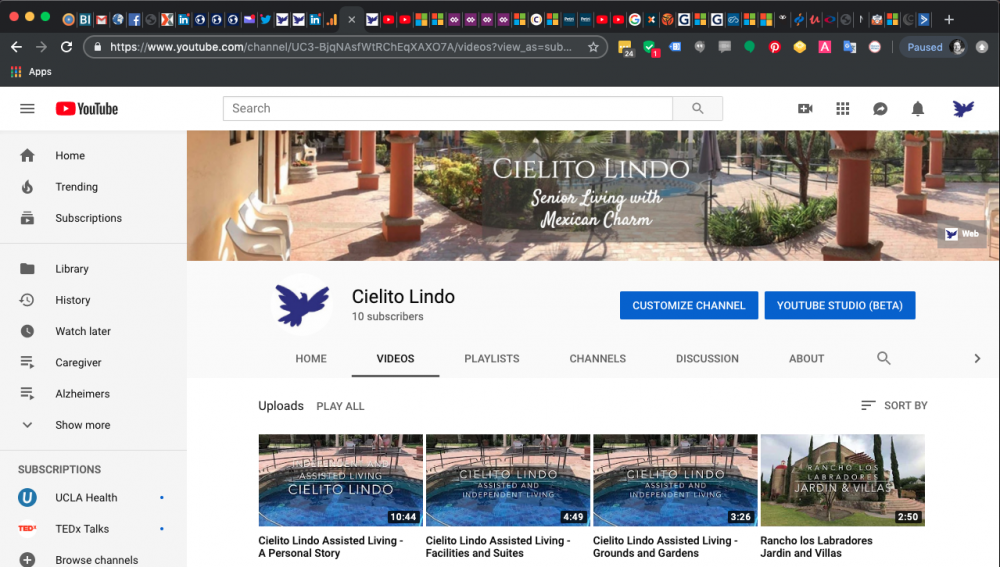
Here is our YouTube Channel. This is where we have lots of videos about Cielito Lindo and Rancho Los Labradores. We also have 1,600+ other senior care and expat in Mexico videos: YouTube |
|
|
|
|
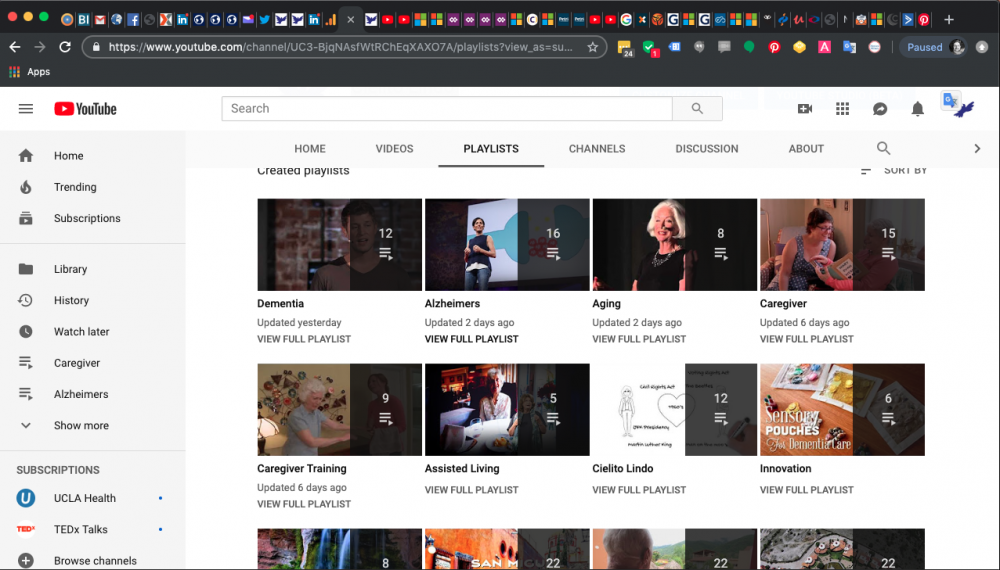
Additionally, our playlists cover a wide area and include 1,200+ videos. These playlists include videos about San Miguel and Mexico in general, caregiving and health, and a broad spectrum of senior living topics. Playlists
|
|
|
|
|
Additional Resources We Offer
We have curated collections of resources that may be useful:
Articles - We write fresh articles about senior living, health, care, and finances every week
Caregiver
Books - We review books related to caregiving methods, logistics, challenges, and coping
Senior Health - We review books related to healthspan, lifespan, and disease
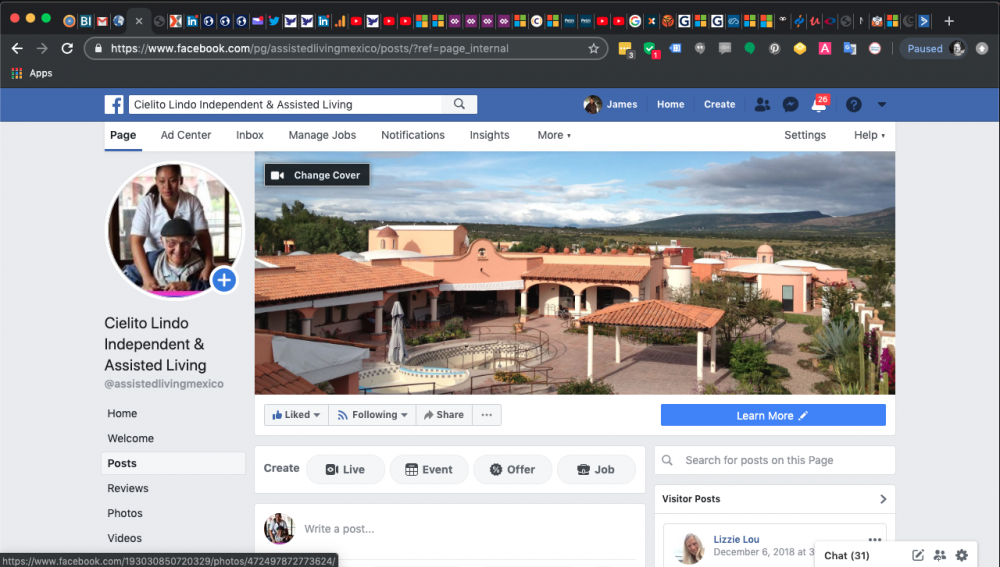
And here are our various social media forums, where we talk a lot about assisted living and memory care along with the various sort of challenges that sometimes come in our senior years (Alzheimer’s, Parkinson other dementias, and so on), but also about senior living in Mexico.
Facebook
|
|
|
|
|
|
|
|
|
|
|
|
|
|
|
|
|
|
|
Please don’t hesitate to contact me for anything related to senior living, especially in Mexico. I will gladly give you any assistance I can.
Thanks again!
James
James Sims
Marketing and Sales
Cielito Lindo Senior Living
1. 888.406.7990 (voice and text)
Phones:
English speaking:
1.888.406.7990 (in US & CDN)
00.1.881.406.7990 (in
MX)
Spanish speaking:
011.52.415.101.0201 (in US & CDN)
1.415.101.0201 (in MX)
Expat Logistics:
Visas for Expats:
Sonia Diaz Mexico
Tax Considerations for Expats:
Robert Hall Taxes
Addresses and Travel:
Physical address:
Cielito Lindo Independent and Assisted Living, Camino Real Los Labradores S/N, Rancho Viejo 1, San Miguel de Allende, GTO, Mexico, 37885
Packages from online providers like Amazon:
Camino Real Los Labradores, Rancho Los Labradores / Cielito Lindo, San Miguel de Allende, GTO, 37880 México
PO Box for letters and small envelopes:
Rancho Los Labradores / Cielito Lindo, c/o Alejandra Serrano ,
PMB N° 515-C, 220 N Zapata HWY N°11, Laredo TX, 78043-4464
Best airports to fly into: Leon or Queretaro
Airport shuttle: www.bajiogo.com
Shuttle:
Shuttle between San Miguel and Cielito Lindo:
|
|
|
|
|
|
|
Regards,
James
James Sims
Marketing and Sales
Cielto LIndo Senior Living
jsims.cielitolindo@gmail.com
|
|
|
|
|
|
|
|