|
|
Subject: Your
Weekly Guide to Senior Living & Care in Mexico
Dear ,
Welcome to your weekly touchpoint from all of us at Cielito Lindo. Each edition brings together helpful insights, heartwarming stories, expert advice, and curated resources about senior living, retirement, and age-related care challenges—including Alzheimer’s, Parkinson’s, stroke, limited mobility, and more.
We understand that navigating this stage of life can be overwhelming, whether for yourself or a loved one. That’s why we're here—to offer guidance, support, and a glimpse into the enriching life many have found here in beautiful
San Miguel de Allende.
If you find this newsletter valuable, please forward it to a friend or family member who might also benefit. They can easily subscribe via our Newsletter page. And of course, if you ever wish to unsubscribe, there’s a quick opt-out link below at the bottom right corner of this newsletter.
Here’s what we typically cover each week:
- San Miguel de Allende highlights – why this is such a special place to live
- Health & wellness insights – articles, videos, and expert reviews
- Care options & community life at Cielito Lindo – flexible, affordable living with a warm, human touch
This Week’s Theme: Healthcare Costs in Mexico
This week, we explore the profound implications of a lifetime of dietary and lifestyle choices on our lifespan and healthspan as we finally embark on the final quarter of our life.
|
|
|
|
|
| Weekly insights into San Miguel:
|
|
|
Colorful & Epicurean San Miguel
While much of what we discuss involves the challenges of aging
and caregiving, it's also important to celebrate the beauty that surrounds us. San Miguel de Allende is a feast for the senses—bursting with color, rich in culture, and renowned for its incredible food and art. It’s not just a place to live—it’s a place to thrive, to enjoy, and to heal.
|
|
|
|
|
The Colors of San Miguel: Another Beautiful Sunset
Ah, yes—another beautiful sunset, yet no two ever feel the same in San Miguel de Allende. This one captures the magic of a golden sky melting into amber hues, with the Parroquia de San Miguel Arcángel standing proudly, its spires glowing like a beacon in the deepening twilight.
The cobblestone street invites you to wander down, its lanterns flickering with a warm, romantic glow. The houses, with their ivy-draped walls and softly illuminated windows, seem to lean in closer, whispering stories of the town's rich history and soul.
San Miguel isn’t just a place—it’s a feeling. And in moments like this, as the day folds into night, the city seems to breathe with you. The air smells faintly of blooming bougainvillea, and somewhere nearby, the soft strum of a guitar begins to echo. What could be more enchanting? (Photo courtesy of San Miguel best-selling author of the San Miguel de Allende Secrets and TripAdvisor’s top-ranked tour guide - Joseph Toone)
|
|
|
|
|
Restaurant: San Mezcal
Address: Calle Recreo 88, San Miguel de Allende, 37700, Mexico
Phone: +52 415 121 1422
Website: San Mezcal (if applicable)
Days and Hours: Open daily, 3:00 PM – 10:00 PM
Atmosphere: San Mezcal captures the spirit of mezcal culture with an ambiance that is both sophisticated and soulful. The space weaves rustic textures—hand-carved wood, exposed stone, artisanal crafts—with contemporary design elements. Warm lighting and soft music
set the stage for slow, savory meals. It's an ideal retreat for intimate dinners, relaxed group gatherings, or romantic evenings in the heart of San Miguel.
Service: The service here is a seamless blend of professionalism and charm. Staff are well-versed in the nuances of mezcal and Mexican cuisine, offering spot-on recommendations with genuine warmth. Their attention to detail—from pacing the meal to explaining tasting notes—enhances the overall experience without ever feeling intrusive.
Cuisine: San Mezcal offers a compelling culinary journey through modern Mexican fusion, where traditional techniques meet creative flair. Every dish feels intentional—crafted to complement the depth and smokiness of their mezcal
selection. Vegetarians and omnivores alike will find the menu thoughtfully inclusive, with bold flavors and imaginative pairings throughout.
Signature Dish:
- Tlayuda with Mezcal-Infused Mole – A standout interpretation of the Oaxacan classic, this dish layers crisp tlayuda with a deeply aromatic mole kissed with mezcal, seasonal vegetables, and tender protein options. Smoky, rich, and balanced—it’s the kind of dish
that lingers in memory.
Starters:
- Mezcal Ceviche: Bright, citrusy seafood with subtle mezcal heat, served on crisp tostadas—light yet packed with character.
- Stuffed Chile Poppers: Roasted peppers filled with creamy cheese and herbs,
their sweetness and smoke balanced by a zesty dipping sauce.
Main Courses:
- Short Rib Barbacoa: Fall-off-the-bone beef short ribs in a mezcal reduction, plated with velvety mashed plantains. A soulful, slow-cooked masterpiece.
- Vegan Enchiladas: Earthy, satisfying enchiladas bursting with fresh vegetables, topped in a vibrant tomatillo sauce. Comforting and bright.
Desserts:
- Mezcal Chocolate Mousse: Silky, decadent mousse with just a whisper of mezcal smoke, uplifted by
candied citrus.
- Churros with Mezcal Caramel: Perfectly crisp and golden, served with an irresistible dipping sauce that hints at burnt sugar and agave.
Wine and Cocktails:
San Mezcal’s bar program is mezcal-forward, boasting an impressive range of artisanal labels sourced from across Mexico. Signature cocktails like the Smoky Mezcal
Margarita and Ruby Paloma elevate the spirit with clever infusions and fresh ingredients. A compact but thoughtful wine list and a selection of Mexican craft beers round out the drink options.
Final Thoughts: San Mezcal is a celebration of mezcal, Mexican heritage, and culinary creativity. It’s a place where each dish tells a story, and every drink feels like a ritual. Whether you’re a seasoned mezcal lover or new to its allure, this restaurant offers an experience that’s equal parts educational and indulgent. In a town teeming with great food, San Mezcal still manages to stand out.
Cost:
$$–$$$ (Moderate to Upscale)
Rating: ⭐⭐⭐⭐⭐ (5/5 stars)
|
|
|
|
|
Health, Caregiving & Life in Mexico
|
|
|
This section brings you thoughtful, relevant, and at times, even life-changing content to support your journey—whether you're exploring care options, supporting a loved one, or planning for your own future.
- Lead Article - Each week’s main feature is written just for you—diving into meaningful topics like extending healthspan, navigating diagnostics, or understanding the causes of Alzheimer’s and other dementias. We also occasionally explore the beauty and cultural richness of Mexico, including Pueblos Mágicos and the colorful life in San Miguel de Allende.
- Op Ed - A short editorial that reflects on the lead article’s themes, offering a personal or thought-provoking perspective.
- Caregiver’s Sentiment - A heartfelt quote or reflection honoring the emotional depth of caregiving—because your feelings and efforts matter.
- Videos - Two or three curated videos that align with the week’s theme, featuring summaries and timestamped highlights to make them easy to explore.
- Book Reviews - One or two handpicked books to deepen your understanding, lift your spirits, or simply remind you that you’re not alone.
|
|
|
|
|
The Top Controllable Dietary Risks for Alzheimer’s Disease
Did you know that Alzheimer’s disease is now being referred to by many experts as "Type 3 diabetes"? For caregivers, families, and anyone invested in brain health, understanding the dietary risks tied to Alzheimer’s is crucial. This eye-opening article explores how sugar, processed foods, poor gut health, and unhealthy fats accelerate cognitive decline—and what you can do to protect your brain and the loved ones you care for. Small, consistent changes in diet can make a powerful difference in preventing Alzheimer’s and improving quality of life, especially for aging adults in
assisted or independent living environments.
Article Highlights- Alzheimer’s disease is increasingly recognized as a metabolic disorder—often referred to as "Type 3 diabetes"—with insulin resistance and inflammation as central drivers.
- Diet is the most controllable risk
factor for Alzheimer’s, making nutrition an essential line of defense in protecting brain health.
- Advanced Glycation End-products (AGEs)—formed through high-heat cooking and high sugar intake—promote oxidative stress and are directly linked to Alzheimer’s pathology.
- Refined carbohydrates and high-GI foods like white bread and sugary snacks lead to frequent insulin surges, fostering insulin resistance and cognitive
decline.
- Fructose-heavy diets, especially from high-fructose corn syrup and agave syrup, contribute to fatty liver disease and disrupt glucose metabolism in the brain.
- Insulin resistance in the brain impairs energy supply, memory formation, and communication between neurons, increasing Alzheimer’s risk.
- A low-fiber diet damages gut health, promotes systemic inflammation, and impairs the gut-brain axis—an emerging contributor to cognitive decline.
- Processed and red meats are high in saturated fat and nitrites, which fuel inflammation and AGE accumulation, both damaging to brain cells.
- Omega-6-rich industrial seed
oils (corn, soybean, sunflower) create an inflammatory imbalance when not countered by omega-3 intake.
- A high omega-6 to omega-3 ratio accelerates neuroinflammation and may hasten amyloid plaque and tau tangle formation.
- Excessive alcohol consumption impairs glucose metabolism, promotes oxidative stress, and heightens vascular and cognitive risk.
- Even moderate alcohol intake should be approached with caution; red wine may offer limited benefits only when consumed responsibly.
- High sodium intake contributes to hypertension, reducing cerebral blood flow and damaging vascular integrity—key risks for Alzheimer’s and vascular dementia.
- The Mediterranean diet emerges as a protective strategy, emphasizing whole foods, healthy fats, and cardiovascular health for optimal brain support.
- Small, consistent dietary changes—reducing sugar, increasing fiber, balancing fats—can measurably reduce Alzheimer’s risk and improve long-term cognitive resilience.
You can read the complete article here and select others from our collection of 70+ articles on our site.
|
|
|
|
|
Caregiver's Sentiment: It All Adds Up
"We don't age all at once—we age in moments, in meals, in movements missed or made. And with
each one, we’re either building a life we can carry with grace, or one that grows heavier with time."
Life is complex, and we all do what we can with the time, knowledge, and resources we have. But there’s a gentle reality we often overlook—that the body keeps a record. Not with malice or fairness, but with a kind of steady loyalty. It responds to what we give it, over years and decades, shaping the quality of our days as we grow older.
It’s easy to forget how much the little things matter. One extra serving of vegetables doesn’t feel life-changing. A skipped walk or another processed meal doesn't seem like a turning point. And individually, they aren’t. But over time, like drops filling a jar, they add up. The body absorbs those patterns quietly, and eventually, it speaks—through our energy, our sleep, our resilience, or sometimes our pain. This isn’t about perfection or purity;
it’s about awareness, and about caring for our future self with kindness in the present.
So this reflection isn’t a plea to look back in regret. It’s an invitation to look forward with intention. Because even if we cannot change what’s come before, we still get to shape what comes next. Every mindful choice, however small, is an investment in vitality, in independence, and in the freedom to live and age with dignity and joy.
|
|
|
|
|
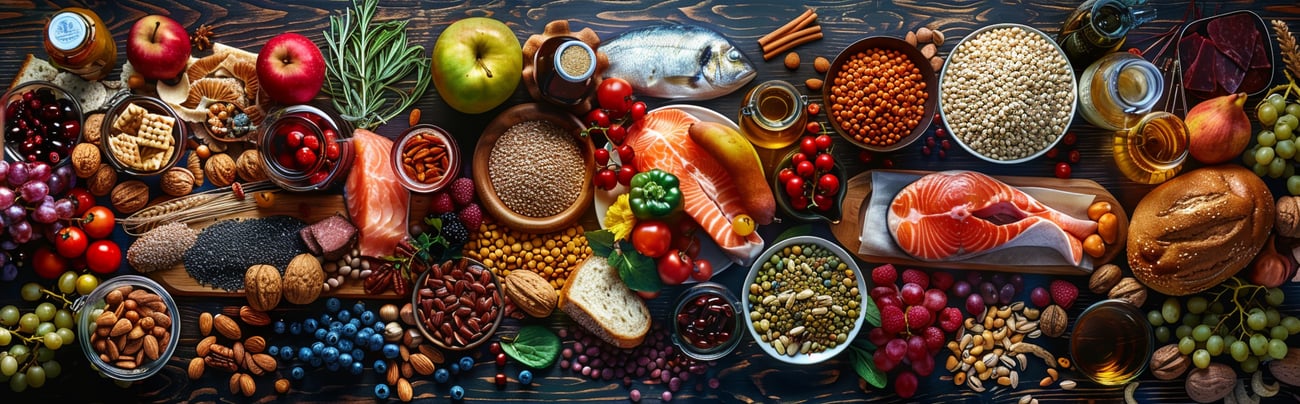
Eat Smart, Age Sharp: Foods That Protect Your Brain
May 23, 2025 | James Sims, Editor, www.cielitolindoseniorliving.com You May Be Eating Your Way to Alzheimer’s—But You Can Stop If there were a pill that could lower your risk of Alzheimer’s by 40%, would you take it? Now imagine that pill isn’t a pharmaceutical breakthrough, but your daily plate of food. Emerging science reveals something deeply empowering—and deeply urgent: our lifelong dietary choices play a major role in determining whether we succumb to Alzheimer’s disease or age with our minds intact. Alzheimer's, long considered a mysterious neurological condition, is increasingly being understood as a metabolic disorder—so much so that researchers now refer to it as "Type 3 diabetes." That means what we eat isn’t just fuel. It’s either brain medicine—or brain poison. Alzheimer’s Has Metabolic Roots At the core of Alzheimer’s lies a trio of destructive forces: insulin resistance, chronic inflammation, and oxidative stress. These are the same culprits behind conditions like type 2 diabetes, heart disease, and fatty liver disease. And all three are heavily influenced by diet. In fact, insulin resistance may be one of the most significant and modifiable risk factors for Alzheimer’s. When the brain becomes resistant
to insulin—a hormone essential for glucose metabolism—neurons struggle to get the energy they need. This energy failure impairs memory, learning, and communication between brain cells. Over time, it contributes to the buildup of amyloid plaques and tau tangles—the biological hallmarks of Alzheimer’s. People with type 2 diabetes are 50% to 100% more likely to develop Alzheimer’s. But you don’t have to be diabetic to be at risk. A diet high in added sugars, refined carbs, and processed foods quietly erodes metabolic health and sets the stage for cognitive decline. Food That Hurts the Brain The modern diet is loaded with threats to brain health. One of the most damaging is sugar—not just the obvious kind in desserts, but the hidden sugars in juices, sauces, cereals, and "healthy" snacks. Fructose, especially in the form of high-fructose corn syrup and agave syrup, is a major offender. It’s metabolized in the liver and contributes to fatty liver disease and insulin resistance—both strong predictors of cognitive decline. Another invisible threat comes from Advanced Glycation End-products (AGEs). These compounds form when sugars bind to proteins or fats during high-heat cooking (think fried, grilled, or roasted foods). AGEs trigger inflammation and oxidative stress, accelerating brain aging. Regular consumption of AGE-rich foods—like processed meats, fried snacks, and sugary baked goods—has been linked to faster cognitive decline. Dietary fats also matter, especially when it comes to omega-6 fatty acids, commonly found in vegetable oils like corn, soybean, and sunflower oil. When consumed in excess and not balanced with anti-inflammatory omega-3s (from sources like salmon, walnuts, and flaxseeds), these fats drive inflammation that can damage neurons over time. Add to that the dangers of high sodium (which raises blood pressure and restricts cerebral blood flow) and excess alcohol (which impairs glucose metabolism in the brain), and you have a perfect storm for neurodegeneration. The Brain-Gut Connection There’s growing evidence that the gut microbiome—the ecosystem of bacteria in your digestive system—plays a pivotal role in brain health. A diet low in fiber starves beneficial gut bacteria, promoting an imbalance (or "dysbiosis") that leads to systemic inflammation. These inflammatory molecules can travel through the bloodstream, cross the blood-brain barrier, and trigger processes linked to Alzheimer’s. Fiber-rich diets, by contrast, support a healthy microbiome and help regulate blood sugar levels—two essential pillars of cognitive resilience. Diet as Prevention, Not Cure Here’s the hopeful part: you can change your risk profile. Unlike genetics—which we can’t control—diet is one of the most accessible, powerful tools we have to influence our brain’s future. In clinical research and in books like The 30-Day Alzheimer’s Solution, neurologists Dean and Ayesha Sherzai show that lifestyle changes, especially dietary ones, can dramatically reduce the risk of cognitive decline—even in those with genetic predispositions. Their approach focuses on whole, plant-based foods, minimizing added sugars and processed fats, and supporting the brain through nutrient-dense meals. The Mediterranean diet—rich in vegetables, fruits, legumes, whole grains, olive oil, and lean proteins—has repeatedly been shown to reduce Alzheimer’s risk and promote vascular health. Genes Load the Gun. Lifestyle Pulls the Trigger. Yes, some people carry the APOE4 gene variant, which increases Alzheimer’s risk. But even for
them, environment matters. A healthy lifestyle can delay onset, reduce severity, or in some cases, help prevent the disease altogether. Our brains are not doomed by our DNA—they are shaped, over time, by what we eat, how we move, how we sleep, and how we manage stress. Small Changes, Big Impact You don’t need to overhaul your life overnight. Start with one or two habits: - Swap white bread and pasta for whole grains.
- Replace sugary drinks with water or herbal tea.
- Cook with olive oil instead of seed oils.
- Add a serving of leafy greens or berries each day.
- Eat fish like salmon once or twice a week.
- Cut back on processed meats and high-sodium snacks.
These small decisions, repeated daily, add up to powerful protection for your brain.
Conclusion: Alzheimer’s Is Not Inevitable Alzheimer’s often feels like a cruel twist of fate. But in many cases, it’s not fate—it’s biology reacting to decades of choices. That’s not to assign blame—it’s to offer hope.
Because hope lives in the choices we make today.
The path to a healthier brain doesn’t start with a pill, in a lab or hospital. It starts in the kitchen.
|
|
|
|
|
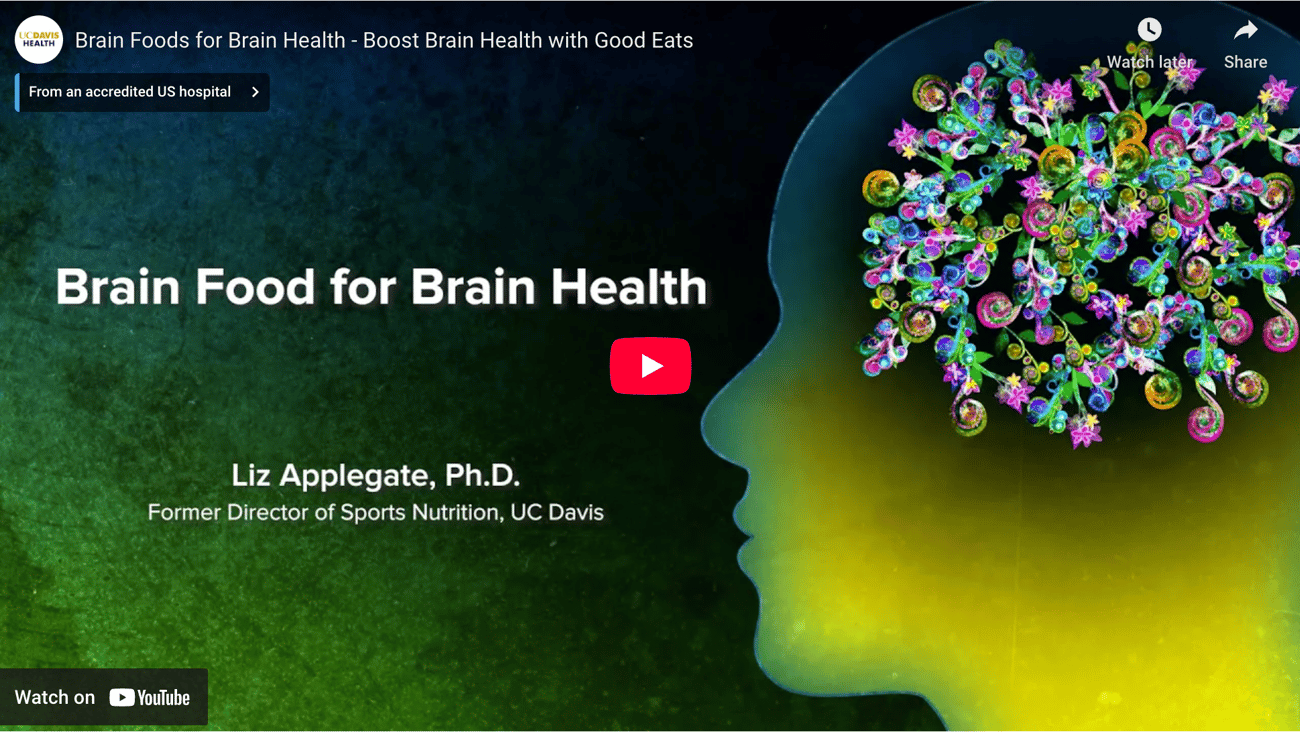
Video: Brain Foods for Brain Health – Boost Brain Health with Good Eats
The video explores the relationship between diet and brain health, emphasizing the importance of nutrition from gestation through adulthood. Key points include the peak brain capacity reached in early adulthood and the increasing rates of cognitive decline linked to poor dietary choices. The speaker highlights the significance of maintaining healthy blood pressure and glucose
levels to prevent conditions like type 2 diabetes, which can impact brain health. Diets rich in fruits, vegetables, and omega-3 fatty acids from seafood are recommended for their protective effects on the brain. Additionally, the video stresses the need for regular exercise to complement a healthy diet in promoting overall brain health.
The video further elaborates on the significance of a balanced diet rich in essential nutrients for maintaining cognitive health. It highlights the roles of specific vitamins and minerals, such as vitamin D, B12, and omega-3 fatty acids, in preventing cognitive decline. The speaker also discusses the importance of tracking dietary intake and making informed food choices. Regular consumption of fruits, vegetables, and quality proteins is encouraged, along
with moderation in alcohol intake. Overall, the video promotes a holistic approach to nutrition for optimal brain health.
View the video here.
Highlights:
0:42 – Discussion on herbs that may improve brain health.
1:10 – Importance of diet during gestation and childhood for brain development.
2:20 – Maximum brain capacity typically reached between ages 22 to 27.
4:22 – Connection between aging and brain
health.
8:40 – The role of diet in preventing heart disease and maintaining healthy blood pressure.
11:17 – Explanation of insulin’s role in glucose metabolism.
19:15 – Emphasis on the importance of exercise alongside diet for brain health.
21:40 – Overview of diets that correlate with reduced risk of type 2 diabetes.
27:30 – Benefits of consuming green leafy vegetables for brain health.
39:20 – Discussion on the importance of omega-3 fatty acids from seafood for brain function.
42:24 – Discusses the importance of
poultry as a primary protein source.
42:54 – Mentions the need to limit saturated fats, specifically lard.
45:27 – Highlights the impact of oxidative stress from poor dietary choices.
46:16 – Encourages tracking food intake to understand dietary habits.
50:20 – Explains the significance of omega-3 fatty acids for brain health.
54:07 – Warns about vitamin D deficiency and its connection to cognitive decline.
55:02 – Discusses the importance of B12 and folate for brain function.
57:30 – Addresses concerns about dietary supplements and
their efficacy.
1:00:10 – Talks about the role of fermented dairy in a healthy diet.
1:21:33 – Emphasizes the quality of protein sources in the diet.
|
|
|
|
|
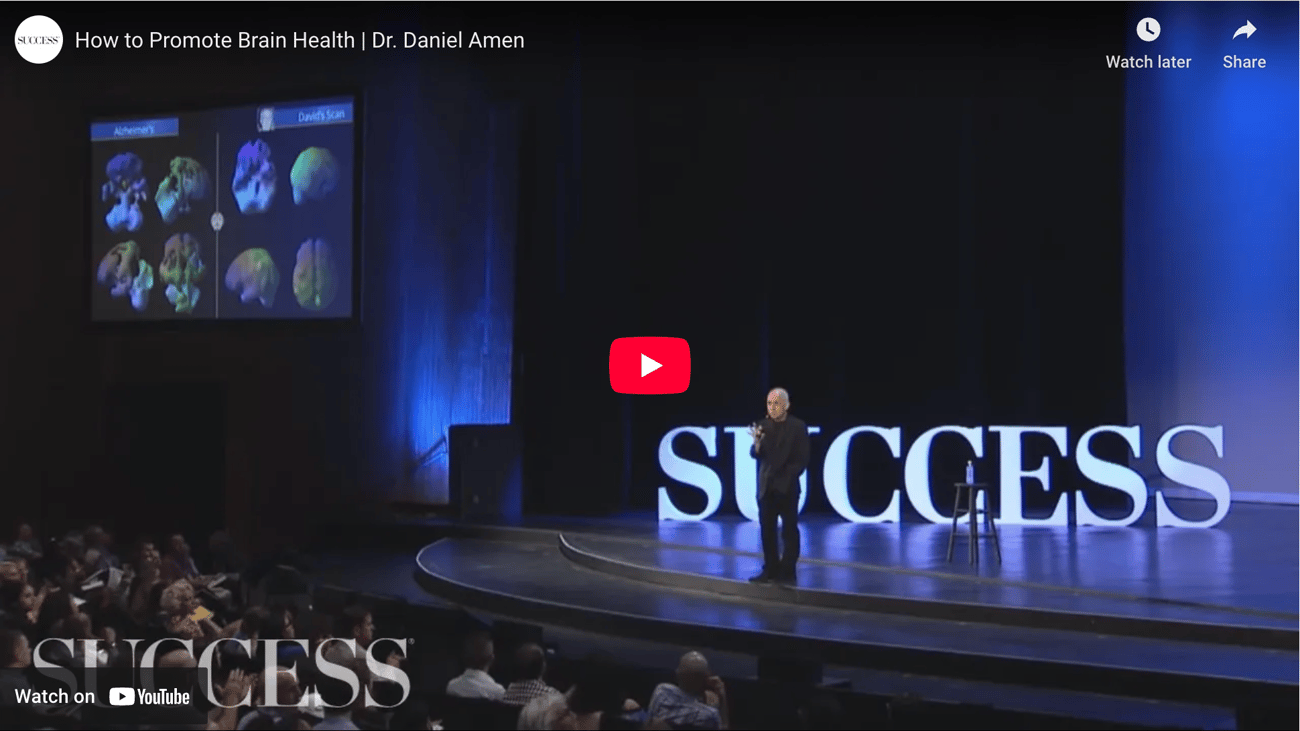
Video: How to Promote Brain Health | Dr. Daniel Amen
In this video, Dr. Daniel Amen discusses the importance of promoting brain health and preventing cognitive decline. He emphasizes that individuals are not stuck with their current brain health and can take proactive steps. Key points include the significance of early screening for Alzheimer’s, the treatability of many dementia cases, and the necessity of addressing major risk factors like low blood flow and inflammation. Dr. Amen introduces the mnemonic "BRIGHT MINDS" to help remember these risk factors. He also highlights the role of genetics in brain health,
stressing that lifestyle choices can significantly influence outcomes. Overall, the video serves as a guide for maintaining cognitive function throughout life.
Dr. Amen emphasizes that your brain’s history does not determine your future. By adopting healthier habits and making informed choices, anyone can enhance their cognitive function and overall well-being. He encourages viewers to model a brain-healthy lifestyle, as success in life begins with a healthy mind.
View the video here.
Highlights:0:11 – You are not stuck with the brain you have.1:24 – A functional imaging study can reveal brain health decades before symptoms appear.2:10 – Many diagnosed with dementia may
actually have treatable conditions.4:03 – Memory rescue is based on preventing or treating major risk factors that affect the mind.4:54 – There is a 50% risk of developing Alzheimer’s by age 85.5:15 – The mnemonic "BRIGHT MINDS" helps identify key risk factors for cognitive decline.6:05 – Low blood flow to the brain can prematurely age it and increase memory problems.8:10 – Stopping learning as you age can lead to cognitive decline.9:20 – Inflammation in the body can negatively impact brain health.12:01 – Genetic predispositions
to Alzheimer’s can be mitigated through lifestyle choices.14:02 – Dr. Amen discusses a patient’s brain scan, highlighting significant improvements after lifestyle changes.15:01 – He emphasizes the dangers of head trauma, particularly in children playing contact sports.15:49 – Dr. Amen shares success stories of athletes improving their brain health through coaching and lifestyle changes.17:00 – He warns against toxins in personal products and the dangers of alcohol consumption.19:30 – Dr. Amen discusses the impact
of mold exposure on brain health, using a personal anecdote.20:16 – He addresses mental health issues and the effectiveness of exercise compared to antidepressants.21:27 – Dr. Amen stresses the importance of hormone assessments for cognitive health.22:58 – He highlights the epidemic of obesity and its detrimental effects on brain function.25:05 – Dr. Amen advocates for adequate sleep, linking it to brain health.27:04 – He concludes by reinforcing that individuals can improve their brain health and change their
lives.
|
|
|
|
|
Video: A Brain Food Prescription from the Farmacy: Drew Ramsey at TEDxBloomington
In his TEDx talk, psychiatrist Drew Ramsey emphasizes the critical link between nutrition and brain health. He argues that the modern diet, filled with processed foods, is detrimental to mental well-being, contributing to rising rates of depression and anxiety. Through a
personal patient story, he illustrates the importance of dietary choices, advocating for a shift towards whole, minimally processed foods. Ramsey introduces the concept of the "farmacy," suggesting that proper nutrition can enhance brain function. He highlights the brain’s significant energy needs and discusses the role of BDNF in promoting brain cell growth. Ultimately, he calls for a reevaluation of how we approach mental health, focusing on nutrition as a foundational element.
Ramsey emphasizes the importance of whole, unprocessed foods for brain health, advocating for a diet rich in plants, seafood, and healthy fats. He highlights the detrimental effects of processed foods, particularly on children, and shares success stories of patients who improved their mental health through
dietary changes. By focusing on what to eat rather than what to avoid, he encourages a positive approach to nutrition, reinforcing the idea that food can serve as medicine for the brain. Ultimately, he inspires the audience to make mindful food choices for better mental well-being.
View the video here.
Highlights:
0:16 – Drew Ramsey introduces a kale plant from his family farm, emphasizing the connection between food and brain health.
0:39 – He expresses his goal to change how we think about food to improve brain health.
1:10 – Discusses the negative impact of a modern diet on brain health, linking it to rising depression and anxiety rates.
2:00 – Shares a personal story about a patient struggling with depression and the importance of nutrition.
3:12 – Ramsey highlights the lack of focus on dietary habits in healthcare.
4:49 – He questions if eating the right foods can lead to a healthier brain.
5:21 – Introduces the concept of the "farmacy," emphasizing whole, minimally processed foods for brain health.
6:02 – Explains the brain’s energy consumption and its composition, highlighting the importance of omega-3 fats.
6:22 – Discusses the discovery of BDNF, a molecule that promotes brain cell growth and connectivity.
7:12 – Uses the legend of vampires to illustrate the consequences of poor nutrition on brain health.
7:58 – The man has only eaten corn, leading to a vitamin B3 deficiency.
8:20 – Changing food can change mood and brain health.
9:19 – The average American consumes 32 teaspoons of sugar daily.
10:16 – Feeding kids junk food doubles their risk of depression and ADHD.
10:53 – Studies show that switching kids to whole foods improves behavior significantly.
11:14 – Real food can heal brains, as demonstrated by a patient’s recovery.
11:41 – Hippocrates stated, "Let thy food be thy medicine."
12:01 – Whole food molecules can improve brain health and gene expression.
12:43 – A brain food prescription includes lots of plants, colors, and seafood.
14:38 – Dark chocolate is shown to boost mood and concentration.
|
|
|
|
|
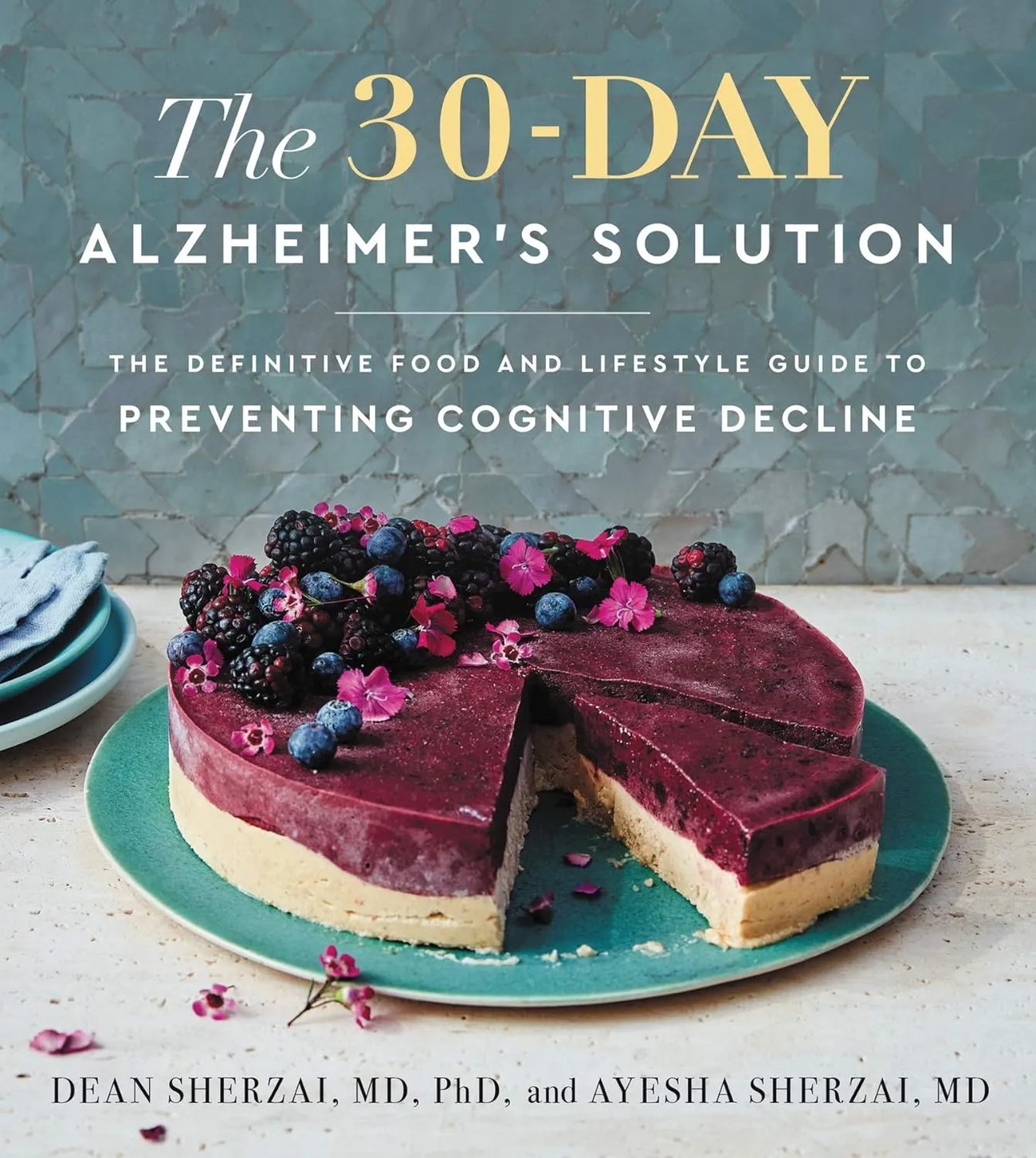
Book Review: The 30-Day Alzheimer’s Solution: The Definitive Food and Lifestyle Guide to Preventing Cognitive Decline By Dean
Sherzai, MD, PhD, and Ayesha Sherzai, MD
OverviewThis Wall Street Journal and USA Today bestseller by Dr. Dean Sherzai and Dr. Ayesha Sherzai provides a science-backed, nutrition-based approach to preventing Alzheimer’s disease and cognitive decline. The authors, both neurologists and co-directors of the Alzheimer’s Prevention Program at Loma Linda University, combine decades of research to present a 30-day program that integrates diet and
lifestyle changes aimed at boosting brain health.
SynopsisThe book outlines a 30-day plan centered on the concept of the "Neuro Nine"—nine key brain-boosting foods that are essential for cognitive health. The program is built around plant-based, whole-food nutrition, with over 75 recipes that are both easy to follow and designed to protect against neurodegenerative diseases like Alzheimer’s. Alongside dietary changes, the authors emphasize the importance of lifestyle factors such as exercise, sleep, stress management, and mental engagement. The book is not just a
guide; it’s an action plan that promises visible improvements in mental clarity, memory, attention, and overall health within a month.
Key Themes
- Alzheimer’s Prevention through Nutrition: The book’s primary focus is on how specific foods can protect and enhance brain function.
- Lifestyle Interventions: In addition to diet, the authors highlight the
importance of stress reduction, adequate sleep, physical activity, and mental challenges as pillars of cognitive health.
- Scientific Rigor: The recommendations are based on years of clinical research and real-life results seen in the Sherzais’ patients.
- Plant-Based Eating: The program emphasizes plant-based nutrition, reducing processed foods, and adopting sustainable, healthy eating habits.
- Action-Oriented Approach: Unlike many health books, this one provides a structured, short-term plan with tangible goals, making it easy for readers to implement.
Writing StyleThe authors write in an accessible and encouraging tone, blending scientific knowledge with practical guidance. The book is packed with research but is presented in a way that makes it approachable for the average reader. The recipes are simple, with clear instructions, making the transition to a brain-healthy diet less intimidating. Additionally, the Sherzais’ focus on
actionable steps makes the content engaging and motivational, particularly for those eager to take control of their cognitive health.
Conclusion
The 30-Day Alzheimer’s Solution is a valuable resource for anyone looking to improve their brain health and prevent cognitive decline, especially those concerned about Alzheimer’s. The combination of scientific credibility, easy-to-implement dietary changes, and an emphasis on holistic lifestyle adjustments makes this book an essential tool for individuals and caregivers. The structured 30-day plan is particularly useful for readers seeking a clear roadmap to better
mental and physical health.
Rating: ★★★★☆ (4.5/5)While comprehensive and backed by solid research, some readers might find the shift to a plant-based diet challenging. Nonetheless, the authors provide plenty of support through recipes and lifestyle tips, making this a highly recommended guide for proactive brain health management.
Additional Resources Cielito Lindo Offers
We have curated collections of resources that may be useful.
Articles - We write fresh articles about senior living, health, care, and finances every week
Caregiver Books
- We review books related to caregiving methods, logistics, challenges, and coping
Senior Health - We review books related to healthspan, lifespan, and disease
We also have 1,600+ other senior care and expat in Mexico videos: YouTube
|
|
|
|
|
| Cielito Lindo's basic information is included for your convenience:
|
|
|
- Cielito Lindo Info: After the signature, the newsletter always includes information about Cielito Lindo, so it is at your fingertips when you want it: Our costs, various related websites, social media channels like YouTube, our various addresses, and so on.
- Travel Info: Recommended airports and shuttles.
|
|
|
Web Sites - Cielito LIndo and Rancho Los Labradores
Here are our Web sites, including Cielito Lindo and Labradores Suites (hotel) all of which are part of the larger Rancho Los Labradores gated community just north of San Miguel de Allende.
- Cielito Lindo provides independent living, light assisted living, assisted living, memory care and hospice with 24*7 staffing along with a la carte assisted living services to those living in the villas and suites at Rancho Los Labradores.
- Rancho Los Labradores Suites offer short and long term residence.
- Rancho Los Labradores is a country club resort feeling CCRC that provides a gated community with countless amenities and opportunities for different levels of independent living along with assisted living and memory care within Cielito Lindo.
Cielito Lindo Living Options & Costs Guide
We offer several living options depending on the level of care you or your loved one needs. Here’s a breakdown to help you plan:
1) Villas (Rent or Own)
- Cost: $1,300 – $1,700 per month
- Additional Costs: Utilities, renter’s insurance, etc.
- What’s Included: This is mostly independent living.
- Extras: You can add independent or assisted living services (charged separately, à la carte).
- Support: We can connect you with a realtor if you'd like to purchase.
2) Cielito Lindo Condos & Suites
Best for: Independent living with optional assistance.
Option 1: Independent Living + Meals
- Cost: $2,250 per month
Includes:- 2 meals a day
- Monthly medical check-up
Optional Add-ons:- Meals for an additional person: $450/month
- Extra care services available à la carte
Option 2: Light-Assisted Living in Condos & Suites
- Cost: $3,900 per month
Includes:- Full assisted living services
- Designed for residents who still want independence but need some support
- Smooth transition to full Assisted Living or Memory Care as needs
change
- One-Time Inscription Fee: $4,000
For Couples:- $4,900/month for two people
- Same one-time fee ($4,000 per couple)
- Note: Suitability is based on cognitive ability, mobility, and safety.
3) Cielito Lindo Assisted Living, Memory Care, & Hospice
Best for: Seniors needing full-time care and supervision.
- Cost: $3,900 per month
Includes:- 24/7 care and monitoring
- All meals
- Physical therapy
- Full-time doctor on site
- Spacious private room with
bath
- One-Time Inscription Fee: $4,000
- For Couples: $4,900/month
4) Specialized Hospice Suite
Best for: Intensive care needs or end-of-life comfort and also recuperative at a far lower cost than a hospital- Cost: $4,900 per month
Includes:- Full 24/7 monitoring
- Recuperative, Palliative and hospice care
- On-site doctor
- All meals
- Special space for visiting
family
|
|
|
YouTube videos and Curated Playlists
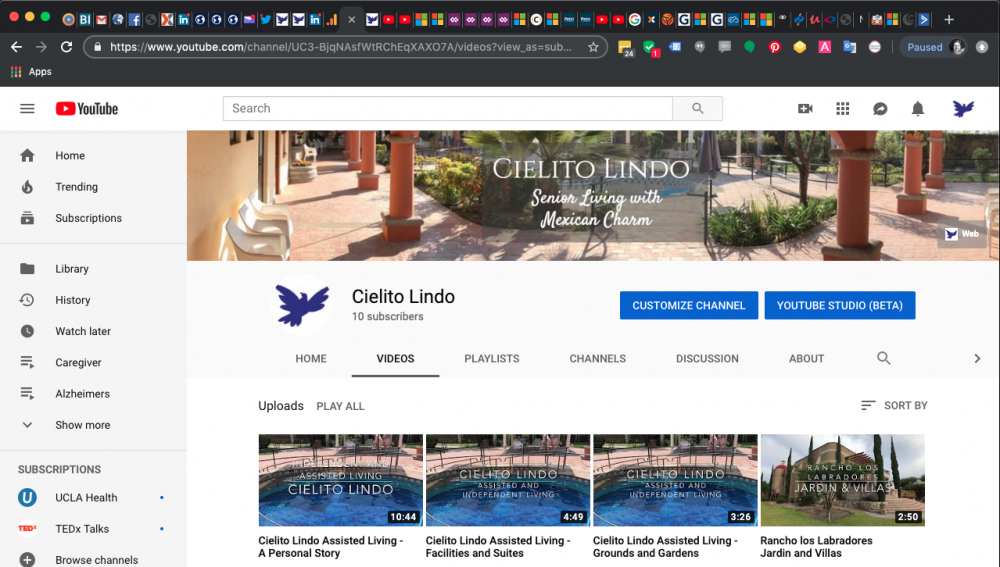
Here is our YouTube Channel. This is where we have lots of videos about Cielito Lindo and Rancho Los Labradores. We also have 1,600+ other senior care and expat in Mexico videos: YouTube |
|
|
|
|
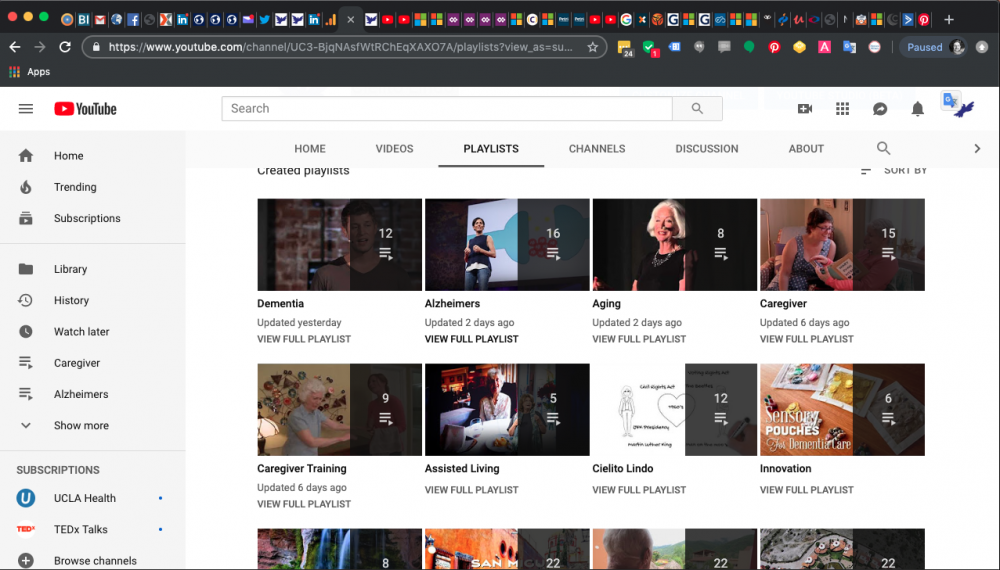
Additionally, our playlists cover a wide area and include 1,200+ videos. These playlists include videos about San Miguel and Mexico in general, caregiving and health, and a broad spectrum of senior living topics. Playlists
|
|
|
|
|
Additional Resources We Offer
We have curated collections of resources that may be useful:
Articles - We write fresh articles about senior living, health, care, and finances every week
Caregiver
Books - We review books related to caregiving methods, logistics, challenges, and coping
Senior Health - We review books related to healthspan, lifespan, and disease
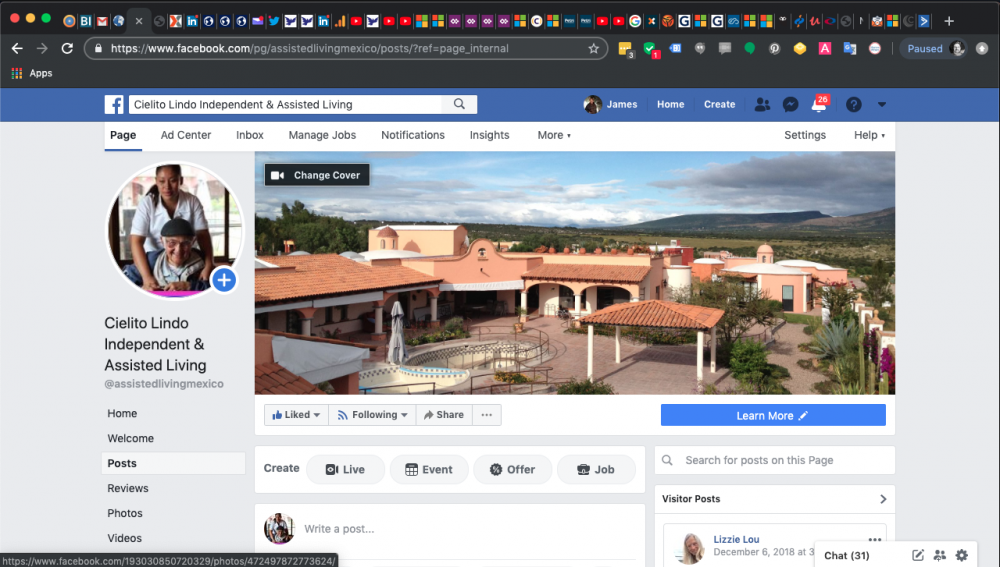
And here are our various social media forums, where we talk a lot about assisted living and memory care along with the various sort of challenges that sometimes come in our senior years (Alzheimer’s, Parkinson other dementias, and so on), but also about senior living in Mexico.
Facebook
|
|
|
|
|
|
|
|
|
|
|
|
|
|
|
|
|
|
|
Please don’t hesitate to contact me for anything related to senior living, especially in Mexico. I will gladly give you any assistance I can.
Thanks again!
James
James Sims
Marketing and Sales
Cielito Lindo Senior Living
1. 888.406.7990 (voice and text)
Phones:
English speaking:
1.888.406.7990 (in US & CDN)
00.1.881.406.7990 (in MX)
Spanish speaking:
011.52.415.101.0201 (in US & CDN)
1.415.101.0201 (in MX)
Expat Logistics:
Visas for Expats:
Sonia Diaz Mexico
Immigration
Pros MX
Tax Considerations for Expats:
Robert Hall Taxes
Best Bank:
Intercam Banco
Located in: Plaza De La Conspiración
Address: San Francisco 4, Zona Centro,
37700 San Miguel de Allende, Gto., Mexico
Hours: Open ⋅ Closes 4 PM
Phone: +52 415 154 6660
Addresses and Travel:
Physical address:
Cielito Lindo Independent and Assisted Living, Camino Real Los Labradores S/N, Rancho Viejo 1, San Miguel de Allende, GTO, Mexico, 37885
Packages from online providers like Amazon:
Camino Real Los Labradores, Rancho Los Labradores / Cielito Lindo, San Miguel de Allende, GTO, 37880 México
PO Box for letters and small envelopes:
Rancho Los Labradores / Cielito Lindo, c/o Alejandra Serrano ,
PMB N° 515-C, 220 N Zapata HWY N°11, Laredo TX, 78043-4464
Best airports to fly into: Leon (BJX) or Queretaro (QRO)
Best airport shuttle: BajioGo
Shuttle:
Shuttle between San Miguel and Cielito Lindo
|
|
|
|
|
|
Maps
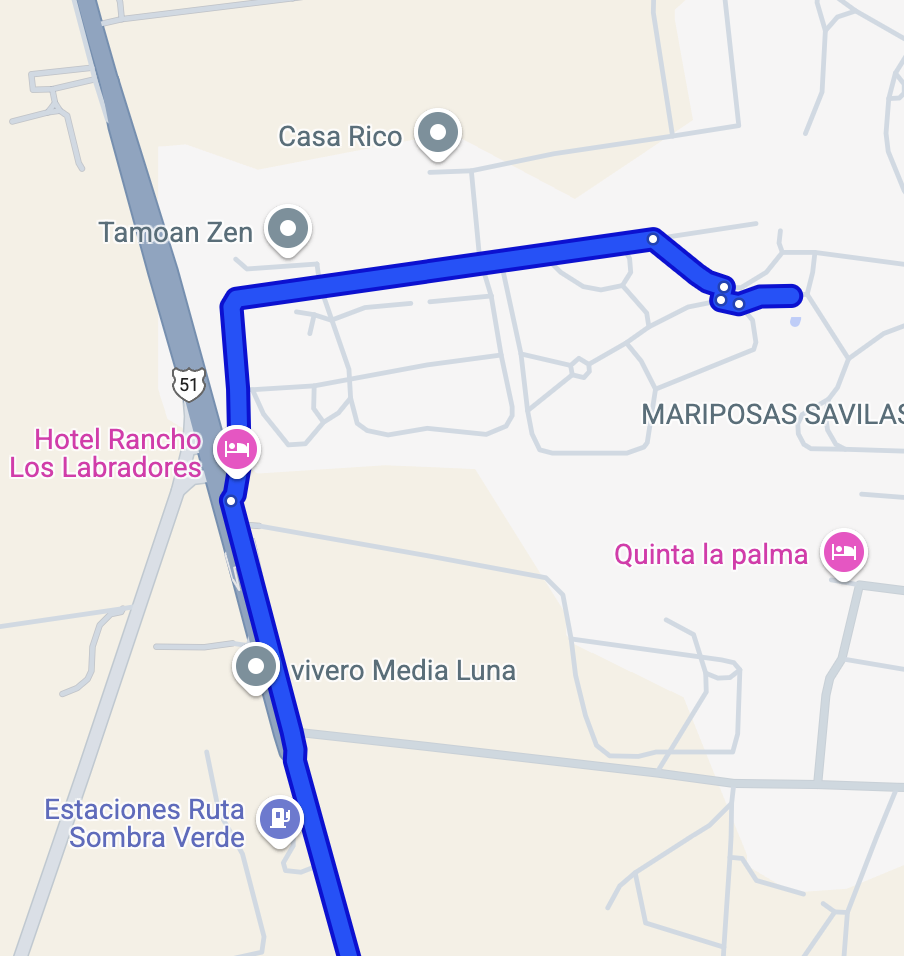
These two maps the location of Cielito Lindo / Rancho Los Labradores, 15 km north of San Miguel on Highway 51, just opposite the Atoltinilco exit.
|
|
|
|
|
|
|
Regards,
James
James Sims
Marketing and Sales
Cielto Lindo Senior Living
James@CielitoLindoSeniorLiving.Com
|
|
|
|
|
|
|
|