|
|
Subject:
Your Weekly Guide to Senior Living & Care in Mexico
Dear ,
Welcome to your weekly touchpoint from all of us at Cielito Lindo. Each edition brings together helpful insights, heartwarming stories, expert advice, and curated resources about senior living, retirement, and age-related care challenges—including Alzheimer’s, Parkinson’s, stroke, limited mobility, and more.
We understand that navigating this stage of life can be overwhelming, whether for yourself or a loved one. That’s why we're here—to offer guidance, support, and a glimpse into the enriching life many have found
here in beautiful San Miguel de Allende.
If you find this newsletter valuable, please forward it to a friend or family member who might also benefit. They can easily subscribe via our Newsletter page. And of course, if you ever wish to unsubscribe, there’s a quick opt-out link below at the bottom right corner of this newsletter.
Here’s what we typically cover each week:
- San
Miguel de Allende highlights – why this is such a special place to live
- Health & wellness insights – articles, videos, and expert reviews
- Care options & community life at Cielito Lindo – flexible, affordable living with a warm, human touch
This Week’s Theme: Ozempic, Diabetes, and the Alzheimer’s Connection
This week, we explore the growing intersection between metabolic health and brain health—spotlighting how GLP-1 drugs like Ozempic, originally developed for diabetes, are now being studied not just for weight loss, but also for their potential role in preventing Alzheimer’s disease and other chronic conditions.
|
|
|
|
|
| Weekly insights into San Miguel:
|
|
|
Colorful & Epicurean San Miguel
While much of what we discuss involves the challenges of aging
and caregiving, it's also important to celebrate the beauty that surrounds us. San Miguel de Allende is a feast for the senses—bursting with color, rich in culture, and renowned for its incredible food and art. It’s not just a place to live—it’s a place to thrive, to enjoy, and to heal.
|
|
|
|
|
The Colors of San Miguel: Storytelling Sky
No wonder San Miguel is famous for its rooftop
restaurants; look at that incredible evening sky!
And yet, what steals my breath isn’t just the sky — though on a night like this, it’s a cathedral of its own, brushed in indigo and burning apricot as if the heavens themselves had paused to gaze at the Parroquia’s spires in admiration. No, it’s the way the light holds the callejón like a secret.
The stone beneath your feet remembers centuries, worn smooth by countless souls, and still, it drinks in the last warmth of the day. Iron lanterns hum their golden glow, flickering softly against ochre walls that seem to deepen in color as the fading sun casts its light. Bougainvillea spills like wine from wrought-iron balconies. The air smells faintly of wood smoke, dust, and something sweet — maybe a panadería tucked just out of view or the memory of someone’s evening perfume.
In this hush between day and night, even the laughter
echoing down the lane feels reverent. Above it all, the Parroquia — impossibly dreamlike — rises not as a monument but as a companion to the dusk.
This is why rooftops matter here. Not for the view alone, but for the way they let you float with the twilight, heart open, sky spilling stories into your glass of mezcal. (Photo courtesy of Judith Jenya)
|
|
|
|
|
Restaurant: La Parada Address: Calle Recreo 94, San Miguel de Allende, 37700, Mexico Phone: +52 415 152 0473 Days and Hours: Wednesday to Monday: 12:00 PM –
9:00 PM Tuesday: Closed
Atmosphere: Housed in a beautifully restored colonial building, La Parada strikes a seamless balance between modern style and traditional charm. The vibrant courtyard, adorned with lush greenery and colorful accents, offers a relaxed al fresco setting, while the interior dining space provides a cozy, artful refuge—ideal for both casual meals and intimate dinners. Service: Service at La Parada is attentive yet unpretentious. The staff exudes warmth and efficiency, guiding guests through the menu with genuine enthusiasm and insight into the rich cultural heritage behind each dish.
Cuisine: La Parada is a celebration of authentic Peruvian cuisine, centered around fresh seafood, native Andean ingredients, and the bold, bright flavors that define Peru’s culinary identity. The menu is adventurous without being inaccessible, offering a well-curated selection of both traditional and contemporary dishes. Signature Dish: Ceviche La Parada—an exquisite medley of fresh fish marinated in leche de tigre, lime juice, and Andean spices—is the restaurant’s undisputed star. Its clean, vibrant flavors encapsulate the soul of Peruvian coastal cooking. Starters: - Ceviche Contracorriente: A playful and punchy twist on classic ceviche, featuring impeccably fresh fish and a citrus-forward marinade that awakens the palate.
- Pulpo al Olivo: Silky octopus paired with a bold, umami-rich black olive sauce—an elegant interplay of textures and taste.
Main Courses: - Chino Cochino: Tender, fall-off-the-bone pork ribs slow-braised to perfection, glazed with sweet soy and served with a nod to Peru’s Asian culinary influence.
- Arroz Afrodisíaco: A luscious seafood rice, brimming with shrimp, calamari, and mussels, elevated by aromatic herbs and just a hint of spice.
Desserts: - Pie de Limón: A zesty Peruvian-style lime pie with a creamy tart filling and crisp crust, striking a perfect sweet-sour balance.
- Mousse de Mango: Light, airy, and tropically refreshing—this dessert offers a smooth finish to an indulgent meal.
Wine and Cocktails: The beverage program at La Parada centers on the iconic Pisco Sour, a beautifully balanced cocktail of pisco, lime, egg white, and bitters. The wine list is thoughtfully curated to complement the bold, citrusy dishes, and the bartenders are adept at crafting inventive cocktails that mirror the menu's vibrancy.
Final Thoughts: La Parada is more than a restaurant—it's a passport to Peru, set in the heart of San Miguel de Allende. With its lively ambiance, exceptional cuisine, and heartfelt hospitality, it offers an unforgettable dining experience that appeals to both the adventurous and the traditional diner.
Cost: $$–$$$ (Moderate to Upscale)Rating:∗∗★★★★★(4.8/5stars)
|
|
|
|
|
Health, Caregiving & Life in Mexico
|
|
|
This section brings you thoughtful, relevant, and at times, even life-changing content to support your journey—whether you're exploring care options, supporting a loved one, or planning for your own future.
- Lead Article - Each week’s main feature is written just for you—diving into meaningful topics like extending healthspan, navigating diagnostics, or understanding the causes of Alzheimer’s and other dementias. We also occasionally explore the beauty and cultural richness of Mexico, including Pueblos Mágicos and the colorful life in San Miguel de Allende.
- Op Ed - A short editorial that reflects on the lead article’s themes, offering a personal or thought-provoking perspective.
- Caregiver’s Sentiment - A heartfelt quote or reflection honoring the emotional depth of caregiving—because your feelings and efforts matter.
- Videos - Two or three curated videos that align with the week’s theme, featuring summaries and timestamped highlights to make them easy to explore.
- Book Reviews - One or two handpicked books to deepen your understanding, lift your spirits, or simply remind you that you’re not alone.
|
|
|
|
|
The Role of GLP-1 Drugs in Managing Type 2 Diabetes, Obesity and Dementia
Once a niche medication for managing type 2 diabetes, Ozempic has rapidly become a cultural phenomenon—celebrated for dramatic weight loss, criticized for contributing to drug shortages, and now attracting attention for a far more audacious possibility: could it help prevent Alzheimer’s disease? As media buzz collides with pharmaceutical marketing and genuine scientific curiosity, it’s worth asking: how much of this excitement is backed by evidence?
At the heart of the conversation are glucagon-like peptide-1 (GLP-1) receptor agonists, a class of drugs that has fundamentally changed the treatment landscape for both diabetes and obesity. Semaglutide—sold as Ozempic—is among the most potent and promising. While its effectiveness in improving blood sugar control and reducing cardiovascular risk is well established, new research hints at broader effects, including potential neuroprotective benefits. This article examines the science, speculation, and reality behind one of the most widely discussed drugs in modern medicine.
Article Highlights- Ozempic (semaglutide) is a long-acting GLP-1 receptor agonist originally approved for type 2 diabetes and now widely used for weight management.
- It works by enhancing insulin secretion, suppressing
glucagon, and slowing gastric emptying, leading to better blood sugar control and reduced appetite.
- Substantial weight loss has been observed in both diabetic and non-diabetic populations, sometimes approaching outcomes seen with bariatric surgery.
- Ozempic has been shown to reduce the risk of major adverse cardiovascular events (MACE), including heart attack and stroke, in patients with diabetes and established heart disease.
- Common side effects include nausea, vomiting, diarrhea, and constipation—often transient. Rare but serious risks include pancreatitis and thyroid tumors.
- The drug is contraindicated in patients with a history of medullary thyroid carcinoma or multiple endocrine neoplasia syndrome type 2.
- Growing off-label demand for cosmetic weight loss has led to global supply shortages, raising ethical concerns about access for diabetic patients.
- GLP-1 drugs like Ozempic may have anti-inflammatory effects, potentially reducing markers like C-reactive protein (CRP) and pro-inflammatory cytokines.
- Chronic inflammation and insulin resistance—common in type 2 diabetes—are also risk factors for Alzheimer’s
disease, suggesting a possible connection.
- Preclinical studies in animals show promising reductions in amyloid plaques and tau pathology with GLP-1 agonists.
- However, human trials directly linking Ozempic to reduced Alzheimer’s risk remain limited, and no conclusive evidence currently supports its use for cognitive protection.
- Despite media headlines, Ozempic should be viewed as a metabolic therapy, not a confirmed treatment or preventative for dementia.
- The broader implications of GLP-1 drugs in neurodegeneration, inflammation, and aging are under investigation, with several clinical trials underway.
- Clinicians and patients should remain cautiously optimistic but grounded in evidence, especially when interpreting claims beyond approved indications.
- Bottom line: Ozempic is a powerful and effective tool for metabolic disease—but its cognitive benefits, if they exist, are still speculative and unproven.
You can read the complete article here and select others from our collection of 70+ articles on our site.
|
|
|
|
|
Caregiver's Sentiment: Finally Freeing Love to Perhaps Once Again Shine
There is a profound grace that comes at the end of a long and difficult goodbye, such as the one brought on by dementia. The journey of caregiving and loving through this illness is filled with heartbreak: the quiet erosion of shared memories, the struggle to bridge an ever-widening gap, and the bittersweet hope that they might, for even a fleeting moment, recognize you again. But when the goodbye is complete, there is a release—not just for the one who has endured the illness, but also for those who have carried the weight of love through it all. Mercy arrives in this moment, offering peace where pain once lived, and transforming grief into something
softer, more reflective.
It is in this space, after the storm of loss, that love is able to shine again, no longer obscured by the suffering that preceded it. The memories of who they were before the illness return with greater clarity. You begin to hold their essence—the best parts of them—closer to your heart. The pain of watching them fade no longer clouds the love you feel. Instead, that love becomes a steady light, a reminder of all the moments that mattered, all the bonds that could never be broken. Mercy doesn't erase the sadness, but it allows you to release the heaviness of the struggle, leaving behind a sense of gratitude for the love that endures.
|
|
|
|
|
Ozempic May Be a Miracle Drug—But for Whom, and at What Cost?May 29, 2025 | James Sims, Editor, www.cielitolindoseniorliving.com
In just a few years, Ozempic has gone from an obscure diabetes treatment to a symbol of medical hope, celebrity obsession, and scientific intrigue. Originally developed to manage blood sugar in people with type 2 diabetes, this GLP-1 receptor agonist is now being used off-label for weight loss, eyed as a possible treatment for addiction, and—perhaps most surprisingly—studied for its potential to prevent Alzheimer’s disease.
If it sounds like a miracle drug, that’s because it might be. But the story isn’t that simple. While Ozempic’s reach is expanding rapidly, so are concerns about
equity, evidence, and ethics.
Let’s start with what we know. Semaglutide, the active ingredient in Ozempic, mimics a hormone that regulates insulin and appetite. The results have been dramatic: in people with type 2 diabetes, it not only improves glycemic control but also reduces the risk of heart attacks and strokes. For individuals struggling with obesity, it can produce weight loss comparable to that seen with bariatric surgery—a game-changer in a country where nearly 42% of adults are classified as obese.
These outcomes alone make Ozempic a major medical breakthrough. But its popularity has come at a price. Soaring demand, driven in part by off-label use for weight loss in people without diabetes or obesity, has led to drug shortages. Diabetics who rely on the medication to manage a life-threatening condition now face delays or rationing. Meanwhile, influencers on social media tout it as a “skinny
shot,” reducing a complex medication to a cosmetic fix.
That tension—between genuine need and market-driven desire—has only deepened as researchers explore whether Ozempic might also protect against neurodegenerative diseases. Early animal studies suggest it could reduce amyloid plaques and inflammation in the brain, two hallmarks of Alzheimer’s. Some small human trials are underway, and there are biologically plausible reasons to believe GLP-1 drugs might influence cognitive health. After all, diabetes and Alzheimer’s share metabolic roots, including chronic inflammation and insulin resistance.
But here’s the key: these ideas are still speculative. No large, long-term clinical trials have confirmed that semaglutide prevents or slows Alzheimer’s in humans. Yet headlines have already begun to leap ahead of the science, feeding public enthusiasm—and potentially, false hope.
When a promising treatment gets recast as a panacea before the data are in, patients can suffer. Families desperate for a breakthrough may place their trust—and their money—in therapies that haven’t been proven effective for the conditions they’re facing. The hype can also skew funding priorities, siphoning attention from other interventions that have stronger evidence but less buzz.
Then there’s the matter of access. At over $1,000 per month, Ozempic is unaffordable for many without robust insurance coverage. And while public discourse centers on its potential for weight loss and Alzheimer’s prevention, patients in low-income, Black, and Latino communities—those most affected by diabetes and obesity—often can’t get the drug for its approved uses, let alone experimental ones.
So yes, Ozempic could be
a miracle drug. But right now, it’s a miracle with barriers and open questions.
Some argue that innovation should be unburdened by these debates—that we should celebrate the medical possibilities without worrying about distribution or messaging. But medicine doesn’t exist in a vacuum. A drug’s impact depends not only on what it can do in the lab but on how it’s made available, who can access it, and how it's discussed in the public sphere.
We should absolutely pursue the full potential of GLP-1 drugs. Their promise is real. But we must do so with clarity about what’s been proven and what hasn’t, with vigilance against premature hype, and with policies that ensure equitable access. Otherwise, we risk turning a scientific advance into another example of medical inequality. In fact, we are already there.
|
|
|
|
|
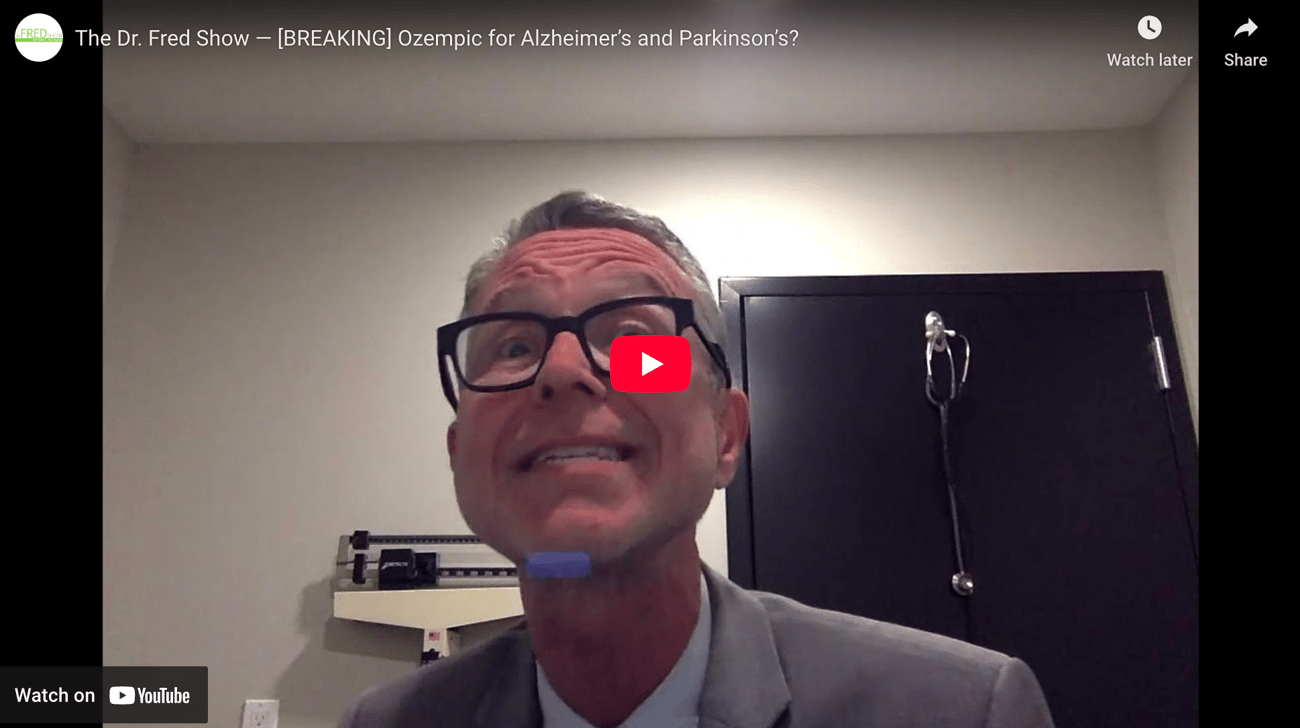
Video: The Dr. Fred Show — [BREAKING] Ozempic for Alzheimer’s and Parkinson’s?
The video discusses the potential use of diabetes medications, like Ozempic, for neurodegenerative disorders such as Alzheimer’s and Parkinson’s. These medications can address
aspects of the metabolic system linked to brain diseases. Dr. Fred emphasizes the importance of controlling blood sugar and reducing inflammation to slow disease progression. Exploring new treatment options for neurological disorders is crucial, with a focus on improving the quality of life for the aging population. Leading a healthy lifestyle, including a balanced diet, regular exercise, and quality sleep, is highlighted as the best defense against various diseases. The research on using existing drugs for neurodegenerative diseases shows promise, offering hope for significant advancements in treatment.
View the video here.
Highlights:
0:00 – Diabetes medications studied for neurodegenerative disorders.
0:17 – Link between diabetes medications and brain diseases like Alzheimer’s and Parkinson’s.
0:33 – Importance of controlling blood sugar to slow progression of diseases.
0:45 – Dr. Fred discusses chronic inflammation and excess sugar effects on the body.
0:59 – Need to explore new ways to treat neurological disorders.
1:06 – Potential big payoff if drugs like Ozempic are effective for neurodegenerative diseases.
1:18 – Leading a healthy lifestyle as the best defense against diseases.
|
|
|
|
|
Video: Ozempic, Wegovy trials show positive results for Dementia, alcohol addiction
Dr. Scott Gottlieb discusses trials of drugs like Ozempic and Wegovy for Alzheimer’s and their potential broader effects on inflammation. Reduction in inflammation may impact weight loss and Alzheimer’s risk. The drugs could also potentially reduce addictive behaviors like alcoholism by affecting pleasure-seeking pathways in the brain. Patients may experience an adjustment period with side effects like nausea and fullness, contributing to initial weight loss. Animal studies indicate these drugs may reduce addictive behaviors in rats addicted to substances like cocaine and opioids. Further research is ongoing to explore the drugs’ impact on various addictive behaviors.
Highlights:0:27 – Drugs being looked at for Alzheimer’s and broader effects on inflammation1:10 – Reduction in inflammation’s impact on weight loss and Alzheimer’s2:33 – Drugs potentially impacting addictive behaviors like alcoholism3:00 – Mechanism of drugs on reducing addictive behaviors3:19 – Adjustment period and side effects of the drugs4:01 – Initial side effects contributing to weight loss4:44 – Animal studies suggesting drugs reduce addictive behaviors
|
|
|
|
|
Video: Ozempic as Alzheimer’s treatment? Research underway | Elizabeth Vargas Reports
The video discusses ongoing clinical trials testing the diabetes drug Ozempic for its potential to help early onset Alzheimer’s patients. Ozempic, known for weight loss and diabetes treatment, has shown promise in reducing amyloid plaques and cognitive decline in Alzheimer’s. Its anti-inflammatory properties may play a role in preventing plaque buildup in the brain. While there is no current Alzheimer’s treatment, ozempic’s multi-beneficial properties make it an exciting prospect. Trials are currently focused on mild Alzheimer’s cases, with hopes for broader applications in the future. Long-term effects and results from studies are still pending, offering hope for a significant breakthrough in Alzheimer’s treatment.
Highlights:0:00 – Two clinical trials are underway to test if ozempic could help people with early onset Alzheimer’s.0:12 – Researchers believe ozempic could benefit diseases like Alzheimer’s due to its properties.0:31 – Ozempic has shown potential in treating diabetes, heart disease, addiction, and now
Alzheimer’s.1:00 – Ozempic has been in development for two decades and has shown positive results in small human trials.1:26 – Early signs indicate ozempic reduces amyloid plaques and cognitive decline in Alzheimer’s patients.2:38 – Diabetes contributes to dementia, and ozempic’s anti-inflammatory properties may help prevent plaques in the brain.3:08 – Currently, there is no treatment for Alzheimer’s, making ozempic’s potential impact significant.3:30 – Trials for ozempic in Alzheimer’s are focused on mild stages, with potential for broader applications in the future.4:00 – The long-term effects of ozempic on Alzheimer’s patients are still being studied.5:00 – More results from studies on ozempic’s impact on Alzheimer’s are expected in the coming
years.
|
|
|
|
|
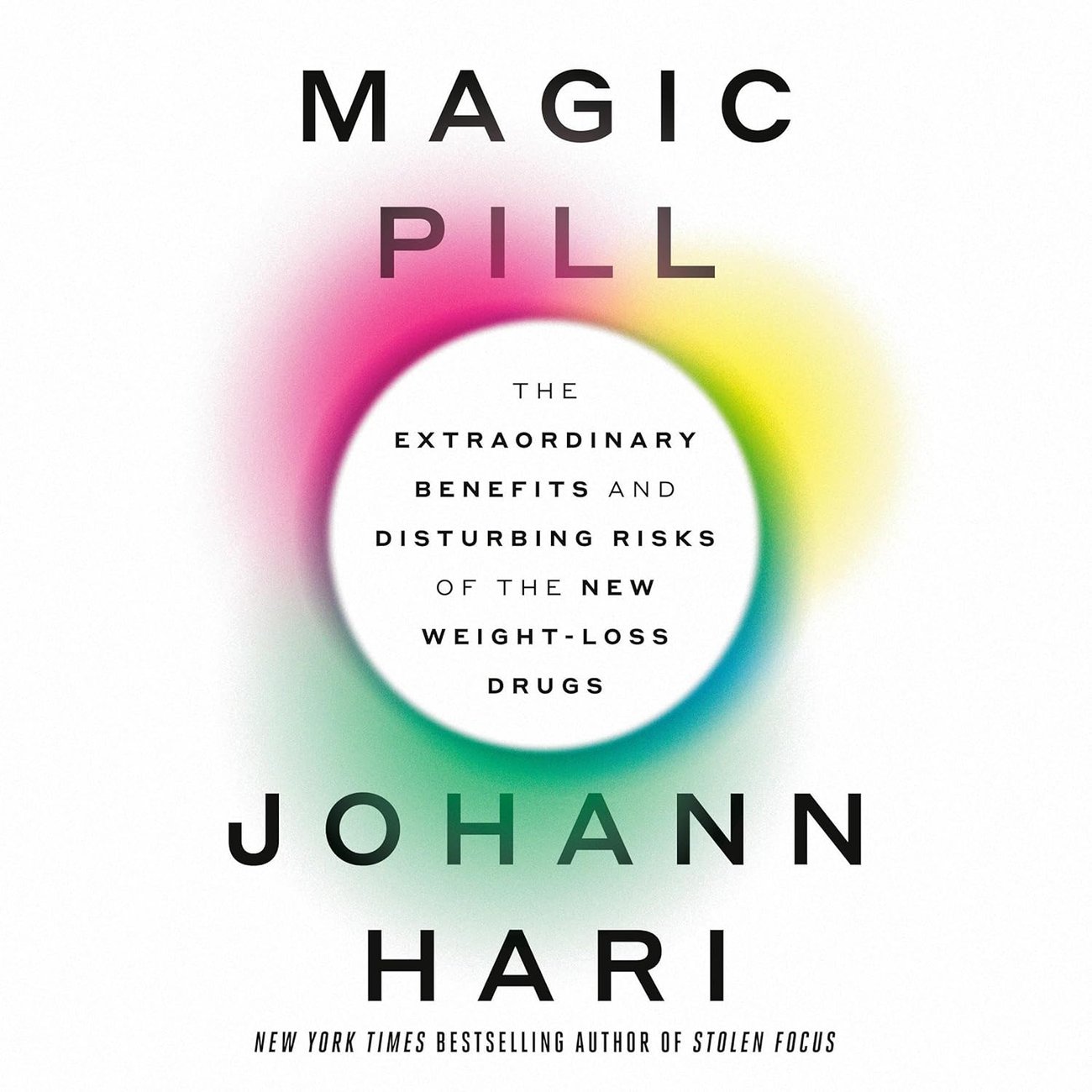
Magic Pill: The Extraordinary Benefits and Disturbing Risks of the New Weight-Loss Drugs by Johann Hari
Overview
In Magic Pill, Johann Hari—author of Lost Connections and Stolen Focus—turns his investigative lens on the revolutionary yet controversial class of GLP-1 weight-loss drugs like Ozempic and Wegovy. Drawing on personal experience and wide-ranging interviews, Hari presents a comprehensive and urgent examination of what may be the biggest medical and cultural shift in weight management in a generation. Particularly relevant to seniors and caregivers, this book explores
not only the physical effects of these drugs, but also their emotional, psychological, and societal implications—touching on aging, chronic illness, and emerging research into Alzheimer’s treatment.
Synopsis Beginning with his own journey on Ozempic, Hari describes how a weekly injection led to dramatic weight loss—and even more dramatic questions. His curiosity takes him across the globe, interviewing experts and patients to explore how these medications work, what risks they carry, and what they mean for how we understand obesity. The book outlines the scientific mechanism of GLP-1 drugs, their effects on appetite and metabolism, and the lifestyle shifts they enable.
But Hari also digs into deeper societal issues: the shame around body image, the role of willpower in weight loss, and how these drugs might upend long-held beliefs about health, aging, and personal responsibility.
Key Themes
- Scientific Breakthrough and Personal Impact: Hari’s personal use of Ozempic adds
a relatable human layer to the medical discussion, especially compelling for older readers facing similar choices.
- Medical Promise vs. Ethical Risk: The drugs offer relief from chronic conditions linked to obesity, such as diabetes and cardiovascular disease, yet they come with at least a dozen documented risks—from pancreatitis to psychological side effects.
- Alzheimer’s Research: Particularly compelling is the emerging evidence that GLP-1 drugs may reduce amyloid
plaques in the brain, offering a potential breakthrough in Alzheimer’s prevention—a high-stakes topic for aging populations.
- Social and Cultural Critique: Hari challenges the stigma around obesity, reevaluating narratives of shame and personal failure. He asks whether reliance on pharmaceuticals is a societal fix or another layer of avoidance.
- Aging and Autonomy: For seniors managing multiple chronic conditions, these drugs represent both hope and a complex new set of
decisions. Hari emphasizes informed consent and long-term awareness.
Writing Style Johann Hari’s trademark style—engaging, inquisitive, and emotionally transparent—is on full display. He blends memoir, investigative journalism, and cultural critique in a format that feels intimate and accessible. As the narrator of the audiobook, Hari brings authenticity to the listening experience, allowing his passion and skepticism to resonate with the audience. His tone is neither alarmist nor blindly optimistic, but deeply human.
Conclusion
Magic Pill is not just about a pharmaceutical revolution—it’s about a reckoning. Johann Hari provides a nuanced and thoughtful exploration of drugs that could reshape everything from public health to personal identity. For older readers, especially those managing weight, chronic illness, or dementia risk, this book offers critical insights into the benefits and uncertainties of a new medical frontier. It will resonate with anyone questioning whether this "magic" is real—and at what cost it comes.
Rating: ★★★★★ (5/5 stars) A vital, timely, and emotionally resonant guide to one of the most consequential medical trends of our time—especially impactful for seniors, caregivers, and healthcare professionals.
Additional Resources Cielito Lindo Offers
We have curated collections of resources that may be useful.
Articles - We write fresh articles about senior living, health, care, and finances every week
Caregiver Books
- We review books related to caregiving methods, logistics, challenges, and coping
Senior Health - We review books related to healthspan, lifespan, and disease
We also have 1,600+ other senior care and expat in Mexico videos: YouTube
|
|
|
|
|
| Cielito Lindo's basic information is included for your convenience:
|
|
|
- Cielito Lindo Info: After the signature, the newsletter always includes information about Cielito Lindo, so it is at your fingertips when you want it: Our costs, various related websites, social media channels like YouTube, our various addresses, and so on.
- Travel Info: Recommended airports and shuttles.
|
|
|
Web Sites - Cielito LIndo and Rancho Los Labradores
Here are our Web sites, including Cielito Lindo and Labradores Suites (hotel) all of which are part of the larger Rancho Los Labradores gated community just north of San Miguel de Allende.
- Cielito Lindo provides independent living, light assisted living, assisted living, memory care and hospice with 24*7 staffing along with a la carte assisted living services to those living in the villas and suites at Rancho Los Labradores.
- Rancho Los Labradores Suites offer short and long term residence.
- Rancho Los Labradores is a country club resort feeling CCRC that provides a gated community with countless amenities and opportunities for different levels of independent living along with assisted living and memory care within Cielito Lindo.
Cielito Lindo Living Options & Costs Guide
We offer several living options depending on the level of care you or your loved one needs. Here’s a breakdown to help you plan:
1) Villas (Rent or Own)
- Cost: $1,300 – $1,700 per month
- Additional Costs: Utilities, renter’s insurance, etc.
- What’s Included: This is mostly independent living.
- Extras: You can add independent or assisted living services (charged separately, à la carte).
- Support: We can connect you with a realtor if you'd like to purchase.
2) Cielito Lindo Condos & Suites
Best for: Independent living with optional assistance.
Option 1: Independent Living + Meals
- Cost: $2,250 per month
Includes:- 2 meals a day
- Monthly medical check-up
Optional Add-ons:- Meals for an additional person: $450/month
- Extra care services available à la carte
Option 2: Light-Assisted Living in Condos & Suites
- Cost: $3,900 per month
Includes:- Full assisted living services
- Designed for residents who still want independence but need some support
- Smooth transition to full Assisted Living or Memory Care as needs
change
- One-Time Inscription Fee: $4,000
For Couples:- $4,900/month for two people
- Same one-time fee ($4,000 per couple)
- Note: Suitability is based on cognitive ability, mobility, and safety.
3) Cielito Lindo Assisted Living, Memory Care, & Hospice
Best for: Seniors needing full-time care and supervision.
- Cost: $3,900 per month
Includes:- 24/7 care and monitoring
- All meals
- Physical therapy
- Full-time doctor on site
- Spacious private room with
bath
- One-Time Inscription Fee: $4,000
- For Couples: $4,900/month
4) Specialized Hospice Suite
Best for: Intensive care needs or end-of-life comfort and also recuperative at a far lower cost than a hospital- Cost: $4,900 per month
Includes:- Full 24/7 monitoring
- Recuperative, Palliative and hospice care
- On-site doctor
- All meals
- Special space for visiting
family
|
|
|
YouTube videos and Curated Playlists
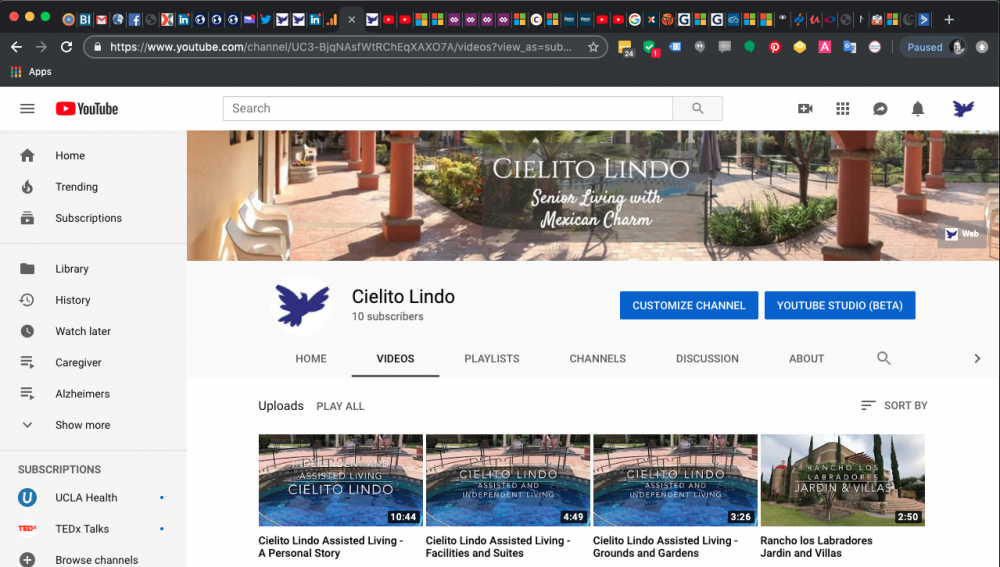
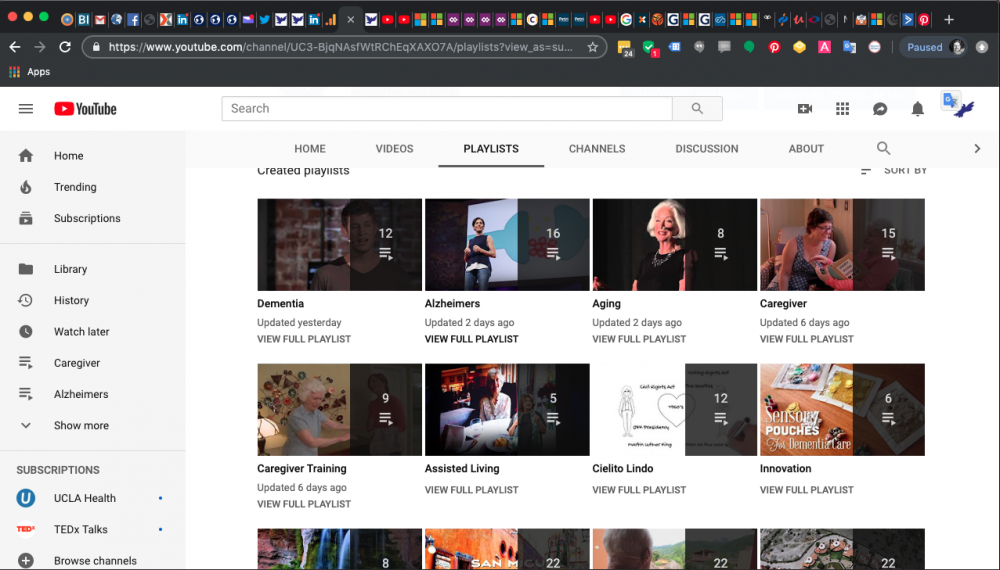
Here is our YouTube Channel. This is where we have lots of videos about Cielito Lindo and Rancho Los Labradores. We also have 1,600+ other senior care and expat in Mexico videos: YouTube |
|
|
|
|
Additionally, our playlists cover a wide area and include 1,200+ videos. These playlists include videos about San Miguel and Mexico in general, caregiving and health, and a broad spectrum of senior living topics. Playlists
|
|
|
|
|
Additional Resources We Offer
We have curated collections of resources that may be useful:
Articles - We write fresh articles about senior living, health, care, and finances every week
Caregiver
Books - We review books related to caregiving methods, logistics, challenges, and coping
Senior Health - We review books related to healthspan, lifespan, and disease
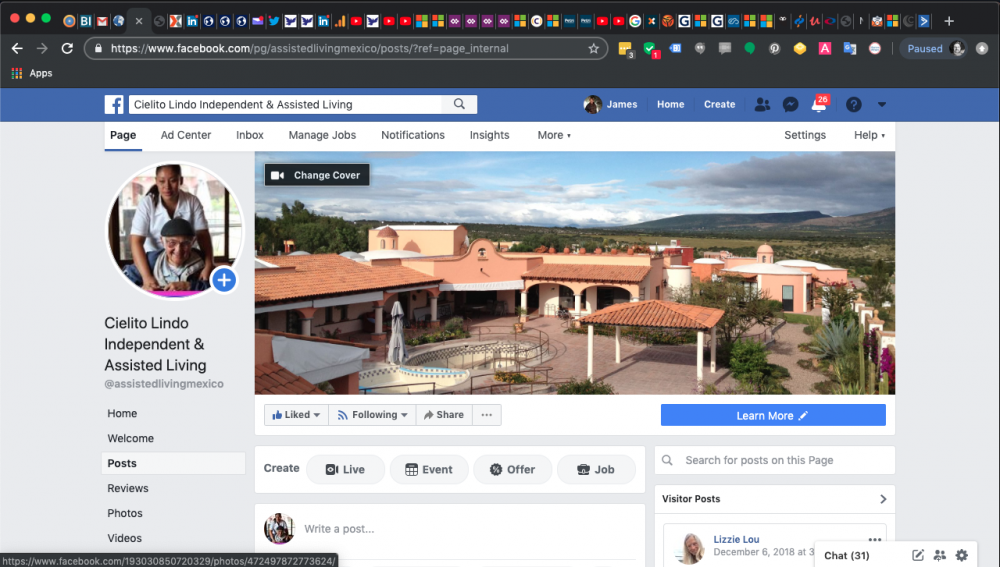
And here are our various social media forums, where we talk a lot about assisted living and memory care along with the various sort of challenges that sometimes come in our senior years (Alzheimer’s, Parkinson other dementias, and so on), but also about senior living in Mexico.
Facebook
|
|
|
|
|
|
|
|
|
|
|
|
|
|
|
|
|
|
|
Please don’t hesitate to contact me for anything related to senior living, especially in Mexico. I will gladly give you any assistance I can.
Thanks again!
James
James Sims
Marketing and Sales
Cielito Lindo Senior Living
1. 888.406.7990 (voice and text)
Phones:
English speaking:
1.888.406.7990 (in US & CDN)
00.1.881.406.7990 (in MX)
Spanish speaking:
011.52.415.101.0201 (in US & CDN)
1.415.101.0201 (in MX)
Expat Logistics:
Visas for Expats:
Sonia Diaz Mexico
Immigration
Pros MX
Tax Considerations for Expats:
Robert Hall Taxes
Best Bank:
Intercam Banco
Located in: Plaza De La Conspiración
Address: San Francisco 4, Zona Centro,
37700 San Miguel de Allende, Gto., Mexico
Hours: Open ⋅ Closes 4 PM
Phone: +52 415 154 6660
Addresses and Travel:
Physical address:
Cielito Lindo Independent and Assisted Living, Camino Real Los Labradores S/N, Rancho Viejo 1, San Miguel de Allende, GTO, Mexico, 37885
Packages from online providers like Amazon:
Camino Real Los Labradores, Rancho Los Labradores / Cielito Lindo, San Miguel de Allende, GTO, 37880 México
PO Box for letters and small envelopes:
Rancho Los Labradores / Cielito Lindo, c/o Alejandra Serrano ,
PMB N° 515-C, 220 N Zapata HWY N°11, Laredo TX, 78043-4464
Best airports to fly into: Leon (BJX) or Queretaro (QRO)
Best airport shuttle: BajioGo
Shuttle:
Shuttle between San Miguel and Cielito Lindo
|
|
|
|
|
|
Maps
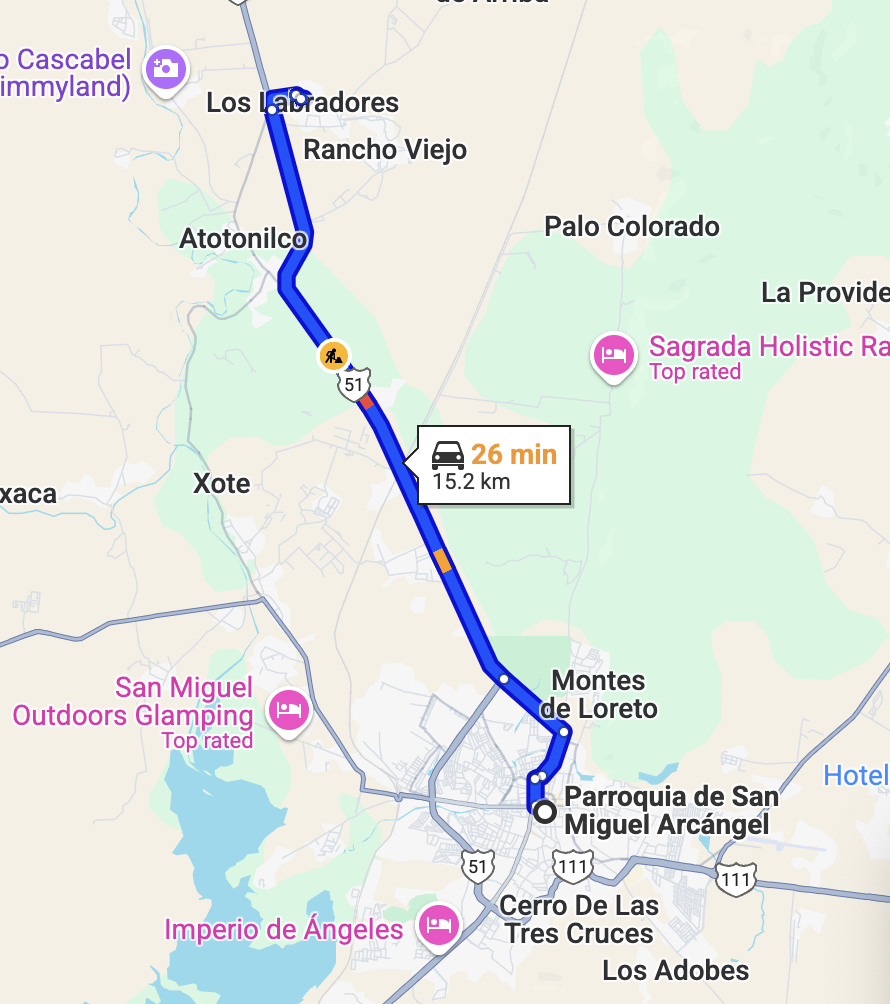
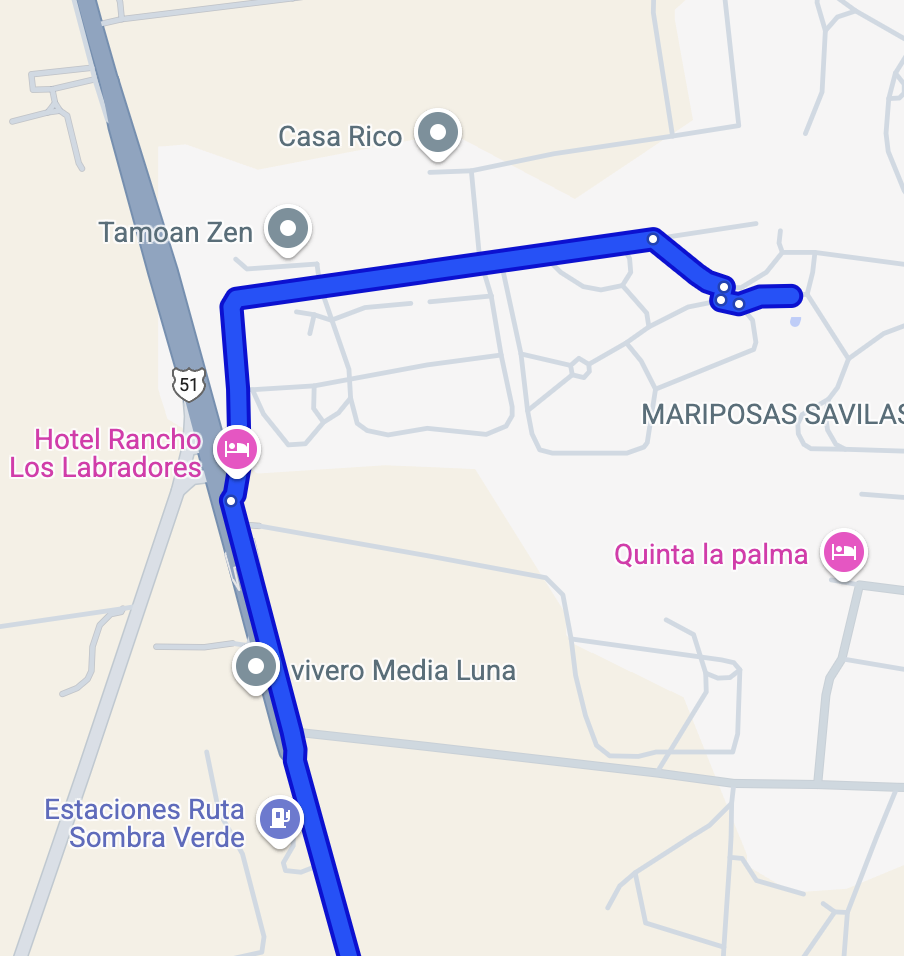
These two maps the location of Cielito Lindo / Rancho Los Labradores, 15 km north of San Miguel on Highway 51, just opposite the Atoltinilco exit.
|
|
|
|
|
|
|
Regards,
James
James Sims
Marketing and Sales
Cielto Lindo Senior Living
James@CielitoLindoSeniorLiving.Com
|
|
|
|
|
|
|
|