|
|
Dear ,
This is your weekly summary of our news, research, books, videos, and other resources related to senior living, retirement, and care in Mexico, along with independent and assisted living and information about age-related challenges (e.g., limited mobility, dementia, Alzheimer's, Parkinson's, ALS, stroke, multiple sclerosis, healthspan, and so on).
I hope you are finding this weekly newsletter helpful, and if you know of someone who may also find this information helpful, please forward it to them. They can subscribe using our Web Newsletter page (click here). If, for any reason, you do not wish to receive this weekly newsletter any longer, there is a simple 'Unsubscribe' or 'Opt Out' link at the bottom right corner of this newsletter and also right here: Unsubscribe
This weekly newsletter typically includes information in each of the following categories: San Miguel insights, senior care, and health information, as well as Cielito Lindo basic information.
Here’s what we typically cover each week:
- San Miguel de Allende highlights – why this is such a special place to live
- Health & wellness insights – articles, videos, and expert reviews
- Care options & community life at Cielito Lindo – flexible, affordable living with a warm, human touch
This Week’s Theme: The Unacknowledged Caregiver
This week, we explore grief and life after loss.
Holiday Message
|
|
|
|
|
| Weekly insights into San Miguel:
|
|
|
- Colorful and Epicurean San Miguel - This is such an amazing place,
particularly the food and the colors. Although we are addressing a topic that is stressful, challenging, and emotional, we should also acknowledge what an incredible place San Miguel is.
|
|
|
|
|
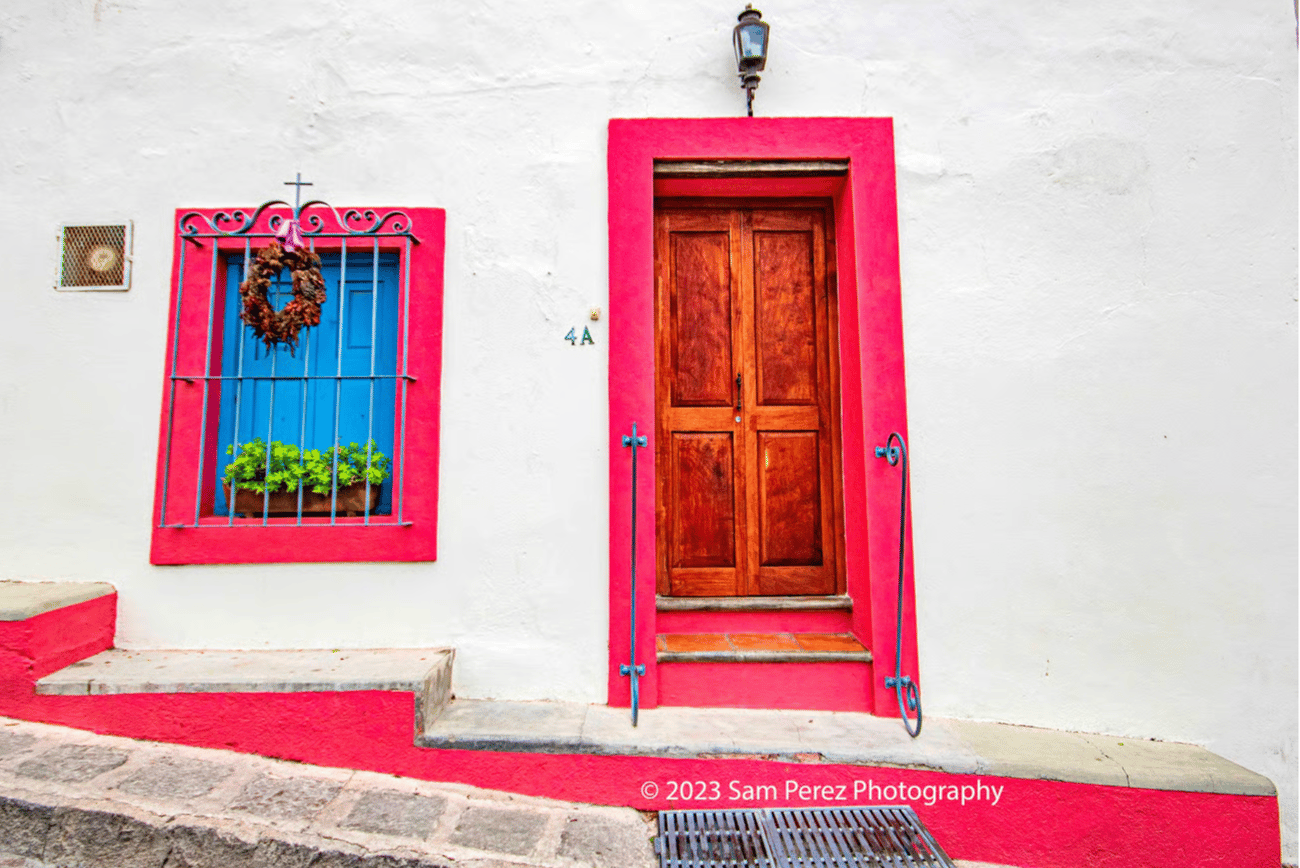
The Colors of San Miguel: ¡Qué Belleza!
Ahhh, this doorway — ¡qué belleza! — is the kind of vignette that stops you mid-step in San Miguel de Allende, where even the humblest façade tells a story with color, craftsmanship, and a touch of soul.
The deep magenta framing the door and window is so classically San Miguel. It’s that warm, saturated hue that catches the light just so — glowing under the sun at midday, and richening into wine tones by sunset. It’s a color that feels celebratory, and it somehow manages to pop and soothe at the same
time.
The wooden door — solid, aged, and lovingly polished — adds a grounded elegance. There’s a quiet nobility to it. Notice how it doesn't try too hard; it simply is. That’s the thing about San Miguel’s doors — they’re not just entrances, they’re statements. Or maybe secrets.
And the blue window with its cheerful planter box? That’s pure poetry. That blue — often seen in Otomí textiles and Talavera tiles — is like a nod to the sky above and the art that runs through this town's veins. And then there's the little wreath hanging from the iron bars — a seasonal whisper, maybe a holdover from Christmas or a gesture of spring. In San Miguel, doorways often reflect the heart of whoever lives behind them.
What really gets me is how this scene lives on a slope, which is so typically San Miguel. The cobbled incline adds movement, like the
house is leaning in, inviting you closer. That wrought-iron handrail? Functional, yes — but with just enough curve to feel like a flourish.
This is a doorway you remember. Not because it’s grand, but because it’s true. It’s a little snapshot of San Miguel magic — a town that wears its beauty in plain sight, and still manages to surprise you every single day. (Photo courtesy of SMA photographer, Sam Perez)
|
|
|
|
|
Tastes of San Miguel: Trazo 1810
Calle Hidalgo 8, Dentro del Rooftop del Hotel Casa 1810, San Miguel de Allende, Gto. 37700, México
+52 415 121 3506. Website
Days and Hours: Open daily until 10:30 PM (check website or call for brunch or lunch service times)
Atmosphere:
Perched atop Hotel Casa 1810 in the heart of San Miguel, Trazo 1810 offers one of the city's most spellbinding rooftop settings. The panoramic view of the illuminated Parroquia is nothing short of cinematic, especially at sunset. Inside, colonial elegance meets minimalist modernity: soft ambient lighting, sleek lines, and curated design details foster an ambiance that is romantic, elevated, and quietly luxurious.
Service:
Graceful, intuitive, and discreetly attentive, the service at Trazo 1810 reflects high-end hospitality at its best. The staff move seamlessly between tables, offering
informed recommendations and anticipating needs with a natural warmth that never feels rehearsed.
Modern Mediterranean cuisine with a confident Mexican identity. The chef crafts a seasonally inspired menu that embraces both global influence and local bounty. Each dish reflects a refined sensibility — visually stunning, texturally complex, and deeply flavorful. It's a cuisine of intention, where tradition and innovation meet.
Signature Dish:
Beef Wellington con Foie Gras y Salsa de Trufa Negra — a decadent homage to classic technique, elevated with rich Mexican
undertones. Wrapped in a golden, flaky pastry, the beef is tender and juicy, perfectly complemented by the earthy depth of the truffle sauce and the silken foie gras.
Starters:
Elegant beginnings include the Ceviche de Kampachi con Leche
de Tigre y Mango — a vibrant, tropical play of acidity and sweetness — and a luscious Burrata con Tomate Confitado y Albahaca, where creaminess meets the sun-kissed intensity of confit tomatoes and fresh basil. Each plate is balanced, inventive, and distinctly rooted in the local terroir.
Main Courses:
Rotating offerings showcase thoughtful pairings like Pulpo a la Parrilla sobre Couscous de Hierbas, tender and smoky with a fresh herbal lift, or Risotto de Betabel con Queso de Cabra, where the earthiness of beet meets the tang of goat cheese in a velvet-textured dish. Proteins are executed with precision, and sauces show a masterful restraint.
Desserts:
Artfully composed finales such as the Cremoso de Chocolate con Avellana y Sal de Mar deliver deep, satisfying flavor with a refined touch. The Tarta de Limón con Merengue Italiano is a zesty, cloud-like beauty — airy, balanced, and utterly delightful.
Wine and Cocktails:
The wine list champions boutique Mexican vintners, particularly from Valle de Guadalupe, and is thoughtfully curated to pair with the menu's flavor architecture. Craft cocktails lean botanical and aromatic — try the Lavender Gin Tonic for floral sophistication, or the Smoked Mezcal Old Fashioned for a deeper, more
contemplative sip.
Final Thoughts:
Trazo 1810 isn’t just a meal — it’s an experience. Whether you're seeking a romantic rooftop dinner, a stylish night out, or an introduction to contemporary Mexican fine dining, this is a must-visit spot in San Miguel. The synergy between ambiance, service, and gastronomy makes Trazo 1810 one of the city’s crown jewels.
Cost: $$$$ (4
out of 5 dollar signs)
Rating: ⭐⭐⭐⭐⭐ (5 stars)
|
|
|
|
|
| Information related to Mexico, senior care and health:
|
|
|
- Lead article - These are articles specifically written for you each week. They address a wide range of
relevant topics, such as factors that can increase your health and lifespan, diagnostics, understanding causal factors for Alzheimer's and other dementias, and so on. The lead article typically sets the tone for the core content of the newsletter (videos and book reviews). On occasion, the focus may be centered on Mexico, Pueblos Magicos, and San Miguel de Allende.
- Caregiver's Sentiment
- This quote typically honors what we, as caregivers, are going through and feeling.
- Caregiver's Affirmation - This affirmation bolsters our self care, our image or ourselves on this journey and our ability to endure.
- Videos - Typically, three videos are related to the lead article, and they include a summary and timestamped highlights.
- Book Review - Typically related to the lead article.
|
|
|
|
|
Op-Ed: We Don’t Move On From Grief — We Move Through It
For fourteen years, I was my wife’s caregiver.
It began with subtle signs—moments we brushed off at first. A name forgotten, a sentence trailing off, the sense that something was… different. When the diagnosis came, it changed everything. Not just her future, but mine too. Our lives, once full of ordinary joys and shared plans, slowly shifted into something quieter, more fragile, but also—paradoxically—more profound.
That’s the part people don’t often understand about caregiving. It’s not just an act of responsibility. It’s an act of love—daily, often invisible, sometimes back-breaking, and always intimate. You grieve while you give care. You grieve the life you once shared, the person they used to be, the pieces of
yourself you slowly set aside.
And then, one day, they’re gone.
When my wife died, I expected grief. But what I hadn’t anticipated
was how disoriented I would feel. Not just emotionally, but existentially. For so long, I had structured my life around her needs—our routines, our conversations, our quiet moments. With her death, I not only lost her, I lost us. I lost who I had become beside her.
And yet, almost immediately, the world began offering me well-intentioned scripts: “It’s time to move on.” “You’ll find a new chapter.” “She’d want you to be happy.”
They meant well. But none of those phrases fit the shape of my experience.
Because I didn’t want to move on. That implies leaving her behind. That somehow, love has an expiration date.
I have come to believe something else entirely: we don’t move on from grief—we move through it.
Grief doesn’t end the day after the funeral, or after the estate is settled, or even after a year has passed. For caregivers, it’s not a moment—it’s a marathon. It begins long before death and continues long after. And it changes you. Not just in how you feel, but in who you are.
I am not the same person I was before those 14 years. I am more tender in some ways, more tired in others. I carry a deeper understanding of vulnerability and of love. I know what it means to sit beside someone as they fade—and to love them more fiercely for it. That experience reshaped me. And it reshaped what came after.
Yes, I have found joy again. I have built a new life. I have opened myself to love. But not by erasing the past. My new life doesn’t exist despite my wife’s memory—it exists because of it. Because of how she shaped me. Because of what we endured together. Because I carry her with me, in quiet ways, every single day.
Sometimes she is in a smell, a phrase, a flash of sunlight through a window. Sometimes she is in the way I comfort others, or in the music I choose to play. She is not gone—not entirely. She lives in me, not haunting, but holding.
This is the part of grief that our culture struggles to make room for: the long arc. The permanent change. The fact that some losses don’t “heal” the way we expect—they transform. You don’t go back to who you were. You become someone else.
We need a new language for this kind of grief. Especially for those who’ve walked the long, quiet road of caregiving. It’s
not about closure. It’s not about moving on. It’s about integration. Taking the love and the loss and making them part of your foundation.
So when someone says, “You’ve recovered so well,” I gently correct them: “I didn’t recover. I was changed.”
And in that change, there is room for newness. There is even room for joy. But not the same joy as before. A different joy—one that knows sorrow. One that honors what came before.
Grief, after all, is not the price of love. It’s the continuation of it.
You can access the article here. Additionally, we have 100's of senior health and care-related articles (over 600,000 words) which can be found here.
|
|
|
|
|
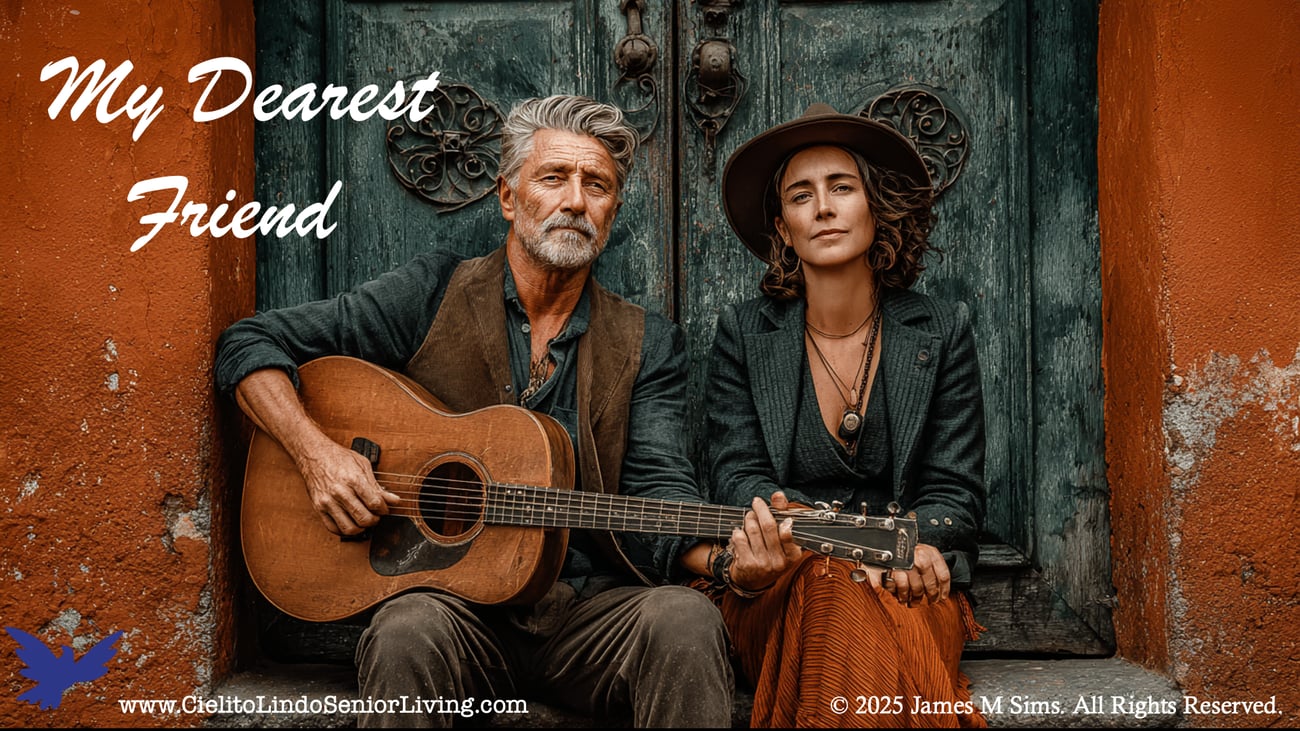
I’m sharing this song because it comes from
a very personal place in my life. I wrote My Dearest Friend during a long and difficult chapter, one shaped by love, loss, and the quiet realities of caregiving. My hope is simply that some of you may recognize a piece of your own story in it, and feel understood in ways that words alone sometimes cannot.
Music - My Dearest Friend
“My Dearest Friend” was born from my own journey after my wife was diagnosed with early-onset Alzheimer’s at just 47. For fourteen years, we walked the long road together — through fear, grief, and the slow unraveling of memory.
It is about the weight of opening up to that grief, the fear that once you start crying,
you may never stop, and the heartbreak of losing the “us” that once was, even while love still remains.
It is both a lament and a promise — to walk beside her until the end, holding on to what we shared.
Here is the song on YouTube, and find it here on Spotify. as well as 20+ other music streaming services.
Track Info
Key: G major
Tempo: Slow waltz (3/4, ~65 bpm)
Genre/Style: Folk Ballad Gentle fingerpicked acoustic, subtle fiddle/mandolin fills, male + female duet
Lyrics
[Verse 1]
I see the light fade with tears in your eyes,
Memories fly away like water on sand.
I want to hold you here, but time is not so kind, The road we walk, I cannot understand.
[Verse 2]
I keep my heart wrapped tight, afraid to let it break,
For every tear could drown me where I stand.
If I begin to weep, I fear I’ll never stop, A flood of sorrow I can’t command.
[Chorus]
Oh, the long goodbye, it steals us day by day,
A slow unravelling, the threads all fall away.
I’ll hold your hand through shadows, even as you fade, But I’m grieving for the “us” we made.
[Verse 3]
Male: Your laughter’s ghost still lingers in the room.
Female: I sing our song though you don’t know the tune.
Male: I want to rage against the cruel night’s design.
Female: Yet all I can do is whisper, you are mine.
[Chorus]
Oh, the long goodbye, it steals us day by day,
A slow unravelling, the threads all fall away.
I’ll hold your hand through shadows, even as you fade, But I’m grieving for the “us” we made.
[Bridge]
If love is stronger than forgetting,
If hearts remember past the end,
Then let my sorrow be the witness— You were my home, my dearest friend.
[Final Chorus]
Oh, the long goodbye, it steals us day by day,
A slow unravelling, the threads all fall away.
I’ll walk beside you gently, though I know the cost, Forever loving through the love we’ve lost.
[Outro]
You were my home, my dearest friend. How can I face the impending end?
© 2025 James M. Sims and The Resilient Heart (ASCAP). Lyrics, music, arrangement, and production. All Rights Reserved.
|
|
|
|
|
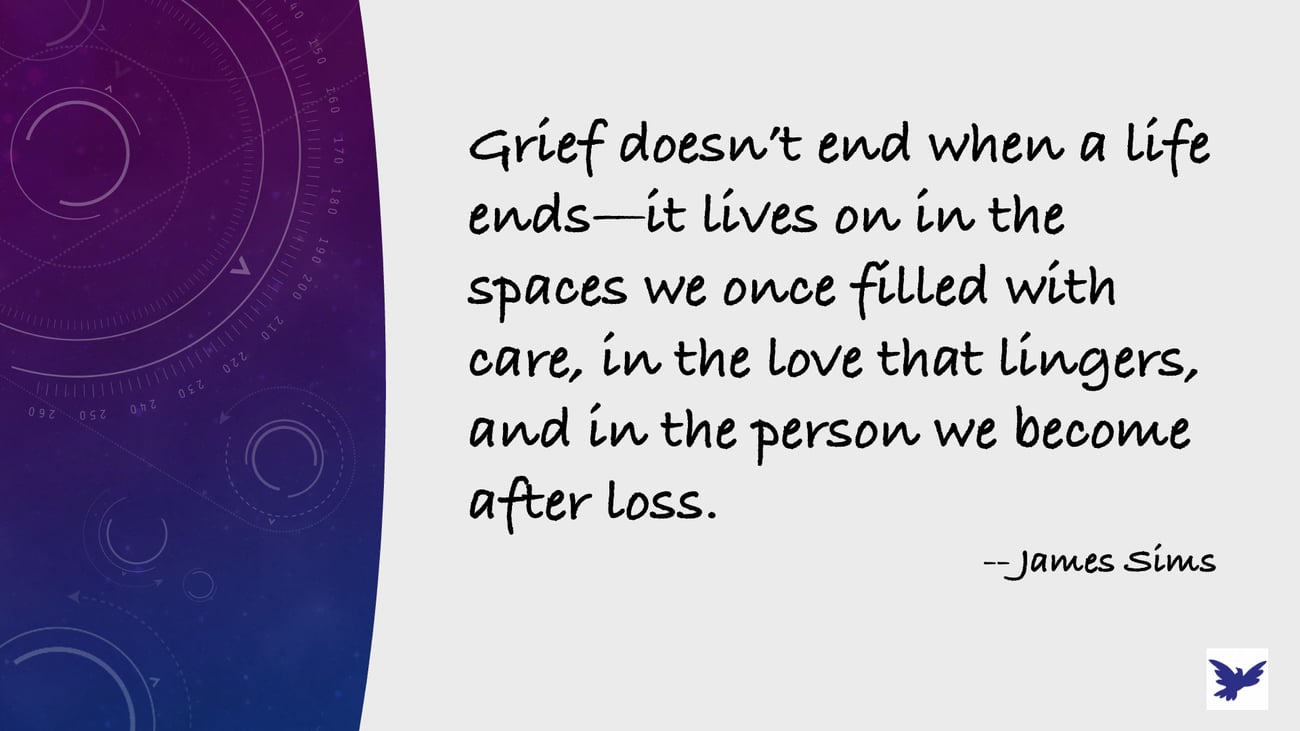
Caregiver's Sentiment: The Final Rewind
"Grief doesn’t end when a life ends—it lives on in the spaces we once filled with care, in the love that lingers, and in the person we become after loss."
When someone we’ve loved deeply dies—especially someone we’ve cared for day in and day out—their absence is not a single event. It echoes. It shows up in the daily rituals that no longer exist: the medications no longer organized, the meals no longer prepared, the silence where conversation used to live. These are the spaces once filled with care—the practical and emotional labor of love that formed the scaffolding of our lives.
But grief also lives on in something more enduring: the love that lingers. Love doesn't die with the person. It persists, quietly. In a favorite song, in a phrase they used to say, in the way we still reach for their hand in the dark. That love becomes less visible to the outside world, but no less real.
And perhaps most profoundly, grief takes root in the person we become after loss. We are changed—by the experience of caregiving, by the depth of our love, by the act of saying goodbye. We carry that transformation forward. We are, in a way, walking memorials—built from compassion, resilience, sorrow, and memory.
Grief is not a chapter that ends. It’s a presence that softens, evolves, and integrates. It becomes part of who we are—evidence that we lived and loved deeply.
|
|
|
|
|
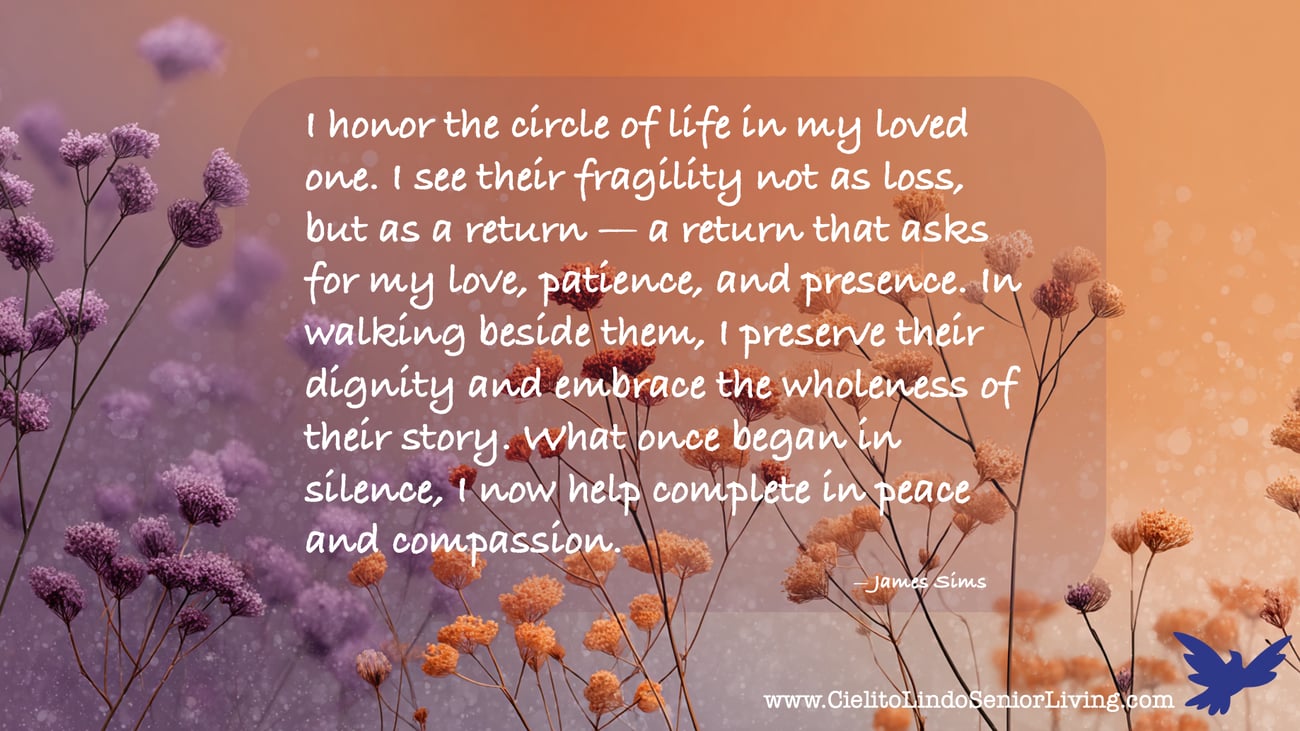
Caregiver Affirmation
This quote reflects a profound reframing of caregiving, aging, and loss, not as a descent into absence, but as a return to something deeply human and sacred.
When you say you honor the circle of life, you are acknowledging that vulnerability, dependence, and eventual decline are not failures of the human experience. They are natural chapters in the same story that once held strength, independence, and vitality. Rather than resisting this transition, you recognize it as a continuation of love’s work.
By seeing fragility not as loss, but as a return, you challenge the common narrative that equates
decline with disappearance. Instead, fragility becomes an invitation. An invitation to show up with patience, tenderness, and presence. The roles may reverse, the pace may slow, and words may fade, but the relationship itself does not vanish. It simply asks to be expressed differently.
The emphasis on love, patience, and presence speaks to caregiving as a form of devotion, not obligation. It is not about fixing what cannot be fixed, but about bearing witness, offering steadiness, and remaining emotionally available even when recognition or reciprocity is uncertain.
To preserve dignity is to see the whole person, not just their condition. It means honoring who they have been, who they are now, and the life they have lived. Dignity
is preserved through gentleness, respect, and remembering their story, even when they cannot.
When you say you embrace the wholeness of their story, you affirm that a person’s life is not defined by its ending, but by everything that came before it, the love they gave, the relationships they shaped, and the meaning they created.
Finally, the closing line speaks to completion, not in terms of closure, but in terms of peace. What began quietly, perhaps even painfully, now finds its resolution through compassion. Not through answers, but through presence.
This quote is, at its core, a declaration of love that transcends memory, independence, and even time itself. It honors caregiving as an act of grace, and vulnerability as a sacred chapter rather than a tragic one.
|
|
|
|
|
Video: Harnessing Spirituality And Gratitude For Better Blood Pressure Levels
The video discusses the significant issue of hypertension, a common cardiovascular disease often poorly managed. Dr. Maria Amelia presents her research on the effects of spirituality and gratitude on blood pressure control. The study highlights the importance of addressing not just medical treatments but also emotional and behavioral factors influencing hypertension. It evaluates a 12-week intervention that encourages participants to engage in practices centered around forgiveness, gratitude, and life purpose. The Brazilian Society of Cardiology recognizes the role of
spirituality in cardiovascular health, making strides in integrating these concepts into medical education and practice.
The video elaborates on the integration of emotional well-being into hypertension management. Dr. Maria Amelia emphasizes the potential of simple practices like gratitude and forgiveness to lower blood pressure. The study’s promising results suggest that such interventions could be a valuable addition to traditional medical approaches. Future research aims to expand these findings, possibly through a dedicated app, to enhance patient engagement and health outcomes. This innovative approach highlights the importance of addressing both physical and emotional health in managing chronic conditions.
View the video here.
Highlights:0:03 – Hypertension is a prevalent cardiovascular disease, often undiagnosed and inadequately controlled.1:25 – Dr. Maria Amelia discusses her research on spirituality’s impact on hypertension.2:15 – There is a gap in hypertension treatment despite known lifestyle habits and medications.3:37 – The field trial evaluates spirituality interventions on blood pressure control and endothelial function.4:40 – Central hemodynamics refers to measuring blood pressure in the aorta, providing crucial insights.6:00 – Endothelial function is essential for artery dilation and is affected by hypertension.9:23 – The study differentiates between spirituality and religiosity, focusing on moral and emotional values.10:32 – Spirituality is defined as values guiding thoughts and behaviors, suitable for scientific evaluation.12:07 – The Brazilian Society of Cardiology includes spirituality in cardiovascular medicine guidelines.13:10 – The study involved a simple 12-week intervention focusing on feelings like gratitude and forgiveness.14:27 – The study engaged patients by having them write messages.14:43 – Participants had stage one and stage two hypertension, already on medication.15:10 – Hypertension definitions in Brazil align with the American Heart Association.18:24 – Participants received daily WhatsApp messages to encourage engagement.19:00 – The study achieved a 7.6 mmHg reduction in systolic blood pressure without medication changes.22:01 – Simple daily
gratitude and forgiveness messages can improve health.23:28 – The intervention group showed a significant improvement in flow-mediated dilation.24:06 – Standard care in Brazil includes lifestyle modifications and medication.26:32 – Future research may involve a smartphone app for easier message delivery.29:22 – The research indicates positive feelings can help manage hypertension effectively.
|
|
|
|
|
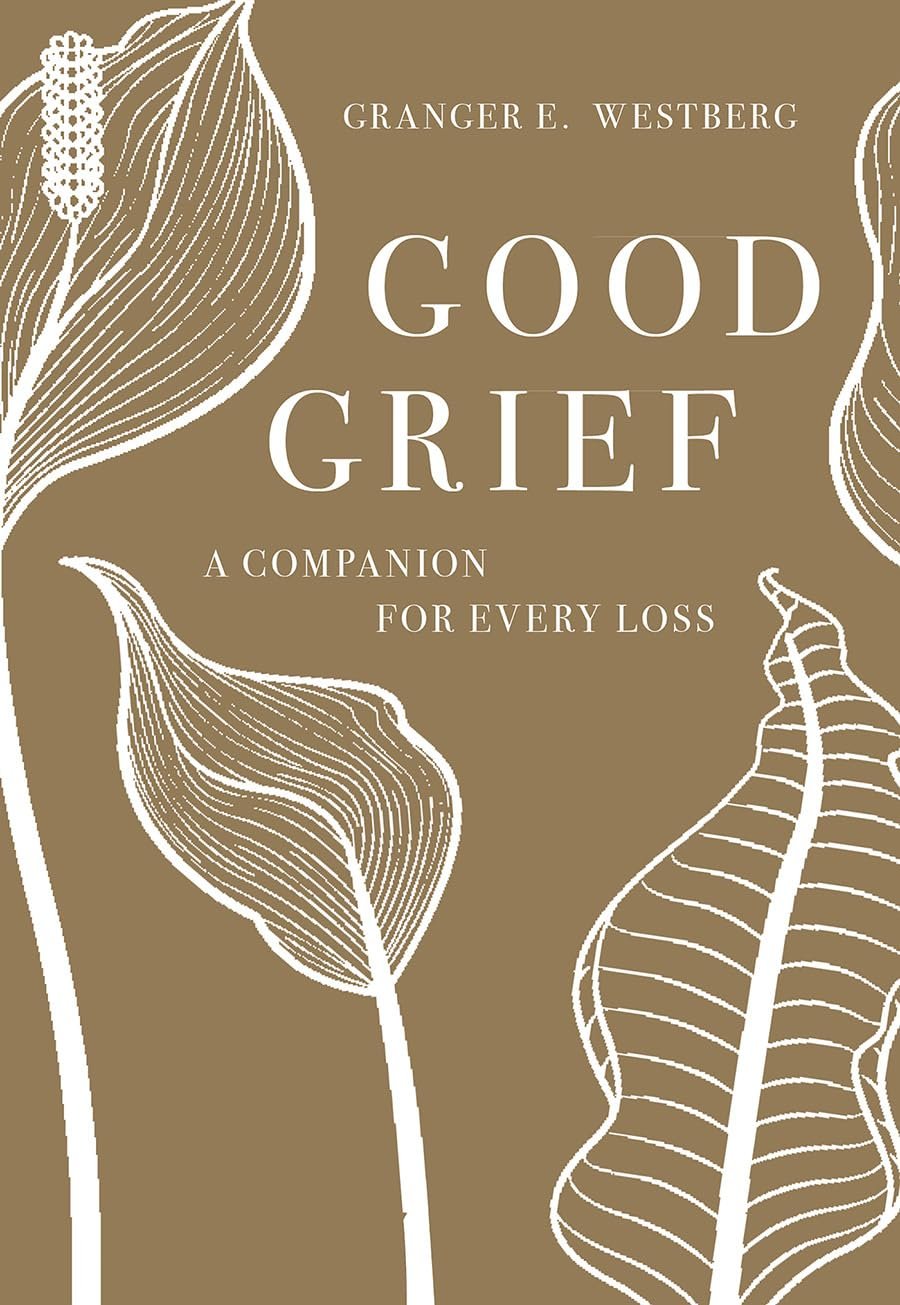
Book Review: Good Grief: A Companion for Every Loss by Granger E. Westberg (Paperback – February 1, 2019)
Overview
Good Grief by Granger E. Westberg is a compassionate, enduring guide to navigating the emotional, psychological, and physical complexities of grief. Originally published over five decades ago, its relevance endures today, offering a clear, approachable framework for understanding the grieving process. With more than three million copies sold, it remains a cornerstone resource for individuals seeking solace and meaning in the face of loss.
This concise yet powerful book is especially valuable for seniors, caregivers, and anyone confronting major life transitions — from the death of a spouse to downsizing a lifelong home. With accessible language and short chapters, it serves as both a personal companion and a helpful tool in support groups or therapeutic settings.
Synopsis Westberg presents grief as a natural, non-linear process made up of ten stages: shock, emotion, depression, physical distress, panic, guilt, anger, resistance, hope, and acceptance. He guides readers gently through each of these, emphasizing that no two grief journeys are the same. Reflection questions interspersed throughout help readers personalize their understanding, encouraging active engagement with their feelings and fostering emotional healing.
The book’s introduction by Dr. Timothy Johnson and the afterword by Westberg’s daughters add a thoughtful generational perspective, reinforcing the book’s continued relevance and legacy.
Key Themes
- Universality of Grief: From minor disappointments to deep, life-altering losses, Westberg underscores that all loss is valid and worthy of reflection.
- Stages of Grief: The ten stages
provide a roadmap—not a prescription—for healing, emphasizing flexibility and individuality.
- Spiritual and Emotional Healing: The book delicately integrates spiritual insight (from Westberg’s background as a Lutheran pastor) without alienating non-religious readers.
- Grief in Everyday Life: The text normalizes less-discussed losses, such as retirement, relocation, or changing family roles—especially relevant for older adults.
- Hope and Acceptance: The final chapters affirm that healing is possible, and that meaning can emerge even after deep sorrow.
Writing Style Westberg writes with warmth, clarity, and humility. His pastoral background shines through in his tone: non-judgmental, affirming, and nurturing. The language is accessible and succinct, making it ideal for readers overwhelmed by grief or those who struggle with concentration during emotional distress. The compact format
(just under 100 pages) allows it to be read in one sitting or revisited in pieces.
Conclusion
Good Grief is a timeless, practical, and comforting resource for anyone facing loss, but it holds particular resonance for older adults and caregivers. It honors grief as both a painful and transformative experience, offering not quick fixes, but lasting wisdom. Its decades of continued use across diverse audiences speak to its authenticity and effectiveness. Whether you're grieving yourself or supporting someone who is, this book is an
essential companion.
Rating: ★★★★☆ 4.8 / 5 (Excellent for its simplicity, empathy, and timeless relevance. Slightly dated in places, but still a foundational text in grief literature.)
Additional Resources Cielito Lindo Offers
We have curated collections of resources that may be useful.
Articles - We write fresh articles about senior living, health, care, and
finances every week
Caregiver Books - We review books related to caregiving methods, logistics,
challenges, and coping
Senior Health - We review books related to healthspan, lifespan, and disease
We also have 1,700+ other senior care and expat in Mexico videos: YouTube
|
|
|
|
|
| Cielito Lindo's basic information is included for your convenience:
|
|
|
- Cielito Lindo Info: After the signature, the newsletter always includes information about Cielito Lindo, so it is at your fingertips when you want it: Our costs, various related websites, social media channels like YouTube, our various addresses, and so on.
- Travel Info: Recommended airports and shuttles.
|
|
|
Web Sites - Cielito LIndo and Rancho Los Labradores
Here are our Web sites, including Cielito Lindo and Labradores Suites (hotel) all of which are part of the larger Rancho Los Labradores gated community just north of San Miguel de Allende.
Web Sites - Cielito LIndo and Rancho Los Labradores
Here are our Web sites, including Cielito Lindo and Labradores Suites (hotel) all of which are part of the larger Rancho Los Labradores gated community just north of San Miguel de Allende.
- Cielito Lindo provides independent living, light assisted living, assisted living, memory care and hospice with 24*7 staffing along with a la carte assisted living services to those living in the villas and suites at Rancho Los Labradores.
- Rancho Los Labradores Suites offer short and long term residence.
- Rancho Los Labradores is a country club resort feeling CCRC that provides a gated community with countless amenities and opportunities for different levels of independent living along with assisted living and memory care within Cielito Lindo.
Cielito Lindo Living Options & Costs Guide
We offer several living options depending on the level
of care you or your loved one needs. Here’s a breakdown to help you plan:
1) Villas (Rent or Own)
- Cost: $1,300 – $1,700 per month
- Additional Costs: Utilities, renter’s insurance, etc.
- What’s Included: This is mostly independent living.
- Extras: You can add independent or assisted living services (charged separately, à la carte).
- Support: We can connect you with a realtor if you'd like to purchase.
2) Cielito Lindo Condos & Suites
Best for: Independent living with optional assistance.
Option 1: Independent Living + Meals
- Cost: $2,250 per month
Includes:- 2 meals a day
- Hotel like room cleaning, towel and linen service
- Monthly medical check-up
Optional Add-ons:- Meals for an additional person: $450/month
- Extra care services available à la carte
Option 2: Light-Assisted Living in Condos & Suites
- Cost: $3,900 per month
Includes:- Full assisted living services
- Designed for residents who still want independence but need some support
- Smooth transition to full Assisted Living or Memory Care as needs change
- One-Time Inscription Fee: $4,000
For Couples:- $4,900/month for two people
- Same one-time fee ($4,000 per couple)
- Note: Suitability is based on cognitive ability, mobility, and safety.
3) Cielito Lindo Assisted Living, Memory Care, & Hospice
Best for: Seniors needing full-time care and supervision.
- Cost: $3,900 per month
Includes:- 24/7 care and monitoring
- All meals
- Physical therapy
- Full-time doctor on site
- Spacious private room with
bath
- One-Time Inscription Fee: $4,000
- For
Couples: $4,900/month
4) Specialized Hospice Suite
Best for: Intensive care needs or end-of-life comfort and also recuperative at a far lower cost than a hospital- Cost: $4,900 per month
Includes:- Full 24/7 monitoring
- Recuperative, Palliative and hospice care
- On-site doctor
- All meals
- Special space for visiting family
|
|
|
YouTube videos and Curated Playlists
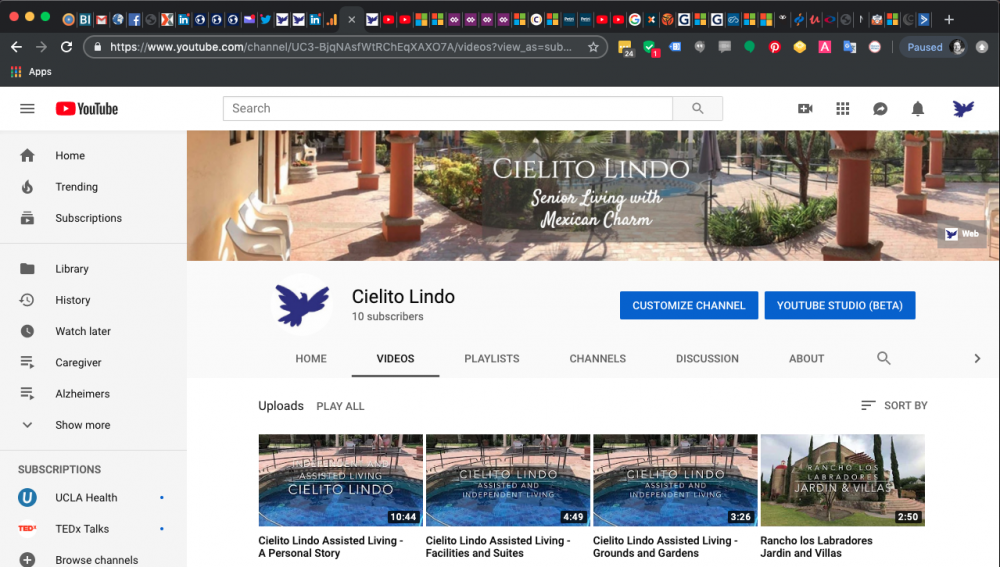
Here is our YouTube Channel. This is where we have lots of videos about Cielito Lindo and Rancho Los Labradores. We also have 1,600+ other senior care and expat in Mexico videos: YouTube |
|
|
|
|
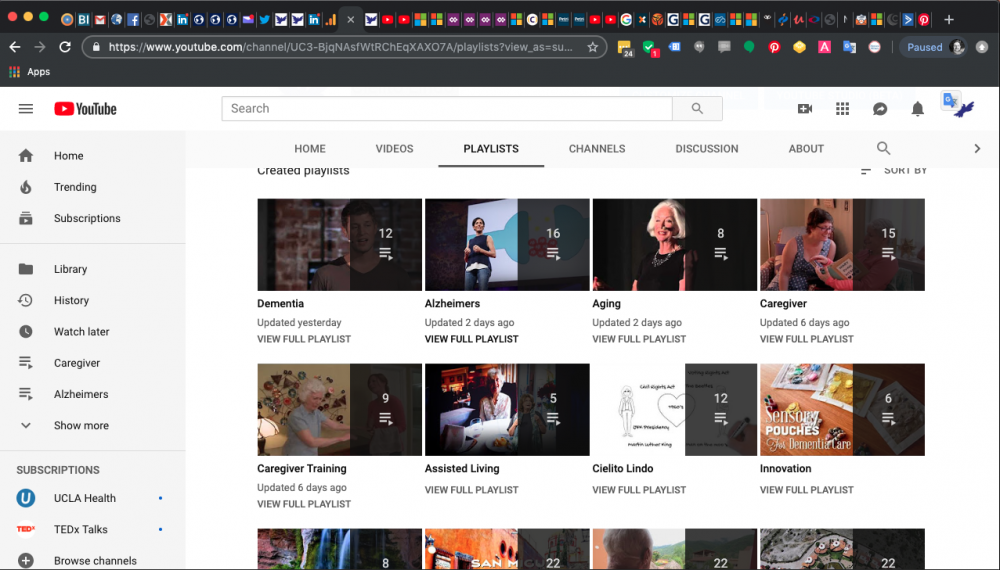
Additionally, our playlists cover a wide area and include 1,200+ videos. These playlists include videos about San Miguel and Mexico in general, caregiving and health, and a broad spectrum of senior living topics. Playlists
|
|
|
|
|
Additional Resources We Offer
We have curated collections of resources that may be useful:
Articles - We write fresh articles about senior living, health, care, and finances every week
Caregiver
Books - We review books related to caregiving methods, logistics, challenges, and coping
Senior Health - We review books related to healthspan, lifespan, and disease
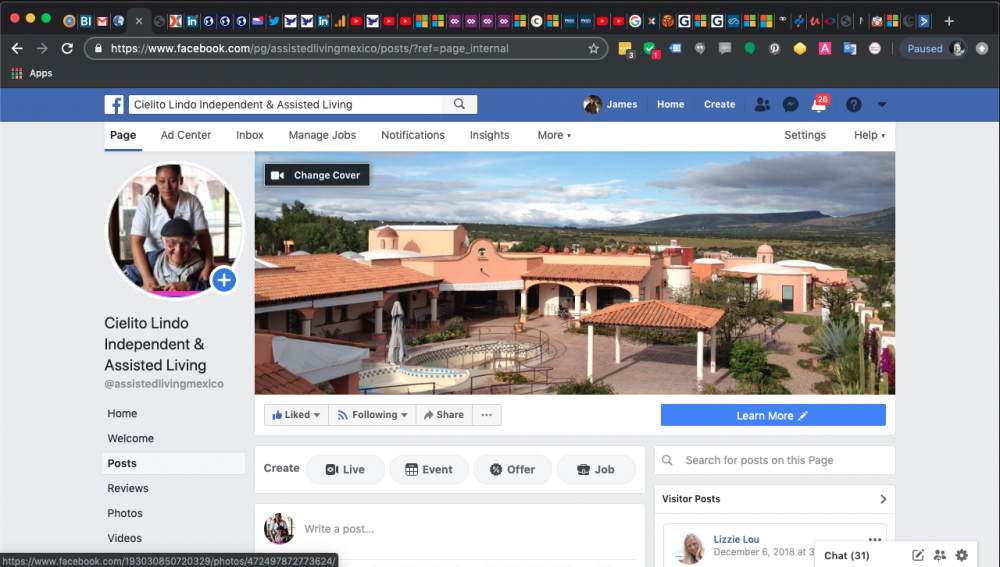
And here are our various social media forums, where we talk a lot about assisted living and memory care along with the various sort of challenges that sometimes come in our senior years (Alzheimer’s, Parkinson other dementias, and so on), but also about senior living in Mexico.
Facebook
|
|
|
|
|
|
|
|
|
|
|
|
|
|
|
|
|
|
|
Please don’t hesitate to contact me for anything related to senior living, especially in Mexico. I will gladly give you any assistance I can.
Thanks again!
James
James Sims
Marketing and Sales
Cielito Lindo Senior Living
1. 888.406.7990 (Voice and text)
1.209.312.0555 (WhatsApp)
Phones:
English speaking:
1.888.406.7990 (in US & CDN)
00.1.881.406.7990 (in MX)
Spanish speaking:
011.52.415.101.0201 (in US & CDN)
1.415.101.0201 (in MX)
Expat Health
Insurance:
ExpatInsurance.com
Tax Considerations for Expats:
Robert Hall Taxes
Medicare in Mexico
Lakeside Medical Group:
Robert Ash - ash@lakemedical
Best Bank:
Intercam Banco
Located in: Plaza De La Conspiración
Address: San Francisco 4, Zona Centro,
37700 San Miguel de Allende, Gto., Mexico
Hours: Open ⋅ Closes 4 PM
Phone: +011 52 415 154 6660
Addresses and Travel:
Physical address:
Cielito Lindo Independent and Assisted Living, Camino Real Los Labradores S/N, Rancho Viejo 1, San Miguel de Allende, GTO, Mexico, 37885
Packages from online providers like Amazon:
Camino Real Los Labradores, Rancho Los Labradores / Cielito Lindo, San Miguel de Allende, GTO, 37880 México
PO Box for letters and small envelopes:
Rancho Los Labradores / Cielito Lindo, c/o Alejandra Serrano , PMB N° 515-C,
220 N Zapata HWY N°11, Laredo TX, 78043-4464
Air:
Best airports to fly into: Leon (BJX) or Queretaro (QRO)
Shuttle:
Best
airport shuttle: BajioGo
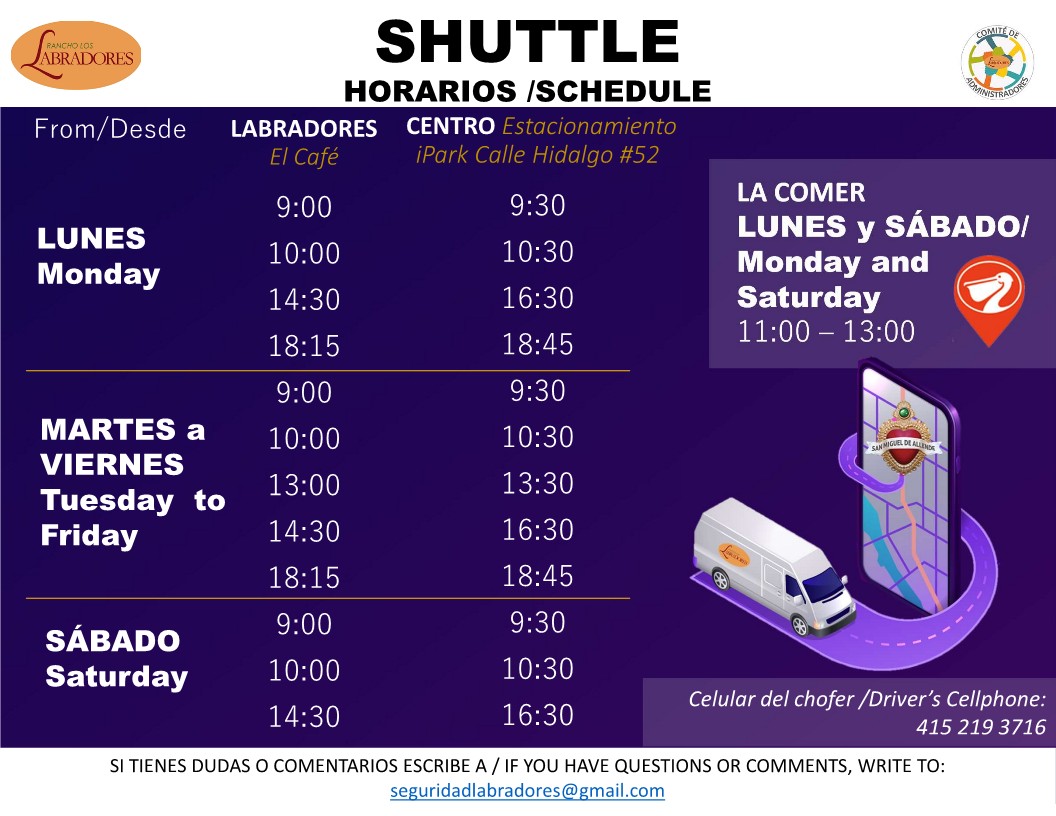
Shuttle between San Miguel and Rancho Los Labradores / Cielito Lindo
|
|
|
|
|
|
|
Regards,
James
James Sims
Marketing and Sales
Cielto LIndo Senior Living
jsims.cielitolindo@gmail.com
|
|
|
|
|
|
|
|