|
|
Subject: Your
Weekly Guide to Senior Living & Care in Mexico
Dear ,
Welcome to your weekly touchpoint from all of us at Cielito Lindo. Each edition brings together helpful insights, heartwarming stories, expert advice, and curated resources about senior living, retirement, and age-related care challenges—including Alzheimer’s, Parkinson’s, stroke, limited mobility, and more.
We understand that navigating this stage of life can be overwhelming, whether for yourself or a loved one. That’s why we're here—to offer guidance, support, and a glimpse into the enriching life many have found here in beautiful
San Miguel de Allende.
If you find this newsletter valuable, please forward it to a friend or family member who might also benefit. They can easily subscribe via our Newsletter page. And of course, if you ever wish to unsubscribe, there’s a quick opt-out link below at the bottom right corner of this newsletter.
Here’s what we typically cover each week:
- San Miguel de Allende highlights – why this is such a special place to live
- Health & wellness insights – articles, videos, and expert reviews
- Care options & community life at Cielito Lindo – flexible, affordable living with a warm, human touch
This Week’s Theme: Healthcare Costs in Mexico
This week, we explore how senior expats can afford healthcare in Mexico.
|
|
|
|
|
| Weekly insights into San Miguel:
|
|
|
Colorful & Epicurean San Miguel
While much of what we discuss involves the challenges of aging
and caregiving, it's also important to celebrate the beauty that surrounds us. San Miguel de Allende is a feast for the senses—bursting with color, rich in culture, and renowned for its incredible food and art. It’s not just a place to live—it’s a place to thrive, to enjoy, and to heal.
|
|
|
|
|
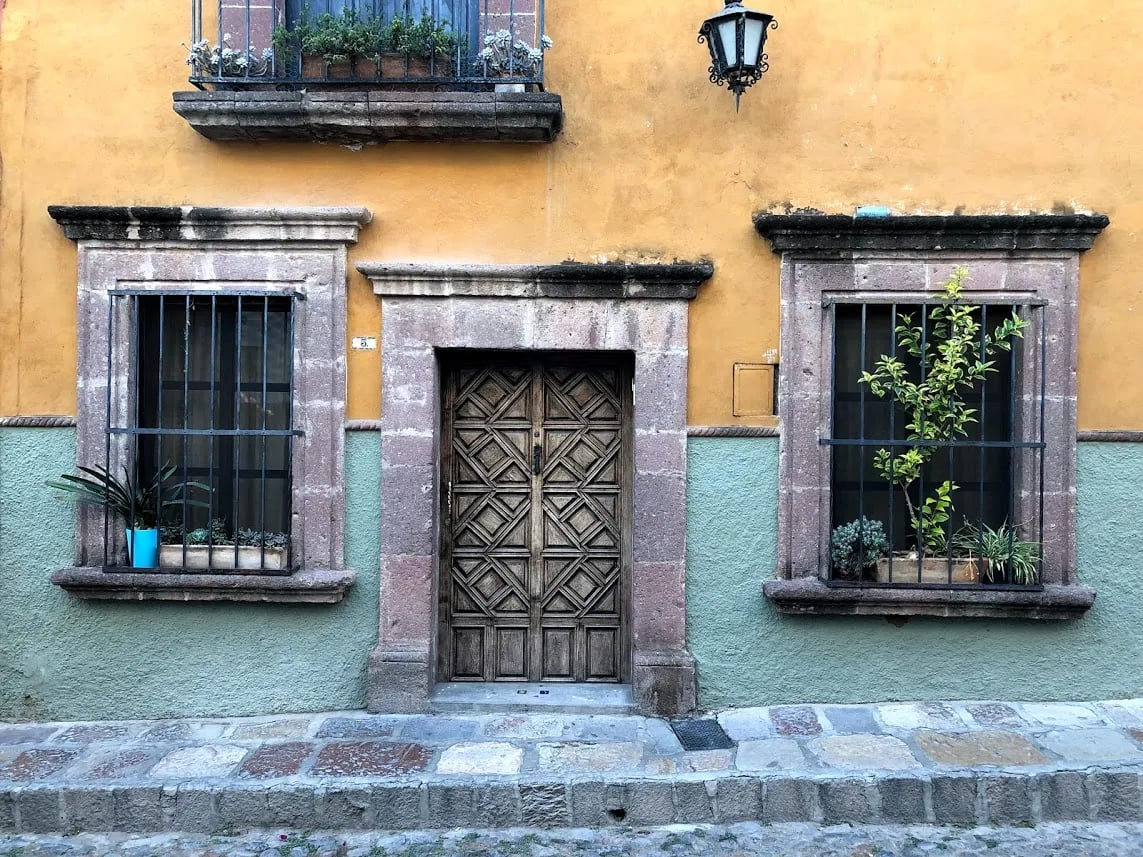
The Colors of San Miguel: Another Magical Doorway
This is how the streets of San Miguel de Allende steal your heart: not with grandeur, but with small, perfect gestures like this — a sun-warmed wall painted the color of a ripe mango, a hand-carved wooden door patterned with years of touch, and humble windows cradling potted plants as if they were treasures. The cantera stone frames wear their age with grace, softening into the golden light. Even the uneven cobblestones underfoot seem to hum with quiet stories, whispering of fiestas long past and quiet afternoons where time slows to the pace of a wandering soul.
Every callejón here feels like an invitation — not just to walk, but to notice. A bright blue flowerpot insists on joy against the muted green and ochre walls; a young lemon tree, slender but stubborn, reaches toward a wrought iron sky. The streets of San Miguel don’t shout their beauty; they murmur it, tender and unhurried, until you
realize you’ve fallen in love without even meaning to. Image courtesy of Tristao Travels
|
|
|
|
|
Restaurant Review: Los Milagros
Calle Relox 17, Zona Centro, San Miguel de Allende, Gto., Mexico
Phone: +52 415 152 0097
Website: restaurantlosmilagros.com
Days and Hours: Monday to Sunday: 12:00 PM – 11:00 PM
Atmosphere:
Los Milagros offers a lively, colorful environment that captures the spirit of San Miguel de Allende. The decor is vibrant, featuring traditional Mexican elements, rustic wooden furniture, and whimsical touches like milagros (small religious folk charms) that inspire the name. It's casual yet festive — perfect for both leisurely lunches and animated evening gatherings.
Service:
The service is friendly and efficient, with servers who are genuinely enthusiastic about sharing recommendations. You get the feeling they want you to experience real Mexican hospitality. Even during busy times, the staff keeps a warm, welcoming attitude.
Cuisine:
Los Milagros
specializes in classic Mexican comfort food, with a strong focus on grilled meats, molcajetes (volcanic stone bowls brimming with sizzling dishes), and authentic tacos. Their cooking celebrates bold, earthy flavors with a homestyle touch, heavily influenced by the traditional cuisine of Guanajuato and central Mexico.
Signature Dish:
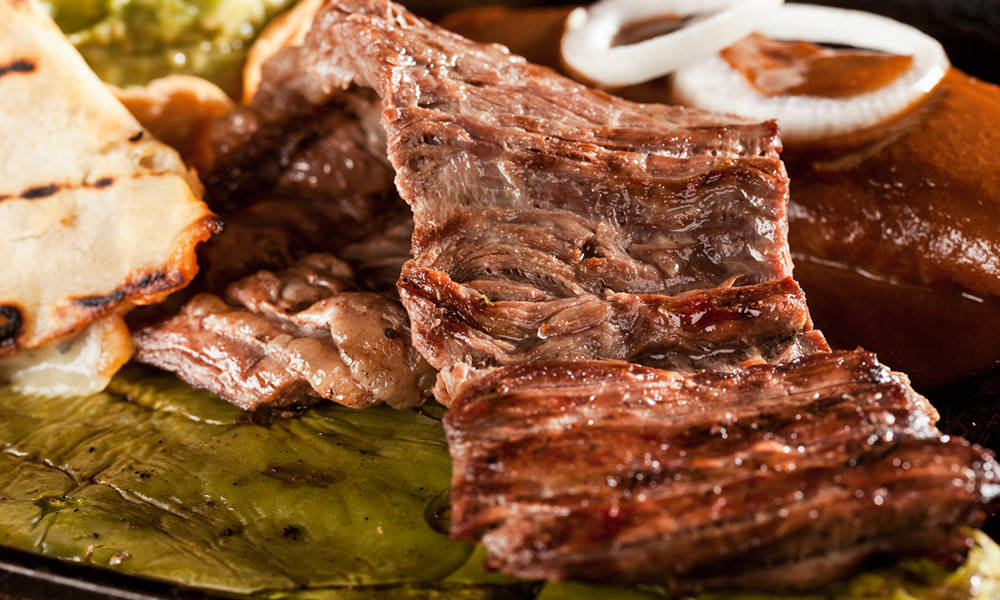
Their Arrachera (grilled flank steak) — beautifully marinated, smoky from the grill, and incredibly tender — is a standout and often cited as a must-try. It’s typically served on a sizzling platter with a side of tortillas, grilled cactus (nopal), and a variety of sauces.
Starters:
Don't miss the molcajete appetizers — bubbling with cheese, meats, and roasted salsas. Their guacamole is fresh, creamy, and generously portioned, while Queso Fundido with chorizo is a perfect, indulgent beginning.
Main Courses:
Beyond the arrachera, the menu features hearty options like tacos al pastor, enchiladas en mole, and molcajetes filled with shrimp, beef, and cheese. Each
dish is crafted with deep, traditional flavors and usually arrives sizzling.
Desserts:
Classic and satisfying, you’ll find flan, churros, and occasionally a seasonal pastel de tres leches. These desserts stay true to the rich, sweet style of Mexican home baking.
Wine and Cocktails:
The drink menu offers a good mix of local
wines, Mexican craft beers, and inventive cocktails. Their house margaritas (especially tamarind and hibiscus flavors) are crowd favorites — balanced, refreshing, and made with real fruit purees. Mezcal and tequila lovers will find plenty to explore.
Final Thoughts: Los Milagros captures the warmth and soul of Mexican cuisine in the heart of San Miguel de Allende. It’s the kind of place where meals are meant to be savored slowly, surrounded by laughter and good company. It’s not trying to be "fancy" — it’s simply delicious and honest, with a festive spirit that feels authentically local.
Cost: $$ (moderately priced, excellent value)
Rating: ★★★★☆ (4.5 stars)
|
|
|
|
|
I came across an article
that inspired me to add a second restaurant to my weekly newsletter. I would hate to see the eventual demise of such a sweet little gem.
Restaurant: Chamonix
Address: Sollano 17, San Miguel de Allende, Mexico Phone: (Not readily available; challenging to find contact
information) Days and Hours: Tuesday through Saturday, 1:30 PM – 9:00 PM
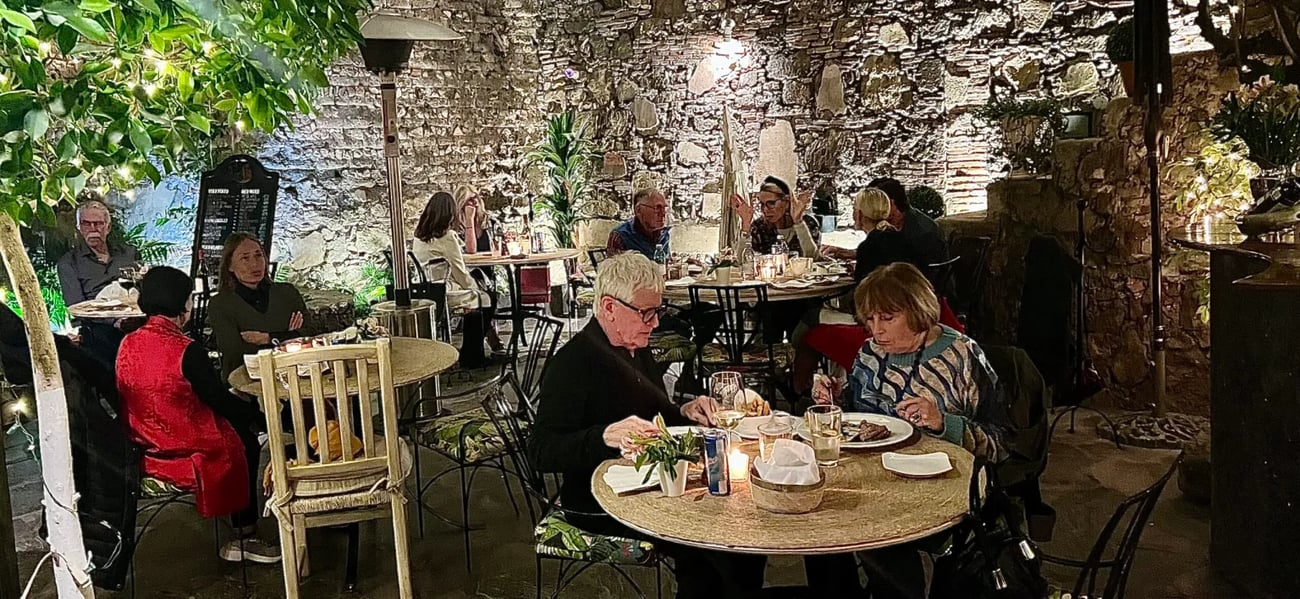
Atmosphere: Chamonix offers a timeless, enchanting setting: a wide stone-walled courtyard bathed in natural light that transitions into a softly lit, romantically cozy space as evening falls. It feels like stepping into an old-world European bistro, evoking the charm of Provence with its understated elegance and inviting warmth. Service: A hallmark of Chamonix is its dedicated, long-tenured service staff, many of whom have been with the restaurant for 15 to 20 years. Attentive but unintrusive, the service
enhances the dining experience with a relaxed, familial grace that is becoming increasingly rare.
Cuisine: Diverse yet cohesive, the menu is a mosaic of French, Italian, Continental, and subtle Asian and Mexican influences. Chamonix’s offerings are refreshingly distinct in a city overflowing with trend-focused venues, prioritizing classic preparation with imaginative twists.
Signature Dish:
Pasta dishes stand out as signature items, especially the farfalle with figs and Roquefort sauce—a rare and masterful combination not found elsewhere in San Miguel.
Starters:
Options rotate but include a thoughtful selection of soups (four different choices on two separate boards), highlighting traditional techniques with fresh, quality ingredients.
Main Courses:
Beyond the eclectic pastas (like lemon and prawn or shrimp with pine nuts and raisins), expect steaks, chops, and fish prepared with consistency and understated finesse, reflecting the kitchen's deep experience and soulful execution.
Desserts:
While desserts aren't heavily detailed in the account, the meal closure with classic after-dinner drinks like Amaretto suggests a menu that leans toward comforting, traditional sweets rather than avant-garde concoctions.
Wine and Cocktails:
Chamonix remains committed to supporting excellent Mexican wineries like Chateau Domecq, Monte Xanic, and L.A. Cetto, alongside a careful selection of European wines. The French Perrin Reserve (Côtes-du-Rhône) remains a standout. Cocktails are classic rather than experimental, fitting the overall ethos of tradition and grace.
Final Thoughts:
Chamonix is a rare gem—a restaurant that quietly excels in a town increasingly drawn to the loud and new. It offers a dining experience that is rich in authenticity, history, and heart. Its slight invisibility (lack of online presence and marketing) is both a charm and a challenge, but for those who seek it out, Chamonix delivers an unforgettable experience anchored in consistency and sincere hospitality.
Cost: $$$ (Moderately high, but excellent value considering quality and atmosphere)
Rating: ★★★★½ (4.5 stars)
|
|
|
|
|
Health, Caregiving & Life in Mexico
|
|
|
This section brings you thoughtful, relevant, and at times, even life-changing content to support your journey—whether you're exploring care options, supporting a loved one, or planning for your own future.
- Lead Article - Each week’s main feature is written just for you—diving into meaningful topics like extending healthspan, navigating diagnostics, or understanding the causes of Alzheimer’s and other dementias. We also occasionally explore the beauty and cultural richness of Mexico, including Pueblos Mágicos and the colorful life in San Miguel de Allende.
- Op Ed - A short editorial that reflects on the lead article’s themes, offering a personal or thought-provoking perspective.
- Caregiver’s Sentiment - A heartfelt quote or reflection honoring the emotional depth of caregiving—because your feelings and efforts matter.
- Videos - Two or three curated videos that align with the week’s theme, featuring summaries and timestamped highlights to make them easy to explore.
- Book Reviews - One or two handpicked books to deepen your understanding, lift your spirits, or simply remind you that you’re not alone.
|
|
|
|
|
Seniors Without Medicare: How U.S. Expats Afford Healthcare in Mexico
What happens when your healthcare safety net ends at the border? For thousands of American seniors retiring in Mexico, losing access to Medicare isn’t the end — it’s the beginning of a new, surprisingly affordable chapter. With prescriptions up to 90% cheaper and over-the-counter access to life-saving meds, many expats are finding they can manage — even thrive — in a system that prioritizes access over bureaucracy. But this freedom comes with trade-offs, especially when it comes to continuity of care and managing chronic conditions alone. This article explores the prescription paradox and what it reveals about
both Mexico’s healthcare strengths and the deep flaws in America’s system.
Article Highlights- Medicare doesn’t travel: Most U.S. seniors living in Mexico lose their Medicare benefits, leaving them to cover medical and drug costs out of pocket.
- No easy insurance alternatives: Private insurance in Mexico is expensive or unavailable for older adults, especially those with pre-existing conditions. The public IMSS system is difficult to access and varies in quality.
- Out-of-pocket care is surprisingly affordable: Many seniors choose to pay cash — and thrive — because healthcare and prescriptions in Mexico are dramatically cheaper than in the U.S.
- Drug prices are often 70–90% lower: A 30-day supply of Lipitor costs $382 in the U.S. but just $30 in Mexico. Eliquis drops from $559 to $120.
- Same meds, different price tags: These are not knock-offs — they’re often the exact same brand-name drugs, made in the same global factories.
- Many prescription drugs are sold OTC: In Mexico, drugs like metformin, lisinopril, and even antibiotics are often available without a prescription.
- Self-managed care
is common: Seniors routinely manage chronic conditions solo, without doctors, using cheap OTC meds and walk-in labs.
- Freedom comes with risks: Lack of regular medical oversight can lead to missed diagnoses, incorrect dosing, or dangerous drug interactions.
- Healthcare quality varies by region: Urban areas offer better care and English-speaking providers. Rural areas often lack specialists and modern infrastructure.
- Language matters: Seniors with limited Spanish face challenges communicating symptoms or navigating treatment — especially in emergencies.
- Mexico works best for the healthy and resourceful: Those with stable conditions, good support systems, and a DIY mindset tend to thrive.
- Those with complex needs struggle: Seniors with multiple chronic illnesses or rare conditions often encounter serious gaps in care coordination.
- The U.S. system is the real problem: Retirees aren’t fleeing Mexico for care — they’re fleeing America’s inflated drug prices and insurance bureaucracy.
- Corporate influence drives U.S. drug costs: From Big Pharma to PBMs to regulatory loopholes, the U.S. system prioritizes profit over access.
- The paradox is moral, not just economic: Seniors shouldn’t have to leave the country to afford to stay alive. That they do — and that it works — speaks volumes.
You can read the complete article here and select others from our collection of 70+ articles on our site.
|
|
|
|
|
Caregiver's Sentiment: Caregiving Requires a Challenging Mindset Shift
Stepping into the role of caregiver for a parent is one of life’s most profound and humbling transformations. It asks us to set aside our former roles and
expectations, to meet vulnerability with patience rather than resistance, and to offer the same gentleness that was once offered to us. The journey is rarely easy; it requires a heart that can bend without breaking, a spirit willing to serve without pride, and a mind open enough to find meaning even in the mundane. Yet within this challenge lies a quiet grace — the grace of gratitude, of honoring the bond that shaped us, and of completing an unspoken circle of love. To walk this path is to acknowledge that true strength often looks like tenderness, and that in caring for those who once carried us, we discover a deeper, richer kind of love.
|
|
|
|
|
Seniors Without Medicare: The Irony of Affordable Healthcare in Mexico
April 26, 2025 | James Sims, Editorial Contributor, www.cielitolindoseniorliving.com
At a sun-bleached pharmacy in San Miguel de Allende, a retired teacher named Linda counts out a few pesos and leaves with a three-month supply of life-saving medication. The cost? About $24. Back in the United States, the same prescription would have cost her $165 — and that’s with Medicare.
This quiet scene plays out every day across Mexico, where thousands of American retirees, once terrified of losing access to Medicare, are discovering a surprising truth: healthcare south of the border is not only affordable — it’s often better suited to their needs
than the bloated, bureaucratic system they left behind.
What began as anxiety — How will I survive without Medicare? — has morphed into something radically different: a lived experience that exposes just how deeply broken the U.S. healthcare system truly is.
When Medicare Ends at the Border
Medicare, the crown jewel of American senior healthcare, does not travel well. Aside from rare emergencies, coverage ceases the moment a retiree leaves U.S. soil. For seniors choosing Mexico — drawn by a lower cost of living, vibrant communities, and better weather — this can feel like a betrayal.
They paid into Medicare their entire working lives. And yet, by choosing a different
zip code for retirement, they are effectively disqualified from the benefits they earned.
Initially, that reality sparks fear. Without insurance, how could they afford prescriptions or doctors? In the U.S., the answer would be grim: without Medicare, many would simply go without. But Mexico offers an unexpected answer — one that is at once liberating and deeply ironic.
The Shock of Affordability
Rather than facing financial ruin, many retirees are thriving on cash-based healthcare. Doctor visits typically cost between $20 and $50. Name-brand medications — often the exact same products manufactured in the same global factories — are available for 70% to 90% less than U.S. prices.
Lipitor, for cholesterol, plummets from $382 a month in the U.S. to about $30 in Mexico.
Eliquis, a popular blood thinner, falls from nearly $560 to $120. Even everyday essentials like blood pressure and diabetes medications are a fraction of their U.S. cost — often available without a prescription at all.
This isn’t a story of counterfeit drugs or risky self-medication (though risks exist). It’s a story of ordinary seniors finally accessing the medications they need — affordably, predictably, and without begging an insurance company for permission.
Freedom — and Its Risks
Of course, this freedom comes with trade-offs. Without insurance, seniors must manage chronic conditions largely on their own. Walk-in clinics and over-the-counter meds make care accessible, but also place the burden of diagnosis, medication management, and treatment coordination squarely on patients'
shoulders.
Seniors who are healthy, organized, and proactive tend to flourish. Those managing multiple complex illnesses — or those with limited Spanish — face steeper challenges. Continuity of care can be spotty. Medical records are fragmented. Emergencies require careful planning and strong local networks.
Yet for many, the risks of managing healthcare independently in Mexico still feel smaller than the risks — and costs — of navigating the American system.
What It Says About Us
That retirees would rather manage their own healthcare abroad than engage with America's insurance labyrinth is a profound indictment of U.S. policy.
America spends more per capita on healthcare than any other nation. Yet seniors are fleeing not from scarcity or
collapse, but from profiteering and red tape.
Big Pharma, pharmacy benefit managers, and entrenched political interests have turned American healthcare into a $600 billion pharmaceutical market — one where drug prices are set by what the market can bear, not by what patients need to survive. Medicare, until very recently, wasn’t even allowed to negotiate drug prices — a regulatory handcuff written into law for industry benefit.
Meanwhile, Mexico's system, while far from perfect, imposes price controls, embraces generics, and focuses on access over middleman profits.
The result? Seniors living comfortably — even thriving — without insurance.
The real tragedy isn’t that American retirees have to look elsewhere for affordable healthcare. It’s that they have to look elsewhere at all.
A Quiet Rebellion
Every American senior who buys Lipitor in Mexico for $30 instead of $382 in the U.S. is making an implicit statement: this system does not work for me.
They aren’t just saving money. They are opting out of a system that overcharges, overcomplicates, and underdelivers. They are asserting a simple truth — that life-saving medication shouldn't bankrupt you, and that healthcare shouldn’t be a luxury.
Their journey is a quiet rebellion against a healthcare model that prizes profit over people. And it’s a reminder, for those still stateside, that when the system fails too many for too long, people will find their own way out — even if it means crossing a border to do it.
|
|
|
|
|
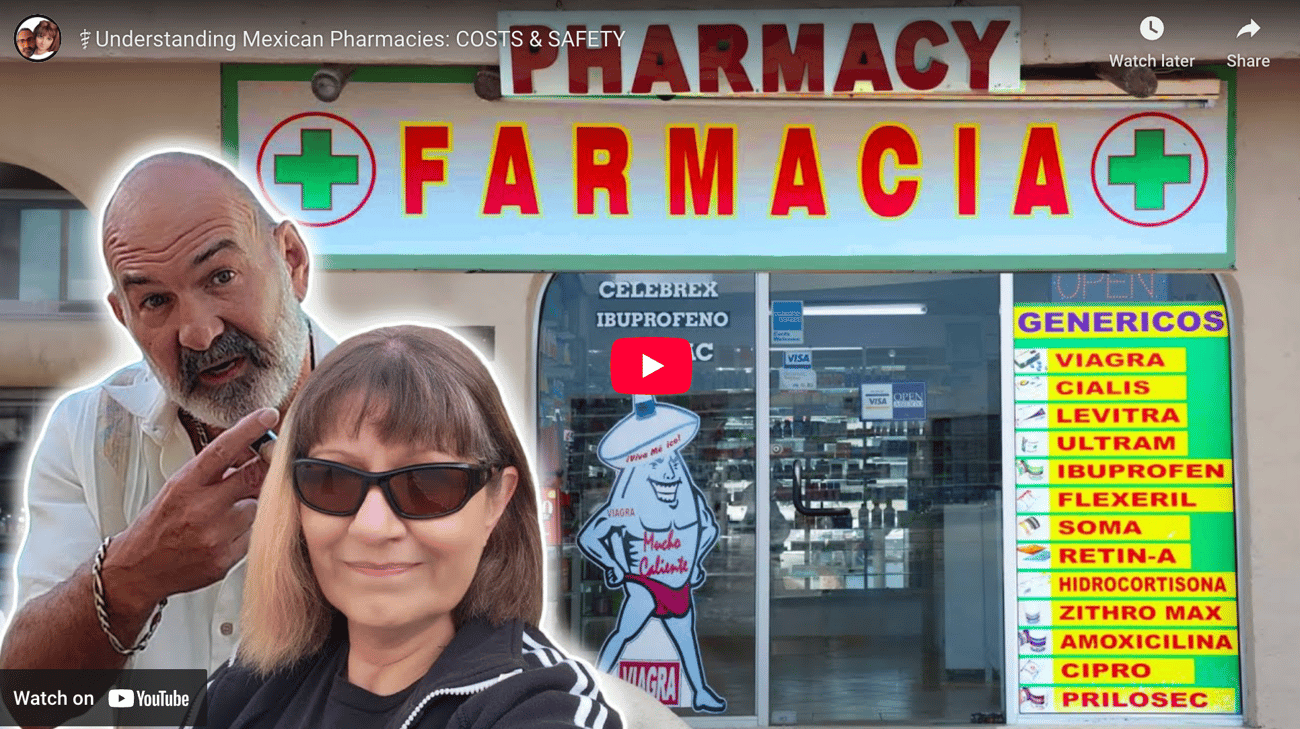
Video: Understanding Mexican Pharmacies: Costs & Safety
This video explores the landscape of Mexican pharmacies, highlighting the differences between local mom-and-pop shops, chain pharmacies, and tourist pharmacies. It emphasizes the importance of recognizing trustworthy chains, such as Similares, and discusses safety concerns regarding counterfeit medications, particularly in tourist areas. The video also addresses regulations around antibiotics, illustrating the necessity of prescriptions for certain medications like Cipro. Viewers learn about the characteristics of tourist pharmacies, which often sell a mix of
pharmaceuticals and souvenirs. The hosts share personal experiences and recommend sticking to reputable chain pharmacies for reliable medication and better prices.
This video provides insights into navigating Mexican pharmacies, emphasizing the need for awareness regarding dosages and pricing. It highlights the benefits of purchasing from resident pharmacies like Similares for better prices and reliability, while cautioning against tourist pharmacies. The hosts share personal experiences, including significant savings on medications, and stress the importance of doing research before purchasing. They recommend using online resources to check medication availability and required prescriptions, ensuring viewers are well-informed when seeking pharmaceuticals in Mexico.
View the video here. Highlights:0:00 – Introduction to purchasing over-the-counter medication in Mexican pharmacies.0:21 – Overview of different types of pharmacies in Mexico: local, chains, and tourist pharmacies.1:11 – Importance of recognizing trusted chain pharmacies.2:00 – Description of tourist pharmacies and their inventory.4:00 – Discussion on counterfeit medications and safety concerns in tourist areas.5:17 – Explanation of antibiotic regulations in Mexico, using Cipro as an example.7:01 – Experience of needing a prescription for Cipro at a chain pharmacy.9:22 – Characteristics of tourist pharmacies, including additional products sold.10:02 – Mention of a recent sting operation on pharmacies in Riviera Maya.11:20 – Preference for chain pharmacies like Similares for reliable medication.12:02 – Importance of knowing the correct dosage and frequency of medications.12:34 – Limited choices in dosage levels at pharmacies.14:26 – Price comparison: 120 pesos for one vs. 159 pesos for three tablets.15:10 – Buying in bulk can be cheaper than buying fewer items.16:00 – Example of purchasing three months of medication for 400 pesos.17:07 – Price of Tramadol at the airport pharmacy compared to U.S. costs.18:07 – Discussion on the affordability of medications in Mexico versus the U.S.19:05 – Caution against relying on tourist pharmacies for medications.20:23 – Emphasis on the cost savings of resident pharmacies over tourist pharmacies.22:12 – Importance of researching medication availability and dosages online.
|
|
|
|
|
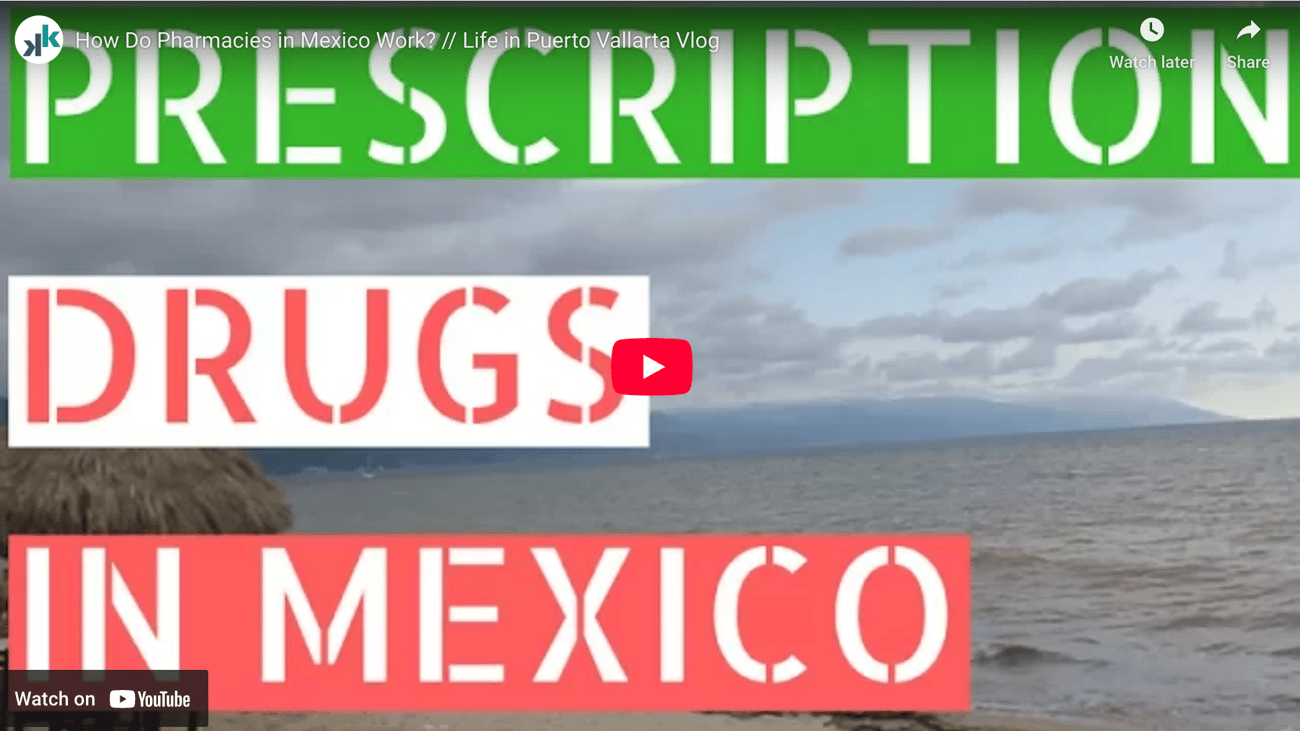
Video: How Do Pharmacies in Mexico Work? // Life in Puerto Vallarta Vlog
In this vlog, the narrator explores pharmacies in Puerto Vallarta, Mexico, while sharing insights on medication availability and pricing. Key highlights include the affordability of common drugs compared to the U.S., with Valium and Xanax priced significantly lower. The narrator recounts a doctor’s visit costing $52, emphasizing the overall lower healthcare costs in Mexico. Additionally, the video features a favorite local breakfast spot, showcasing delicious meals at reasonable prices. The narrator also hints at
future content related to learning Spanish, making the video both informative and engaging for viewers interested in life in Mexico.
View the video here.
Highlights:
0:15 – Hillary is feeling sick and has been resting all day.
1:01 – The narrator visits a pharmacy and shares insights about the medications available.
2:29 – Prices for common medications like migraine relief and cough medicine are discussed.
4:06 – The narrator mentions the variety of medications available, including Viagra and Valium.
5:46 – Prices for Valium and Xanax are provided, highlighting the affordability compared to the U.S.
7:08 – A visit to a doctor costs $52, including a neck brace and muscle relaxers.
7:51 – The narrator reflects on the low prices of prescription drugs in Mexico compared to the U.S.
8:01 – Plans for dinner and a brief mention of upcoming Spanish language videos.
9:04 – The narrator introduces a favorite breakfast spot known for its affordable and delicious food.
10:30 – A meal of eggs, bacon, and fries is enjoyed for only 130 pesos, supporting local businesses.
|
|
|
|
|
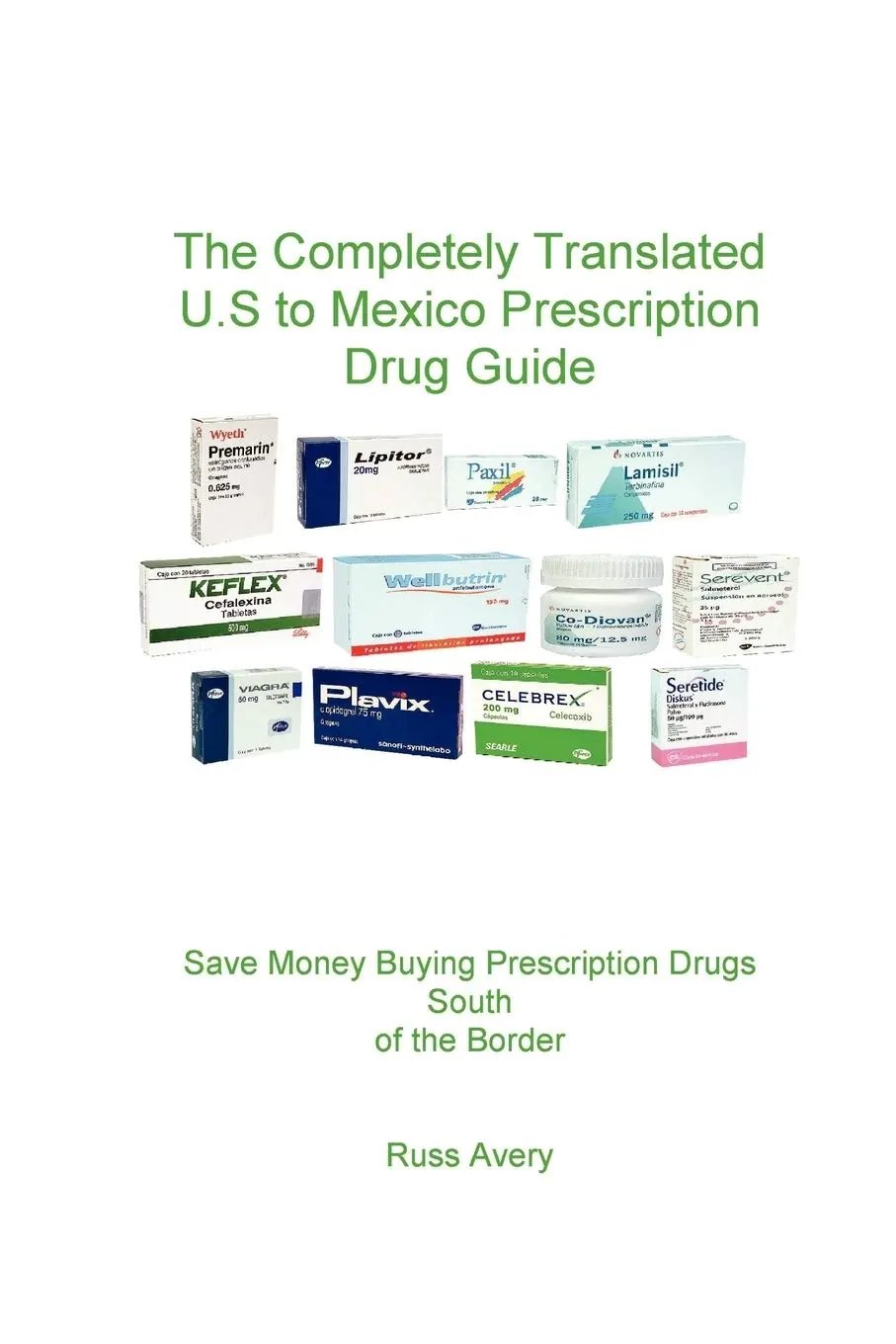
Book Review: Completely Translated U.S. to Mexico Prescription Drug Guide by Russ Avery
Overview
Russ Avery’s Completely Translated U.S. to Mexico Prescription Drug Guide is a practical and user-friendly resource tailored for American retirees, snowbirds, and travelers living in or visiting Mexico. First published in 2006, it serves as a bilingual bridge for individuals navigating the Mexican pharmaceutical system, often seeking cost-effective alternatives to high U.S. drug prices. This book remains relevant, especially to seniors who rely on
ongoing prescriptions and want to ensure continuity and safety in their medication regimen across borders.
SynopsisThe guide offers a side-by-side translation of brand-name and generic prescription medications available in the U.S. and their Mexican equivalents. It is organized in an accessible A-to-Z format, allowing users to quickly locate a drug and see its corresponding name and availability in Mexico. Avery also includes information on pharmaceutical regulations, the over-the-counter status of some drugs in Mexico, and common dosage equivalencies.
Key Themes
- Medical Accessibility: The book addresses the growing trend of medical tourism and the need for accessible medications for Americans in Mexico.
- Cost and Healthcare Savings: One of the key motivators for readers is the significant price difference in medications between the two countries.
- Safety and Education: Avery emphasizes understanding local regulations and being informed about medication differences to prevent misuse or adverse
effects.
- Practical Living Abroad: For seniors retiring in Mexico, the book doubles as a living aid, supporting autonomy and confidence in managing health abroad.
Writing
StyleThe style is clear, concise, and designed for utility rather than narrative engagement. Avery avoids technical jargon, making the guide approachable for non-medical readers, particularly older adults who may not be digitally inclined or prefer print references. Tables and translations are the core structure, supported by straightforward explanations.
Conclusion
While the publication is somewhat dated, Completely Translated U.S. to Mexico Prescription Drug Guide still holds practical value for its target audience. In an age where online databases are common, this book offers a tangible, easy-to-navigate alternative that doesn’t require internet access—ideal for seniors who prefer print or find technology challenging. However, users should double-check specific drug data with a
pharmacist due to potential changes in pharmaceutical standards over time.
Rating: ★★★★☆ (4 out of 5 stars)
Recommended for seniors and caregivers looking for a reliable, easy-to-use medication translation guide while living in or visiting Mexico.
Additional Resources Cielito Lindo Offers
We have curated collections of resources that may be useful.
Articles - We write fresh articles about senior living, health, care, and finances every week
Caregiver Books - We review books related to caregiving methods, logistics, challenges, and coping
Senior Health - We review books related to healthspan, lifespan, and disease
We also have 1,600+ other senior care and expat in Mexico videos: YouTube
|
|
|
|
|
| Cielito Lindo's basic information is included for your convenience:
|
|
|
- Cielito Lindo Info: After the signature, the newsletter always includes information about Cielito Lindo, so it is at your fingertips when you want it: Our costs, various related websites, social media channels like YouTube, our various addresses, and so on.
- Travel Info: Recommended airports and shuttles.
|
|
|
Web Sites - Cielito LIndo and Rancho Los Labradores
Here are our Web sites, including Cielito Lindo and Labradores Suites (hotel) all of which are part of the larger Rancho Los Labradores gated community just north of San Miguel de Allende.
- Cielito Lindo provides independent living, light assisted living, assisted living, memory care and hospice with 24*7 staffing along with a la carte assisted living services to those living in the villas and suites at Rancho Los Labradores.
- Rancho Los Labradores Suites offer short and long term residence.
- Rancho Los Labradores is a country club resort feeling CCRC that provides a gated community with countless amenities and opportunities for different levels of independent living along with assisted living and memory care within Cielito Lindo.
Cielito Lindo Living Options & Costs Guide
We offer several living options depending on the level of care you or your loved one needs. Here’s a breakdown to help you plan:
1) Villas (Rent or Own)
- Cost: $1,300 – $1,700 per month
- Additional Costs: Utilities, renter’s insurance, etc.
- What’s Included: This is mostly independent living.
- Extras: You can add independent or assisted living services (charged separately, à la carte).
- Support: We can connect you with a realtor if you'd like to purchase.
2) Cielito Lindo Condos & Suites
Best for: Independent living with optional assistance.
Option 1: Independent Living + Meals
- Cost: $2,250 per month
Includes:- 2 meals a day
- Monthly medical check-up
Optional Add-ons:- Meals for an additional person: $450/month
- Extra care services available à la carte
Option 2: Light-Assisted Living in Condos & Suites
- Cost: $3,900 per month
Includes:- Full assisted living services
- Designed for residents who still want independence but need some support
- Smooth transition to full Assisted Living or Memory Care as needs
change
- One-Time Inscription Fee: $4,000
For Couples:- $4,900/month for two people
- Same one-time fee ($4,000 per couple)
- Note: Suitability is based on cognitive ability, mobility, and safety.
3) Cielito Lindo Assisted Living, Memory Care, & Hospice
Best for: Seniors needing full-time care and supervision.
- Cost: $3,900 per month
Includes:- 24/7 care and monitoring
- All meals
- Physical therapy
- Full-time doctor on site
- Spacious private room with
bath
- One-Time Inscription Fee: $4,000
- For Couples: $4,900/month
4) Specialized Hospice Suite
Best for: Intensive care needs or end-of-life comfort and also recuperative at a far lower cost than a hospital- Cost: $4,900 per month
Includes:- Full 24/7 monitoring
- Recuperative, Palliative and hospice care
- On-site doctor
- All meals
- Special space for visiting
family
|
|
|
YouTube videos and Curated Playlists
Here is our YouTube Channel. This is where we have lots of videos about Cielito Lindo and Rancho Los Labradores. We also have 1,600+ other senior care and expat in Mexico videos: YouTube |
|
|
|
|
Additionally, our playlists cover a wide area and include 1,200+ videos. These playlists include videos about San Miguel and Mexico in general, caregiving and health, and a broad spectrum of senior living topics. Playlists
|
|
|
|
|
Additional Resources We Offer
We have curated collections of resources that may be useful:
Articles - We write fresh articles about senior living, health, care, and finances every week
Caregiver
Books - We review books related to caregiving methods, logistics, challenges, and coping
Senior Health - We review books related to healthspan, lifespan, and disease
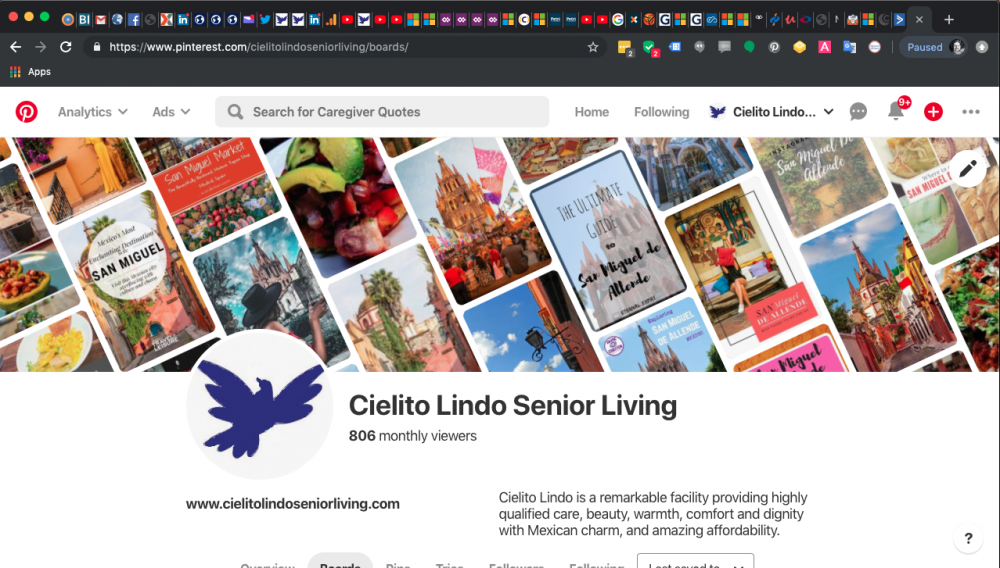
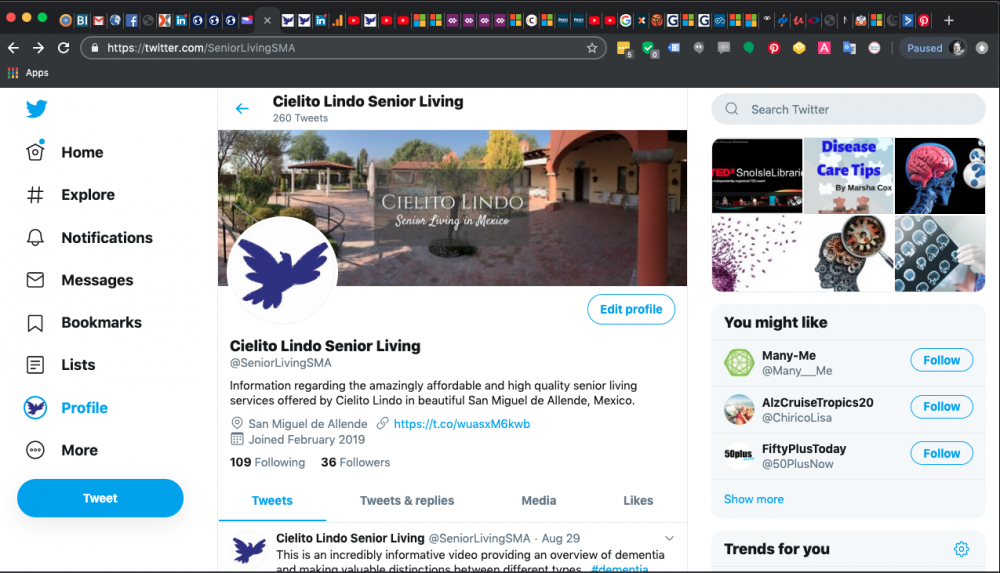
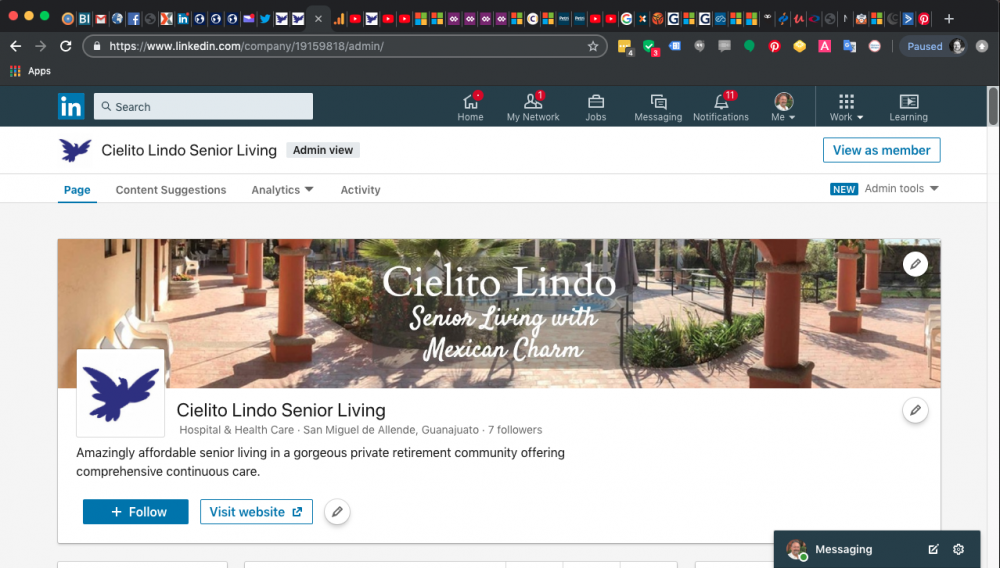
And here are our various social media forums, where we talk a lot about assisted living and memory care along with the various sort of challenges that sometimes come in our senior years (Alzheimer’s, Parkinson other dementias, and so on), but also about senior living in Mexico.
Facebook
|
|
|
|
|
|
|
|
|
|
|
|
|
|
|
|
|
|
|
Please don’t hesitate to contact me for anything related to senior living, especially in Mexico. I will gladly give you any assistance I can.
Thanks again!
James
James Sims
Marketing and Sales
Cielito Lindo Senior Living
1. 888.406.7990 (voice and text)
Phones:
English speaking:
1.888.406.7990 (in US & CDN)
00.1.881.406.7990 (in
MX)
Spanish speaking:
011.52.415.101.0201 (in US & CDN)
1.415.101.0201 (in MX)
Expat Logistics:
Visas for Expats:
Sonia Diaz Mexico
Tax Considerations for Expats:
Robert Hall Taxes
Addresses and Travel:
Physical address:
Cielito Lindo Independent and Assisted Living, Camino Real Los Labradores S/N, Rancho Viejo 1, San Miguel de Allende, GTO, Mexico, 37885
Packages from online providers like Amazon:
Camino Real Los Labradores, Rancho Los Labradores / Cielito Lindo, San Miguel de Allende, GTO, 37880 México
PO Box for letters and small envelopes:
Rancho Los Labradores / Cielito Lindo, c/o Alejandra Serrano ,
PMB N° 515-C, 220 N Zapata HWY N°11, Laredo TX, 78043-4464
Best airports to fly into: Leon or Queretaro
Airport shuttle: BajioGo
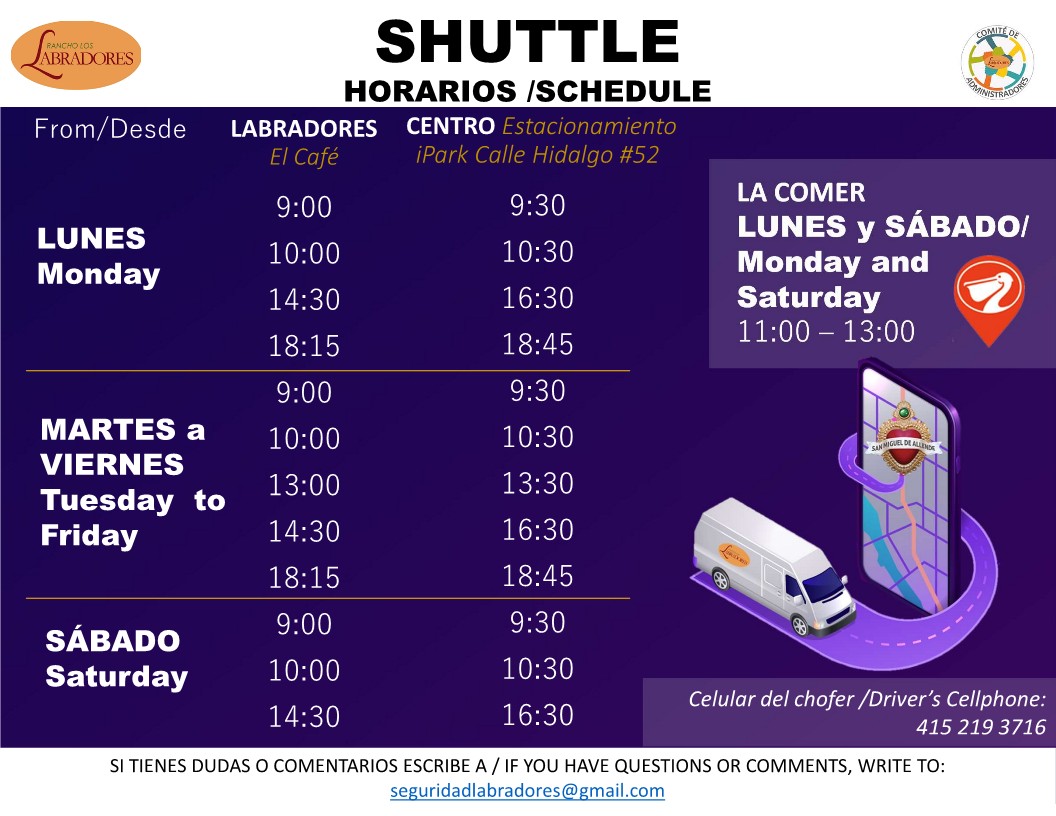
Shuttle:
Shuttle between San Miguel and Cielito Lindo:
|
|
|
|
|
|
|
Regards,
James
James Sims
Marketing and Sales
Cielto LIndo Senior Living
jsims.cielitolindo@gmail.com
|
|
|
|
|
|
|
|