|
|
Dear ,
This is your weekly summary of our news, research, books, videos, and other resources related to senior living, retirement, and care in Mexico, along with independent and assisted living and information about age-related challenges (e.g., limited mobility, dementia, Alzheimer's, Parkinson's, ALS, stroke, multiple sclerosis, healthspan, and so on).
I hope you are finding this weekly newsletter helpful, and if you know of someone who may also find this information helpful, please forward it to them. They can subscribe using our Web Newsletter page (click here). If, for any reason, you do not wish to receive this weekly newsletter any longer, there is a simple 'Unsubscribe' or 'Opt Out' link at the bottom right corner of this newsletter and also right here: Unsubscribe
This weekly newsletter typically includes information in each of the following categories: San Miguel insights, senior care, and health information, as well as Cielito Lindo basic information.
Here’s what we typically cover each week:
- San Miguel de Allende highlights – why this is such a special place to live
- Health & wellness insights – articles, videos, and expert reviews
- Care options & community life at Cielito Lindo – flexible, affordable living with a warm, human touch
This Week’s Theme:
This week’s newsletter explores the complex interrelated factors that comprise effective memory care.
|
|
|
|
|
|
|
|
Weekly insights into San Miguel:
|
|
|
- Colorful and Epicurean San Miguel - This is such an amazing place, particularly the food and the colors. Although we are addressing a topic that is stressful, challenging, and emotional, we should also acknowledge what an incredible place San Miguel is.
|
|
|
|
|
Vintage San Miguel de Allende
Land of light and color.
San Miguel de Allende invites you to slow your pace and let the city reveal itself one sun-warmed street at a time. Beneath the rose-colored spires of the Parroquia, bougainvillea spills over old stone walls, lanterns glow against weathered facades, and every turn feels touched by art, history, and romance. This is a place where colonial beauty, Mexican tradition, and everyday life meet in a glow of ochre, terracotta, green, and gold. Come, let yourself be enchanted.
|
|
|
|
|
The Colors of San Miguel: Moravian-Style Star Lantern
This luminous tin star lantern captures one of the most enchanting forms of Mexican folk artistry. Its metal surface is carefully pierced with tiny floral, crescent, and dotted patterns, allowing the light within to spill outward in delicate constellations across the surrounding walls. Colored glass jewels, set into the star’s many points and panels, add flashes of blue, green, amber, red, and white, giving the lantern a festive, almost celestial quality. It is both object and atmosphere, part sculpture, part light source, and part shadow theater. (Photo courtesy of Michael Sudheer)
|
|
|
|
|
Restaurant Review: Fiamma Focacceria / Fiamma Vicolo Italiano
Hidalgo 62, Centro, San Miguel de Allende, Gto.
Phone: +52 415 688 1355
Website: Not found; current public listings point mainly to Facebook/social pages. Address and phone are listed consistently across recent sources.
Days and Hours:
Reported as 3:00–10:00 p.m.; recent social posts indicate Thursday to Monday, while one listing shows Wednesday to Sunday. I would confirm before going, especially for Monday or Wednesday.
Atmosphere:
A small, intimate Italian hideaway in Centro, Fiamma feels more like being invited into a chef’s private kitchen than simply booking a table. The mood is warm, unpretentious, and deeply personal, with the kind of neighborhood charm that San Miguel does so well.
Service:
The restaurant’s strength appears to be Chef Marco Bruzzone himself: host, cook, storyteller, and ambassador of honest Italian hospitality. Reviews repeatedly mention his warmth and hands-on presence, which gives the room a familial, almost Sunday-supper quality.
Cuisine:
Authentic Italian, with an emphasis on simplicity, imported Italian ingredients, fresh pasta, and classic flavors rather than overworked presentation. Chef Marco, originally from Italy, has long been associated with Italian cooking in San Miguel, including Fiamma’s earlier pizzeria identity.
Signature Dish:
The fresh pastas are the draw, especially dishes such as ravioli Bolognese, which has been highlighted in recent restaurant posts. Expect rustic, soulful cooking rather than fussy fine dining.
Starters:
Begin with whatever antipasti or daily specials Chef Marco is offering. Given the restaurant’s style, the best opening move is likely something simple and ingredient-driven: cured meats, cheese, vegetables, or a small plate meant to ease you into a glass of wine.
Main Courses:
Pasta should be the center of the meal. Ravioli, meatballs, and house specials seem most aligned with the restaurant’s personality: generous, traditional, and prepared with the confidence of a chef cooking food he knows intimately.
Desserts:
Desserts are not as widely documented, but a restaurant of this kind is best finished in the Italian manner: something modest, sweet, and satisfying, ideally paired with espresso or a final digestivo if available.
Wine and Cocktails:
The tone leans Italian and convivial, with wine, Negroni, and "pasta y vino" appearing in recent social descriptions. This is not likely a grand cellar experience; it is more about the pleasure of a good glass beside a plate of pasta.
Final Thoughts:
Fiamma’s reopening under Chef Marco Bruzzone feels like a welcome return of a beloved San Miguel food personality. It is the kind of restaurant that succeeds not by spectacle, but by sincerity: a small room, a chef with roots, Italian comfort food, and the feeling that dinner still ought to be personal.
Cost: $$–$$$
Rating: ★★★★☆
|
|
|
|
|
|
Information related to Mexico, senior care and health:
|
|
|
- Lead article - These are articles specifically written for you each week. They address a wide range of relevant topics, such as factors that can increase your health and lifespan, diagnostics, understanding causal factors for Alzheimer's and other dementias, and so on. The lead article typically sets the tone for the core content of the newsletter (videos and book reviews). On occasion, the focus may be centered on Mexico, Pueblos Magicos, and San Miguel de Allende.
- Caregiver's Sentiment - This quote typically honors what we, as caregivers, are going through and feeling.
- Caregiver's Affirmation - This affirmation bolsters our self care, our image or ourselves on this journey and our ability to endure.
- Videos - Typically, three videos are related to the lead article, and they include a summary and timestamped highlights.
- Book Review - Typically related to the lead article.
|
|
|
|
|
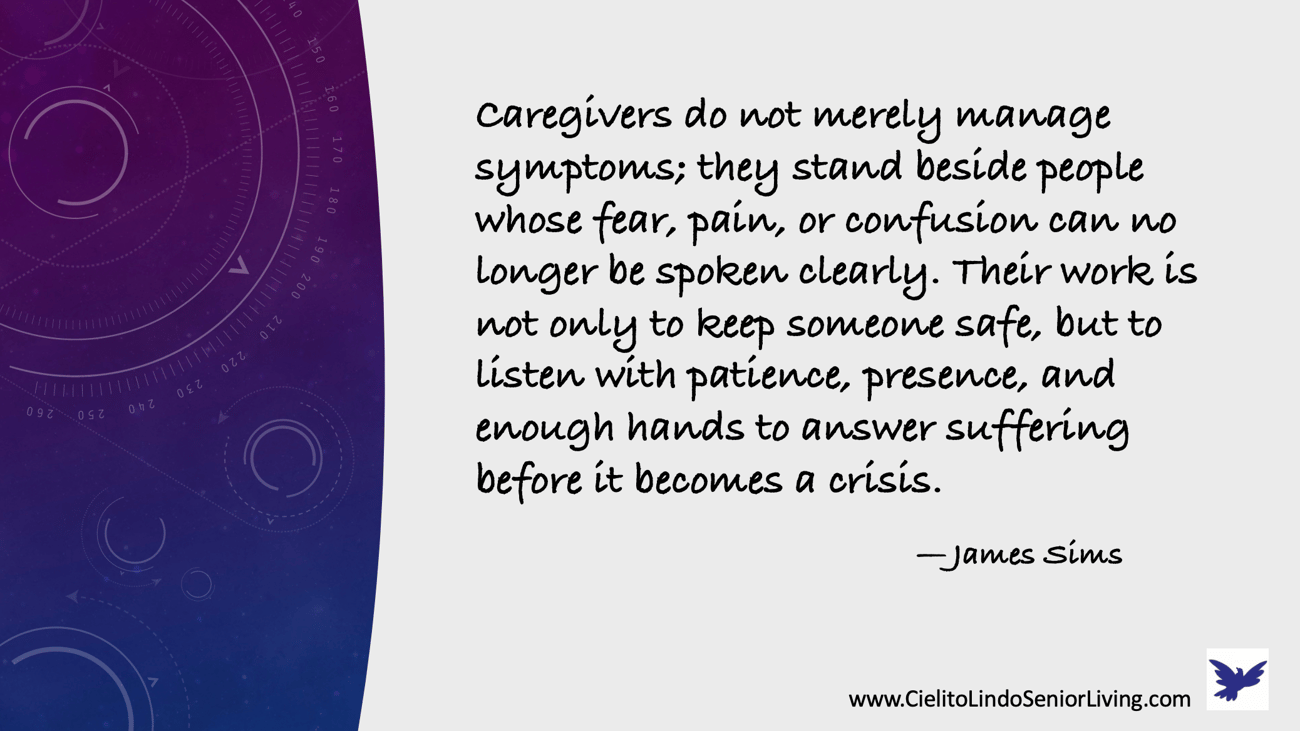
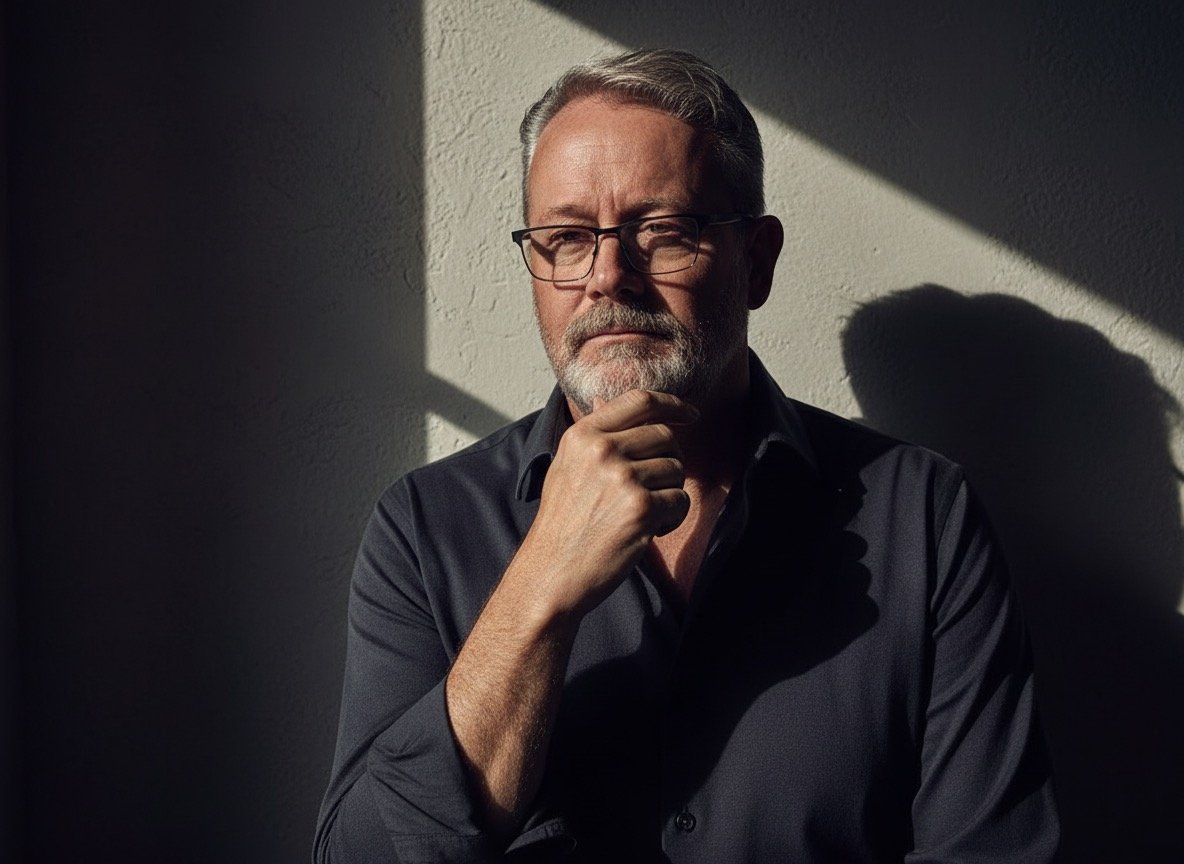
This quote recognizes that caregiving, especially in memory care, is not simply about controlling behavior or responding to visible symptoms. When someone living with dementia becomes frightened, agitated, withdrawn, or aggressive, those reactions may be the only way they can communicate distress. Fear, pain, hunger, confusion, infection, loneliness, or exhaustion may all be present, even when the person can no longer explain what is wrong. The caregiver’s role, then, is deeply interpretive and deeply human: to look beyond the behavior and ask what suffering may be trying to say.
It also honors the quiet skill involved in caregiving. True care requires patience to notice small changes, presence to remain calm in difficult moments, and enough support to respond before distress escalates. The phrase "enough hands" is especially important because compassion cannot be delivered by intention alone. Caregivers need time, staffing, training, and institutional support to do the slow, attentive work that prevents crisis.
At its heart, the quote argues that humane care is not only about reducing medication or avoiding harm; it is about replacing silence, confusion, and fear with human presence. It affirms caregivers as essential witnesses and responders to suffering, people whose work protects dignity when language, memory, and self-expression begin to fail.
|
|
|
|
|
Caregiver's Affirmation
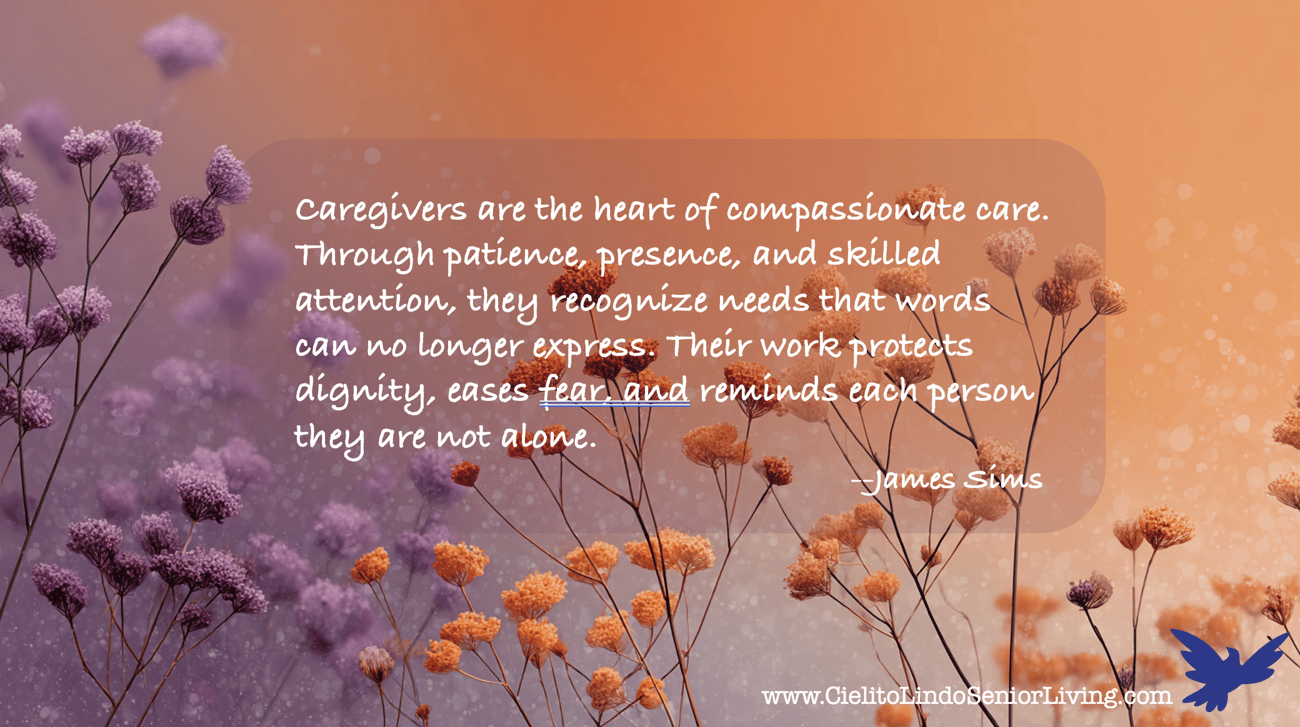
This affirmation supports the idea that caregiving is not passive assistance, but active, compassionate attention. In memory care, a person’s distress may appear as agitation, resistance, withdrawal, or aggression, yet underneath those behaviors, there may be pain, fear, confusion, or an unmet need. Caregivers often notice the subtle signs first and respond with calm, patience, and understanding.
It also reinforces the article’s central message: that humane dementia care depends on human presence. Reducing medication alone is not enough if there are not enough trained, supported caregivers to fill that space with meaningful care. A gentle voice, a familiar routine, a timely redirection, or simply sitting beside someone in distress can prevent suffering from escalating into a crisis.
Most importantly, the affirmation honors caregivers as protectors of dignity. Their work reminds vulnerable people that they are still seen, still valued, and still deserving of comfort and respect. In moments when memory and language fail, caregivers help preserve the personhood that dementia can never erase.
|
|
|
|
|
When Cutting Medications Isn’t Enough: The Hidden Crisis in Memory Care
Why the most important thing a dementia care facility can give your loved one may not be medicine, but it can’t be delivered without the right number of hands.
There is a painful irony at the center of modern memory care. Over the past decade, regulators in the United States, the United Kingdom, and Canada have worked hard to reduce the chemical sedation of dementia patients — to pull back the antipsychotics, the heavy benzodiazepines, the pharmacological blunting that was for too long the default response to a confused, frightened, or combative elder. The intent was compassionate and scientifically grounded. The outcomes, in many facilities, have been the opposite of what anyone intended.
Aggression in memory care units is rising. Nursing staff are being bitten, scratched, and struck at rates that would trigger occupational safety investigations in any other industry. Patients are cycling through episodes of acute behavioral crisis, being briefly re-medicated, stabilized, and then having medications withdrawn again in a regulatory loop (cyclical GDR) that serves paperwork more than people. Families visiting their loved ones find them in states of visible distress — not because no one cares, but because the system that removed one inadequate solution never replaced it with a better one.
Understanding why this is happening — and what genuine best practice actually looks like — may be the most important research a family can do before choosing a memory care facility.
You can read the complete article here. Additionally, we have 100's of other senior care and health-related articles here.
|
|
|
|
|
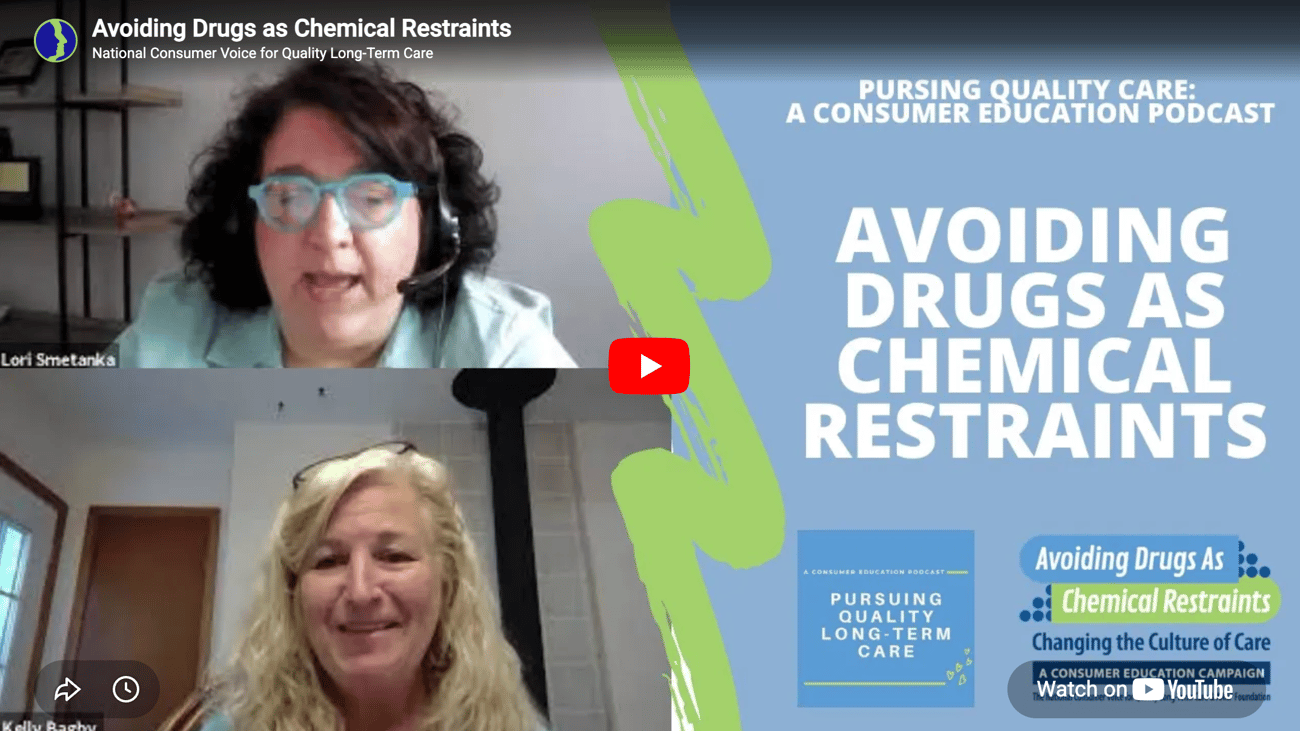
Avoiding Drugs as Chemical Restraints in Long-Term Care
This video discusses the inappropriate use of antipsychotic drugs in nursing homes and other long-term care settings, especially when they are used to sedate residents, control
behavior, or make caregiving easier rather than to treat a clinically appropriate condition. Lori Smetanka of the National Consumer Voice for Quality Long-Term Care speaks with Kelly Bagby of AARP Foundation Litigation about why these drugs can become chemical restraints, the serious harms they can cause, and why informed consent is essential.
The conversation emphasizes that behaviors by residents, particularly those with dementia, are often forms of communication. Rather than immediately prescribing medication, providers should assess whether the person is in pain, dehydrated, frightened, socially isolated, uncomfortable, or reacting to environmental factors. Bagby also stresses that families and advocates should ask questions, monitor for side effects, file complaints when needed, and create a paper trail when they suspect improper drug use.
The broader significance of the video is that it frames chemical restraint not only as a clinical problem, but also as a residents’ rights issue. The speakers argue that better staffing, individualized care, informed consent, staff training, baseline assessments, and stronger enforcement are all necessary to protect residents from unnecessary and potentially dangerous medication use.
View the video here:
Highlights:
- (00:00) — Lori Smetanka introduces the discussion as a conversation about drugs used in nursing homes to sedate or control residents rather than provide appropriate care.
- (03:18) — Kelly Bagby explains that AARP Foundation Litigation has been working with Consumer Voice to address inappropriate antipsychotic drug use, especially among people with dementia.
- (05:00) — Bagby notes that some antipsychotic drugs carry the FDA’s highest warning for use in people with dementia because of an increased risk of death.
- (07:46) — The discussion frames chemical restraint as an attempt to silence a resident rather than understand what the person is trying to communicate.
- (09:50) — Bagby explains that behaviors such as yelling, spitting, or hitting may indicate pain, fear, dehydration, loneliness, or another unmet need.
- (14:46) — The speakers connect poor staffing and unmet resident needs to increased complaints, overwhelmed staff, and greater risk of inappropriate medication use.
- (18:37) — Bagby describes non-drug interventions as more effective than simply quieting residents, especially when care teams first look for medical or environmental causes.
- (23:51) — Warning signs discussed include tremors, difficulty swallowing, loss of appetite, weight loss, unsteady gait, delirium, confusion, and slurred speech.
- (30:47) — Bagby explains that residents have a right to informed consent before medications are prescribed or administered, and that consent to enter a facility is not consent to every treatment.
- (39:49) — Bagby urges families and advocates to take action in ways that create a paper trail, including filing complaints with the state when they suspect improper care.
|
|
|
|
|
|
Cielito Lindo's basic information is included for your convenience:
|
|
|
- Cielito Lindo Info: After the signature, the newsletter always includes information about Cielito Lindo, so it is at your fingertips when you want it: Our costs, various related websites, social media channels like YouTube, our various addresses, and so on.
- Travel Info: Recommended airports and shuttles.
- Downloadable Brochure: Click here.
|
|
|
Web Sites - Cielito LIndo and Rancho Los Labradores
Here are our Web sites, including Cielito Lindo and Labradores Suites (hotel) all of which are part of the larger Rancho Los Labradores gated community just north of San Miguel de Allende.
Web Sites - Cielito LIndo and Rancho Los Labradores
Here are our Web sites, including Cielito Lindo and Labradores Suites (hotel) all of which are part of the larger Rancho Los Labradores gated community just north of San Miguel de Allende.
- Cielito Lindo provides independent living, light assisted living, assisted living, memory care and hospice with 24*7 staffing along with a la carte assisted living services to those living in the villas and suites at Rancho Los Labradores.
- Rancho Los Labradores Suites offer short and long term residence.
- Rancho Los Labradores is a country club resort feeling CCRC that provides a gated community with countless amenities and opportunities for different levels of independent living along with assisted living and memory care within Cielito Lindo.
Cielito Lindo Living Options & Costs Guide
We offer several living options depending on the level of care you or your loved one needs. Here’s a breakdown to help you plan:
1) Villas (Rent or Own)
- Cost: $1,7300 – $2,000 per month
- Additional Costs: Utilities, renter’s insurance, etc.
- What’s Included: This is mostly independent living.
- Extras: You can add independent or assisted living services (charged separately, à la carte).
- Support: We can connect you with a realtor if you'd like to purchase.
2) Cielito Lindo Condos & Suites
Best for: Independent living with optional assistance.
Option 1: Independent Living + Meals
- Cost: $2,250 per month
Includes:
- 2 meals a day
- Hotel like room cleaning, towel and linen service
- Monthly medical check-up
Optional Add-ons:
- Meals for an additional person: $450/month
- Extra care services available à la carte
Option 2: Light-Assisted Living in Condos & Suites
- Cost: $3,900 per month
Includes:
- Full assisted living services
- Designed for residents who still want independence but need some support
- Smooth transition to full Assisted Living or Memory Care as needs change
- One-Time Inscription Fee: $4,000
For Couples:
- $4,900/month for two people
- Same one-time fee ($4,000 per couple)
- Note: Suitability is based on cognitive ability, mobility, and safety.
3) Cielito Lindo Assisted Living, Memory Care, & Hospice
Best for: Seniors needing full-time care and supervision.
- Cost: $3,900 per month
Includes:
- 24/7 care and monitoring
- All meals
- Physical therapy
- Full-time doctor on site
- Spacious private room with bath
- One-Time Inscription Fee: $4,000
- For Couples:
- $5,400/month for two people (only one needs care)
- $6,900/month for two people (both need care)
- Same one-time fee ($4,000 per couple)
- Note: Suitability is based on cognitive ability, mobility, and safety.
4) Specialized Hospice Suite
Best for: Intensive care needs or end-of-life comfort and also recuperative at a far lower cost than a hospital
- Cost: $4,900 per month
Includes:
- Full 24/7 monitoring
- Recuperative, Palliative and hospice care
- On-site doctor
- All meals
- Special space for visiting family
|
|
|
YouTube videos and Curated Playlists
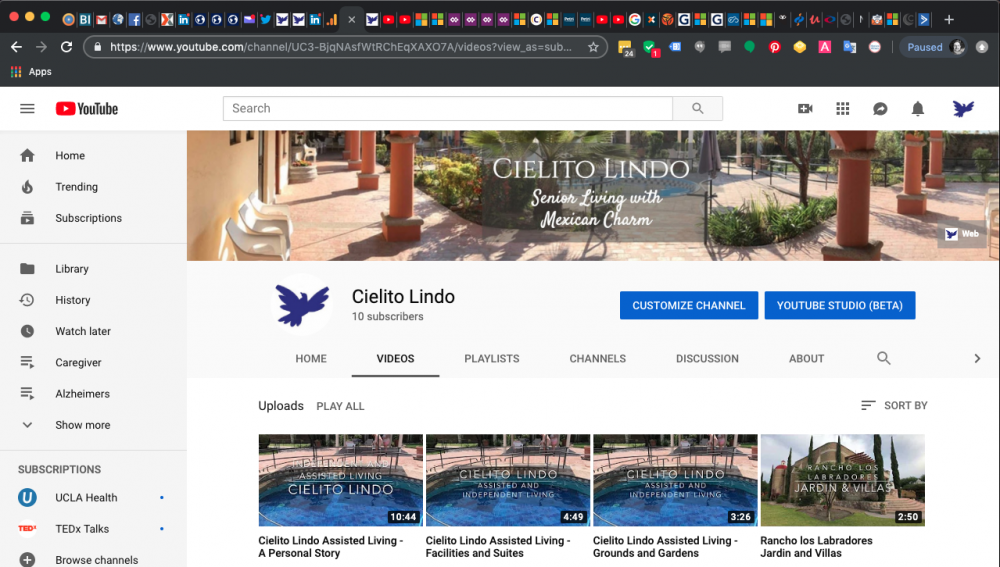
Here is our YouTube Channel. This is where we have lots of videos about Cielito Lindo and Rancho Los Labradores. We also have 1,600+ other senior care and expat in Mexico videos: YouTube
|
|
|
|
|
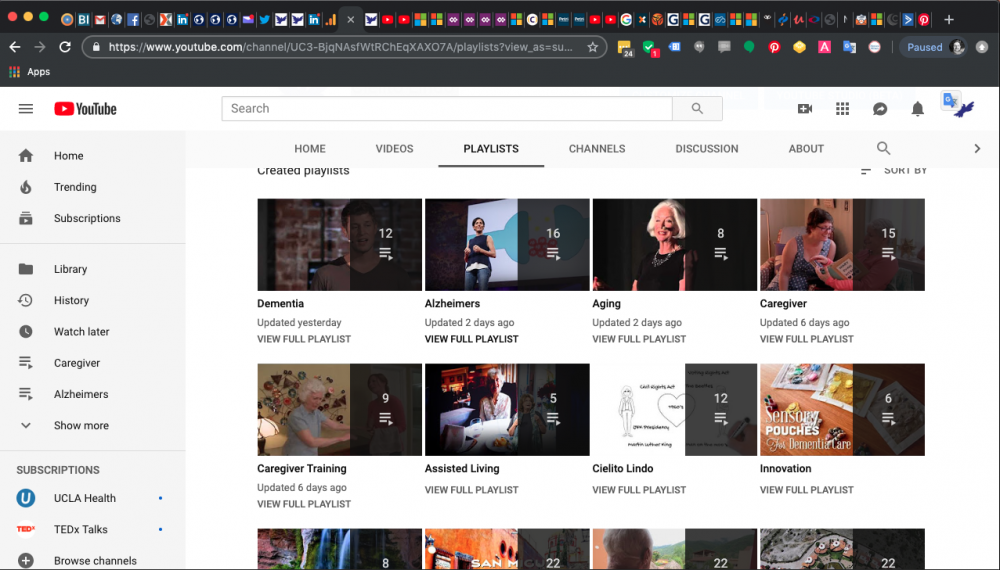
Additionally, our playlists cover a wide area and include 1,200+ videos. These playlists include videos about San Miguel and Mexico in general, caregiving and health, and a broad spectrum of senior living topics. Playlists
|
|
|
|
|
Additional Resources We Offer
We have curated collections of resources that may be useful:
Articles - We write fresh articles about senior living, health, care, and finances every week
Caregiver Books - We review books related to caregiving methods, logistics, challenges, and coping
Senior Health - We review books related to healthspan, lifespan, and disease
And here are our various social media forums, where we talk a lot about assisted living and memory care along with the various sort of challenges that sometimes come in our senior years (Alzheimer’s, Parkinson other dementias, and so on), but also about senior living in Mexico.
Facebook
|
|
|
|
|
|
|
|
|
|
|
Please don’t hesitate to contact me for anything related to senior living, especially in Mexico. I will gladly give you any assistance I can.
Thanks again!
James
James Sims
Marketing and Sales
Cielito Lindo Senior Living
1. 888.406.7990 (Voice and text)
1.209.312.0555 (WhatsApp)
Phones:
English speaking:
1.888.406.7990 (in US & CDN)
00.1.881.406.7990 (in MX)
Spanish speaking:
011.52.415.101.0201 (in US & CDN)
1.415.101.0201 (in MX)
SMA Colonias (subdivisions/neighborhoods):
Map and descriptions
Addresses and Travel:
Physical address:
Cielito Lindo Independent and Assisted Living, Camino Real Los Labradores S/N, Rancho Viejo 1, San Miguel de Allende, GTO, Mexico, 37885
Packages from online providers like Amazon:
Camino Real Los Labradores, Rancho Los Labradores / Cielito Lindo, San Miguel de Allende, GTO, 37880 México
PO Box for letters and small envelopes:
Rancho Los Labradores / Cielito Lindo, c/o Alejandra Serrano , PMB N° 515-C, 220 N Zapata HWY N°11, Laredo TX, 78043-4464
Air:
Best airports to fly into: Leon (BJX) or Queretaro (QRO)
Shuttle:
Best airport shuttle: BajioGo
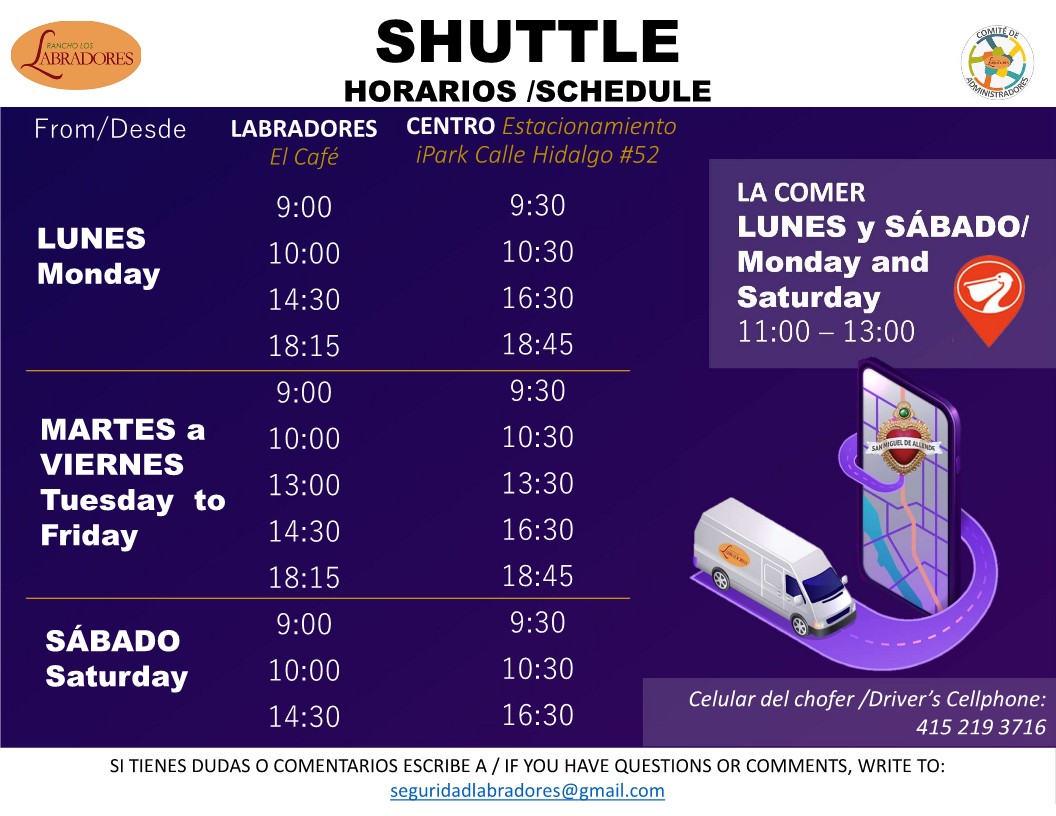
Shuttle between San Miguel and Rancho Los Labradores / Cielito Lindo
|
|
|
|
|
|
|
|
|
|
|